
Copper bottles have become popular for drinking water, not only because they look beautiful but also because of their claimed health benefits. Many people believe that storing water in a copper bottle can boost immunity, improve digestion, and even slow aging. But to enjoy these benefits, it’s important to keep your copper bottle clean. If you don’t clean it properly, it can develop stains, tarnish, or even become a breeding ground for bacteria. Cleaning copper is a little different from cleaning glass or plastic, and it requires some extra care.
In this guide, you’ll learn everything you need to know about how to clean a copper bottle, why it’s important, what mistakes to avoid, and the best methods for daily and deep cleaning. Whether you’re a new copper bottle user or someone who wants to restore an old, tarnished bottle, you’ll find helpful tips, step-by-step instructions, and answers to common questions.
Why Cleaning Your Copper Bottle Matters
Copper bottles are not just stylish—they are used for their antimicrobial properties. But these benefits only work when the copper is clean. If the bottle isn’t cleaned regularly, it can collect dirt, tarnish, and harmful bacteria.
Tarnish is a dull, sometimes greenish layer that forms on copper when it reacts with air and water. This is called patina. While some patina is natural and harmless, too much can make the bottle look dirty and reduce its benefits. Worse, if you leave water in the bottle for days, it can develop a metallic taste or even become unsafe to drink.
A 2012 study found that copper surfaces kill over 99.9% of bacteria within two hours. But if there are oils, grime, or old water, bacteria can survive. Cleaning helps keep your bottle safe and your water tasting fresh.
How Often Should You Clean A Copper Bottle?
Regular cleaning is the best way to keep your copper bottle in good condition. How often you clean depends on how you use it:
- Daily Use: Rinse with water every day and do a quick clean every 1-2 days.
- Weekly: Do a deeper clean to remove tarnish and stains.
- Monthly or As Needed: If your bottle looks dull, has green spots, or smells, do a deep polish.
If you store anything besides water (like juices or herbal infusions), clean immediately after use. Acidic liquids can damage copper faster.
What You Need To Clean A Copper Bottle
You don’t need expensive cleaners or tools. Most copper cleaning can be done with simple kitchen items:
- Lemon or lime (fresh, not bottled juice)
- Salt (table salt works fine)
- Baking soda
- White vinegar
- Soft cloth or sponge
- Bottle brush (for inside cleaning)
- Warm water
Avoid steel wool or rough scrubbers, which can scratch the copper. Also, skip dish soap for the inside, as residue can stay in the bottle.
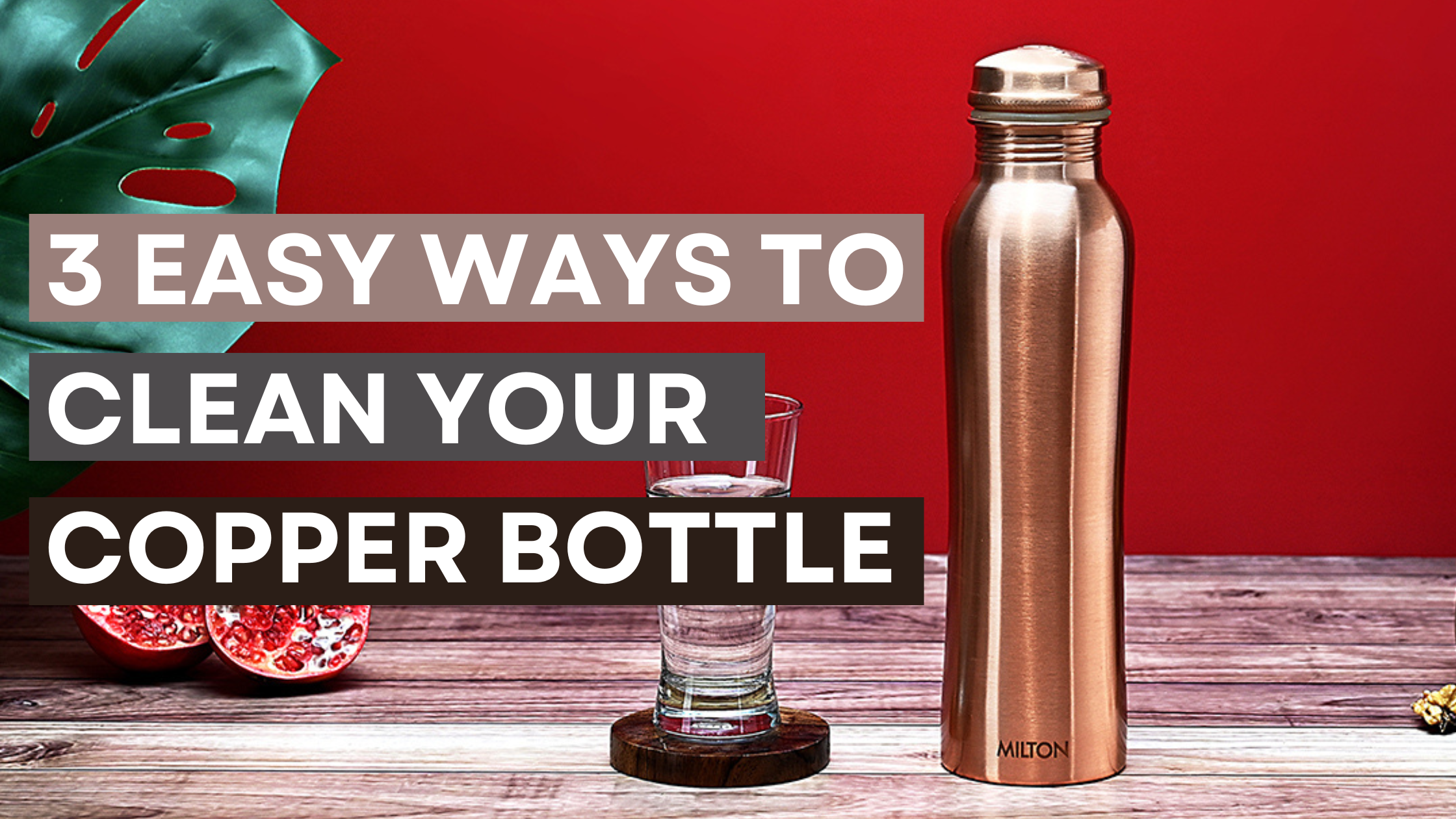
Step-by-step: Daily Cleaning Routine
A quick daily clean helps prevent buildup and keeps your bottle shiny.
- Empty the Bottle: Pour out any remaining water.
- Rinse with Warm Water: Swirl warm water inside, then pour it out.
- Use a Soft Brush: Gently scrub the inside with a bottle brush, focusing on the bottom and neck.
- Rinse Again: Make sure no residue is left.
- Air Dry: Leave the bottle open to dry completely.
This simple routine takes less than 2 minutes but makes a big difference.
Credit: www.milton.in
Deep Cleaning Methods For Copper Bottles
Sometimes, a quick rinse isn’t enough. If your copper bottle looks dull, has stains, or smells, try one of these deep cleaning methods.
Lemon And Salt Method
This is the most common and effective way to clean copper.
- Cut a Lemon in Half: Sprinkle salt on the cut side.
- Rub the Lemon: Use it to scrub the outside and inside of the bottle. The acid in lemon and the abrasion from salt remove tarnish.
- Let It Sit: For tough stains, let the mixture sit for 2-3 minutes.
- Rinse Thoroughly: Use warm water to rinse away all lemon and salt.
- Dry Completely: Wipe with a soft cloth or let air dry.
Tip: For narrow-neck bottles, squeeze lemon juice inside, add salt, shake well, then scrub with a brush.
Baking Soda And Vinegar Method
This method works well for stubborn tarnish and when lemon isn’t available.
- Mix Solution: Put 1 tablespoon baking soda and 2 tablespoons white vinegar in the bottle.
- Swirl or Shake: The mixture will fizz. Swirl to cover all surfaces.
- Let It Sit: Wait 5-10 minutes.
- Scrub: Use a soft bottle brush to clean the inside.
- Rinse Well: Make sure all baking soda is removed.
- Dry Thoroughly: Leave the bottle open to avoid moisture.
Salt And Vinegar Paste
For heavy tarnish or green spots, a paste works best.
- Mix Paste: Combine equal parts salt and white vinegar to make a thick paste.
- Apply: Rub the paste on the stains with a soft cloth or your fingers.
- Wait: Leave for 2-3 minutes.
- Scrub and Rinse: Use a brush for the inside, then rinse with water.
- Polish: Dry with a soft cloth for extra shine.
Commercial Copper Cleaners
If you prefer store-bought solutions, use a copper-safe cleaner. Follow the instructions and rinse well before using the bottle for drinking.
Warning: Many cleaners have strong chemicals. Only use products that are labeled food-safe.
Comparing Natural And Commercial Cleaning Methods
Some people wonder if they should use natural cleaning methods or buy a special cleaner. Here’s a quick comparison:
| Cleaning Method | Pros | Cons |
|---|---|---|
| Lemon & Salt | Natural, cheap, safe for drinking bottles | May require more scrubbing for tough stains |
| Baking Soda & Vinegar | Removes tough tarnish, gentle on copper | Can leave a smell if not rinsed well |
| Commercial Cleaner | Fast, strong cleaning action | May contain chemicals, not always food-safe |
Cleaning The Inside Vs. Outside
The inside of a copper bottle is harder to clean than the outside. The bottle’s shape and narrow neck make it difficult to reach with just a cloth.
- Use a bottle brush: This is the best tool for cleaning inside.
- Avoid harsh cleaners: Never use bleach or strong soap inside. They can react with copper and leave dangerous residue.
- Check for deposits: Sometimes, you’ll see blue or green spots inside. These are called verdigris and should be cleaned immediately.
For the outside, you can be a little more aggressive, but still avoid anything that scratches the surface.
How To Remove Tough Stains And Verdigris
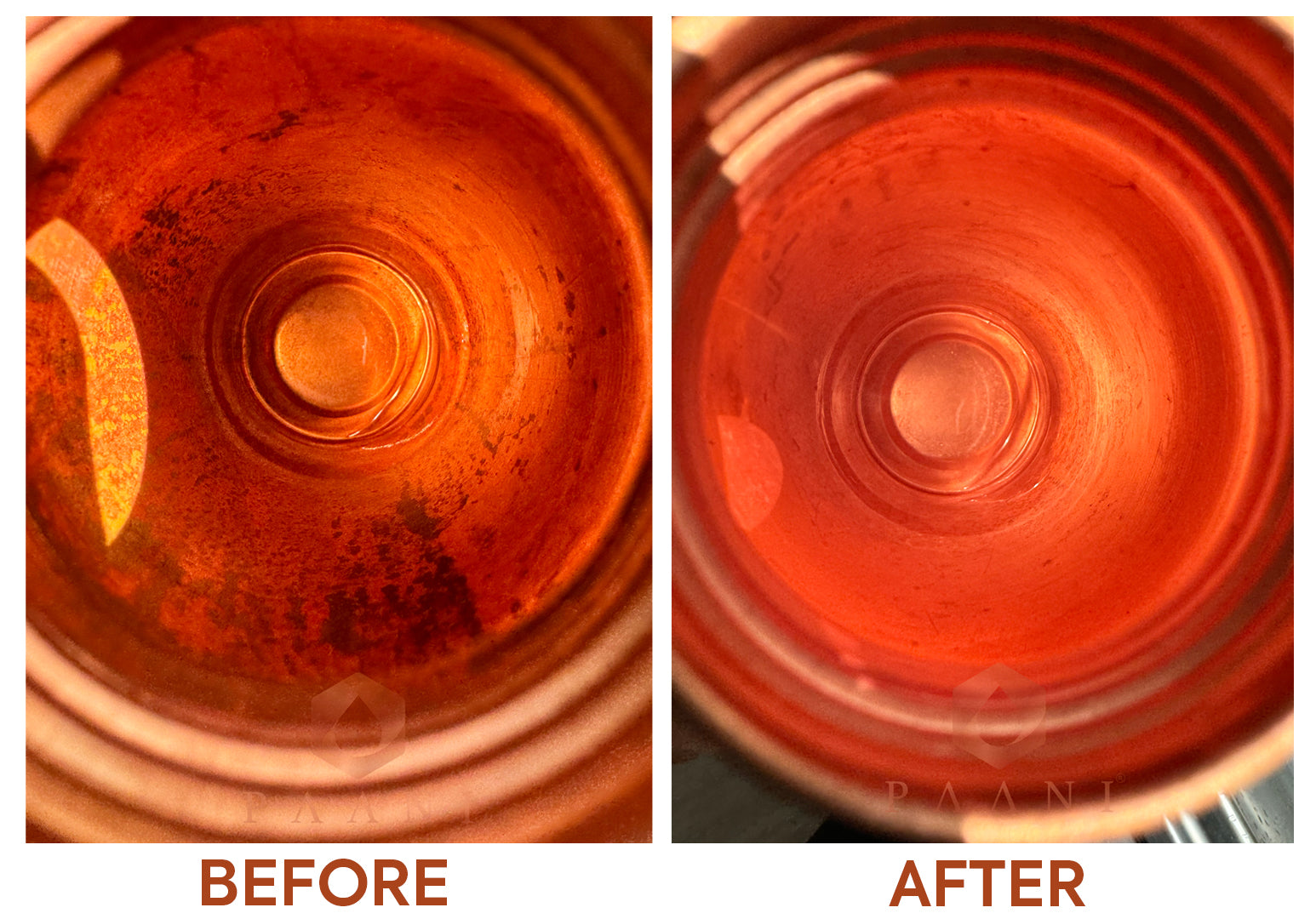
Verdigris is the green or blue buildup that can appear on copper. It’s caused by moisture and air. While small amounts are not dangerous, it can look bad and make your water taste metallic.
To remove verdigris:
- Use Lemon and Salt: This removes most green stains.
- For stubborn spots: Make a paste with baking soda and a few drops of water. Apply, let sit for 10 minutes, and scrub gently.
- Rinse and Inspect: Make sure all green areas are gone before using the bottle.
If stains keep coming back, check if you’re leaving water in the bottle too long or storing it in a damp place.
Credit: www.paanibottles.com
Drying And Storing Your Copper Bottle
Moisture is the enemy of copper. After cleaning, always dry your bottle completely:
- Air dry: Leave the bottle open upside down on a rack.
- Use a soft towel: Wipe the outside and inside, as much as you can reach.
- Store open: If possible, leave the cap off when not in use. This prevents musty smells and further tarnish.
Never store your bottle with water inside for days, and don’t keep it in a humid place.
Mistakes To Avoid When Cleaning Copper Bottles
Many people make small mistakes that can damage their bottle or make cleaning less effective. Here are some common errors:
- Using steel wool or rough scrubbers: These scratch the copper and make it tarnish faster.
- Leaving water inside: This creates a perfect place for bacteria and stains to grow.
- Using strong soaps or bleach: These leave residues and can react with copper.
- Not drying completely: Moisture causes spots and tarnish.
- Forgetting to clean the cap: Bacteria can hide there. Clean the cap every week.
Bonus Insight: Never put your copper bottle in the dishwasher. The high heat and detergents will damage the copper quickly.
Polishing For Extra Shine
If you want your copper bottle to look as bright as new, you can polish it after cleaning.
- Soft cloth: Buff the outside with a soft, dry cloth.
- Olive oil: Some people use a drop of olive oil on a cloth to add shine and protect the surface. Use very little and wipe off any extra oil.
- Commercial polish: Use only if it’s labeled safe for items in contact with food and rinse well after polishing.
Polishing is optional but helps keep your bottle looking beautiful.
How To Keep Your Copper Bottle Clean Longer
Preventing stains and tarnish is easier than removing them. Here are some practical tips:
- Rinse daily: Even if you only drink water, rinse every day.
- Don’t store other drinks: Avoid acidic or sugary drinks, which can damage copper.
- Dry after each use: Never put the cap back on while the bottle is wet.
- Deep clean weekly: This prevents buildup and keeps the bottle healthy.
Non-obvious tip: If you live in a humid area, store your bottle in a cool, dry place and avoid leaving it in sunlight, which speeds up tarnishing.
How Copper Bottles Compare To Other Bottles
Copper bottles are unique, but how do they stack up against other common types?
| Type | Pros | Cons |
|---|---|---|
| Copper | Antimicrobial, stylish, natural | Requires regular cleaning, can tarnish |
| Stainless Steel | Durable, easy to clean, no tarnish | No health benefits, heavier |
| Plastic | Lightweight, cheap, many styles | Can hold bacteria, may leach chemicals |
| Glass | No taste, easy to clean, no chemicals | Breakable, heavier, no health benefits |
How To Tell If Your Bottle Is Pure Copper
Not all bottles sold as “copper” are 100% pure copper. Some are just copper-coated stainless steel. Here’s how to check:
- Magnet test: Pure copper is not magnetic. If a magnet sticks, it’s not pure.
- Look for seams: If the bottle has seams, it may be plated or mixed metal.
- Color: Pure copper is reddish-brown. If it looks orange or very shiny, it may be coated.
- Weight: Copper is heavier than most metals used for bottles.
Extra tip: If your bottle is lined with tin or steel inside, use only gentle cleaning methods to avoid damaging the lining.
Is It Safe To Drink From A Copper Bottle?
When cleaned regularly and used only for water, copper bottles are safe. The World Health Organization says that drinking water stored in copper for a few hours is safe and can even kill bacteria. But storing acidic drinks (like juice or soda) in copper is not recommended, as it can leach too much copper into the drink.
Copper poisoning is rare, but if you notice a metallic taste or see blue-green stains, clean your bottle and do not use it until stains are gone.
For more on copper safety, you can check the guidance at the World Health Organization.
What To Do If Your Bottle Smells Bad
If your copper bottle develops a bad smell:
- Empty and rinse immediately.
- Deep clean with lemon and salt or baking soda and vinegar.
- Air dry with the cap off.
- Don’t store water for more than 8-10 hours at room temperature.
- If the smell persists, repeat deep cleaning or consider replacing the bottle if stains cannot be removed.
Environmental Benefits Of Copper Bottles
Using a copper bottle is not just good for health; it’s also better for the environment than plastic bottles. Copper is 100% recyclable and lasts for decades if cared for. Unlike plastic, it doesn’t break down into microplastics or pollute water.
If you want a sustainable option, a copper bottle is a great choice—just remember to clean it well to make it last.
Myths And Facts About Cleaning Copper Bottles
There are many myths online about cleaning copper bottles. Let’s clear up a few:
- Myth: You should never let copper touch water.
Fact: Copper is safe for water, but don’t leave water for days.
- Myth: The green patina is always dangerous.
Fact: Small amounts are not harmful, but it’s best to clean it off.
- Myth: All copper bottles are the same.
Fact: Quality and purity vary. Always check before buying.
- Myth: Polishing too often will ruin the bottle.
Fact: Gentle polishing is safe; just avoid harsh chemicals.
Practical Example: Bringing A Tarnished Bottle Back To Life
Suppose you find an old copper bottle in your kitchen. It’s covered in green spots and looks dull. Here’s how you can restore it:
- Rinse with warm water.
- Cut a lemon, sprinkle salt, and scrub the outside.
- Squeeze lemon juice inside, add salt, and shake.
- Let it sit for 10 minutes if the stains are bad.
- Scrub with a bottle brush.
- Rinse very well with warm water.
- Dry completely with a soft cloth.
- Polish the outside if you want extra shine.
Most of the time, this will make your bottle look almost new. If stains remain, repeat the process or try the baking soda and vinegar method.
Step-by-step: Cleaning A Copper Bottle For The First Time
If your bottle is brand new, you should still clean it before using:
- Rinse with warm water to remove dust.
- Squeeze lemon juice inside, add a teaspoon of salt, and shake.
- Scrub with a bottle brush.
- Rinse well and dry completely.
This removes any manufacturing residues and prepares your bottle for safe use.
How To Maintain Your Copper Bottle: Long-term Care
- Don’t freeze or boil: Extreme temperatures can warp copper.
- Avoid rough surfaces: Store your bottle on a soft mat or surface.
- Check for cracks: If you see any cracks, stop using the bottle.
- Clean the cap: Bacteria can grow on the threads and inside the cap. Clean it weekly.
With regular care, a copper bottle can last for many years and remain both beautiful and safe.
Frequently Asked Questions
How Do I Know If My Copper Bottle Is Pure Copper?
You can test with a magnet—if it sticks, it’s not pure copper. Look for a reddish-brown color and check the weight. Pure copper is heavier than most bottles.
Is It Safe To Clean Copper Bottles With Vinegar?
Yes, white vinegar is safe and effective for cleaning copper. Just rinse well after cleaning to remove any smell or taste.
Can I Use Dish Soap To Clean My Copper Bottle?
Dish soap is safe for the outside, but avoid using it inside. Soap residue can stay and affect the taste of water. Use natural cleaners like lemon and salt for the inside.
Why Does My Copper Bottle Turn Green?
The green color is called verdigris. It forms when copper reacts with air and moisture. It’s not usually harmful but should be cleaned off for safety and taste.
How Long Can I Store Water In A Copper Bottle?
It’s best to store water for 6–8 hours, such as overnight. Don’t leave water in the bottle for more than 12 hours, especially in hot weather, to avoid taste changes and bacteria growth.
Copper bottles are a wonderful, eco-friendly choice for drinking water. With the right cleaning habits and a little extra attention, you can keep your bottle safe, shiny, and healthy for years. Regular cleaning, proper drying, and smart storage are the secrets to enjoying all the benefits of copper—without the hassle.

Credit: www.youtube.com