
Washing your bed’s heated mattress pad can feel intimidating. It has wires, controls, and safety labels that make you pause. You want your sleeping surface clean, but you also want it safe and working for years. Many people skip regular washing out of fear, but that’s not necessary.
With the right method and a little care, you can easily clean a heated mattress pad at home—no special skills required. This guide walks you through every step, from unplugging to drying, and even covers what to do if you have stains, pets, or a pad that’s extra old.
You’ll also learn the most common mistakes, how different brands compare, and how to keep your pad fresh between washes. After reading, you’ll feel confident your investment stays clean and comfortable, all without damaging the heating system or voiding your warranty.
What Is A Heated Mattress Pad?
A heated mattress pad is a fabric cover with built-in electrical wires or heating elements. It sits on top of your mattress and below your sheets, providing gentle warmth throughout the night. Most pads have adjustable heat levels and come with detachable power cords and controllers. The heating element is usually thin, flexible, and designed for safety.
Heated pads are popular in cold climates and among people with joint pain, poor circulation, or those who simply want a warm bed. While they are safe when used correctly, their wiring means you must follow specific cleaning steps.
Why Washing Your Heated Mattress Pad Matters
You might think the bed sheet protects your pad, but sweat, skin oils, dust mites, and even spilled drinks can reach the pad. Over time, these build up, causing odors, stains, or even allergies. Regular washing helps:
- Remove allergens like dust mites and pet dander
- Prevent odors from sweat and spills
- Extend pad lifespan by keeping fibers clean
- Maintain warranty (many brands require regular cleaning)
Skipping washing can cause fabric to yellow, make the pad less effective, or even void manufacturer warranties.

Credit: www.amazon.com
Safety: The Most Important Step
Before you touch water or soap, know that safety comes first with anything electrical. Heated pads are designed to be washed, but only if you prepare them correctly. Here are non-negotiable safety steps:
- Unplug the pad from the wall and from the pad itself. Never wash a pad while it’s plugged in.
- Detach all controllers and cords. Heated pads are made to have cords removed before washing.
- Check the pad for damage such as exposed wires, tears, or melted spots. If you find any, do not wash—contact the manufacturer.
- Read the care label. Every brand is a bit different. Look for recommended water temperature, machine type, and special instructions.
Many people forget step #3 and wash a damaged pad. This can ruin the heating element or make the pad unsafe to use.
Understanding Labels: What To Look For
Every heated mattress pad has a care tag. This tag is usually sewn into a corner. It shows:
- Washing method: Machine or hand wash
- Maximum water temperature
- Drying instructions: Tumble dry, air dry, or no heat
- Whether dry cleaning is safe (rarely recommended)
- Warnings: “Do not wring,” “Do not iron,” etc.
Pro tip: If your label is faded or missing, search for your pad’s manual online using the model number. Many manufacturers offer PDFs or customer support.
Supplies You Will Need
Gather everything before you start. Here’s what you’ll need:
- Mild liquid detergent (not powder or bleach)
- A clean bathtub or large washing machine (front-loaders are best)
- A gentle or delicate cycle setting
- A large drying rack or clothesline
- Clean towels (for hand drying, if needed)
- A lint roller (optional, for pet hair)
Avoid fabric softeners and bleach. These can damage the wires or the pad’s waterproofing.
Step-by-step: How To Wash A Heated Mattress Pad
Step 1: Disconnect And Inspect
Always unplug the heated mattress pad from the wall. Detach the power cord and controller from the pad itself. Lay the pad flat and check for:
- Frayed wires
- Tears in fabric
- Burn marks or melted spots
If you see any of these, do not wash the pad.
Step 2: Pre-treat Stains
If you notice spots from sweat, drinks, or pets, pre-treat these before washing. Use a small amount of mild detergent or a gentle stain remover. Apply it to the spot, let it sit for 5-10 minutes, then gently blot with a damp cloth.
Never soak the stained area; too much water can damage the internal wires.
Step 3: Choose The Right Washing Method
Most modern heated mattress pads are machine-washable, but a few require hand washing. Compare the two methods below:
| Method | Best For | Pros | Cons |
|---|---|---|---|
| Machine Wash | Newer pads, most brands | Faster, less effort | Not all pads allow |
| Hand Wash | Older pads, delicate materials | Gentler on wires | More time-consuming |
Machine Washing
- Place the pad in the washer. If your washer is small, wash the pad alone.
- Use cold or lukewarm water. Never use hot water.
- Select the gentle or delicate cycle.
- Add a small amount of mild liquid detergent.
- Run the washer for a short cycle—usually 2 to 5 minutes of agitation is enough. Some brands recommend “soak, rinse, spin” only. Check the label.
Non-obvious tip: Avoid washing with towels, jeans, or heavy items. These can twist the wires.
Hand Washing
- Fill a bathtub or large basin with cold or lukewarm water.
- Add a small amount of mild detergent and swirl to mix.
- Submerge the pad and gently press up and down with your hands. Do not scrub, twist, or wring.
- Let it soak for 10-15 minutes.
- Drain the tub, then fill with clean water to rinse. Repeat until all soap is gone.
Never wring out a heated mattress pad. This can break the wires inside.
Step 4: Rinsing
Rinse the pad thoroughly. If using a washing machine, run an extra rinse cycle. For hand washing, gently press water out, then refill with clean water and repeat until water runs clear.
Step 5: Drying Your Heated Mattress Pad
Drying is a critical step. Heated pads can shrink, burn, or warp if dried incorrectly.
Tumble Drying
Most modern pads allow low-heat tumble drying. Here’s how:
- Place the pad in the dryer alone (not with sheets or towels).
- Set to LOW heat or “Air Fluff.”
- Dry for 10-15 minutes at a time, checking frequently.
- Remove while slightly damp. Hang or lay flat to finish air drying.
Never use high heat. It can melt wiring insulation.
Air Drying
For the gentlest care, air dry your pad:
- Lay the pad flat on a large drying rack or clean surface.
- Smooth out wrinkles gently—do not stretch.
- Flip occasionally for even drying.
- Avoid direct sunlight or placing near heaters.
Air drying takes longer (several hours to overnight) but is safest for older or delicate pads.
Step 6: Reattaching And Checking
Once completely dry, inspect the pad for any signs of damage or moisture. Reattach controllers and cords. Plug in, and test for 10-15 minutes before making the bed.
If you notice any odd smells, buzzing, or uneven heating, stop use immediately. Contact the manufacturer.
Common Mistakes (and How To Avoid Them)
Washing a heated mattress pad is easy, but people often make the same errors:
- Forgetting to unplug before washing. This can cause shocks or fire.
- Using hot water or high heat. Both can damage wires or shrink the pad.
- Wringing out the pad to speed up drying. This can break internal wiring.
- Adding bleach or fabric softener. These can break down both the wires and waterproofing.
- Ignoring the care label. Each pad is a bit different—always check instructions.
Non-obvious insight: Many warranties are voided by improper washing. Keep your receipts and take a picture of the care label for reference.
How Often Should You Wash A Heated Mattress Pad?
For most people, washing every two to three months is enough. Wash more often if:
- You sweat a lot at night
- You have allergies or asthma
- Pets or young children sleep in your bed
- There are visible stains or odors
Washing too often can wear out the pad. Spot clean between washes.
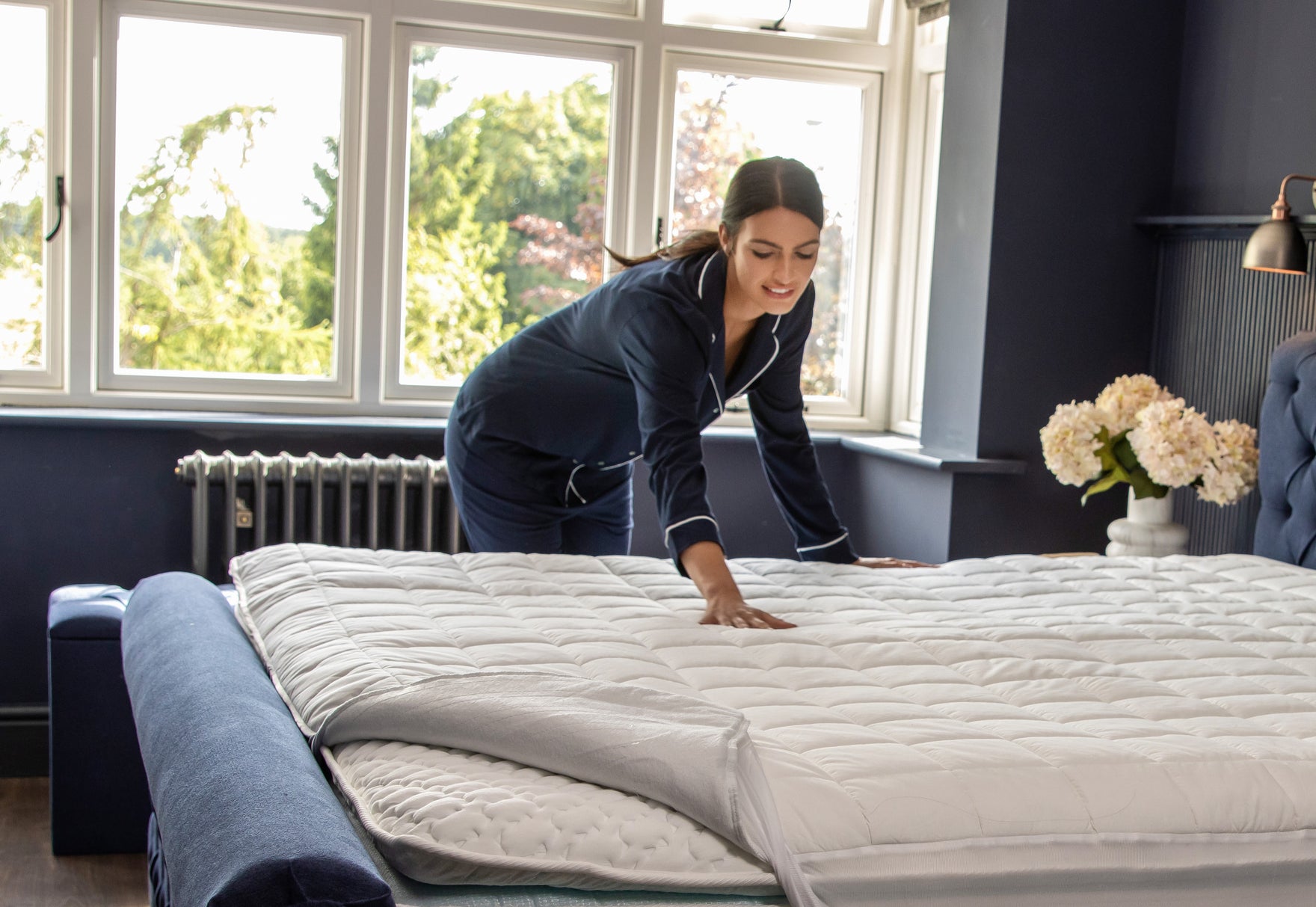
Credit: www.dreamlanduk.co.uk
Spot Cleaning: For Small Spills Or Stains
Not every mess needs a full wash. For small spills:
- Unplug and remove the pad.
- Mix a little mild detergent with water.
- Dab the stained area with a clean, damp cloth.
- Blot with a dry towel to remove moisture.
- Let the pad air dry fully before use.
Spot cleaning is faster and less stressful on the heating system.
Comparing Major Heated Mattress Pad Brands
Different brands have slightly different care needs. Here’s how three popular brands compare:
| Brand | Machine Washable | Dryer Safe | Unique Instructions |
|---|---|---|---|
| Sunbeam | Yes | Yes (low heat) | Max 2 min agitation, no dry cleaning |
| Biddeford | Yes | Yes (low heat) | No bleach, no wringing |
| Perfect Fit | Yes | Air dry preferred | Remove promptly from washer |
Always double-check your brand’s instructions, even if you’ve washed other pads before.
Dealing With Pet Hair, Odors, And Special Cases
Pet Hair
If you have cats or dogs, their hair can get tangled in the pad’s fabric. Use a lint roller or soft brush before washing. This keeps hair out of the machine and prevents clogs.
Strong Odors
For stubborn smells (like sweat or pet accidents):
- Add half a cup of white vinegar to the rinse cycle. Vinegar neutralizes odors but is safe for wires if used in small amounts.
- Air dry in a well-ventilated space.
Old Or Fragile Pads
If your heated mattress pad is over five years old, or the wiring feels stiff or lumpy, avoid machine washing. Stick to gentle hand washing and air drying.
Storing Your Heated Mattress Pad
If you store your pad for the summer:
- Wash and dry completely before storing.
- Roll—don’t fold—the pad to prevent kinks in wires.
- Store in a cool, dry place, away from direct sunlight or heavy objects.
Never store with the cord attached, as this can damage the connector.
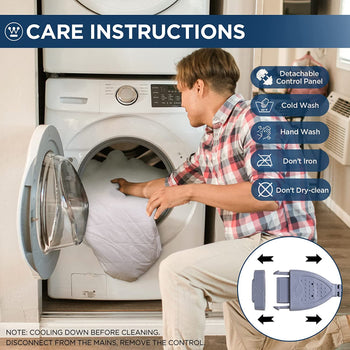
Credit: westinghouse.com
Keeping Your Heated Mattress Pad Fresh Between Washes
Washing too often isn’t ideal. Here’s how to keep your pad fresh longer:
- Use a mattress protector over the pad. This blocks sweat, spills, and dust.
- Wash your sheets weekly.
- Air out your bed daily by pulling back covers.
- Spot clean any stains as soon as they happen.
These steps reduce allergens and extend the time between deep cleans.
What If Something Goes Wrong?
If your heated mattress pad stops working after washing:
- Double-check all connections.
- Make sure the pad is fully dry.
- Try a different outlet.
- If still not working, contact the manufacturer. Most have customer support for troubleshooting.
Never try to repair exposed wires or open the pad yourself. This is dangerous and voids the warranty.
Environmental Impact: Washing Responsibly
Heated mattress pads contain wires and sometimes plastics. Washing less often, using cold water, and air drying save energy and reduce wear on the pad. Avoid harsh chemicals that can leach into water systems.
If you must dispose of an old pad, look for local e-waste recycling programs. Never put electrical bedding in regular trash.
Real-world Example: Washing A Sunbeam Heated Mattress Pad
Let’s walk through a real example:
Maria owns a Queen-sized Sunbeam heated mattress pad. She washes it every three months.
- She unplugs and removes the controller.
- Checks for damage—none found.
- Pre-treats a coffee stain with mild detergent.
- Places pad in her front-loader washing machine, alone.
- Selects “Delicate,” cold water, and adds liquid detergent.
- Sets washer for 2 minutes agitation, as per Sunbeam’s manual.
- Runs an extra rinse cycle.
- Tumble dries on low for 10 minutes, then air dries flat on a rack.
- Once dry, she reconnects, tests for 10 minutes, and remakes the bed.
Maria’s pad still heats evenly after years of careful washing.
Heated Mattress Pads Vs. Electric Blankets: Cleaning Differences
Heated mattress pads and electric blankets look similar, but their cleaning methods can differ.
| Feature | Heated Mattress Pad | Electric Blanket |
|---|---|---|
| Placement | Under sheets, on mattress | Above sheets, covers you |
| Washing Frequency | Less often | More often |
| Washing Method | Gentle cycle/hand wash | Usually machine washable |
| Drying | Low heat or air dry | Low heat or air dry |
| Wiring | Thicker, more embedded | Thinner, more flexible |
Always follow the specific instructions for your product type.
Long-term Care Tips For Heated Mattress Pads
- Check for wear every wash. Replace your pad if wires feel stiff, the pad heats unevenly, or you see damage.
- Avoid folding across wires. Rolling or storing flat prevents breakage.
- Don’t iron or dry clean. The chemicals and heat can destroy the pad.
- Keep away from liquids. Spills can short out the wiring.
A well-cared pad can last 5-10 years. If unsure, ask the brand for guidance or look for support at Consumer Reports.
Frequently Asked Questions
How Do I Know If My Heated Mattress Pad Is Machine Washable?
Check the care label sewn into your pad. Most modern pads are machine washable, but some older or luxury models require hand washing. If you can’t find the label, search for your pad’s manual online using the model number.
Can I Use Bleach Or Fabric Softener On My Heated Mattress Pad?
No, avoid both. Bleach can break down the wires’ insulation and damage fabric. Fabric softeners can coat wires and make the pad less effective. Use only mild liquid detergent.
My Pad Stopped Heating After Washing. What Should I Do?
First, make sure the pad and all connectors are completely dry. Plug in and test. If it still doesn’t work, try a different outlet. If problems continue, contact the manufacturer—never try to fix the wiring yourself.
Is It Safe To Air Dry A Heated Mattress Pad Outside?
Yes, but avoid direct sunlight or hanging from corners, as this can stretch the pad. Lay flat on a clean surface in a shady, well-ventilated area for best results.
How Do I Remove Pet Hair Before Washing My Heated Mattress Pad?
Use a lint roller or a soft brush to remove hair before placing the pad in the washer. This prevents hair from clogging your machine and keeps the pad cleaner.
Washing a heated mattress pad takes a little extra care, but it’s simple once you know the steps. By following these guidelines, you’ll keep your bed clean, safe, and cozy for years to come.