
Storing a piano in a storage unit is not as simple as moving a box of books or a couch. Pianos are beautiful, complex musical instruments. They are also heavy, sensitive to temperature, and easily damaged if not handled correctly.
If you need to store a piano—whether you’re moving, renovating, or just need extra space—planning is crucial. Small mistakes can lead to expensive repairs or even permanent damage. This guide walks you through everything you need to know to store a piano safely in a storage unit, from the first step to the last detail.
Why Piano Storage Needs Special Attention
Pianos are made from wood, metal, felt, and sometimes plastic. These materials react to changes in humidity and temperature. For example, wood can swell or shrink, causing warping or cracks. Metal strings can rust, and felt parts may deteriorate if the environment is too damp or dry.
The weight of a piano, often over 500 pounds, makes it hard to move safely. A wrong move can damage not just the piano, but also people moving it.
Many people think covering a piano with a cloth and putting it in a unit is enough. But this approach often leads to problems like sticky keys, soundboard cracks, or tuning issues. Knowing what to do—and what to avoid—can help keep your piano in great condition for years.
Choosing The Right Storage Unit
Not all storage units are equal when it comes to storing a piano. You need to consider size, climate control, security, and location. Let’s look at what matters most:
Size Matters
Pianos come in various types—upright, baby grand, and grand. Each needs a different amount of space. Make sure your storage unit is big enough to not only hold the piano but also allow space around it for air circulation and safe handling.
| Piano Type | Average Size (L x W x H, in inches) | Minimum Storage Unit Size |
|---|---|---|
| Upright | 60 x 26 x 48 | 5′ x 5′ |
| Baby Grand | 58 x 58 x 40 | 5′ x 10′ |
| Grand | 84 x 58 x 40 | 10′ x 10′ |
If you store other items with your piano, consider a larger unit.
Climate Control Is Essential
A climate-controlled unit keeps temperature and humidity at safe levels. This is the most important factor for piano storage. Humidity should stay between 42% and 55%. Temperatures should remain between 60°F and 75°F. Units without climate control can get extremely hot in summer and cold in winter. These changes damage the piano’s wood, glue, and metal parts.
Security Features
Pianos are expensive, so you want a secure facility. Look for:
- Gated access with codes or cards
- Surveillance cameras
- On-site staff
- Good lighting
- Strong locks
Insurance for your piano is also a smart idea.
Accessibility And Location
Choose a unit on the ground floor for easier moving. If you must use an upper floor, check if the building has a freight elevator. Also, consider how close the unit is to parking or loading areas. The less distance you move the piano, the lower the risk of damage.
Preparing Your Piano For Storage
Before moving your piano, it’s important to prepare it. Rushing this step is a common mistake that leads to problems later.
Clean The Piano
Dust and dirt can damage the finish and internal parts. Use a soft, dry cloth to wipe the surfaces. Avoid using water or cleaning chemicals. Clean the keyboard with a slightly damp cloth and dry it immediately. Remove any sheet music or items from the piano.
Remove Or Secure Movable Parts
Take out items that are not part of the piano, such as music stands, lamps, or decorative pieces. For grand and baby grand pianos, remove the legs, pedals, and lyre (the part that holds the pedals) if possible. This makes the piano easier to move and less likely to break.
If you cannot remove parts, secure them with soft padding or blankets. Tape moving parts gently (never directly to the wood or finish) to keep them from shifting during transport.
Close And Lock The Lid
Close the keyboard lid to protect the keys from dust and knocks. If the lid has a lock, use it. Never place heavy items on top of the piano, even during storage.
Wrap And Pad The Piano
Use thick moving blankets or special piano covers to wrap the piano completely. Secure the blankets with straps or tape, but never put tape directly on the piano’s finish. Focus extra padding on corners and delicate areas.
For extra protection, add a plastic sheet over the blankets to guard against dust and moisture. However, never wrap a piano tightly in plastic alone. This can trap moisture and cause mold.
Safely Moving The Piano To The Storage Unit
Moving a piano is not a DIY project for most people. The average upright weighs 300-500 pounds, while a grand piano can weigh over 1,000 pounds. Even small mistakes can cause injuries or damage.
Hire Professional Piano Movers
Hiring professional piano movers is worth the cost. They use special equipment like piano dollies, straps, and padding. Movers know how to lift and maneuver pianos through doorways, up ramps, and into trucks safely.
Use Proper Equipment
If you must move the piano yourself, you’ll need:
- At least 3-4 strong people
- A piano dolly (for uprights)
- Skid boards (for grands)
- Heavy-duty straps
- Gloves
- Moving blankets
Never try to move a piano with regular dollies or without enough help.
Plan Your Route
Measure doorways, hallways, and the storage unit ahead of time. Remove obstacles and secure pets and children. Plan for ramps or steps, and avoid steep angles.
Transport Gently
Move slowly and carefully. Avoid sudden stops or sharp turns. In the truck, keep the piano upright if possible and secure it against movement with straps. Never lay a grand or baby grand on its side except when using a skid board with proper support.

Credit: pianomoversoftexas.com
Setting Up The Piano Inside The Storage Unit
How you position your piano in storage can make a big difference. The wrong spot or angle can lead to warping, cracks, or other long-term damage.
Choose The Right Spot
Place the piano away from doors, windows, and exterior walls. These areas change temperature more quickly. If possible, put the piano near the center of the unit.
Keep The Piano Off The Floor
Concrete floors can transfer cold and moisture. Use wooden pallets or heavy-duty rubber mats to lift the piano a few inches off the ground. This helps protect the underside from dampness.
Maintain Air Circulation
Leave a few inches of space around the piano. This allows air to circulate and prevents moisture buildup. Do not push the piano against the wall or stack items on top.
| Good Practice | Reason |
|---|---|
| Leave space around piano | Prevents mold and allows air flow |
| Use pallets/mats | Protects from floor moisture |
| Cover with blankets, then plastic | Shields from dust and minor bumps |
Don’t Store Heavy Items On The Piano
Never use the piano as a shelf. Heavy boxes or objects can warp the wood and damage the finish.
Controlling Climate And Humidity
Pianos are most at risk from moisture and temperature swings. Most storage problems come from failing to control these factors.
Why Humidity Is A Problem
When air is too humid, wood absorbs water and swells. This can crack the soundboard and warp the frame. When air is too dry, wood shrinks and glue joints may fail. Metal parts can rust if condensation forms.
How To Control Humidity
- Choose a climate-controlled unit: This is the simplest and most effective solution.
- Use a dehumidifier or humidifier: If your unit allows, place a small dehumidifier inside. For very dry climates, a humidifier can help.
- Install a hygrometer: This tool measures humidity. Check it often to keep levels in the safe range (42%-55%).
- Desiccant packs: Place silica gel or similar packs near (not on) the piano to absorb extra moisture.
Temperature Control
Keep the unit between 60°F and 75°F. Avoid units that get very hot in summer or cold in winter. Large temperature changes are worse than steady conditions.
Long-term Piano Storage Tips
If you plan to store your piano for months or even years, extra care is needed.
Check The Piano Regularly
Visit the storage unit every month if possible. Look for signs of moisture, mold, pests, or damage. Feel the air for dampness or dryness. If you notice problems, adjust humidity or move the piano.
Renew The Coverings
Blankets and plastic sheets can shift or wear out. Replace or adjust them as needed. Make sure the piano is always fully covered but not sealed tight.
Watch For Pests
Rodents and insects can damage wood, felt, and wires. Use pest traps outside the piano (never inside). Check for droppings or chew marks during visits.
Retune After Storage
Pianos go out of tune during storage, especially if conditions change. After you move the piano out, let it rest for a week in its new location. Then, hire a professional tuner to adjust it.
What Not To Do: Common Mistakes To Avoid
Many people make simple mistakes that lead to costly damage. Here’s what to avoid:
- Storing in a non-climate-controlled unit: Even for a few weeks, this can cause problems.
- Wrapping the piano in plastic only: This traps moisture and causes mold.
- Placing the piano on the floor: Increases risk of water damage.
- Stacking items on the piano: Warps the wood and damages the keys.
- Forgetting to check on the piano: Small problems can become major if ignored.
- Moving the piano without help: Risks injury and breaks the instrument.
How Much Does It Cost To Store A Piano?
Storage costs depend on location, unit size, and climate control. On average:
- Small climate-controlled units: $50–$100/month
- Larger units: $100–$250/month
- Professional movers (local): $200–$500 per move
- Insurance: $10–$30/month (varies by value)
Remember that cheap storage can cost more in repairs if it’s not climate-controlled or secure.
Real-life Example
One piano owner stored an upright in a regular garage unit for six months. The unit got hot and humid in summer, and cold in winter. When they retrieved the piano, the soundboard was cracked, and keys were stuck. Repairs cost over $1,500—more than a year of climate-controlled storage would have cost.
This example shows why proper storage is worth the investment.
Comparing Storage Unit Types
To help you choose, here’s a comparison of storage unit types:
| Unit Type | Climate Control | Best For | Drawbacks |
|---|---|---|---|
| Standard Unit | No | Short-term storage, non-sensitive items | Not safe for pianos |
| Climate-Controlled Unit | Yes | Pianos, antiques, electronics | Higher monthly cost |
| Portable Container | Rarely | Moving between homes | Poor humidity control |
For pianos, always choose a climate-controlled unit.
Expert Insights: Non-obvious Tips
Many beginners overlook these details:
- Label the piano with instructions: If someone else needs to move it (for example, storage staff), attach a note saying “Do not stack items on top” and “Keep covered.”
- Store a photo and serial number: Before storage, take photos of your piano and write down the serial number. If there is a problem or theft, you have proof.
- Leave the pedals attached for short-term storage: For upright pianos, pedals are often safe to leave on if the piano is well-padded. Removing them can expose delicate parts.

Credit: pianony.com
When To Call A Piano Technician
If your piano is very old, valuable, or has special needs, talk to a piano technician before storing it. Some pianos need extra preparation or should not be moved at all without expert help. Also, if you see signs of mold or insects during storage, call a professional for advice.
After Storage: Safely Moving And Restoring Your Piano
When you’re ready to bring your piano out of storage, reverse the process with care.
- Inspect the unit: Look for water, pests, or any damage before moving the piano.
- Remove coverings gently: Clean off dust with a dry cloth.
- Hire movers or get help: Move the piano slowly and use the right equipment.
- Let the piano acclimate: Place it in its new home and wait at least a week before tuning or playing heavily.
- Schedule a tuning: Pianos usually go out of tune during storage.
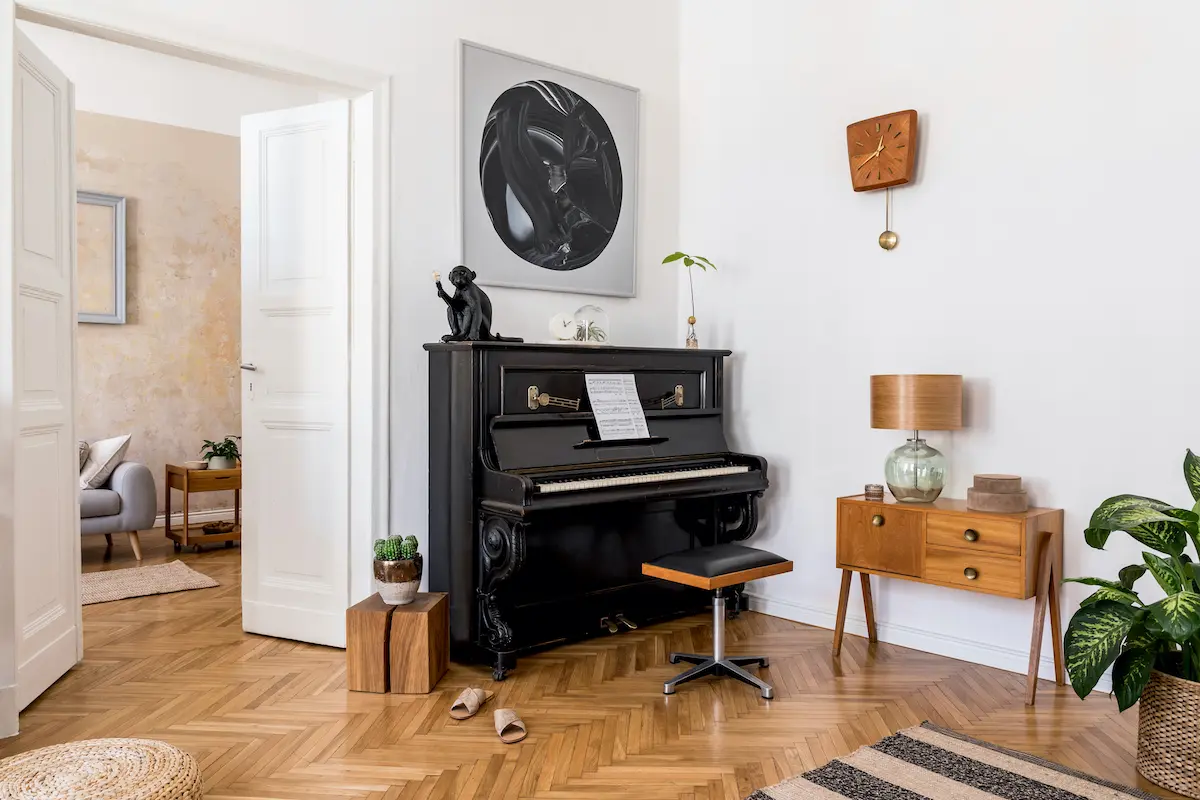
Credit: www.readysteadystore.com
Frequently Asked Questions
How Long Can I Safely Store A Piano In A Storage Unit?
You can store a piano for months or even years if you use a climate-controlled unit and check it regularly. However, the longer it stays in storage, the greater the risk of tuning issues or minor damage. Always inspect the piano and have it tuned after long-term storage.
Can I Store A Piano In A Regular Garage Or Basement?
It’s not recommended. Garages and basements often have wild changes in humidity and temperature. This can cause serious damage such as warped wood, cracked soundboards, and rusted strings. Always choose a climate-controlled storage unit for a piano.
Do I Need To Tune My Piano Before Storing It?
No, it’s better to tune the piano after you take it out of storage and it has adjusted to its new environment. Moving and changes in humidity will cause the piano to go out of tune, so tuning before storage is often wasted effort.
Should I Insure My Piano While It’s In Storage?
Yes. Even with the best preparation, accidents can happen. Many storage facilities offer insurance, or you can add the piano to your homeowner’s policy. Make sure the insurance covers the full value of your piano.
Where Can I Find More Advice About Piano Care?
Good advice is available from organizations like the Piano Technicians Guild. They offer tips on care, moving, and storage, and can help you find a qualified technician.
Storing your piano well takes planning, care, and attention to detail. By choosing the right storage unit, preparing your piano correctly, and monitoring its condition, you can avoid common problems and keep your instrument safe for years. A little effort now can save you a lot of trouble—and money—later.