
Ceramic Cookware Vs Aluminum: A Complete Guide For Home Cooks
Choosing the right cookware can change your cooking experience. With so many options, many people ask if ceramic cookware or aluminum cookware is better for daily use. Both materials are popular, but they offer different benefits, drawbacks, and uses. This article will give you a clear, in-depth comparison so you can confidently pick what’s best for your kitchen.
Whether you’re setting up your first home, upgrading your pots and pans, or just curious about the differences, you’ll find practical tips and insights here. We’ll look at cooking performance, health safety, maintenance, cost, durability, and real-world user experiences. You’ll also see data tables and answers to the most common questions about these two cookware types.
By the end, you’ll understand not just the “what” but also the “why” behind these choices—something many beginner cooks miss. Let’s get started.
What Are Ceramic And Aluminum Cookware?
Before comparing them, let’s define what ceramic cookware and aluminum cookware really are.
Ceramic Cookware
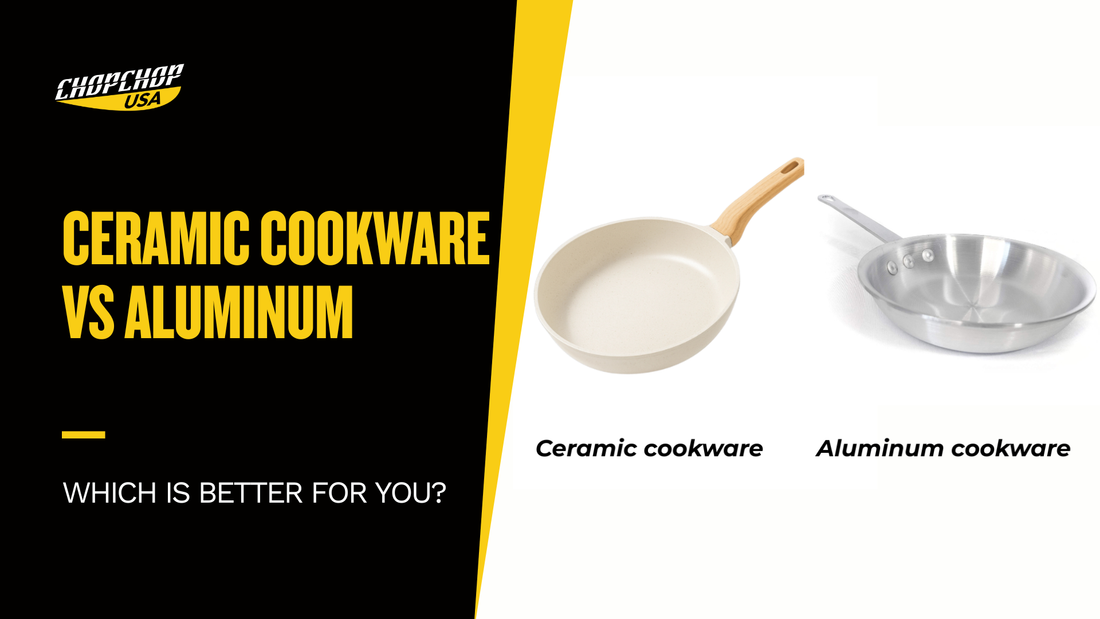
Ceramic cookware can mean two things. Sometimes, it’s 100% ceramic—made entirely from clay and baked at high temperatures. More often, it’s metal cookware (usually aluminum or steel) coated with a ceramic nonstick layer made from silica.
Ceramic-coated pans are known for their smooth, nonstick cooking surface and their ability to resist sticking without using much oil.
Aluminum Cookware
Aluminum cookware is made from lightweight metal. It’s popular because it heats up fast and evenly. You’ll find two main types:
- Plain aluminum: Sometimes called “raw” or “uncoated” aluminum.
- Anodized aluminum: Treated to make the surface harder and less reactive with food. It often has a dark, matte finish.
Some aluminum pans also have nonstick coatings, but these are usually not ceramic.
Cooking Performance: Heat, Food Results, And Versatility
How cookware performs in the kitchen is often the most important question. Let’s see how ceramic and aluminum compare.
Heat Conductivity And Response
Aluminum is famous for its high heat conductivity. It heats up quickly and spreads heat evenly. This means fewer hot spots and a lower risk of burning your food. For dishes that need fast temperature changes—like sautéing or stir-frying—aluminum pans are very responsive.
Ceramic (when made from 100% clay) heats up slowly and doesn’t spread heat as evenly. However, most “ceramic” cookware is actually aluminum with a ceramic coating. In this case, heat distribution is similar to aluminum, but a bit slower due to the coating’s insulating effect.
Nonstick Cooking
Ceramic-coated cookware has a naturally smooth, nonstick surface. Eggs, pancakes, and delicate fish are easy to flip without sticking. You can cook with less oil or butter, making meals lighter.
Aluminum pans without any coating are not nonstick. Food will stick unless you use plenty of oil. Anodized aluminum, while harder, is still not nonstick unless a separate coating is added.
Versatility
Both ceramic and aluminum pans can handle many cooking methods, including frying, sautéing, and boiling. However, ceramic-coated pans are not recommended for high-heat searing or broiling, as the coating can break down. Aluminum pans (especially anodized) can handle higher temperatures but may react with acidic foods (like tomato sauce) if uncoated.
Not obvious to beginners: Many people think ceramic pans are oven-safe at any temperature. In reality, the max safe temperature is usually 350–450°F (175–230°C), depending on the brand and handle material.
Durability And Longevity
How long will your cookware last? Let’s break down the main factors.
Ceramic Cookware Durability
Ceramic coatings are known for their nonstick power, but they don’t last forever. Over time, the coating can wear off, especially if you use metal utensils or wash in the dishwasher. Most ceramic pans last about 1–3 years with regular use.
Pure ceramic (solid clay) pots are more resistant to scratches but can crack or shatter if dropped.
Aluminum Cookware Durability
Plain aluminum is soft and can dent or warp easily. It can also discolor or pit if you cook acidic foods often.
Anodized aluminum is much tougher. The hard surface resists scratches and is less likely to react with foods. It can last many years if properly cared for.
Pro tip: Many beginners don’t know that stacking pans or using metal spatulas can quickly damage both ceramic and aluminum surfaces.
Side-by-side Durability Comparison
Here’s a quick look at how both types stand up over time:
| Factor | Ceramic-Coated | Aluminum (Anodized) |
|---|---|---|
| Scratch Resistance | Low to Medium | High |
| Warp Resistance | Medium | High (if thick) |
| Nonstick Lifespan | 1–3 years | 1–5 years (if coated) |
| Drop Resistance | Low (pure ceramic), Medium (coated) | High |
Health And Safety: What You Need To Know
Cooking safety is not just about avoiding burns. It’s also about the materials touching your food.
Ceramic Safety
Ceramic coatings are free from PTFE (Teflon) and PFOA chemicals, which makes them popular for health-conscious cooks. They don’t release toxic fumes, even at high heat (up to their max temperature).
Pure ceramic cookware is non-reactive and won’t leach metals or chemicals into your food. However, some very cheap ceramic products may contain lead or cadmium in the glaze. Reputable brands are tested and safe.
Aluminum Safety
Plain aluminum can react with acidic or salty foods, causing small amounts of aluminum to enter your meal. While studies show normal use isn’t dangerous, some people prefer to avoid this.
Anodized aluminum is sealed, so it doesn’t react with food. If your pan has a nonstick coating, check that it’s free from PTFE/PFOA for extra safety.
Hidden insight: Many home cooks don’t know that damaged nonstick or ceramic coatings (scratches or chips) can expose the metal underneath, which can affect food safety.
Health Risks And Myths
There’s a common myth that cooking with aluminum causes Alzheimer’s disease. Most scientific studies have found no direct link. For more, see this Alzheimer’s Association explanation.
Ceramic cookware is generally considered safe, but always check for certifications (like “lead-free” or “food safe”) before buying.

Credit: homeandcooksales.com
Maintenance And Cleaning
How easy is it to keep your pans looking and working like new?
Cleaning Ceramic Cookware
Ceramic pans are easy to clean—usually, a quick wipe with a soft sponge is enough. Food slides off, so you often don’t need to soak or scrub. However, dishwashers and harsh scouring pads can shorten the life of the ceramic coating.
Practical tip: To keep your ceramic nonstick coating working well, avoid cooking sprays. They can build up a sticky layer that’s hard to remove.
Cleaning Aluminum Cookware
Plain aluminum stains easily, especially after boiling water or cooking acidic foods. You can clean it with mild soap and water, but it may discolor over time.
Anodized aluminum is more resistant to stains. Most anodized pans are dishwasher safe, but hand washing is better for long life.
Common Mistakes
- Using metal utensils on nonstick or ceramic pans—this scratches the surface.
- Overheating pans—this can warp aluminum and ruin nonstick coatings.
- Stacking pans without padding—causes scratches and dents.
Cost And Value For Money
Let’s Talk About Price. Is One Type Really Better Value?
Ceramic Cookware Price
Ceramic-coated cookware is generally mid-priced. You’ll find pans for $20–$80 each, and sets for $70–$200. Pure ceramic (solid clay) is more expensive, often $100+ per piece.
Aluminum Cookware Price
Plain aluminum pans are some of the most affordable options, usually $10–$40 each. Anodized aluminum is pricier, around $30–$100 per pan, depending on brand and thickness.
What’s The Better Investment?
If you want nonstick performance at a good price and are okay with replacing pans every few years, ceramic-coated cookware is a smart buy.
If you want something that lasts longer, anodized aluminum gives better value over time, but you may need to add oil for nonstick cooking.
Cost Comparison Table
Here’s a simple price breakdown:
| Type | Average Price (per pan) | Expected Lifespan | Notes |
|---|---|---|---|
| Ceramic-Coated | $20–$80 | 1–3 years | Nonstick; gentle care needed |
| Pure Ceramic | $80–$150 | 3–10 years | Fragile if dropped |
| Plain Aluminum | $10–$40 | 2–4 years | Can react with food |
| Anodized Aluminum | $30–$100 | 4–10 years | Durable; may need oil |
Environmental Impact
Many cooks today care about the environment. How do ceramic and aluminum compare here?
Ceramic Cookware And The Environment
Ceramic cookware (especially pure clay) is made from natural materials and is generally safe to dispose of. The production process uses high temperatures, which consumes energy, but the materials are not toxic.
Ceramic coatings can wear out and flake, which creates waste. Also, these pans cannot be recycled easily due to the mixed materials.
Aluminum Cookware And The Environment
Aluminum is highly recyclable. In fact, recycled aluminum uses about 95% less energy to produce than new aluminum. If your pan has no nonstick or ceramic coating, it can be recycled at most facilities.
Anodized aluminum can also be recycled, but only if there are no plastic or non-metal parts.
Not Obvious To Beginners
- Many people throw away old pans, but you can often recycle the metal if you remove the handles.
- Some local recycling centers do not accept coated pans—check before dropping them off.
Cooking Examples: What Each Is Best For
Seeing how each type works in real recipes can help you decide.
When To Use Ceramic Cookware
- Eggs and pancakes: The nonstick surface makes flipping easy.
- Low-oil stir-fries: Great for quick, healthy meals.
- Delicate fish: Won’t stick or break apart.
- Oven dishes: Only if within the temperature limit (usually up to 400°F).
When To Use Aluminum Cookware
- Searing meat: Anodized aluminum can handle higher heat.
- Boiling pasta or vegetables: Heats water quickly and evenly.
- Making sauces: Fast temperature response helps avoid burning.
- Camping or travel: Plain aluminum is very light and easy to carry.
Credit: chopchopusa.com
Pros And Cons At A Glance
Let’s sum up the main advantages and drawbacks.
Ceramic Cookware
Pros:
- Nonstick without chemicals like PTFE/PFOA
- Needs less oil for cooking
- Easy to clean by hand
- Attractive designs and colors
Cons:
- Coating wears out in 1–3 years
- Not for high-heat cooking
- Can chip or crack if dropped
- Most are not dishwasher safe
Aluminum Cookware
Pros:
- Heats up quickly and evenly
- Lightweight and easy to handle
- Inexpensive (plain aluminum)
- Anodized version is durable and non-reactive
Cons:
- Plain aluminum can react with acidic foods
- Not naturally nonstick (unless coated)
- Can warp if overheated (thin pans)
- Some coatings may contain chemicals (check labels)
How To Choose: Key Factors
When you decide between ceramic cookware and aluminum cookware, think about these:
- Cooking style: If you make lots of eggs or delicate foods, ceramic is easier. For high-heat searing, aluminum is better.
- Maintenance: Will you hand-wash or use a dishwasher? Ceramic needs more gentle care.
- Health concerns: If you want to avoid chemicals, look for ceramic or anodized aluminum.
- Budget: Ceramic is mid-range, pure ceramic is costly, plain aluminum is cheapest, anodized is more.
- Lifespan: Anodized aluminum lasts longer; ceramic coating needs more frequent replacement.
- Weight: Aluminum pans are lighter, easier for seniors or kids to handle.
- Looks: Ceramic pans come in many bright colors, while aluminum is usually silver or black.
User Experiences And Real-world Feedback
Looking at reviews and home cook stories gives extra perspective.
Ceramic cookware is often praised for its easy nonstick surface—especially by people who cook eggs or pancakes daily. Many users say they love the look of ceramic pans and their easy cleanup. The most common complaint is that the nonstick effect fades after a year or two, even with gentle care.
Aluminum cookware earns positive reviews for value and fast heating. People who use anodized aluminum say it lasts for years with little trouble. Some users dislike how plain aluminum can stain or react with certain foods, and a few mention warping in very thin pans.
A beginner insight: Many people buy cheap ceramic pans for the nonstick feature but are surprised by how quickly the coating can degrade if overheated or used with metal utensils. Investing in a slightly pricier brand can make a difference.
Detailed Comparison Table
Here’s a clear side-by-side look at the most important features:
| Feature | Ceramic-Coated Cookware | Aluminum Cookware |
|---|---|---|
| Heat Conductivity | Medium (coated), Low (pure) | High |
| Nonstick Surface | Yes (new) | No (unless coated) |
| Durability | 1–3 years (coated) | 2–10 years (anodized) |
| Health Safety | Excellent (if certified) | Good (anodized); fair (plain) |
| Maintenance | Hand wash; gentle care | Easy (anodized); more for plain |
| Oven Safe | Yes, up to 350–450°F | Yes (check handle material) |
| Weight | Light to medium | Very light |
| Recyclable | No (if coated) | Yes (if uncoated) |

Credit: www.ubuy.mg
Which Is Better For You? Final Thoughts
There’s no single “best” cookware for everyone. Your ideal choice depends on your cooking habits, budget, and what you care about most.
Choose ceramic cookware if you:
- Want easy nonstick cooking for eggs, pancakes, and delicate foods
- Prefer chemical-free surfaces
- Don’t mind replacing pans every few years
Choose aluminum cookware if you:
- Value fast, even heating for all types of cooking
- Want something lightweight and long-lasting (especially anodized)
- Are on a tight budget (for plain aluminum)
If you can, try having one of each. Many home cooks use a ceramic pan for eggs and a sturdy aluminum pot for boiling pasta or making sauces. This mix gives you the strengths of both.
Remember, good cookware makes cooking more fun and successful—but how you care for your pans matters as much as what they’re made from.
Frequently Asked Questions
Is Ceramic Cookware Safer Than Aluminum?
Both are safe when used properly. Ceramic cookware is free from PTFE/PFOA chemicals and doesn’t react with food. Anodized aluminum is also safe and non-reactive. Plain aluminum can leach small amounts of metal into acidic foods, but normal use is not harmful for most people.
Why Does My Ceramic Pan Lose Its Nonstick Surface?
Ceramic coatings wear down with use, especially if overheated, cleaned in the dishwasher, or used with metal utensils. To keep the nonstick surface longer, use only wooden or silicone tools and hand wash gently.
Can I Use Ceramic Or Aluminum Pans On An Induction Cooktop?
Most ceramic-coated and aluminum pans are not compatible with induction cooktops unless they have a magnetic stainless steel base. Check the packaging or bottom of the pan for an induction symbol before buying.
Which Is Better For High-heat Cooking—ceramic Or Aluminum?
Aluminum cookware (especially anodized) handles high heat better and is good for searing meat or stir-frying. Ceramic-coated pans are best for low to medium heat; high heat can damage the coating.
How Do I Recycle Old Ceramic Or Aluminum Cookware?
Plain aluminum pans can often be recycled if you remove any plastic parts. Ceramic-coated or nonstick pans are usually not accepted by recycling centers due to their mixed materials. Check with your local recycling rules for details.
Choosing between ceramic and aluminum cookware doesn’t have to be confusing. With the facts in this guide, you can pick the right pans for your kitchen and cook with confidence.