
Mixing and matching bedroom furniture can turn a plain room into a beautiful, personal space. You don’t need a designer’s license or a big budget to do this well. If you ever looked at a bedroom set in a store and felt bored, you’re not alone.
Matching furniture sets can feel cold and lack character. Instead, mixing styles, finishes, and shapes creates a room that feels unique and welcoming.
But mixing and matching can also feel scary. What if the pieces clash? What if the room looks messy instead of stylish? The good news is, there are clear steps and tips you can follow. With a bit of guidance, you can create a coordinated look that reflects your taste, feels balanced, and works with your lifestyle.
Let’s explore how to mix and match bedroom furniture the right way.
Why Mix And Match Bedroom Furniture?
There are several reasons people choose to mix and match their bedroom furniture instead of buying a full set. First, it gives your room more personality. When every piece is exactly the same, the room can look flat and less interesting. Mixing different items creates visual interest and a sense of depth.
Second, you have more freedom. You don’t have to buy everything at once or from one place. If you find a great vintage dresser or a unique nightstand, you can add it to your room without worrying about an exact match.
This is especially helpful if you’re on a budget or like to hunt for bargains.
Another reason is that it’s easier to update your style over time. If you want to change the look, you don’t need to replace the whole set—just swap out a few pieces. Mixing and matching also makes it easier to blend old and new, or combine furniture you already own.
Lastly, this approach lets you solve practical problems. Need extra storage? Add a second dresser, even if it’s not part of your bed set. Want a bigger nightstand? No problem. Flexibility is a big advantage.
The Core Principles Of Mixing And Matching
Before you start shopping or rearranging, it helps to know the main rules. These principles will keep your room from feeling chaotic or thrown together.
- Balance – Make sure the room feels stable. Too much heavy furniture on one side can make it look lopsided. Spread out bulkier pieces and balance them with lighter ones.
- Unity – Even if your furniture is not the same, there should be something that ties the pieces together. This could be a color, a material, a shape, or a design detail.
- Contrast – It’s good to have differences. A mix of light and dark, modern and vintage, or different textures keeps the room interesting. But don’t overdo it.
- Scale – Furniture should fit the size of your room and work together. Don’t put a tiny nightstand next to a huge bed, or a large dresser in a small corner.
- Function – Every piece should serve a purpose. Don’t keep something that doesn’t fit your needs, just because it matches.
Many beginners miss the importance of scale. For example, pairing a heavy, tall headboard with tiny, low nightstands looks awkward. Another easy-to-miss detail is unity through repetition—using the same color, metal finish, or shape in several places can tie everything together, even if the pieces are very different.

Credit: marissacalhome.com
Decide Your Main Piece First
Every bedroom has a focal point. Usually, this is the bed. It’s the biggest piece and sets the mood for the whole room. Start with your bed, and let that choice guide everything else.
If you already have a bed you love, use its style, color, and material as your starting point. For example, a modern upholstered bed calls for different companions than a rustic wooden one. If you’re buying a new bed, think about what look you want—cozy, elegant, casual, or bold.
Once you know your main piece, it’s easier to choose items that will complement it. The goal is not to match perfectly, but to coordinate.
Choose A Color Palette
Color is one of the fastest ways to create unity in a mixed furniture room. Pick two or three main colors for your space. This doesn’t mean all your furniture must be the same color, but the colors should work well together.
A simple palette often works best. For example, you might choose:
- White, gray, and navy
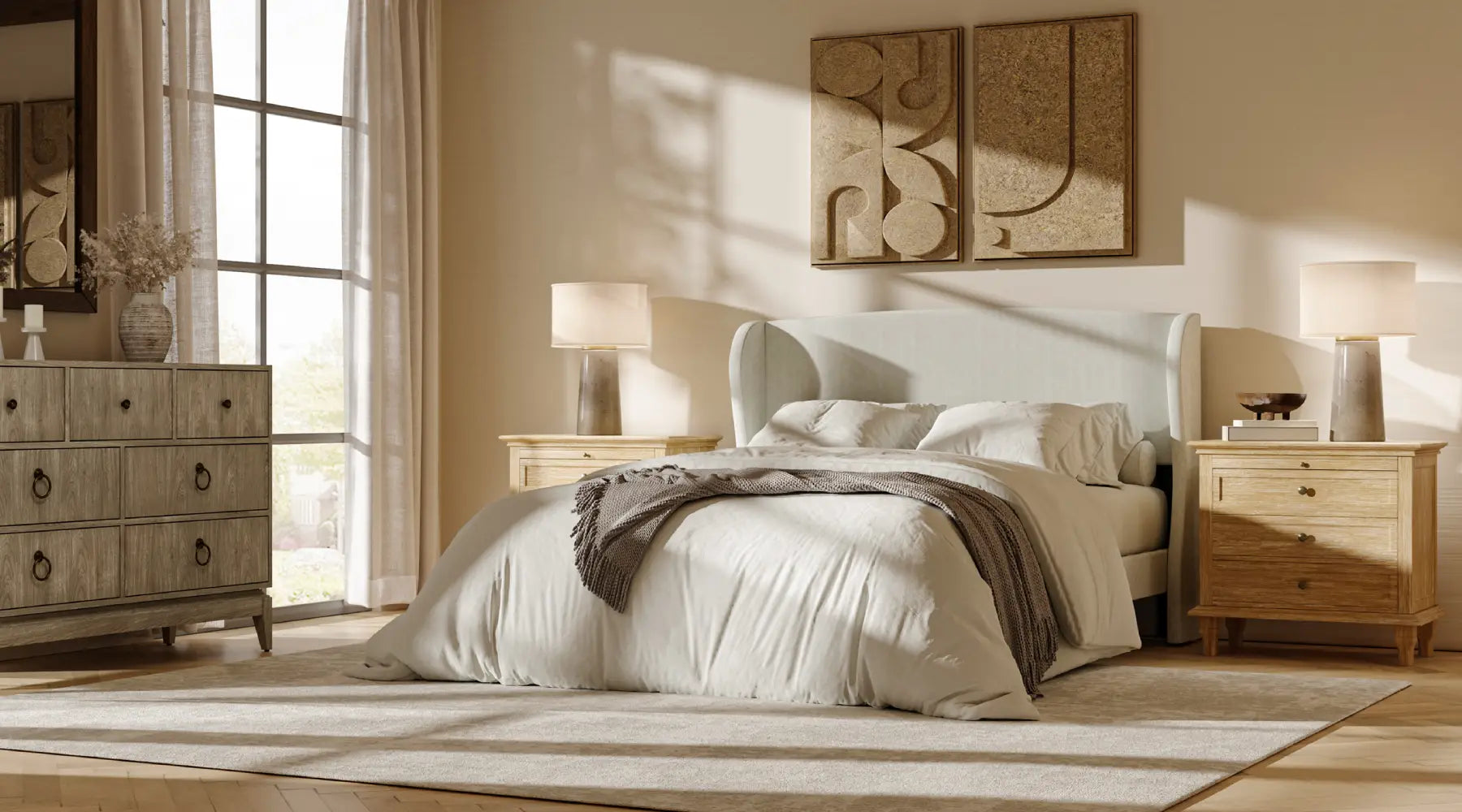
- Warm wood tones, cream, and sage green
- Black, natural wood, and blush pink
Once you have your palette, use it across your furniture, walls, bedding, and decor. You can repeat colors in small ways, like a lamp base or picture frame, to pull the look together.
How To Pick Your Palette
If you’re not sure where to start, look at your bed first. If it’s a bold color, use that as one of your palette colors. If it’s neutral, you have more options. Another way is to use the biggest item in the room (like a rug or curtains) as inspiration.
Remember, you don’t need to match paint swatches exactly. Different shades of the same color add depth and make the room feel more natural.
Example Color Combinations
Here’s a comparison of three common bedroom color palettes and the feelings they create:
| Palette | Main Colors | Room Mood |
|---|---|---|
| Modern Calm | Gray, White, Navy | Cool, Fresh, Relaxing |
| Warm Retreat | Walnut, Cream, Olive Green | Cozy, Inviting, Natural |
| Bold Contrast | Black, Light Oak, Blush Pink | Dynamic, Trendy, Stylish |
Credit: hulalahome.com
Combine Different Styles
Mixing furniture styles is one of the best ways to add character. You might pair a modern bed with vintage nightstands or a rustic dresser with a sleek metal lamp. The trick is to find a common thread that links the pieces.
How To Mix Styles Without Clashing
- Pick one style as your main look (for example, modern).
- Add one or two pieces from a different style (such as traditional or industrial).
- Use color or finish to tie them together.
- Repeat small details (like metal legs or carved edges) in more than one place.
For example, a room with a mid-century modern bed, vintage wooden dresser, and industrial metal lamp can look great if you use the same wood tone or black metal in two or three pieces.
Popular Style Pairings
Some style combinations work especially well:
- Modern + Rustic: Sleek lines with natural wood
- Traditional + Contemporary: Ornate curves with simple shapes
- Industrial + Farmhouse: Metal accents with distressed wood
A mistake beginners often make is using too many styles at once. Stick to two, maybe three, to keep things harmonious.
Mix Furniture Finishes
Furniture finishes can mean wood stains, paint colors, or metal types. Mixing them adds depth and keeps the room from feeling flat. But there’s a right way to do it.
Tips For Mixing Finishes
- Limit your palette: Stick to two or three main finishes.
- Repeat each finish: Use each finish in more than one place for balance.
- Contrast wisely: Pair light with dark, or matte with shiny, but not all at once.
- Coordinate undertones: Cool (gray, blue) and warm (yellow, red) undertones can clash if not chosen carefully.
For example, you might have a walnut bed, black metal nightstands, and a white dresser. If you use black in your lamp and white in your bedding, the room feels connected.
Wood Finish Comparison
To help you see how wood finishes affect a room, here’s a quick guide:
| Finish | Best For | Room Effect |
|---|---|---|
| Light Oak | Small or dark rooms | Bright, Open, Airy |
| Walnut | Large bedrooms | Rich, Warm, Cozy |
| Black Stain | Modern, bold looks | Dramatic, Sophisticated |
| Painted White | Any size or style | Clean, Fresh, Versatile |
A common mistake is mixing wood tones with very different undertones—like orange cherry and gray-wash. This can look busy and less harmonious. Try to keep undertones similar, or separate very different woods with a neutral piece.
Coordinate Furniture Shapes And Sizes
Shape is often overlooked, but it’s important. Try to use a variety of shapes for interest, but repeat some shapes for unity.
For example, if your bed has rounded corners, using a round mirror or lampshade can echo that shape. If your dresser is very boxy, balance it with a curved chair or side table.
When it comes to size, aim for proportion. Nightstands should be about the same height as your mattress. Dressers should not be much taller than the bed’s headboard.
Practical Sizing Guide
Here’s a quick comparison to help with scale:
| Furniture | Standard Height (inches) | Best Placement |
|---|---|---|
| Nightstand | 24-28 | Beside bed, close to mattress height |
| Dresser | 30-36 | Wall opposite or next to bed |
| Bench | 16-20 | At foot of bed |
| Accent Chair | 30-40 | Corner or reading nook |
If you find a piece you love that doesn’t fit the standard size, you can sometimes make it work by adjusting nearby items. For example, a short nightstand can be paired with a tall lamp.
Layer Textures And Materials
Texture adds another layer of interest, especially in a room with mixed furniture. Combine smooth and rough, shiny and matte, soft and hard surfaces.
Ways to add texture:
- Use a mix of wood, metal, glass, and fabric.
- Add a soft rug or upholstered bench near wood furniture.
- Use woven baskets, velvet pillows, or a chunky knit throw.
Be careful not to go overboard. Too many rough or shiny items can feel busy or uncomfortable. Try to repeat each texture in two or three places for balance.
Smart Ways To Shop For Mixed Furniture
Mixing and matching is easier when you shop smart. Here’s how to make good choices:
- Start with what you have. Before buying anything, see if you can use pieces you already own. Sometimes, repainting or changing hardware is enough.
- Shop in stages. Buy one piece at a time, starting with the biggest (usually the bed). This way, you can see what works and what’s missing.
- Use online tools. Many websites let you create mood boards or room planners. This helps you see how different items look together before you buy.
- Visit thrift stores and vintage shops. These places are full of unique finds that can add personality to your room.
- Check return policies. If you’re unsure, choose stores with easy returns in case something doesn’t work.
Don’t rush the process. The best mixed rooms often come together over time.
Common Mistakes When Mixing Bedroom Furniture
Even with the best intentions, people often make simple mistakes. Here are some to avoid:
- Too many different finishes: Stick to a maximum of three.
- Ignoring scale: Don’t mix tiny and huge pieces.
- Matching everything except one item: This can make the odd piece look out of place.
- No unifying element: Always repeat a color, finish, or shape.
- Clutter: Too many small pieces can make the room feel messy.
Remember, every piece should have a reason to be in the room.
How To Add Character With Accessories
Furniture is just the start. Accessories like lamps, mirrors, art, and bedding help finish the look and tie everything together.
- Use art or a large mirror as a focal point above the bed or dresser.
- Repeat colors from your palette in pillows, throws, or lampshades.
- Use matching or coordinated lamps on each side of the bed for balance.
- Add greenery with plants for a fresh touch.
Accessories can be changed easily if you want to update your look later.
Examples Of Mix And Match Bedroom Setups
Seeing examples can make it easier to understand how to mix and match.
Example 1: Modern + Rustic
- Platform bed with gray upholstery
- Reclaimed wood nightstands
- Black metal dresser with clean lines
- White linen bedding
- Black and wood lamp
Here, the black metal repeats in both the lamp and dresser. The wood nightstands add warmth.
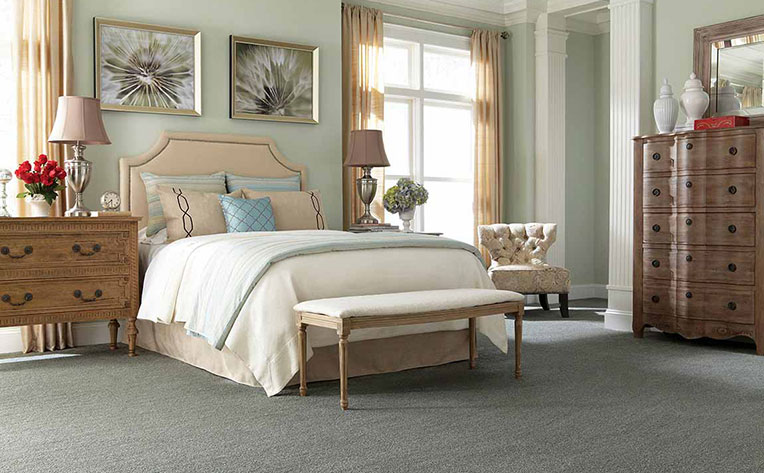
Example 2: Vintage + Contemporary
- Antique wooden bed frame
- Simple white-painted dresser
- Mid-century style nightstands
- Brass mirror above the dresser
- Patterned rug for color
Brass is repeated in the mirror and drawer pulls, tying vintage and new together.
Example 3: Minimalist + Boho
- Low, white platform bed
- Rattan side tables
- Wood dresser painted sage green
- Woven wall hanging
- Lots of plants
Natural materials (rattan, wood, plants) create unity, while colors stay soft and calm.
Credit: www.flooringamerica.com
Storage Solutions That Blend In
A practical bedroom needs storage, but storage pieces don’t have to be boring. Mix storage types for both function and style:
- Use a dresser that contrasts with your bed for added interest.
- Put baskets under a bench or in open shelves for hidden storage.
- Try a wardrobe in a bold color as a statement piece.
If you need a lot of storage, make sure at least one detail (color, hardware, shape) is repeated elsewhere in the room.
Updating Old Furniture To Match
If you already have furniture but it doesn’t match, try these tricks:
- Paint: One of the easiest ways to unify different pieces. Use the same color, or different shades from your palette.
- Change hardware: Swap out knobs or handles for a matching look.
- Add removable wallpaper or decals: Great for drawer fronts or the back of a bookshelf.
- Stain wood: Make two different woods look more alike with stain.
These small changes can make a big difference and save money.
Sustainable Mixing And Matching
Sustainability matters more than ever. Mixing and matching is eco-friendly because you can reuse, upcycle, or buy secondhand. Look for quality used pieces—they often last longer than new, cheap furniture.
Also, consider materials. Solid wood, metal, and natural fibers are more sustainable than plastic or particleboard. If you buy new, check for certifications like FSC (Forest Stewardship Council).
For more ideas on sustainable furniture, visit the EPA’s Sustainable Materials Management page.
When To Break The Rules
Sometimes, rules are meant to be broken. If you love two pieces that don’t seem to match, try them together. Add a unifying element—like matching lamps or art—to bridge the gap.
Personal style is more important than any design “law. ” The best rooms feel like home to you.
Frequently Asked Questions
How Many Wood Finishes Can I Use In One Bedroom?
It’s best to use no more than three different wood finishes in a bedroom. This keeps the room from looking too busy. Try to repeat each finish in more than one place, and keep undertones (warm or cool) similar for a harmonious look.
Can I Mix Metal Finishes Like Gold And Silver?
Yes, you can mix metal finishes, but do it with care. Use one metal as the main finish (for example, brass) and another as an accent (like black or chrome). Repeat each finish at least twice in the room, such as in lamps, picture frames, or drawer pulls.
Should My Nightstands Match My Bed?
Nightstands do not have to match your bed. In fact, using different nightstands can add character. Aim for nightstands that are a similar height to your mattress and share a color, shape, or material with another piece in the room for unity.
What’s The Best Way To Tie Different Furniture Together?
The easiest ways to create unity are through color, shape, and material. Repeat one or two elements across your furniture and decor. For example, use the same metal in lamps and drawer pulls, or echo a shape (like curves) in several places.
Is Mixing And Matching Furniture A Trend Or A Timeless Look?
While mixing and matching is currently popular, it’s also timeless. The best interiors often come from blending different styles and eras. As long as the room feels balanced and personal, it will never go out of style.
Mixing and matching bedroom furniture is not just about style—it’s about making your space truly yours. Take your time, enjoy the process, and remember: the most beautiful rooms are those that reflect the people who live in them.