
Removing a plaster ceiling is a big job, but sometimes it’s the best way to fix water damage, update your home, or repair old cracks. Many homes—especially those built before 1950—have plaster ceilings. Over time, these can become cracked, saggy, or stained.
If you want to renovate, upgrade to modern drywall, or deal with hidden issues like mold, you may need to take the old plaster down.
But taking down a plaster ceiling is not as simple as just knocking it off. It’s dusty, heavy, and messy. If you don’t plan carefully, you can damage your home or even hurt yourself. In this guide, you’ll learn every step of the process, from preparing your room to cleaning up.
We’ll look at the tools you need, the safest way to work, and even tips that most first-timers miss. Whether you want to do it yourself or just understand the process before hiring someone, you’ll find everything you need to know right here.
Why Remove A Plaster Ceiling?
There are several reasons why people choose to remove plaster ceilings:
- Severe cracks or sagging: Plaster can crack, bulge, or fall off if the structure moves or if it gets wet.
- Hidden damage: Water leaks and mold are often hidden behind old plaster.
- Modern upgrades: New lighting, insulation, or ceiling fans are easier to install with drywall.
- Renovation: If you want a smooth, modern look, drywall is usually preferred.
Sometimes, small repairs are enough. But when the damage is too big or you want a major upgrade, removing the entire ceiling is the best option.
Is Plaster Ceiling Removal Right For You?
Before starting, consider these points:
- Is your home older than 1978? If yes, there’s a chance your plaster or paint contains lead or asbestos, which are hazardous. You should get a professional test before doing anything.
- Structural issues: If you see large cracks, sagging, or water stains, the damage might go beyond the plaster.
- Budget and time: Removing plaster is labor-intensive and messy. It can take a full day or more for a single room.
- Skill level: This is a job for strong DIYers. If you’re not comfortable with heavy tools or hard work, hiring a pro is better.
Tools And Materials Needed
Having the right tools is key to a safe and successful project. Here’s what you’ll need:
- Protective gear: Dust mask (N95 or better), safety goggles, gloves, long-sleeved shirt, durable pants, and a hard hat.
- Dust barriers: Plastic sheeting and painter’s tape to seal off the room.
- Drop cloths: To protect floors and catch falling debris.
- Pry bar and crowbar: For pulling off plaster and lath.
- Hammer: For breaking plaster and removing nails.
- Utility knife: To score plaster or cut through mesh.
- Screwdriver: For removing fixtures and outlet covers.
- Step ladder: For safe access to the ceiling.
- Buckets or trash bins: For debris collection.
- Shop vacuum: For cleaning up dust and small debris.
- Heavy-duty garbage bags: For plaster chunks and lath strips.
- Wheelbarrow (optional): For moving debris outside.
Some people use power tools like a reciprocating saw or oscillating tool, but hand tools are often safer for beginners.
Preparing The Room
Preparation is the first step—and it’s where many beginners make mistakes. Plaster removal creates a huge amount of dust and debris. If you don’t seal the area, dust will spread through your entire home.
- Clear the room: Remove all furniture, curtains, rugs, and anything you don’t want covered in dust.
- Cover floors and vents: Lay down drop cloths to protect the floor. Tape plastic over air vents to prevent dust from entering your HVAC system.
- Seal off doors and windows: Use plastic sheeting and painter’s tape to close off all openings.
- Turn off power: If you have ceiling lights or fans, turn off the power at the breaker box. Remove fixtures carefully.
- Remove fragile items: Take down light fixtures, smoke detectors, or anything attached to the ceiling.
Pro tip: Many people forget to tape over the gap under doors, which lets dust escape. Slide a towel under the door or tape plastic over the bottom for a better seal.

Credit: www.youtube.com
Safety First: Protecting Yourself And Your Home
Plaster ceilings are heavy, and old plaster can contain dangerous materials. Here’s how to stay safe:
- Test for lead and asbestos: If your house was built before 1978, send a sample to a certified lab or hire a professional to check. Disturbing these materials without proper safety gear can be dangerous.
- Wear a respirator: Simple dust masks aren’t enough for old plaster dust. Use an N95 mask or better.
- Protect your eyes: Wear safety goggles at all times.
- Use gloves: Plaster and lath can create sharp edges.
- Work in pairs if possible: Pieces of plaster can be heavy and unpredictable.
- Watch for electrical wires: Old homes often have outdated wiring hidden behind plaster. Never use power tools near wires unless you know the area is safe.
Understanding How Plaster Ceilings Are Built
It helps to know what you’re working with before you start. Most traditional plaster ceilings are made with these layers:
- Wood lath: Thin wooden strips nailed across the ceiling joists.
- Plaster base coat: A thick, rough layer pushed into the lath for grip.
- Finish coat: A thin, smooth layer of plaster on top.
Some newer ceilings use metal lath instead of wood, but the removal process is similar.
Here’s a simple comparison of plaster and drywall ceilings:
| Feature | Plaster Ceiling | Drywall Ceiling |
|---|---|---|
| Weight | Heavier (up to 10 lbs/sq ft) | Lighter (2-3 lbs/sq ft) |
| Soundproofing | Better | Average |
| Fire Resistance | High | Good |
| Repair Difficulty | Hard | Easy |
| Installation Time | Longer | Faster |
Step-by-step Guide To Removing Plaster Ceiling
Let’s go through each stage in detail.
1. Removing Fixtures And Accessories
Start by taking down all light fixtures, fans, smoke detectors, and anything else attached to the ceiling. Unscrew outlet covers and tape over the electrical boxes to protect them from debris.
Tip: Take photos of the wiring before disconnecting anything. This will make reinstallation easier later.
2. Scoring The Plaster
Use a utility knife to score along the edges of the ceiling, where it meets the walls. This helps prevent chunks of plaster from tearing wall material as you work.
- Cut a line about 1-2 inches from the wall.
- If your ceiling has crown molding, remove it carefully first.
3. Breaking The First Hole
Choose a spot away from electrical fixtures or wires. Use a hammer to break a small hole in the plaster, exposing the wood or metal lath underneath. The first hole is always the hardest.
Insider insight: Many beginners start in the middle of the ceiling, but starting near a corner can give you better leverage and minimize dust clouds.
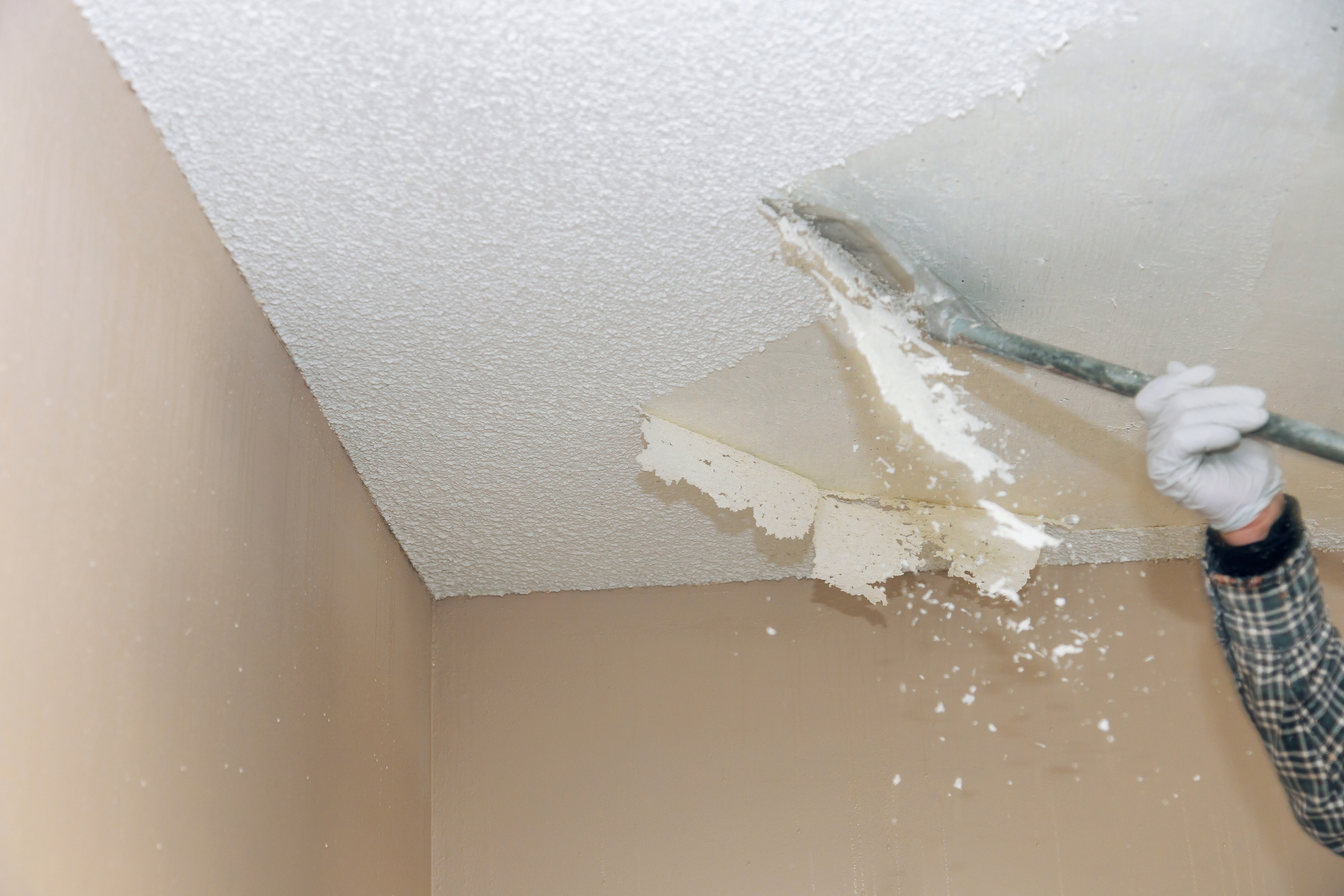
4. Removing Large Sections Of Plaster
Once you have an opening, insert a pry bar under the plaster and gently pull downward. Try to remove large chunks instead of tiny pieces. This is less dusty and faster.
- Use the hammer to break up stubborn areas.
- If the plaster is still bonded tightly, tap the pry bar with the hammer to wedge it between the layers.
5. Taking Down The Lath
After removing the plaster, you’ll see rows of wood or metal lath. These are nailed to the ceiling joists.
- Use the pry bar to lift each strip from the joists.
- Place lath strips directly into trash bins or a wheelbarrow.
- Watch for old nails—these can be sharp and rusty.
Advanced tip: If you plan to hang drywall later, try to keep the joists as clean and undamaged as possible. Avoid prying too hard or splitting the wood.
6. Bagging And Removing Debris
Plaster is heavy. Even a small ceiling can produce several hundred pounds of debris. Use heavy-duty contractor bags for plaster and lath.
- Fill each bag only halfway; they get heavy fast.
- Use a shop vacuum to clean up dust and small pieces.
- Carry bags outside promptly—don’t let them pile up.
Here’s an idea of how much debris you might expect:
| Room Size (sq ft) | Estimated Debris Weight (lbs) | Number of 42-gal Bags |
|---|---|---|
| 100 | 800 – 1,000 | 15 – 20 |
| 200 | 1,600 – 2,000 | 30 – 40 |
| 300 | 2,400 – 3,000 | 45 – 60 |
Note: Some cities have rules about disposing of construction debris. Check with your local waste service or rent a small dumpster if needed.
7. Cleaning Up The Space
After all plaster and lath are down, clean the room thoroughly:
- Use a shop vacuum on every surface, including joists and wall tops.
- Wipe down walls and floors with a damp cloth to trap leftover dust.
- Remove all plastic sheeting and tape.
- Inspect for any stray nails or sharp bits.
What Happens Next? Preparing For A New Ceiling
Once the old plaster is gone, you have a few choices:
- Install new drywall: The most common and modern option.
- Leave joists exposed: For an industrial look (not common in most homes).
- Upgrade insulation: With the ceiling open, it’s a great chance to add or replace insulation.
- Update wiring or plumbing: This is the best time to run new wires, add recessed lighting, or repair pipes.
Pro tip: Even if you don’t plan to renovate right away, check for signs of rot, mold, or insect damage before closing the ceiling up again.
Common Mistakes (and How To Avoid Them)
Many first-timers make these errors:
- Not sealing the room properly: Dust will travel everywhere if the room isn’t closed off.
- Underestimating debris weight: Plaster is much heavier than drywall. Overloading bags can cause injuries.
- Skipping safety gear: Plaster dust is irritating and may contain dangerous particles.
- Damaging joists: Overly aggressive prying can split or weaken ceiling joists, making drywall installation harder.
- Ignoring hidden hazards: Old wires, pipes, or even hornet nests can be found above plaster. Always check before swinging your hammer.
- Not planning disposal: Many areas don’t allow plaster or lath in regular trash pickups. Arrange disposal ahead of time.
Tips From The Pros
- Wet down the plaster: Lightly spraying the ceiling with water can help reduce dust. Don’t soak it, just dampen the surface.
- Use a fan with a filter: Place a box fan in a window with a furnace filter attached to help pull dust out of the room.
- Work in sections: Don’t try to take down the entire ceiling at once. Working in smaller areas helps control mess and makes it safer.
- Take breaks: Removing a plaster ceiling is physically demanding. Plan for frequent breaks and stay hydrated.
Cost Of Removing A Plaster Ceiling
The cost depends on whether you do it yourself or hire a contractor. Here’s a basic breakdown:
- DIY: Most costs are for tools, disposal bags, and dumpster rental. Expect to spend $200–$500 for a mid-sized room.
- Professional removal: Hiring a contractor can cost $2–$4 per square foot. A 200-square-foot ceiling could cost $400–$800 or more, especially if hazardous materials are found.
Here’s a comparison of DIY vs. professional removal:
| Factor | DIY | Professional |
|---|---|---|
| Cost | Low to moderate | High |
| Safety | Depends on you | Experts handle hazards |
| Time | Slower | Faster |
| Cleanup | Your responsibility | Often included |
| Quality | Varies | Professional finish |
When To Hire A Professional
Some situations call for expert help:
- Hazardous materials: If lead or asbestos is found, you need certified removal.
- Large or high ceilings: Two-story rooms or ceilings over 10 feet high are riskier.
- Structural damage: Sagging joists, rot, or major water damage need a contractor.
- If you’re unsure: When in doubt, a professional can give advice or do the work safely.
To find a reliable contractor, ask for references, check reviews, and verify licensing. Don’t accept the lowest bid without checking credentials.
Environmental And Health Considerations
Plaster debris cannot always be dumped with regular household waste. Some recycling centers accept clean plaster, but wood lath and plaster mixed with paint or wire may need special handling.
- Lead and asbestos: These must be handled by licensed abatement companies. Never try to remove them yourself.
- Dust control: Use air purifiers and ventilate the room after cleanup.
- Disposal fees: Some dumps charge extra for construction debris.
For more on environmental rules, check the EPA’s guidelines on lead and asbestos safety at EPA Lead Information.
Real-world Example: What To Expect
Let’s say you have a 12×15-foot room (180 sq ft) with a standard 8-foot ceiling. Here’s how the project might go:
- Preparation: 1–2 hours (clearing the room, sealing doors, taping vents)
- Plaster removal: 3–6 hours (depends on help and plaster condition)
- Lath removal: 2–3 hours
- Cleanup: 1–2 hours
- Disposal: Multiple trips to the dump or a rented dumpster
Total project time: 8–13 hours (one long day or a weekend)
Debris Produced: About 1,500–1,800 Pounds (20–25 Large Bags)
Two Insights Most Beginners Miss
- Preserving ceiling joists matters: If you damage the ceiling joists during removal, it makes drywall installation harder and may require extra repairs. Pry gently and use the right size tools.
- Plaster dust lingers: Even after you think you’ve cleaned everything, fine dust can settle for days. Use a HEPA vacuum and consider changing HVAC filters after the job.
Frequently Asked Questions

Credit: www.kezzabeth.co.uk
What Is The Best Way To Remove A Plaster Ceiling?
The safest and most effective way is to seal off the room, wear protective gear, and use hand tools like a pry bar and hammer. Remove fixtures, score the edges, break a starting hole, and work in sections. Always keep dust and debris under control.
Is It Safe To Remove Plaster Myself?
It can be safe if you follow all precautions, especially testing for lead and asbestos first. Wear a respirator, goggles, and gloves. If you’re unsure or find hazardous materials, hire a professional.
How Do I Dispose Of Plaster Ceiling Debris?
Use heavy-duty bags and avoid overfilling. Many cities require construction debris to be taken to a landfill or recycling center. Check with your local waste authority before starting.
Can I Put Drywall Directly Over Old Plaster?
Yes, in some cases you can attach drywall over intact plaster. However, if the plaster is badly damaged, removing it first is usually better for a smooth, safe finish.
Credit: www.homesandgardens.com
How Much Does It Cost To Remove A Plaster Ceiling?
DIY costs range from $200–$500 for tools and disposal. Professional removal costs $2–$4 per square foot. The total cost depends on room size, ceiling height, and any hazardous materials found.
Taking down a plaster ceiling is a tough job, but it’s also a chance to improve your home’s comfort, safety, and style. With careful planning, the right tools, and a focus on safety, you can handle this project confidently. If you ever feel uncertain, remember there are experts ready to help—and your home will be better for the effort you put in.