
Moving furniture on hardwood floors can make even the most confident homeowner pause. The fear of scratches, dents, or scuffed finishes is real. Hardwood floors are an investment, and every mark seems to tell a story—sometimes one you’d rather not have.
But moving furniture doesn’t have to mean risking your floors. With the right strategies, tools, and knowledge, you can keep your hardwood pristine, whether you’re redecorating a single room or handling a whole-house move.
This article explains how to move furniture on hardwood floors safely, efficiently, and without stress. Whether you’re a do-it-yourself enthusiast or just someone who wants to avoid expensive repairs, you’ll find practical advice here. You’ll also discover common mistakes people make, get tips on what to do before and after moving, and learn about products and tools that really help.
By the end, you’ll know how to protect your floors, your back, and your furniture.
Why Hardwood Floors Need Special Care
Hardwood floors are loved for their beauty, warmth, and durability. But their surface is more delicate than many people realize. Even “hard” woods can be scratched by grit, heavy loads, or the wrong type of movement.
Dragging a sofa or table creates friction. The finish can be scuffed, or worse, the wood itself can be gouged. Unlike carpets or tile, hardwood doesn’t “bounce back. ” Marks, once made, often require sanding or refinishing to repair. Even tiny dents can collect dust and moisture, leading to bigger problems over time.
It’s not just about aesthetics. Scratches and dents can lower your home’s value and shorten the floor’s lifespan. According to the National Wood Flooring Association, regular maintenance and protection can extend a floor’s life by up to 50%. That’s a lot of years saved by simply moving furniture the right way.
Preparing For The Move
Before you start shifting anything, a little preparation goes a long way. Proper planning prevents accidental damage—not only to your floors but also to your walls, doors, and the furniture itself.
Clear The Path
Make sure there’s a clear path from where the furniture is to where it needs to go. Remove rugs, small tables, and anything else that could cause you to trip or bump. Check for floor vents, thresholds, and cords.
Clean The Floors
Tiny bits of dirt, grit, or sand can act like sandpaper under heavy furniture. Always vacuum or sweep the floor before moving anything. Mop if needed, but let the floor dry fully—wet floors are slippery and more easily damaged.
Measure Doorways And Furniture
It’s easy to forget, but not every piece of furniture fits through every door. Measure both the furniture and the doorways. This prevents the common mistake of getting stuck and having to drag or twist furniture at odd angles, which is bad news for hardwood.
Remove What You Can
Take out drawers, shelves, or cushions. Detach legs if possible. Lighter furniture is easier to move and less likely to scratch or dent the floor.
Choosing The Right Tools And Materials
Moving furniture safely is much easier with the right equipment. Not all tools are created equal, and some are simply not safe for hardwood floors.
Furniture Sliders
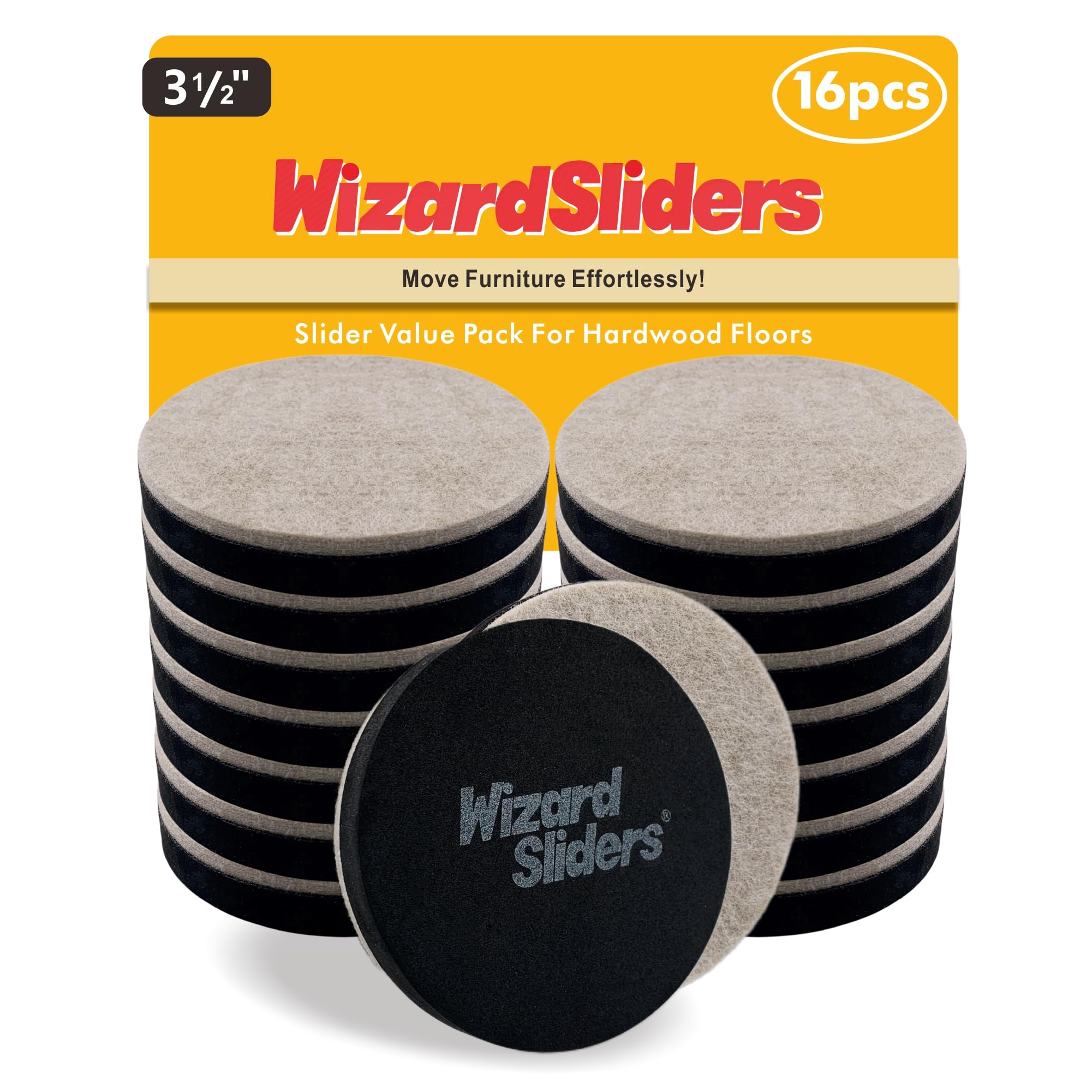
Furniture sliders are a must-have. These are flat pads made of soft materials like felt or rubber. Place them under the legs or corners of your furniture. They reduce friction and spread weight, making even heavy items easy to glide across the floor.
| Slider Type | Best For | Pros | Cons |
|---|---|---|---|
| Felt Sliders | Hardwood, laminate | Gentle, reusable | Can collect debris |
| Plastic Sliders | Carpeted floors | Durable, inexpensive | May scratch hardwood |
| Rubber Sliders | Tile, delicate floors | Good grip, protects finish | Not as smooth on wood |
Non-obvious insight: Never use plastic sliders directly on hardwood. They can leave marks or scratches, especially if grit gets between the slider and the floor.
Moving Blankets And Towels
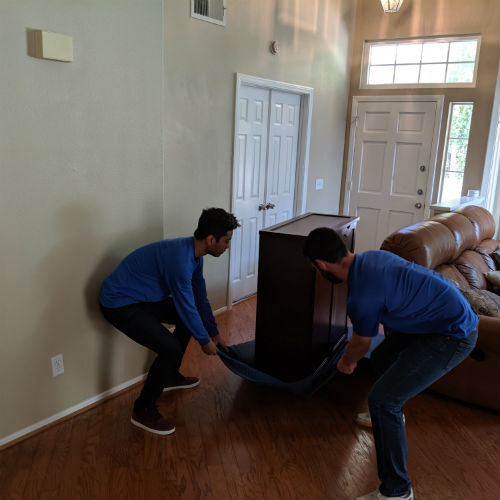
For larger items, thick moving blankets or old towels can be placed under the furniture. This not only cushions the load but also allows you to “slide” items across the floor without direct contact.
Lifting Straps
Lifting straps help you and a partner lift heavy furniture with less strain on your back. They also keep the furniture elevated off the floor, reducing risk to the wood.
Dollies And Hand Trucks
If you need to move something especially heavy, a furniture dolly (a flat platform on wheels) can be a lifesaver. Make sure the wheels are clean, smooth, and designed for indoor use. Rubber wheels are best for hardwood. Avoid metal wheels, which can dent and scratch.
Tape And Cardboard
For temporary protection, you can lay down sheets of cardboard or secure a path with painter’s tape and old sheets. Be sure the tape won’t leave residue, and don’t use duct tape, as it can damage the floor’s finish.
How To Move Furniture Without Scratching Hardwood Floors
With your path cleared and tools ready, it’s time to move. The technique is as important as the tools.
Lift, Don’t Drag
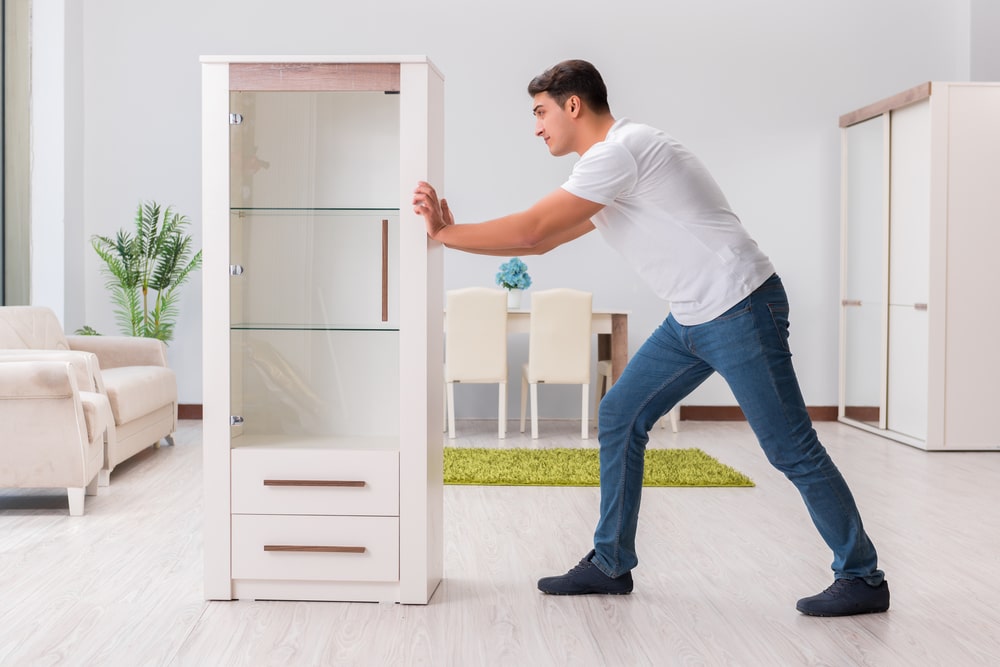
Whenever possible, lift the furniture instead of dragging it. Even with sliders, lifting is safer for the floor.
If you can’t lift, always use sliders or blankets. Never push bare furniture legs across the floor.
Move Slowly And Carefully
Rushing is a common mistake. Move slowly and check your progress often. If you feel resistance or hear a scraping noise, stop and check for debris.
Use Sliders Correctly
Place sliders under every contact point. For large items, like a couch, you might need help to tilt and fit the sliders underneath. Make sure all legs or corners are supported evenly.
Slide, Don’t Twist
If you need to turn the furniture, slide it in a straight line first, then reposition the sliders to change direction. Twisting in place is more likely to scratch the floor.
Protect High-traffic Areas
If you’re moving a lot of furniture, cover the whole route with blankets, cardboard, or sheets. This is especially important near entryways or narrow halls, where you might pivot or adjust your grip.
Watch Your Feet And The Floor
It’s easy to focus on the furniture and forget about your own shoes. Make sure your shoes are clean and soft-soled. Grit stuck in shoe treads can scratch wood just as easily as furniture.
Dealing With Obstacles
If you hit a bump or threshold, don’t force the furniture over it. Lift and place it gently on the other side, or adjust your path.
Non-obvious insight: Even a small pebble stuck under a slider can leave a long scratch. After moving each piece, check the path for debris before moving the next item.
Special Cases: Moving Heavy Or Irregular-shaped Furniture
Not all furniture is a simple rectangle. Pianos, large wardrobes, and sectionals require extra care.
Moving A Piano
Pianos are extremely heavy and have uneven weight. Use specialized piano dollies with large, rubber wheels. Always have at least three people. Never try to roll a piano on its own legs—they can break and damage both the instrument and the floor.
Sectional Sofas
Disassemble if possible. Move one piece at a time, using sliders on each section. Reassemble only after all pieces are in place.
Large Wardrobes Or Bookcases
Empty them first. If they cannot be lifted, use a combination of sliders and moving blankets. For tall items, keep them upright to prevent tipping and sudden floor impact.
Appliances
Refrigerators and washing machines are very heavy. Use appliance dollies with soft, wide wheels. Lay down a path of plywood or hardboard to spread the weight.
After The Move: Checking And Caring For Your Floors
Once your furniture is in its new spot, your job isn’t quite done. Take a few steps to make sure your floors stay beautiful.
Inspect For Damage
Look for any new scratches, dents, or marks. The sooner you spot these, the easier they are to fix. Minor scratches can often be buffed out with a wood floor cleaner or repair kit.
Clean Up
Sweep or vacuum any debris created during the move. Grit left behind can still cause damage as you walk around.
Reapply Floor Protectors
For furniture that will stay in place, add felt pads to the feet. These protect the floor from everyday movement.
Adjust And Level Furniture
Uneven furniture can rock or shift, causing long-term wear on the floor. Use pads or shims to keep everything stable.
Restore The Finish
If the finish seems dull or marked, use a cleaner or polish recommended by your floor manufacturer. Don’t use wax on polyurethane finishes—it can make future repairs harder.
Credit: esbflooring.com
Common Mistakes To Avoid
Most damage to hardwood floors happens because of common, avoidable errors. Here’s what you should not do:
- Dragging furniture without protection. Even a short drag can leave a lasting mark.
- Using the wrong sliders. Plastic sliders and hard wheels can scratch floors.
- Forgetting to clean. Grit on the floor acts like sandpaper.
- Moving too fast. Rushing increases the risk of accidents.
- Ignoring doorways and corners. Tight spots are where most scratches and dents happen.
- Using tape that damages finish. Only use painter’s tape for temporary protection.
- Not checking your path. Small debris can cause big scratches.
- Trying to move heavy items alone. This risks injury and damage.
- Skipping floor protection after moving. Furniture feet can scratch over time.
- Not leveling furniture. Uneven pieces move and mark the floor.
Comparing Furniture Moving Tools For Hardwood Floors
Choosing the right tool makes a big difference. Here’s a comparison of the most popular options:
| Tool | Best For | Ease of Use | Floor Safety |
|---|---|---|---|
| Felt Sliders | Medium weight furniture | Easy | Excellent |
| Moving Blankets | Large, bulky items | Moderate | Very Good |
| Rubber-Wheeled Dolly | Heavy furniture/appliances | Easy with help | Good |
| Lifting Straps | Very heavy or awkward items | Requires two people | Excellent |
| Plastic Sliders | Carpeted floors | Easy | Poor for hardwood |
When To Call Professionals
Sometimes, the safest way to move large or valuable furniture is to hire professionals. Moving companies have the experience and equipment to protect both your items and your floors.
You should consider professional help if:
- The furniture is extremely heavy (over 300 lbs)
- You have valuable antiques or pianos
- The pathway includes stairs or tight corners
- You have no help and cannot safely lift
Professional movers also carry insurance, so if damage does occur, you’re protected. For a list of certified local movers, check the American Moving & Storage Association’s website.
Protecting Hardwood Floors For Everyday Furniture Use
Moving furniture isn’t the only time hardwood floors face risks. Everyday use matters too.
Install Permanent Floor Protectors
Felt pads under every furniture leg should be standard. Replace them every few months—they wear down and collect grit.
Rearrange Carefully
If you like to change your room layout often, keep a set of sliders handy and use them every time.
Clean Regularly
Small debris from shoes or pets can scratch floors over time. Vacuum or sweep regularly and use mats at entryways.
Use Area Rugs
In high-traffic zones or under heavy furniture, a rug adds extra protection. Use a rug pad safe for hardwood—some pads can discolor or stick to the finish.
Watch For Sunlight And Humidity
Direct sun can fade floors; high humidity can cause wood to swell. Both can make scratches and dents more likely. Use curtains and a humidifier/dehumidifier as needed.
Credit: www.amazon.com
Eco-friendly And Diy Solutions
If you prefer natural or homemade solutions, there are safe ways to protect your hardwood while moving furniture.
Make Your Own Sliders
Cut pieces of thick felt, old carpet, or even plastic lids for a temporary slider. As long as the surface touching the floor is soft and clean, it works.
Reuse Towels Or Blankets
Old towels make great furniture runners. Layer them for extra protection.
Cardboard As A Runner
Large pieces of cardboard, like from moving boxes, can be laid down as a path. Tape the edges with painter’s tape to prevent movement.
Note: DIY solutions work best for lighter furniture and short distances.
How To Fix Minor Damage After Moving
Sometimes, even with the best planning, small scratches or dents happen. Here’s how to handle them:
Minor Scratches
For light surface scratches, use a hardwood floor cleaner and a soft cloth. There are also commercial scratch repair markers that match your floor’s color.
White Marks Or Scuffs
A tennis ball can buff out some scuffs. For deeper marks, try a little baking soda on a damp cloth, but test in a hidden spot first.
Dents
For small dents, place a damp cloth over the spot and use a warm iron for a few seconds. The steam can help the wood fibers swell back into shape. This only works for unfinished or lightly finished wood.
When To Call A Pro
If you see deep gouges or wide scratches, contact a flooring specialist. Trying to sand or refinish yourself can make the problem worse.
Credit: rossrs.com
Real-world Examples And Data
According to a 2022 survey by the National Association of Realtors, hardwood floors were among the top three features buyers look for in a home. Homes with well-maintained hardwood floors sold for an average of 5% more than similar homes with carpet or laminate.
A study from the American Hardwood Information Center found that 60% of hardwood floor damage claims were due to moving heavy furniture without protection. Homeowners who used sliders or dollies reported 80% fewer incidents of scratches or dents.
Quick Reference Guide: Do’s And Don’ts
| Do’s | Don’ts |
|---|---|
| Use felt sliders or moving blankets | Drag furniture directly on wood |
| Clean floors before moving | Ignore dirt and grit |
| Lift heavy items with help | Move heavy pieces alone |
| Cover paths with protection | Use hard or metal wheels |
| Check for damage after moving | Leave new scratches unfixed |
Frequently Asked Questions
What Are The Best Sliders For Hardwood Floors?
The best sliders for hardwood floors are felt sliders. They are soft, reduce friction, and won’t scratch the finish. Make sure to keep them clean and replace them if they get worn or dirty.
Can I Use Cardboard To Move Furniture On Hardwood Floors?
Yes, thick cardboard can be used as a temporary runner to move lighter furniture. Place it under the legs or as a path. However, for heavy items or long distances, felt sliders or moving blankets are safer and more effective.
How Do I Fix A Scratch Made While Moving Furniture?
For minor scratches, use a hardwood floor cleaner or a scratch repair marker that matches your floor color. For deeper scratches, you may need to use wood filler or contact a professional. Always address scratches quickly to prevent further damage.
Are Moving Companies Careful With Hardwood Floors?
Most professional movers use protective equipment like sliders, blankets, and dollies with rubber wheels. However, always ask your moving company about their floor protection methods before hiring. Check for insurance in case of accidental damage. The American Moving & Storage Association has tips on choosing reputable movers.
Is It Safe To Move Appliances On Hardwood Floors?
It can be safe if you use the right equipment. Appliance dollies with soft, wide wheels and a protective path (like plywood or thick blankets) help prevent dents and scratches. Never drag appliances directly on the wood, and get help with heavy items.
Moving furniture on hardwood floors is not just about muscle—it’s about planning, the right tools, and attention to detail. By following these steps, you protect both your floors and your peace of mind. A little extra effort now means you’ll enjoy the beauty and value of your hardwood for many years to come.