
Litter on the floor is a problem in homes, offices, schools, and public spaces. It can make places look untidy and even create health risks. Many people struggle to keep floors clean, especially in busy areas or places with children or pets.
Some think picking up litter is enough, but this only fixes the problem for a short time. To stop litter from getting on the floor, you need a mix of good habits, smart tools, and some creative thinking. This article will show you how to tackle the real reasons for litter and give you practical ways to keep your floors clean for good.
Understanding Why Litter Ends Up On The Floor
Before you can stop litter, it’s important to know why it happens. Most litter on the floor comes from a few common situations:
- People forget or ignore using trash cans.
- Trash cans are too far away or hard to find.
- Lids are difficult to open, especially for children or elderly.
- Overflowing bins encourage more litter.
- Small items (like wrappers or receipts) are dropped by accident.
- Wind or pets spread litter from open bins.
If you want to stop litter, you must address these causes directly.
Setting Up Effective Waste Stations
A waste station is more than just a trash can. It’s a system to make throwing away trash simple and obvious.
Choosing The Right Trash Cans
The type of trash can matters. Look for cans that:
- Have wide openings so it’s easy to toss things in.
- Are big enough for the area’s needs (busy places need bigger bins).
- Have secure lids if you have pets or outdoor wind.
- Are made of easy-to-clean materials.
A study by the Environmental Protection Agency found that public spaces with visible, well-placed bins saw up to 50% less litter on the ground.
Placement Is Everything
Put bins in places people walk or gather. Some smart places are:
- By room entrances and exits.
- Next to desks or workstations.
- Near snack or lunch areas.
- In hallways and waiting rooms.
Don’t place bins behind doors or under tables where people have to search for them.
Separate For Recycling
If you want people to recycle, put recycling bins next to trash cans. Use clear labels and color codes (like blue for recycling, black for trash). This makes it easy to choose the right bin and keeps floors free from mixed litter.
Building Good Habits At Home And Work
Clean floors start with daily routines. These habits are often overlooked, but they make a huge difference.
The “take It With You” Rule
Teach everyone in your space to always pick up and carry their own trash until they find a bin. In offices, this means clearing wrappers or coffee cups from desks at the end of the day. At home, ask children to toss their snack bags after eating.
Set A “5-minute Sweep” Time
Once a day, have a quick check for any litter. This could be right after lunch, before leaving work, or before bedtime at home. Over time, this keeps clutter from building up.
Use Visual Reminders
Signs can help, especially for guests or children. Simple messages like “Please use the bin” placed above trash cans gently encourage the habit.
Handling High-litter Areas
Some spots always seem to attract more mess. Entryways, kitchens, playrooms, and public waiting areas are common. You need extra solutions here.
Entryways: Stop Dirt And Paper At The Door
- Place a small wastebasket near the door for receipts, flyers, or packaging.
- Use doormats to catch dirt before it spreads, which keeps floors cleaner.
- In wet weather, provide a shoe rack to reduce mud and debris.
Kitchens: Fast Disposal For Food Waste
- Keep a trash can or compost bin within arm’s reach of cooking areas.
- Try a countertop bin for peels and scraps when prepping food.
- Make sure bins have lids to keep pets or bugs out.
Playrooms And Classrooms: Kid-friendly Options
- Use bright, fun bins with cartoon faces or colors.
- Keep bins at child height so kids can reach them easily.
- Reward kids for cleaning up with simple praise or stickers.
Keeping Public And Outdoor Spaces Clean
Litter can quickly build up in parks, sidewalks, and bus stops. Solutions here must be strong and weatherproof.
Use Heavy-duty Bins
Choose bins that are hard to tip over and have attached lids. They should be bolted down if possible. For parks, metal bins work better than plastic.
Empty Bins Often
Overflowing bins make people more likely to drop trash on the floor. Set a regular schedule to empty public bins, especially after weekends or events.
Get The Community Involved
Organize clean-up days. People are less likely to litter if they help clean their neighborhood. Add signs thanking people for keeping the area clean.
Technology Solutions To Prevent Litter
Modern tech can help you fight litter, especially in busy places.
Sensor-triggered Trash Cans
Some bins open automatically when they sense motion. This is helpful in hospitals, kitchens, or places where people’s hands are full. It also encourages use, since people don’t have to touch lids.
Smart Bins That Signal When Full
A few cities use bins with sensors that send alerts when nearly full. This helps cleaning teams empty bins before they overflow, cutting down on litter on the floor.
Apps For Reporting Litter
Many cities have apps where people can report litter hotspots. This data helps city workers target problem areas quickly.
Educating People About Litter
People often litter because they don’t think about the consequences. Education can change this.
Short Talks And Posters
Hold quick meetings at work or school to remind everyone why clean floors matter. Posters with facts—like “It takes 2 months for a banana peel to decompose”—make people think twice.
Involve Kids Early
Teach children to respect their space. Simple games like “trash basketball” (throwing paper into a bin) make clean-up fun.
Share Success Stories
Show before-and-after pictures when a space is cleaned up. This motivates people to keep things tidy.
Dealing With Accidental Litter
Not all floor litter is intentional. Sometimes things fall by accident.
Use Catch Mats
Put mats under snack areas, printers, or craft tables. Mats catch crumbs or scraps that miss the bin. Choose mats that are easy to shake out or vacuum.
Clear Up Quickly
If you see something on the floor, pick it up right away. The longer litter stays, the more likely others will add to it (a well-known effect called “litter begets litter”).
Pet And Animal Litter Solutions
Pets can create their own messes. Their food, fur, and even toys can end up on the floor.
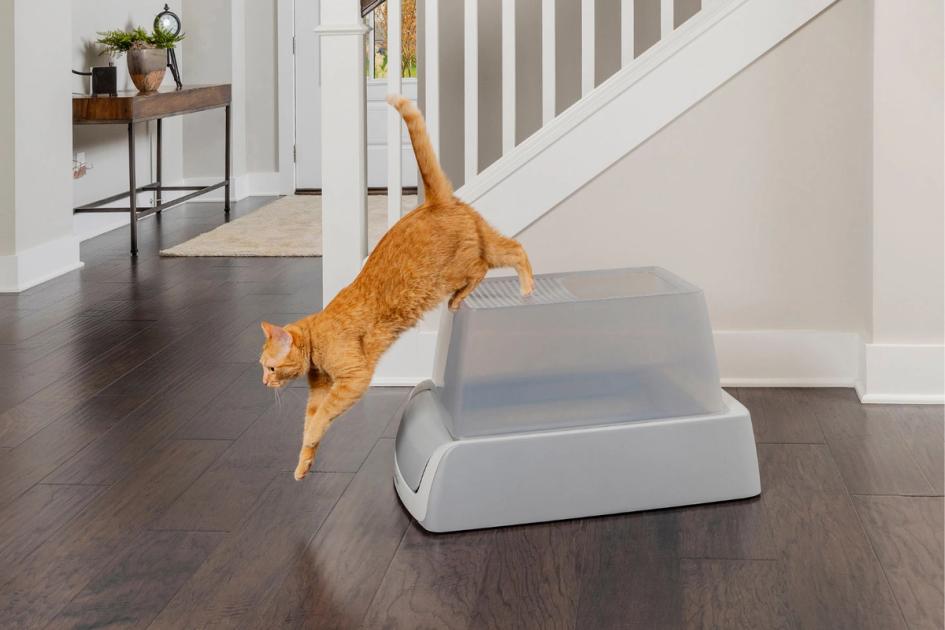
Use Covered Litter Boxes
For cats, a box with a cover keeps litter from spilling out. Place a mat at the entrance to catch stray grains.
Place Trash Cans Out Of Reach
Dogs may tip over or dig in bins. Use cans with tight lids and keep them off the floor or behind a gate if possible.
Clean Pet Areas Daily
Pick up any waste or food bits each day. This keeps pets from spreading litter through the house.
Choosing The Right Floor Surfaces
Some floors show litter more or are harder to clean. Choosing the right materials makes cleaning easier.
| Floor Type | How Easy to Clean | Litter Visibility |
|---|---|---|
| Tile | Very easy | High |
| Carpet | Harder (needs vacuuming) | Low to Medium |
| Wood | Easy (sweep/mop) | Medium |
| Vinyl | Very easy | Medium |
If you have a choice, use tile or vinyl in high-litter areas. They are easiest to sweep and wipe.
Cleaning Tools That Make A Difference
The right tools help you clean up litter fast and well.
Brooms Vs. Vacuums
For hard floors, a broom is simple and quick. For carpets, a vacuum is best, especially for small paper bits or crumbs.
Handheld Tools
A small handheld vacuum or brush is great for quick pickups, especially in cars or on stairs.
Sticky Rollers
These work well for pet hair, glitter, or small crumbs on fabric or carpet.
Preventing Litter In Cars
Many people struggle with car litter, like receipts, wrappers, and bottles.
Keep A Car Trash Bag
Hang a small bag from the gear shift or seat back. Empty it every time you get gas or once a week.
Remove Trash Daily
Make it a habit to take any trash with you when you leave the car.
Ban Certain Items
Don’t allow food or drinks in the car if litter is a big problem.
Using Storage To Avoid Clutter
Sometimes what looks like litter is just stuff left out. Proper storage keeps floors clear.
Baskets And Bins
Use baskets for magazines, toys, or shoes. Label them so everyone knows where things go.
Hooks And Racks
Hang coats, bags, or umbrellas near doors to keep them off the floor.
“lost And Found” Spot
In schools or offices, create a small area for lost items. This keeps them off walkways until picked up.
Litter In Shared And Public Buildings
Shared spaces need special rules because many people use them.
Clear Guidelines
Post simple rules about cleaning up after yourself.
Assign Responsibility
Have a rotating schedule for who checks and empties bins each day.
Provide Enough Bins
Crowded places need more bins. Adjust numbers based on how much trash you see.

Credit: www.youtube.com
Comparing Common Litter Prevention Tools
Some tools work better than others. Here is a quick comparison:
| Tool | Best For | Cost | Drawback |
|---|---|---|---|
| Open Trash Can | Offices, kitchens | Low | Odors, pets can get in |
| Trash Can with Lid | Homes with pets/kids | Medium | Some people avoid using lids |
| Sensor Bin | Hospitals, kitchens | High | Batteries needed |
| Recycling Bin | Schools, offices | Low | Wrong items get mixed in |
| Compost Bin | Kitchens, gardens | Medium | Needs regular emptying |
Choose the tool that fits your space and habits for best results.
The Power Of Social Influence
People are less likely to litter if others see them or if the area looks clean and cared for. Two insights that many beginners miss:
- Clean attracts clean: Studies show that if a space is tidy, people will keep it that way. If there’s already litter, more will appear.
- Public praise works: Thanking someone for picking up trash, even in a group, encourages others to do the same.
So, keep spaces clean and recognize good behavior.

Credit: www.reddit.com
Dealing With Overflow And Special Events
Events, parties, or busy weekends often lead to more litter.
Plan For Extra Bins
Add extra bins for big gatherings. Place them near food and drink stations.
Assign Cleanup Teams
Have people take turns checking bins and picking up litter during the event.
Quick Post-event Sweep
Right after the event, do a fast check for any leftover trash before it spreads or blows away.
Litter In Schools And Kids’ Areas
Children need extra guidance, but they can learn to take care of their space.
Fun Cleanup Games
Make clean-up a race or challenge. Offer small rewards for everyone who helps.
Kid-sized Bins
Use smaller, lighter bins that children can move and empty themselves.
Teach Responsibility
Let kids take turns as “clean-up captain” for the day.
Litter And The Law
In some places, dropping litter is against the law and can lead to fines.
- Many US cities have fines from $25 up to $500 for littering.
- Some schools and businesses have policies that require clean-up.
Knowing about local rules can be a strong motivator for everyone to keep the floor clean.
Tracking Your Progress
Measuring how much litter is on your floor helps you know if your efforts are working.
Keep A Litter Log
Write down where and when you find litter. Note what kind it is (paper, food, plastic). After a few weeks, you’ll see patterns.
Take Before-and-after Photos
Pictures show progress and keep everyone motivated.
Ask For Feedback
Let people suggest ways to improve. Sometimes the best ideas come from those using the space every day.
Handling Difficult Litter Types
Not all litter is the same. Some items are harder to control.
Sticky Items (gum, Candy)
Ban gum in problem areas, or provide special bins lined with wax paper.
Tiny Bits (confetti, Glitter)
Use mats and vacuum often. For big events, ask guests to avoid bringing these items.
Sharp Or Dangerous Items
In public spaces, check for broken glass or sharp metal daily. Use gloves and safe disposal boxes.
Litter And Indoor Air Quality
Hidden litter—like food scraps or dust—can affect air quality.
- Mold can grow on old food.
- Dust and crumbs attract bugs.
- Bad smells can spread quickly.
Regular cleaning and proper bin use keep the air fresh and healthy.
Inspiring Examples From Around The World
Some cities and organizations have nearly eliminated litter. For example, Singapore is famous for its clean streets. Strict rules, plenty of bins, and public education all play a part. Sweden’s “Plogging” trend combines jogging and picking up litter, making clean-up part of daily exercise.
You can read more about these success stories at the Wikipedia: Litter page.
Long-term Strategies For Zero Litter
Stopping litter is not a one-time fix. It takes ongoing effort.
- Review your waste system every few months.
- Update bins or signs as needed.
- Keep talking about why clean floors matter.
- Celebrate progress, even small wins.
With steady attention, litter on the floor can become a thing of the past.
Credit: www.petsafe.com
Frequently Asked Questions
What Is The Best Way To Keep Litter Off The Floor In A Busy Office?
The best way is to place enough trash and recycling bins near desks and shared spaces, use signs as reminders, and schedule a daily “5-minute sweep. ” Encourage everyone to clean up after themselves and empty bins often.
How Do I Stop My Child From Leaving Trash On The Floor?
Make clean-up a routine and fun. Use bright bins at their height, praise them for using bins, and play clean-up games. Be consistent, and set a good example by picking up your own items.
What Type Of Trash Can Is Best For Homes With Pets?
Choose a bin with a secure, tight lid. Step-on cans or bins that open with a pedal are harder for pets to access. Place cans out of reach if possible, and empty them daily to avoid smells.
Why Do People Litter, Even When Bins Are Available?
Some people don’t notice bins or find them too far away. Others may be careless if they see litter already on the ground. Good bin placement, clear signs, and keeping areas tidy make it more likely people will use bins.
Are There Any New Technologies That Help Stop Litter?
Yes, sensor-triggered trash cans, smart bins that signal when full, and mobile apps for reporting litter all help. These tools make it easier and faster to keep spaces clean, especially in large public areas.
Keeping litter off the floor is possible with the right mix of smart tools, good habits, and community support. Tackle the causes, not just the symptoms, and you’ll enjoy cleaner, healthier spaces every day.