
Sheer curtains bring a soft, elegant look to any room, letting in light while providing gentle privacy. However, sometimes they are simply too long, dragging on the floor or hiding beautiful window frames. Not everyone has the skills, tools, or time to cut and sew curtains. Maybe you’re renting and want a temporary fix, or you just want a no-commitment solution. The good news is, you can shorten sheer curtains without cutting or sewing — and the results can look just as stylish and neat.
This article guides you through several creative, practical, and renter-friendly methods to adjust the length of sheer curtains — all without making permanent changes. Whether you want a quick fix, a decorative touch, or a method you can reverse anytime, you’ll find everything you need here.
Along the way, you’ll discover clever tips most beginners miss and see how different approaches compare. By the end, you’ll know exactly how to give your curtains the perfect fit without ever threading a needle or lifting scissors.
Why Shorten Sheer Curtains Without Cutting Or Sewing?
Before exploring the methods, it’s useful to understand why you might want to avoid cutting or sewing. For many, it’s about flexibility. Maybe you plan to move soon, and want to use the curtains in a new home with different window sizes. Or perhaps you’re not confident with sewing and worry about ruining delicate fabric. Some sheer curtains are expensive, custom, or sentimental, and you’d prefer not to alter them permanently.
There’s also the matter of skill and time. Not everyone owns a sewing machine, and hand-stitching can be slow and tricky with sheer, slippery fabric. Many people rent their homes and need solutions that leave the curtains (and the property) in their original state.
Lastly, temporary methods allow you to change your mind. Want to switch back to the original length? No problem. That’s why knowing how to shorten sheer curtains without sewing or cutting is a smart, practical skill.
Key Considerations Before You Start
Shortening sheer curtains without sewing or cutting is simple, but a little planning ensures the best results.
Measure Accurately
First, measure how much you want to shorten your curtains. Use a tape measure from the curtain rod to your desired end point (such as just above the floor or window sill). Note this length clearly. Small mistakes here can lead to uneven results or require adjustments later.
Fabric Type
Sheer curtains come in materials like polyester, nylon, or cotton blends. Thinner fabrics may need gentler solutions, while slightly heavier sheers can handle more robust fixes (like clips or adhesives). Always check the fabric care tag if you have it.
Curtain Header Style
The top of your curtain (header) matters. Is it a rod pocket, grommet, tab-top, or ring-top? Some methods work better with certain headers. For example, folding works well for rod pockets, while clips and rings can suit almost any style.
Desired Look
Do you want a crisp, formal look, or a soft, casual drape? Some solutions create a more structured appearance, while others result in gentle folds. Decide what suits your space and taste.
Reversibility
If you want to keep your options open, choose methods that are easy to undo. Most techniques in this article are fully reversible, but some (like fabric tape) may require gentle cleaning to remove residue.
The Best Methods To Shorten Sheer Curtains Without Cutting Or Sewing
Now let’s dive into the most effective and creative ways to adjust curtain length—no scissors or needles needed. Each method has its pros, cons, and ideal situations. You’ll find practical tips, real-life examples, and expert insights to help you choose the best one.
1. Using Curtain Rings With Clips
Curtain rings with clips are a favorite for many homeowners. These small rings feature attached clips, letting you grip the fabric at any height.
How it works: Instead of threading the curtain through the rod pocket, fold the top of the curtain down to the desired length. Clip the rings onto the new fold, and hang the rings from the rod.
Advantages:
- Quick to apply and remove
- Adjustable at any time
- No marks or holes if used gently
How to do it:
- Lay the curtain flat and decide how much you want to shorten.
- Fold the top edge down, creating a flap at the back of the curtain.
- Evenly space the clips (every 6-8 inches is ideal) along the new top edge.
- Slide the rings onto the rod and adjust for an even drape.
Example: If you have 95-inch curtains but your window is only 84 inches from rod to floor, fold down about 11 inches at the top. Clip the rings onto the new edge, and let the rest hang behind, hidden from view.
Pro Tip: Choose clips with a smooth grip to avoid snagging delicate sheer material. If your fabric is extra thin, place a small piece of felt or tissue inside the clip for extra protection.
2. Creating A Hidden Rod Pocket (double Rod Pocket Method)
This method works best with rod pocket curtains. You create a new pocket by folding the top down and sliding the rod through your new fold.
Steps:
- Remove the curtains from the rod.
- Fold the top down to the new desired length, creating a new “pocket” at the back.
- Use safety pins or fabric tape along the fold (at the back, hidden from the front) to secure the pocket.
- Insert the rod through the new pocket and hang.
Advantages:
- No tools required except pins or tape
- Finished look from the front
- Completely reversible
Common mistake: Make sure the pins or tape are only on the back layer, so they don’t show on the front.
Non-obvious insight: Use flat, rust-proof safety pins (like brass or stainless steel) to avoid damaging the curtain or causing visible bumps.
3. Using Iron-on Hemming Tape
Hemming tape (also called fusible webbing) is a double-sided adhesive strip activated by heat. It’s a popular way to create a crisp, sewn-like edge without thread.
How to use:
- Lay your curtain flat.
- Fold the bottom edge up to the new desired length.
- Place the hemming tape inside the fold.
- Press with an iron (on a low, synthetic-safe setting) for the time recommended on the tape package.
- Let cool before rehanging.
Pros:
- Creates a finished, flat hem
- Nearly invisible from the front
- Lasts through gentle washing
Cons:
- Some tapes can leave residue on delicate sheers
- May not be ideal for very thin or heat-sensitive fabrics
Practical tip: Always test the iron on a small piece of curtain fabric first to avoid melting or yellowing.
4. Using Fabric Glue Or Double-sided Fabric Tape
If you want a no-heat option, try fabric glue or double-sided fabric tape. These products create a temporary or semi-permanent bond without sewing.
How to apply:
- Fold the curtain to the desired length.
- Apply a thin line of fabric glue, or press fabric tape between the layers.
- Press firmly and allow to dry (for glue) as directed.
- Hang once dry.
Best for: Renters, or anyone wanting a quick fix for lightweight sheers.
Non-obvious insight: Choose washable fabric glue if you plan to launder the curtains without removing the hem. Some tapes and glues can be peeled off later, but always check the package.
5. Using Curtain Tiebacks Or Sash Bands
If you like a romantic, gathered look, try using tiebacks, ribbons, or sash bands. This method works especially well for floor-length sheers that you want to “puddle” slightly or lift away from the floor.
Steps:
- Gather the curtain at your desired height.
- Wrap a tieback, ribbon, or decorative band around the fabric.
- Adjust the folds for a soft, even drape.
Advantages:
- Adds decorative flair
- No tools or installation required
- Can change the look any time
Example: Soft velvet ribbons or metallic tiebacks can add color and texture, while simple white sashes blend in for a minimalist effect.
Pro Tip: Use this method on both sides of a window for symmetry, or just one side for an off-center, modern look.
6. Temporary Rolling Or Looping
If you need to shorten the curtains only sometimes (for example, when cleaning or for a special event), try rolling or looping the bottom edge.
How to do it:
- Gently roll the bottom edge of the curtain up toward the window until you reach the right length.
- Secure the roll at the back with small binder clips, safety pins, or even clear hair elastics.
- Fluff the front so the roll is hidden from view.
Best for: Very sheer, lightweight fabrics that won’t look bulky when rolled.
Non-obvious insight: This method works well if you want to create a “scalloped” or balloon effect — just adjust the roll to form soft, curved shapes.
7. Using Decorative Curtain Weights
Curtain weights are small items (like coins, washers, or purpose-made curtain weights) that help the curtain hang straight. You can use them to lift curtains off the floor and create a soft, floating effect.
How to use:
- Fold up the bottom edge of the curtain to your desired length.
- Slip a weight into each bottom corner, or along the hem.
- Secure with a small safety pin or use double-sided tape to hold the fold in place.
Advantages:
- Keeps sheers from blowing around
- Maintains a smooth line
- Adjustable and reversible
Pro Tip: Choose non-rusting weights for humid rooms or kitchens, and always place them inside a fold to avoid visible lumps.
8. Using Velcro Strips
Velcro (hook-and-loop tape) provides a modern way to secure curtain folds invisibly.
How to apply:
- Stick or sew a strip of Velcro to the inside of the curtain at the new desired length.
- Attach the matching piece to the back of the fabric where the fold will meet.
- Press together to secure.
Best for: People who want to adjust curtain length seasonally (e.g., longer in winter, shorter in summer).
Non-obvious insight: Some Velcro tapes are adhesive-backed, so you don’t need to sew them — just peel and stick. However, test on a small patch first to make sure it doesn’t damage the sheer material.
9. Styling With Curtain Holdbacks
Holdbacks are decorative hooks or arms fixed to the wall beside your window. Instead of pulling curtains to the side, use holdbacks to loop up the bottom edge and secure it at the desired height.
How to do it:
- Gather the bottom of the curtain in the middle or to one side.
- Loop the fabric over the holdback.
- Adjust for a soft, swooping drape.
Advantages:
- Great for bay or arched windows
- Adds a touch of drama
- No alteration to the curtain itself
Example: Use metallic or ceramic holdbacks for a vintage look, or simple acrylic ones for a modern style.
10. Using Magnetic Curtain Clips
Magnetic clips are a new, clever way to shorten sheers without leaving marks or making holes.
How it works:
- Fold up the bottom edge of the curtain.
- Place a magnetic clip on each side of the fold to hold it in place.
- Adjust the fabric for an even appearance.
Advantages:
- Fast to apply and remove
- No damage to the fabric
- Works on nearly all sheer types
Pro Tip: Choose lightweight clips for thin sheers to avoid dragging them down.
11. Creating A French Pleat With Binder Clips
This method is perfect if you want a pleated, tailored look without sewing.
How to do it:
- Pinch the curtain fabric at regular intervals along the top.
- Secure each pinch with a small binder clip at the back.
- Hang as usual, hiding the clips behind the rod or the curtain folds.
Best for: Adding structure to very soft or floppy sheers.
Non-obvious insight: Use black or metallic clips that match your curtain rod for a more discreet finish.
12. Using Tension Rods Inside The Curtain
For sheer curtains with a rod pocket or tab top, you can install a second tension rod inside the curtain at your desired length.
Steps:
- Insert a tension rod horizontally inside the curtain panel, at the height you want the bottom to sit.
- Let the excess fabric hang down behind or tuck it up.
Advantages:
- No damage to walls or fabric
- Adjustable any time
- Works well for café-style short curtains
Example: In kitchens or bathrooms, use this method to keep curtains off the windowsill or counter.
13. Tucking Excess Fabric Behind Furniture
In some rooms, especially bedrooms or living rooms with large furniture, you can tuck extra curtain length behind a sofa, bed, or console table.
How to do it:
- Pull the curtain straight down.
- Gently fold or roll the excess fabric and tuck it behind the furniture.
- Adjust so the front looks smooth and even.
Practical tip: This is ideal for temporary fixes or when staging a room for photos.
14. Using Decorative Curtain Pins
Some curtain pins look like jewelry for windows. They are safe for most sheer fabrics if used carefully.
How to use:
- Fold the bottom edge up.
- Pin through the folded layers, securing the new length.
- Space pins evenly for a neat look.
Advantages:
- Adds sparkle or color
- Easy to remove and reposition
- No permanent alteration
Example: Pearl-topped pins for a classic look, or colored crystal pins for a playful touch.
15. Layering With Shorter Curtains
If you have double curtain rods, try layering a shorter curtain in front of (or behind) the sheer panel. This can visually “shorten” the sheer by drawing attention to the top layer.
How to do it:
- Hang a shorter, opaque or semi-sheer curtain at the front.
- Let the sheer panel hang behind, with the extra length less noticeable.
Advantages:
- Adds depth and style
- No alteration to the sheer curtain
- Lets you experiment with color or pattern
Non-obvious insight: This is a great way to reuse old valances or short panels you already have.
16. Using Twist Ties Or Small Ribbons
For a whimsical or casual look, use small twist ties or ribbons to gather and tie up the bottom of your sheer curtain.
How to do it:
- Gather the curtain at the desired height.
- Tie a small ribbon or twist tie around the fabric.
- Fluff the gathered section for a full, soft look.
Advantages:
- Inexpensive and widely available
- Easy to match with seasonal decor
- Fully reversible
Practical tip: Choose soft, non-sharp ties to avoid damaging the delicate fabric.
17. Shortening With Snap Fasteners
Snap fasteners are a less common, but highly adjustable, solution. You can attach a row of adhesive or sew-on snaps along the back of the curtain and use them to secure a folded hem.
How to use:
- Attach the snap “studs” to the inside of the curtain at the new desired length.
- Attach the matching “sockets” to the original hem.
- Fold the curtain and snap together.
Best for: Those who want a neat, flat hem that can be adjusted or released anytime.
Non-obvious insight: Choose plastic snaps for a lighter hold on delicate sheer fabric.
18. Using Command Hooks Or Adhesive Wall Hooks
Command hooks are famous for hanging without damage. You can use them as hidden supports to lift sheer curtains to the desired height.
How to do it:
- Stick Command hooks at the window frame’s sides, at the height where you want the curtain to end.
- Loop the curtain hem over the hooks, or use a small ribbon to tie the fabric to the hook.
- Adjust the folds for a neat finish.
Advantages:
- No tools or hardware required
- Removable with no residue
- Great for renters
Example: Use clear hooks for a nearly invisible solution.
19. Creating A Balloon Or Scalloped Bottom
For a playful or vintage look, create a balloon hem by gathering and pinning the bottom edge.
How to do it:
- Gather sections of the bottom edge at regular intervals.
- Pin or clip each section to the back of the curtain, creating rounded “balloons.”
- Adjust the fullness for the desired effect.
Advantages:
- Adds texture and volume
- Perfect for kids’ rooms or romantic spaces
- No permanent changes
Non-obvious insight: Use lightweight, clear clips or pins for a floating appearance.
20. Utilizing Weighted Rods Or Dowels
Sliding a thin, lightweight rod or dowel inside the bottom hem of the curtain can help “train” the sheer to hang at a new, shorter length.
How to do it:
- Fold up the hem to the desired length.
- Slide a dowel or rod into the fold.
- Let the extra fabric hang behind or secure with pins.
Advantages:
- Keeps sheers straight and prevents billowing
- Adjustable and reversible
Pro Tip: This is especially useful for patio doors or windows that open frequently.
Comparing The Top Curtain Shortening Methods
To help you choose the best approach, here’s a side-by-side look at some of the most popular methods:
| Method | Reversibility | Best For | Skill Needed |
|---|---|---|---|
| Curtain Clips | Yes | All sheer types | Beginner |
| Iron-On Tape | Sometimes | Flat hems | Beginner |
| Tiebacks/Sashes | Yes | Decorative looks | Beginner |
| Velcro Strips | Yes | Seasonal changes | Beginner |
| Tension Rods | Yes | Temporary shortening | Beginner |
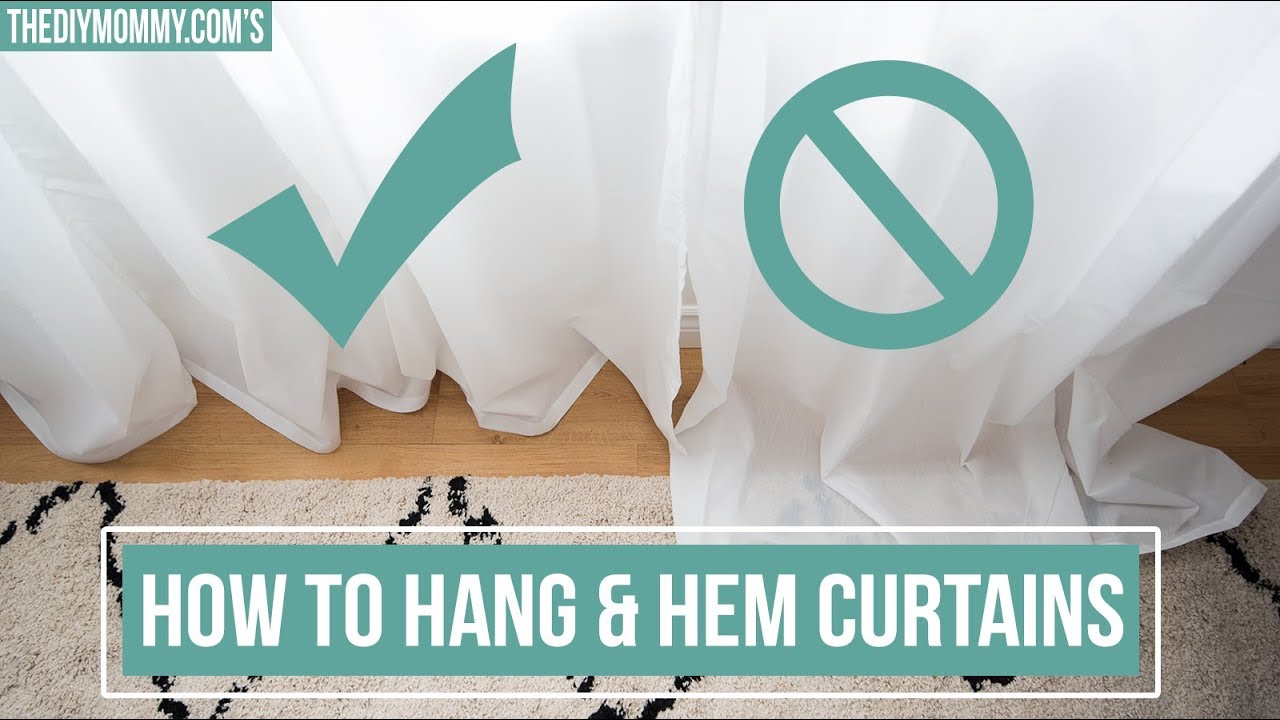
Credit: www.youtube.com
How Different Methods Affect The Look And Function
Some approaches are better for a crisp, formal finish, while others create a soft, relaxed style. Here’s a quick summary:
| Method | Appearance | Best Location |
|---|---|---|
| Hidden Rod Pocket | Flat, tailored | Living rooms, bedrooms |
| Balloon/Scallop | Soft, playful | Kids’ rooms, casual spaces |
| Layering | Decorative, textured | Formal rooms |
| Weights/Dowels | Straight, structured | High-traffic areas |
Mistakes To Avoid When Shortening Sheer Curtains Without Cutting Or Sewing
Many people make simple mistakes that can ruin the look of their curtains or even damage the fabric. Here’s what to watch out for:
- Pinning or clipping too tightly. This can cause puckering or visible holes, especially in very delicate sheers.
- Using adhesives not meant for fabric. Strong glues or sticky tapes can leave stains or tear the material when removed.
- Ignoring symmetry. Always measure and fold both panels the same way, so your curtains hang evenly.
- Skipping a test patch. Always try your chosen method on a small, hidden area first, especially with adhesives or heat.
- Letting excess fabric drag. This can make the curtain look messy and collect dust or pet hair.
Extra Tips For A Professional Finish
- Steam or iron the curtains after adjusting, to remove any wrinkles from folding.
- Use matching accessories. Choose pins, clips, or tiebacks in colors that blend with the curtains for a seamless look.
- Consider safety. If you have small children or pets, avoid pins or sharp objects within reach.
- Rotate methods. If you want to change the look seasonally, alternate between tiebacks, clips, or layering.
- Clean carefully. Remove temporary fixes before washing the curtains, unless the product is labeled as washable.
When To Choose A Permanent Solution
If you love the look and fit after trying a temporary method for several weeks or months, you may decide it’s time for a permanent adjustment. In that case, consider hemming the curtains with a professional tailor, or using a sewing machine for a custom fit.
But if you value flexibility, the methods above will serve you well for years.

Credit: www.reddit.com
Where To Find Curtain Accessories
Many accessories like clips, weights, Velcro, and tape are available at big-box stores, fabric shops, or online. For more specialized advice and products, check sites like Wirecutter for tested recommendations.
Frequently Asked Questions
How Do I Shorten Sheer Curtains For A Rental Apartment Without Damaging Them?
The best methods for renters are curtain clips, tension rods, tiebacks, and adhesive hooks. These options require no sewing, cutting, or permanent adhesives, so you can return the curtains and apartment to their original state easily.
Will These Methods Work On All Types Of Sheer Curtains?
Most methods work on polyester, nylon, and cotton blend sheers. However, very delicate or old fabrics may need extra care. Always test on a small area first, and avoid heavy clips or adhesives for super-lightweight sheers.
How Do I Keep Curtains Even After Shortening Them Without Sewing?
To keep curtains even, always measure and mark both sides before folding or pinning. Use a level or straight edge if needed. Placing clips or pins at the same intervals helps maintain symmetry and a neat appearance.
Can I Wash Curtains After Using These Temporary Methods?
You should remove all clips, pins, or adhesives before washing, unless using washable fabric glue or tape. Some products claim to be machine-wash safe, but check the packaging and test first to avoid damage.
What If I Want To Return The Curtains To Their Original Length?
All the reversible methods described (clips, tiebacks, hidden rod pocket, etc.) allow you to undo the changes at any time. Just remove the pins, clips, or folds, and your curtains will return to their full length with no lasting marks.
—
Shortening sheer curtains without cutting or sewing is easier than most people think. With the right method, you can enjoy a custom look that fits your space, your style, and your lifestyle — no tools, skills, or permanent changes needed.
Whether you want a quick fix for an event, a flexible solution for a rental, or a creative twist on classic drapes, these ideas put the power back in your hands. Experiment, adjust, and find the style that makes your home shine.

Credit: www.pineandprospecthome.com