
Removing old vinyl flooring from concrete can feel like a big challenge, especially if the adhesive is strong or the floor covers a large area. But with the right tools, clear steps, and practical advice, you can handle this project yourself and prepare your floor for new coverings.
Whether you want to upgrade your home, fix a damaged area, or just refresh your space, learning how to remove vinyl floor from concrete can save you time, money, and frustration.
Many people try to pull up the vinyl without knowing what’s under it—sometimes finding a sticky mess or a stubborn glue that won’t come off easily. Others damage the concrete because they use the wrong tools or skip important steps.
This guide gives you every detail you need, from choosing the right tools to finishing the surface so it’s ready for a new floor. You’ll also learn what beginners often miss, like safety steps, hidden hazards, and how to handle tough glue.
Let’s get started on making your concrete floor clean, smooth, and ready for your next project.
Understanding Vinyl Flooring On Concrete
Before you begin, it helps to know how vinyl flooring is usually installed on concrete. Vinyl sheets or tiles are glued directly onto the concrete using special adhesives. Over time, these adhesives become harder and more difficult to remove. Some older vinyl floors also contain asbestos, especially if installed before the 1980s. Always check the age of your floor—if you suspect asbestos, do not disturb the floor and contact a professional.
Vinyl can be either sheet vinyl or vinyl tiles. Sheet vinyl is one large piece, while tiles are smaller, making them a bit easier to lift. Both types are usually glued at the edges and seams, and sometimes across the entire surface. The quality of the adhesive, room temperature, and age of the floor all affect how easy or hard removal will be.
Tools And Materials You’ll Need
Having the right tools is important for safe and efficient vinyl floor removal. Here’s what you should gather before starting:
- Utility knife (with extra blades)
- Floor scraper (long handle preferred)
- Hammer and putty knife
- Heat gun or hair dryer
- Pry bar
- Heavy-duty gloves
- Dust mask and safety goggles
- Knee pads
- Plastic sheeting or drop cloths
- Trash bags or containers
- Adhesive remover (citrus-based or chemical)
- Shop vacuum
- Bucket, mop, and cleaning supplies
Not every floor needs every tool, but having them ready will save trips to the store. A floor scraper is more effective than a putty knife for large spaces. For stubborn glue, a heat gun or chemical adhesive remover makes a big difference.
Preparing The Space
Good preparation saves time and protects your home. Start by removing all furniture and items from the room. Cover vents, doorways, and nearby surfaces with plastic sheeting to keep dust and debris from spreading. If you’re working in a kitchen or bathroom, turn off any water sources near the floor.
Check the floor for cracks or moisture problems before removing the vinyl. Wet concrete can cause mold under new flooring, so let the floor dry completely after cleaning. Sweep or vacuum loose dirt and dust to prevent slipping.
If the vinyl is old, test for asbestos before starting any work. You can find test kits online or call a local professional. Never sand, scrape, or heat a floor that may contain asbestos, as this can release dangerous fibers into the air.
Step-by-step Guide To Removing Vinyl Floor From Concrete
Let’s break down the full process into clear steps. Take your time with each one to avoid damaging the concrete or leaving adhesive behind.
1. Cut The Vinyl Into Strips
Use a utility knife to slice the vinyl into manageable strips, about 12–18 inches wide. Cutting makes it easier to pull up and helps you control how much you remove at once. Always use sharp blades—dull knives are more dangerous and less effective.
Press the knife firmly but avoid cutting too deep into the concrete. If you hit resistance, change your blade.
2. Pry Up The Vinyl Strips
Start at one edge of the room, where the vinyl may already be loose. Use a putty knife or pry bar to lift the edge of a strip. Once you have a grip, pull slowly with both hands. If the vinyl tears, use the knife to cut it again and keep going.
For stubborn spots, slide the putty knife under the vinyl and tap gently with a hammer. If you’re removing vinyl tiles, use the same method, but tiles often pop up with less force.
3. Soften The Adhesive (if Needed)
Some adhesives are very strong, especially under older vinyl. If pulling by hand is too hard, use a heat gun or hair dryer to soften the glue. Hold the heat source a few inches above the vinyl for 30–60 seconds, then try prying again. Don’t overheat, as this can damage the concrete or create fumes.
Alternatively, you can pour warm water on a small section, cover it with plastic, and wait 15–20 minutes. This can soften water-based glues. For very tough adhesives, use a chemical adhesive remover—follow the safety instructions on the label.
4. Scrape Off Remaining Adhesive
After the vinyl is up, you’ll likely see patches of sticky glue. Use a floor scraper to remove as much as possible. Hold the scraper at a low angle and push with steady pressure. For thick glue, switch to a wider blade or use the heat gun again.
If glue remains, apply adhesive remover and let it soak as recommended. Scrape again until the concrete is smooth. Always wear gloves and a mask—chemicals can be harsh.
5. Clean The Concrete Surface
Once all adhesive is gone, vacuum the floor thoroughly to remove dust and debris. Mop with warm water and a mild cleaner to finish. Check for sticky spots by pressing your hand on the surface—if you feel any tackiness, repeat the cleaning.
Allow the concrete to dry fully before installing new flooring. Moisture under new vinyl, tile, or wood can cause problems later.
Dealing With Difficult Adhesives
Not all vinyl adhesives are the same. Some are water-based, some are solvent-based, and older floors may have cutback adhesive (a black, tar-like glue). Here’s how to handle each type:
Water-based Adhesive
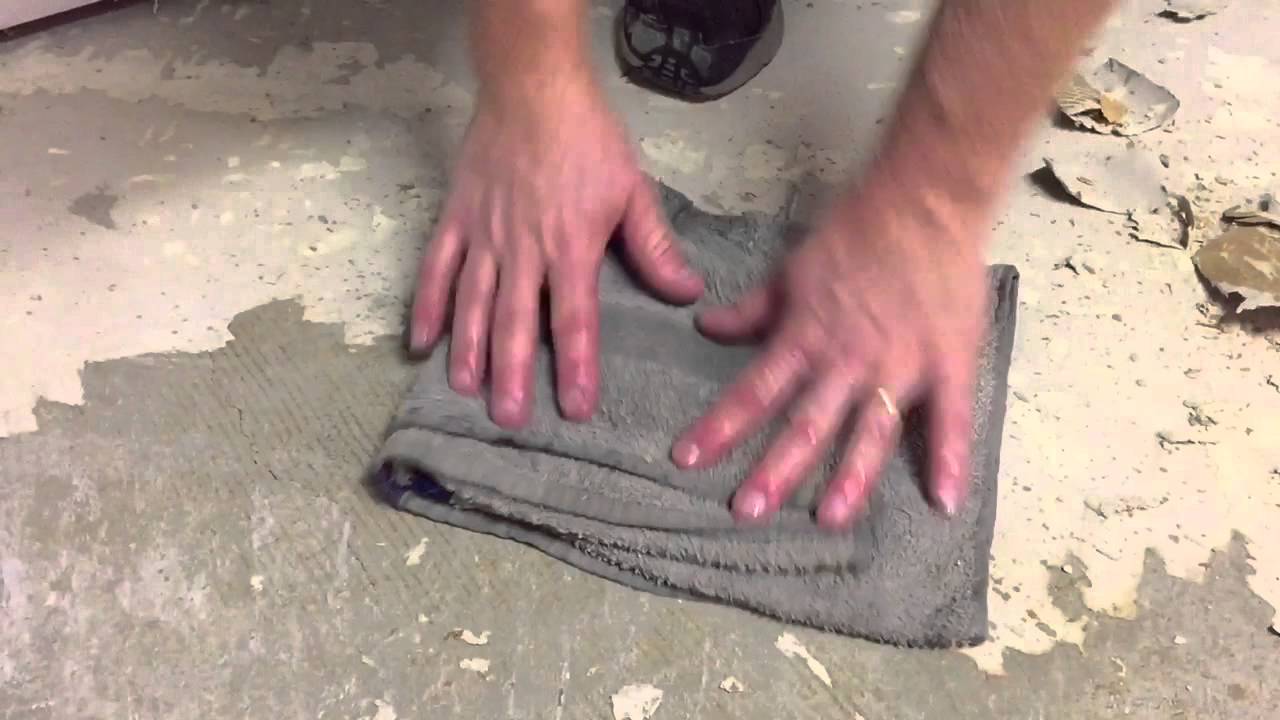
This is the easiest to remove. Hot water, a scraper, and patience usually do the trick. Cover with a wet towel or plastic to keep the area moist while you work.
Solvent-based Adhesive
These are tougher. You’ll need a commercial adhesive remover and good ventilation. Wear gloves and goggles, and follow the label closely. Scrape after soaking.
Cutback Adhesive
This black adhesive may contain asbestos if the floor is very old. If you’re not sure, stop and get the adhesive tested. Never sand or grind cutback adhesive. If it’s safe, use a special remover designed for cutback products and work in small sections.
Tips For A Smooth Removal Process
Removing vinyl from concrete can get messy and tiring. These tips will help you avoid common mistakes and save effort:
- Work in small sections to keep control.
- Replace your utility knife blades often for cleaner cuts.
- Do not rush—damaging the concrete can cost more to fix.
- Use proper safety gear to protect your hands, knees, and lungs.
- Test adhesive removers in a small spot before using on the whole floor.
- Keep the room well-ventilated if using chemicals.
- Dispose of old vinyl and adhesive following local waste rules, especially if you suspect hazardous materials.

Credit: www.reddit.com
Common Mistakes To Avoid
Even with good intentions, some errors can make the job harder or lead to damage:
- Skipping the asbestos test—never start if you’re unsure about the floor’s age.
- Using metal scrapers too aggressively—they can gouge or scratch the concrete.
- Leaving adhesive behind—new flooring will not stick properly if the surface isn’t clean.
- Ignoring safety gear—adhesives and dust can irritate skin and lungs.
- Not checking for moisture—damp concrete needs time to dry before new installation.
Table: Vinyl Adhesive Types And Removal Difficulty
Here’s a quick comparison of common adhesive types and how hard they are to remove:
| Adhesive Type | Appearance | Removal Difficulty | Special Precautions |
|---|---|---|---|
| Water-Based | Clear or light yellow | Easy | Hot water works well |
| Solvent-Based | Amber or brown | Medium | Use gloves, ventilate room |
| Cutback (Black Tar) | Black, sticky or hard | Hard | May contain asbestos, test first |
How Long Does Vinyl Removal Take?
The time needed depends on the room size, type of vinyl, and how well it’s stuck. For a 10×10 foot room, set aside at least half a day for removal and cleanup. Stubborn glue can add several more hours.
Table: Estimated Time For Different Room Sizes
| Room Size (ft) | Vinyl Type | Estimated Removal Time |
|---|---|---|
| 8×10 | Sheet | 2–4 hours |
| 10×12 | Tile | 3–6 hours |
| 12×15 | Sheet | 5–8 hours |
The most time-consuming part is often removing the adhesive, not the vinyl itself.
What To Do After Removing Vinyl
Once your concrete is clean and dry, you have several options:
- Install new flooring: Tile, wood, carpet, or new vinyl are all possible. Make sure the concrete is smooth and free of glue.
- Polish or seal the concrete: If you prefer a modern look, polish the concrete or seal it for durability.
- Repair cracks or holes: Use a concrete patching product to fix any surface damage before installing a new floor.
If you plan to use glue-down flooring, ensure no old adhesive remains. For floating floors (like laminate), minor residue is less of a problem, but the floor must be level.
When To Call A Professional
Most homeowners can remove vinyl from concrete, but some situations need expert help:
- Suspected asbestos: Never try to remove or disturb materials that may contain asbestos.
- Very large areas: Commercial spaces or big homes may need specialized tools.
- Heavy, stubborn adhesive: Professionals have machines that can scrape or grind glue quickly.
- Concrete damage: If you see deep cracks, crumbling, or water problems, get advice before proceeding.
Cost Considerations
Removing vinyl yourself costs less than hiring a pro. Most homeowners spend $50–$150 on tools and supplies for a typical room. Professional removal can cost $2–$4 per square foot, sometimes more if asbestos is involved.
If you need to rent a floor scraper or buy adhesive remover, add those costs to your budget. Saving money is great, but never risk your health or home’s value by cutting corners.
Credit: www.reddit.com
Table: Diy Vs. Professional Vinyl Floor Removal
Here’s a simple comparison to help you decide:
| Method | Cost per sq. ft. | Time Required | Best For |
|---|---|---|---|
| DIY | $0.50–$1.50 | Half day to full day | Small rooms, light adhesive |
| Professional | $2.00–$4.00 | Few hours | Large areas, asbestos risk, stubborn glue |
Non-obvious Insights For A Better Result
Many guides skip over these important tips:
- Test a small area first: Some adhesives soften more with water, others with heat. Try both on a small patch before committing to the whole floor.
- Let chemicals work: Don’t rush adhesive removers. The label time matters—a longer soak often means less scraping and better results.
- Watch for floor level changes: Removing vinyl and glue can reveal height differences at doorways or thresholds. Plan ahead if you’ll install a new floor type.
Safety And Disposal
Always follow local rules for throwing out old vinyl and adhesive. Some cities require special disposal for materials with asbestos or chemical residue. Wrap old flooring in plastic and label if needed.
Ventilate the room well, especially when using adhesive removers. Open windows and doors, and use fans if possible. Wash your hands and tools after finishing.
Should You Remove The Vinyl Yourself?
If you’re comfortable with DIY projects and have the right tools, removing vinyl from concrete is a good way to save money and gain experience. It’s also a satisfying job—you’ll see progress as each section comes up.
However, if you’re unsure about safety, adhesive type, or just don’t have time, hiring a professional can be a smart investment. They’ll finish faster and handle hazardous materials safely.
For more information about flooring and adhesive types, the Wikipedia Vinyl Flooring page offers helpful background.
Credit: www.youtube.com
Frequently Asked Questions
What Is The Safest Way To Remove Vinyl Floor From Concrete?
The safest method is to cut the vinyl into small strips, wear proper safety gear, and use a floor scraper or putty knife. If you suspect asbestos, stop and call a professional. Always ventilate the room and avoid harsh chemicals unless necessary.
How Do I Know If My Old Vinyl Floor Contains Asbestos?
Vinyl floors installed before 1980 are most likely to contain asbestos. Look for black adhesive (cutback) or check the product date if possible. For peace of mind, use an asbestos test kit or hire a licensed inspector before removing the floor.
Can I Install New Flooring Right After Removing The Vinyl?
You can install new flooring after all adhesive is gone and the concrete is clean and dry. If you plan to glue down a new floor, make sure there are no sticky patches. Let the concrete dry for at least 24 hours after mopping.
What If The Adhesive Will Not Come Off?
If adhesive is very stubborn, try a chemical remover designed for your type of glue. For black cutback adhesive, use only products made for that purpose. Heat guns can also help. If glue remains after many attempts, consider hiring a professional.
Is It Necessary To Seal The Concrete After Removing Vinyl?
Sealing the concrete isn’t required, but it can protect the surface and prevent dust. If you want a bare concrete finish or plan to install new flooring with glue, sealing can help. Use a concrete sealer recommended for your intended floor type.
Removing vinyl flooring from concrete takes effort but is very doable with good planning and the right approach. By following these detailed steps and avoiding common mistakes, you’ll have a smooth, clean floor ready for whatever comes next. Good luck with your project!