
Raising your TV stand might sound like a simple task, but there’s more to it than just adding a few inches. The right TV height can make a big difference in your comfort, your viewing experience, and even your room’s style.
Many people find their TV sits too low, causing neck strain and a less enjoyable movie night. Maybe you bought a new sofa, moved to a new home, or just want a better view—whatever your reason, making your TV stand taller is a smart upgrade.
But how do you do it safely and attractively? This guide will walk you through everything you need to know. You’ll discover different ways to raise your TV stand, what tools and materials you’ll need, how to avoid common mistakes, and tips to keep your setup stable and stylish.
Whether you want a quick fix or a more permanent solution, you’ll find practical advice here. Let’s help you get the perfect TV height for your space.
Why Tv Height Matters
TV height is about more than looks. Viewing comfort is a top reason to adjust your TV stand. If your screen is too low, you may end up with neck pain or poor posture. The best height puts the center of your TV at eye level when you’re sitting down. For most people, that means the center should be about 42–48 inches from the floor.
Room layout also plays a role. If you have a larger sofa, recliners, or a different seating arrangement, you might need your TV higher. Wall decor or furniture under the TV, like a soundbar or fireplace, could also require raising the stand. Another factor is the type of TV—larger screens need to be a bit lower so you don’t have to look up too much.
Ignoring TV height can lead to headaches, eye strain, and even damage to your TV if it’s not secure. So, making your TV stand taller is about health, safety, and style.
Methods To Make Your Tv Stand Taller
There’s more than one way to raise your TV. Below are the most reliable and popular methods, with pros, cons, and detailed steps for each.
1. Add Furniture Risers
Furniture risers are blocks or cylinders that fit under the legs of your TV stand. They come in different heights, usually 2 to 8 inches, and materials like plastic, wood, or metal. This is one of the simplest ways to add height.
How to use furniture risers:
- Measure the width and depth of your TV stand’s feet or legs.
- Buy risers that match your stand’s size and the height you want.
- Lift the TV stand (get help if it’s heavy) and place a riser under each leg.
- Check stability—if the stand wobbles, use non-slip pads or adjust the risers.
Pros:
- Quick and easy
- Inexpensive
- No tools needed
Cons:
- May not look stylish
- Can reduce stability if installed poorly
2. Use A Tv Stand Height Extender
Some companies make TV stand height extenders. These are metal or plastic platforms that sit under your TV base or stand. Many are adjustable and have built-in cable management.
Steps:
- Choose an extender that fits your TV stand’s shape and weight.
- Remove the TV from the stand, then place the extender.
- Reattach your TV and secure it with any included hardware.
Pros:
- Designed for TVs, so strong and stable
- Often include non-slip surfaces
Cons:
- More expensive than risers
- May not fit all stand types
3. Stack Platform Boards
If you want a custom height, stack wooden boards, MDF, or metal plates under your TV stand. This method is popular for people who want a solid, stylish base.
How to do it:
- Measure your TV stand’s base.
- Buy or cut boards to match the stand’s length and width.
- Sand and paint or finish the boards if desired.
- Stack them for the height you want, and secure with adhesive or screws if needed.
Pros:
- Customizable height and look
- Can match your room’s decor
Cons:
- More work and tools required
- Needs careful alignment for stability
4. Place Your Stand On A Sturdy Cabinet Or Table
A simple way is to put your entire TV stand on a higher piece of furniture. For example, place it on a credenza, dresser, or short bookshelf.
Tips:
- Make sure the cabinet or table is wider and deeper than your stand.
- Check that the furniture is stable and can hold the TV’s weight.
- Secure the TV to the wall with anti-tip straps if needed.
Pros:
- Uses furniture you may already have
- Adds storage space
Cons:
- Takes up more room
- Can look bulky if not chosen carefully
5. Adjustable Tv Mounts
An adjustable TV mount lets you raise or lower your TV without changing the stand. Some mounts attach to the back of your TV stand, while others are floor-standing or wall-mounted.
How to use:
- Buy a mount that fits your TV’s size and weight.
- Follow the instructions to attach the mount to your stand or wall.
- Adjust the height to your preferred position.
Pros:
- Full control over TV height
- Often include tilt and swivel features
Cons:
- More expensive
- Installation can be tricky
6. Replace Your Tv Stand
If your current stand is too short and none of the above solutions work, it may be time to buy a new, taller TV stand. Many modern stands come in different heights and offer built-in cable management and shelves.
Choosing a new stand:
- Measure your TV and room space.
- Look for stands with adjustable shelves or feet.
- Consider material and color to match your decor.
Pros:
- Permanent solution
- Can improve room style
Cons:
- Costly
- Requires assembly and moving your TV
7. Diy Leg Extensions
For a more custom approach, you can add longer legs to your current TV stand. This works well for stands with removable or screw-in legs.
Steps:
- Remove the old legs.
- Buy or make longer replacement legs.
- Attach the new legs, using proper screws or brackets.
- Check for wobbling and reinforce if needed.
Pros:
- Custom height and look
- Can be inexpensive
Cons:
- Requires tools and DIY skills
- Not suitable for all stands
8. Use Caster Wheels
Adding locking caster wheels to your TV stand not only raises the height but also makes it easy to move. Choose sturdy wheels that lock to prevent rolling.
How to install:
- Choose wheels with the right height and weight rating.
- Attach them to the base or legs of your stand using screws.
- Test the stability and lock the wheels when in place.
Pros:
- Adds mobility
- Good for flexible room layouts
Cons:
- Wheels can scratch floors if not careful
- May change the look of your stand
9. Stack Decorative Storage Boxes
For a creative solution, use strong, decorative storage boxes or bins under your TV stand. Choose boxes made of wood, metal, or heavy-duty plastic that can support the weight.
How to do it:
- Select boxes that fit the width and style of your stand.
- Stack them evenly under each corner.
- Use non-slip pads to prevent sliding.
Pros:
- Adds storage space
- Customizable look
Cons:
- Can look cluttered if not styled well
- Stability depends on box strength
Comparing The Main Methods
To help you decide, here’s a quick comparison of the most popular ways to make your TV stand taller.
| Method | Cost | Difficulty | Stability | Style Impact |
|---|---|---|---|---|
| Furniture Risers | Low | Easy | Medium | Low |
| Height Extender | Medium | Easy | High | Medium |
| Platform Boards | Medium | Moderate | High | High |
| Higher Cabinet | Varies | Easy | High | Medium |
| Adjustable Mount | High | Hard | High | Medium |
| New Stand | High | Medium | High | High |
Tools And Materials You May Need
Not all methods need the same tools. Here’s a list of what you might use, depending on your choice:
- Measuring tape (to check TV and stand height)
- Screwdriver or drill (for leg extensions, caster wheels)
- Furniture risers or height extenders
- Wood, MDF, or metal boards
- Strong adhesive or wood screws
- Caster wheels (with locks)
- Decorative boxes or bins
- Anti-tip straps (for safety)
- Non-slip pads
Example: Calculating Ideal Tv Height
Say your sofa seat is 18 inches from the floor, and your eye level when sitting is about 40 inches. For a 50-inch TV, the center is about 25 inches from the bottom. So, the stand should put the bottom of the TV at 15 inches from the floor (40 – 25 = 15).
If your stand is only 10 inches tall, you need to add 5 inches.
Important Safety Tips
Whenever you change the height of your TV stand, always think about safety:
- Never overload risers, boxes, or new legs. Check weight ratings.
- If you have kids or pets, use anti-tip straps to secure the TV to the wall.
- Place the TV stand on a flat, solid floor—avoid thick rugs for tall stands.
- After raising, test for wobble by gently pushing the stand. If it moves, reinforce it.
- Hide cables and wires to prevent tripping or pulling.
Mistakes To Avoid
Many people rush to make their TV higher without thinking about long-term effects. Here are mistakes to avoid:
- Using weak materials—cheap plastic risers or flimsy boxes can break and damage your TV.
- Ignoring the TV’s weight—always check the maximum weight your method can support.
- Over-raising the TV—if the screen is too high, you’ll strain your neck just as much.
- Blocking ventilation—TVs need airflow. Don’t cover or block the vents when adding boards or boxes.
- Skipping wall safety—if your TV is top-heavy, it may tip. Use straps or anchors.
How To Measure And Achieve The Best Tv Height
Finding the right height involves more than guessing. Here’s a simple method:
- Sit in your usual spot. Mark your eye level on the wall using tape.
- Measure your TV’s height and find the center point.
- Subtract half the TV’s height from your eye level. That’s where the bottom of your TV should be.
- Adjust your stand by adding risers, boards, or a new mount until it matches.
Example Calculation
If your eye level is 42 inches, and your TV is 28 inches tall, half the TV height is 14 inches. Place the bottom of the TV at 28 inches (42 – 14).
Pro Tip: For big rooms or multiple seats, compromise with an average eye level.
Real-world Examples
Let’s look at how different people solved this problem.
- Mark from Seattle used 4-inch metal risers under his modern TV stand. He chose black risers to blend with the legs and added anti-tip straps for safety. The result: A more comfortable view for movie nights.
- Priya in New York stacked two painted wooden boards under her TV stand. She matched the color to her bookshelf, making it look intentional. She also gained a place to hide cables.
- Lisa in Toronto replaced her old stand with a taller, closed-cabinet model. It cost more, but she got extra storage and a better TV height.
These stories show that the best method depends on your space, budget, and style.

Credit: belleze.com
How Each Method Affects Room Style
Raising your TV stand changes how your living room looks. Here’s what to consider:
- Furniture risers and wheels are best hidden for a clean look.
- Platform boards and boxes can be painted or styled to match decor.
- Taller cabinets or new stands let you refresh your room’s whole design.
- Adjustable mounts often look modern but require careful cable management.
If style matters most, plan ahead. Choose materials and colors that fit your space.
Cost Comparison
Here’s a look at average costs for each method.
| Method | Estimated Cost (USD) |
|---|---|
| Furniture Risers | $10–$30 |
| Height Extender | $20–$60 |
| Platform Boards | $15–$50 |
| Higher Cabinet | $0–$300+ |
| Adjustable Mount | $40–$150 |
| New Stand | $80–$400 |
| DIY Leg Extensions | $10–$40 |
| Caster Wheels | $15–$45 |
| Storage Boxes | $20–$60 |
Insight: While risers and DIY options are affordable, a new stand or adjustable mount offers a long-term, stylish solution if you’re willing to spend more.
When To Hire A Professional
Most people can handle raising their TV stand on their own, but there are times when it’s smart to hire help:
- If your TV is very heavy (over 70 lbs), get assistance.
- For wall mounting or complicated stands, use a professional installer.
- If you’re unsure about weight limits or stability, consult a furniture expert.
A professional can ensure your TV is safe, level, and looks great.
Non-obvious Insights For A Better Setup
- Sound quality can change when you raise your TV. Higher placement may direct sound differently. If you use a soundbar, position it just below the screen for best audio.
- Cable length matters. Raising your TV a few inches may mean your HDMI, power, or antenna cables are now too short. Measure before you start, and buy longer cables if needed.
- Wall color and lighting can affect how high your TV feels. Darker walls can make a higher TV blend in, while bright walls highlight the height difference.
- Smart TVs with voice control should stay within easy microphone range. Don’t raise your TV so high that voice commands stop working well.

Credit: www.reddit.com
Sustainability And Upcycling Ideas
You can be eco-friendly when raising your TV stand:
- Use reclaimed wood or old shelves for platform boards.
- Repurpose old cabinets or tables as a new TV base.
- Paint or refinish existing parts instead of buying new furniture.
This approach saves money and reduces waste.
What To Do After Raising Your Tv Stand
Once you’ve made your TV stand taller, finish the job with these steps:
- Check viewing comfort. Watch a show for 10–20 minutes—does your neck feel good?
- Secure all cables with clips or cable organizers.
- Style the space—add decor, plants, or artwork to balance the new TV height.
- Double-check stability after a day or two. Sometimes stands settle or shift.
- Clean under the stand—you may find new dust spots after raising it.
Common Questions From Beginners
Many first-timers have the same worries. Here are two insights beginners miss:
- Not all stands support risers or new legs. Some have hollow or thin bases that can crack if you add height. Always check underneath before starting.
- Stability is more important than style. A wobbly TV is a real danger, especially in homes with children or pets.
Frequently Asked Questions
What Is The Ideal Height For A Tv Stand?
The ideal height puts the center of your TV at eye level when you’re seated. For most people, this means the center is 42–48 inches from the floor. The exact number depends on your sofa and TV size, but this range fits most living rooms.
Can Adding Risers Damage My Tv Stand?
Furniture risers are safe if you use ones designed for the weight of your stand and TV. Avoid cheap, thin plastic risers. Always check the weight rating and test for stability after installation. If your stand has thin legs, risers may not be the best choice.
Is It Better To Raise My Tv Or Mount It On The Wall?
Both options work well. Wall mounting offers more flexibility and a clean look but needs more work and proper anchors. Raising your TV stand is easier and less permanent. If you rent your home, raising the stand avoids wall holes.
Will Raising My Tv Affect Picture Quality?
Raising your TV can change the viewing angle. Most modern TVs have wide viewing angles, but if you go too high, colors and brightness may change slightly. Try to keep the screen as close to eye level as possible for the best image.
Where Can I Find Quality Furniture Risers Or Extenders?
Look at home improvement stores or online. Choose well-reviewed brands. For more details, check out this TV stand buying guide from Wirecutter.
Raising your TV stand isn’t just about getting a better view—it’s about comfort, safety, and style. With the right method, tools, and a little planning, you can transform your living room and enjoy every show at the perfect height.
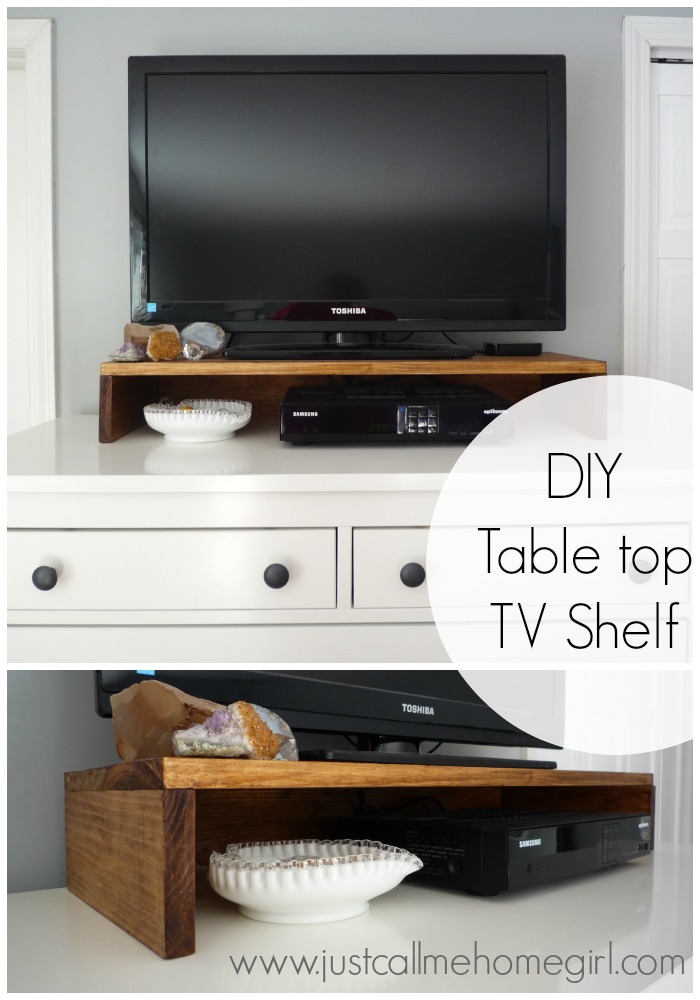
Credit: justcallmehomegirl.com