
Removing a urine stain from a wood floor can feel overwhelming, especially if you’re worried about long-term damage or lingering odors. Whether the stain comes from a pet, a young child, or an accidental spill, quick and correct action can make all the difference.
Many people panic and reach for any cleaning product, but not all methods are safe for wood floors. Some quick fixes may even cause more harm than good, leaving behind discoloration or warping.
If you’re facing this issue, you’re not alone. Every year, millions of pet owners and parents deal with urine stains on wood floors. According to the American Pet Products Association, over 70% of US households own a pet, and wood floors remain a popular choice.
This means urine accidents are a common problem, but one that can be solved with the right approach.
This guide will help you understand exactly how to remove urine stain from wood floor—from identifying the type of stain to step-by-step cleaning methods, odor removal, and long-term protection. By the end, you’ll feel confident handling even the toughest stains, and you’ll avoid mistakes that many beginners make. Let’s start with what makes urine stains so challenging on wood surfaces.
Why Urine Stains Are A Problem For Wood Floors
Urine is not just a liquid accident. It contains uric acid, ammonia, salts, and bacteria. When urine seeps into wood, it doesn’t just leave a visible stain—it can break down the wood finish and even enter the grain. Over time, this leads to:
- Persistent odors that are hard to remove
- Discoloration (yellow, dark, or white spots)
- Warping or swelling if moisture soaks in deeply
- Finish damage, making future stains more likely
If you leave urine on wood for even a few hours, it can penetrate deeply. Older stains are harder to remove than fresh ones. Many people focus only on the visible spot and miss the deeper problem: odor trapped below the surface.
Identifying The Type Of Urine Stain
Not all stains are equal. Knowing what you’re dealing with will help you choose the right method. Here are the main types:
- Fresh Wet Stain – The urine is still wet, usually less than a few hours old.
- Dried Yellow Stain – The area has dried, leaving a yellow mark but no deep discoloration.
- Dark or Black Stain – The stain has been there for days or weeks. The wood may have absorbed the urine, causing darkening.
- White Haze or Ring – Sometimes, the finish reacts with the moisture, leaving a white spot or haze.
Pro Tip: Smell the area. If the odor is strong, the urine has likely penetrated below the surface.
What To Do Immediately After A Urine Accident
Acting quickly can prevent most long-term damage. Here’s what you should do right away:
- Blot the Urine: Use paper towels or a clean, absorbent cloth to soak up as much liquid as possible. Press down firmly and repeat with dry towels until no more moisture is lifted.
- Avoid Rubbing: Rubbing spreads the stain and pushes it deeper into the wood.
- Do Not Use Steam Cleaners: They drive moisture further into the wood.
- Open Windows: Increase ventilation to help the area dry faster.
If you act within minutes, you can often prevent staining and odor entirely.
Essential Supplies For Cleaning Urine Stains
Before you start, gather these items. Having everything ready will help you work quickly and efficiently:
- Paper towels or absorbent cloths
- White vinegar
- Hydrogen peroxide (3%)
- Baking soda
- Mild dish soap
- Spray bottle
- Soft-bristle brush or old toothbrush
- Rubber gloves
- Disposable mask (for strong odors)
- Plastic wrap (optional)
- Fine steel wool or sandpaper (for deep stains)
- Wood floor cleaner (check manufacturer’s recommendations)
- Bucket of warm water
Optional but helpful:
- Enzyme cleaner (for pet urine)
- Wood polish or finish restorer

Credit: www.youtube.com
Step-by-step Methods To Remove Urine Stains From Wood Floors
Let’s break down the most effective ways to remove urine stains based on the type of stain.
Cleaning Fresh Wet Stains
- Blot the Area: As described before, soak up as much liquid as possible.
- Mix a Gentle Cleaning Solution: Combine 1 cup of warm water with a few drops of mild dish soap in a spray bottle.
- Spray and Wipe: Lightly spray the affected area and wipe gently with a clean cloth.
- Rinse and Dry: Dampen another cloth with plain water and wipe again to remove any soap residue. Dry the area with a towel.
- Check for Odor: If you smell urine, continue with the odor removal steps below.
Removing Dried Yellow Stains
- Vinegar Solution: Mix equal parts white vinegar and water in a spray bottle.
- Apply to Stain: Spray the solution on the stain, let it sit for 2-3 minutes.
- Scrub Gently: Use a soft-bristle brush to scrub the stain lightly. Do not soak the wood.
- Wipe Clean: Use a damp cloth to remove any residue.
- Dry Thoroughly: Wipe with a dry towel. If the stain persists, repeat once.
Treating Dark Or Black Stains
Deep stains may need stronger treatment. Here’s how to address them:
- Hydrogen Peroxide Method:
- Soak a clean cloth in 3% hydrogen peroxide.
- Place the cloth over the stain and cover with plastic wrap to prevent evaporation.
- Let it sit for 4–6 hours, or overnight for stubborn stains.
- Remove the cloth, wipe the area with a damp cloth, and dry thoroughly.
- Repeat as Needed: For very dark stains, you may need to repeat this process several times.
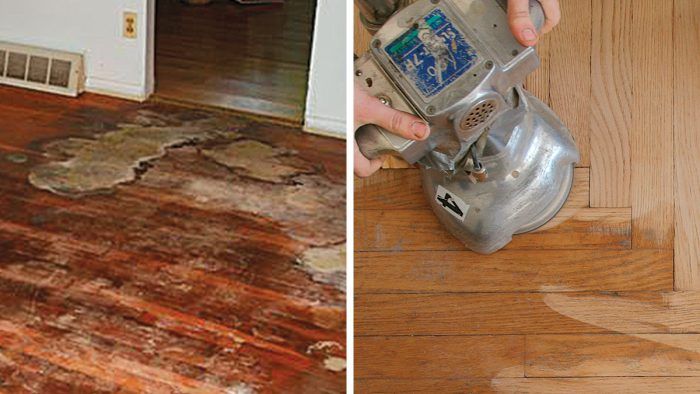
- Light Sanding (if necessary): If the stain remains, lightly sand the surface with fine steel wool or sandpaper (320 grit). Be gentle to avoid damaging the finish.
- Apply Wood Polish: Restore the finish using a polish or finish restorer.
Removing White Haze Or Rings
This usually means moisture is trapped under the finish.
- Mineral Oil or Toothpaste: Apply a small amount of mineral oil or non-gel toothpaste on a soft cloth.
- Rub Gently: Move in a circular motion over the haze or ring.
- Clean and Polish: Wipe off with a damp cloth, then dry. Apply wood polish if needed.
Odor Removal: How To Eliminate Urine Smell From Wood Floor
Even after the stain disappears, urine odor can linger. Here’s how to tackle it:
- Baking Soda Method: Sprinkle a generous amount of baking soda over the area. Leave it for several hours (overnight is best), then vacuum or sweep it up.
- Enzyme Cleaner: These cleaners break down urine proteins and are effective for pet accidents. Follow the instructions on the label, but generally, you’ll spray and let it sit for 10–15 minutes before wiping.
- Hydrogen Peroxide for Odor: After cleaning, lightly spray hydrogen peroxide and allow it to air dry.
- Ventilate: Keep windows open and fans running to help remove lingering smells.
Expert Insight: Many people forget to treat both the stain and the odor. If you only clean the surface, the smell can return—especially on warm days or after mopping.
Comparing Common Cleaning Solutions For Urine Stains
It’s important to understand the strengths and weaknesses of popular cleaning methods. Here’s a comparison:
| Solution | Effectiveness | Safe for Wood? | Odor Removal | Notes |
|---|---|---|---|---|
| White Vinegar | Good for light stains | Yes, diluted | Moderate | Always dilute; can dull finish if overused |
| Hydrogen Peroxide | Excellent for dark stains | Yes | High | Test in hidden area first |
| Baking Soda | Fair for surface stains | Yes | High | Vacuum after use |
| Enzyme Cleaner | Best for pet stains | Check label | Very high | Do not rinse immediately |
| Bleach | High (not recommended) | No | High | Can damage wood and finish |
Key Takeaway: Avoid harsh chemicals like bleach or ammonia on wood floors. Stick to safe, proven methods.
How To Restore The Wood Floor After Cleaning
Urine stains can sometimes leave the wood looking dull or patchy, even after cleaning. Here’s how to bring back the shine:
- Polishing: Use a wood floor polish suitable for your floor type. Follow the instructions on the product.
- Waxing (for unfinished floors): If you have an unfinished wood floor, apply a thin layer of wood wax using a soft cloth. Buff gently.
- Touch-up Markers: For minor discoloration, use wood repair markers matching your floor’s color.
- Professional Refinishing: If stains persist or the finish is damaged, consult a flooring professional for refinishing.
Hidden Insight: Many people skip polishing after cleaning, but this step protects your floor from future stains and helps blend any color changes.
Credit: www.reddit.com
Mistakes To Avoid When Removing Urine Stains From Wood Floors
Learning from others’ mistakes can save you time and money. Here are the most common errors:
- Using Too Much Water: Excess water can seep into the seams and cause warping.
- Scrubbing Aggressively: Hard scrubbing scratches the finish.
- Mixing Cleaners: Combining ammonia and bleach is dangerous and releases toxic fumes.
- Skipping Odor Removal: Cleaning the stain without addressing odor leads to repeat accidents (especially with pets).
- Ignoring Manufacturer’s Instructions: Always check the wood floor manufacturer’s care recommendations.
How Different Wood Types React To Urine Stains
Not all wood floors respond the same way to urine. Here’s a quick look:
| Wood Type | Stain Absorption | Odor Risk | Cleaning Difficulty |
|---|---|---|---|
| Oak (Red/White) | Moderate | Medium | Average |
| Maple | Low | Low | Easy |
| Pine | High | High | Challenging |
| Engineered Hardwood | Low (top layer only) | Low | Easy |
| Bamboo | Medium | Medium | Average |
Pro Tip: Softer woods like pine absorb stains faster. Engineered floors are more resistant, but the finish can still be damaged.
Pet Urine Vs. Human Urine: Is There A Difference?
Many people wonder if the cleaning method changes depending on the source. Here’s what you need to know:
- Pet urine often contains more ammonia and can be more concentrated, especially with cats.
- Pet accidents are more likely to happen in the same spot, leading to repeated exposure and tougher stains.
- Human urine (from children or adults) is usually less concentrated but can still cause staining if left untreated.
Best Practice: Use an enzyme cleaner for pet stains to break down the proteins and prevent repeat accidents. For human urine, focus on prompt cleaning and odor control.
How To Prevent Future Urine Stains
Prevention is always easier than cleaning. Here are some strategies:
- Train Pets and Children: Consistent training reduces accidents. For pets, regular walks and positive reinforcement help.
- Use Rugs and Mats: Place absorbent mats in high-risk areas (near doors, beds, or litter boxes).
- Seal Your Floors: A good quality finish or sealer makes wood more resistant to liquid.
- Clean Spills Quickly: The faster you act, the less likely a stain will form.
- Routine Maintenance: Regularly clean and polish your floors to maintain their protective layer.
Non-Obvious Insight: Many pet owners overlook the value of routine floor maintenance. A well-sealed floor is much easier to clean, and stains are less likely to become permanent.
What If The Urine Stain Won’t Come Out?
If you’ve tried all the above and the stain remains, here are your options:
- Deep Sanding and Refinishing: For severe stains, you may need to sand down the affected area and refinish it. This is best done by a professional.
- Board Replacement: If the urine has soaked through and caused warping or rot, replacing the damaged boards is sometimes the only solution.
- Professional Cleaning: Companies specializing in wood floors have industrial-grade cleaners and techniques that can sometimes succeed where home methods fail.
Insider Tip: Most stains can be removed or lightened with patience and repeated treatments. However, very old or deep black stains may always leave a mark.
How To Remove Urine Stain From Wood Floor: Step-by-step Summary
Here’s a quick summary for reference:
- Blot fresh stains immediately with paper towels.
- Clean with mild soap and water for fresh stains.
- Use a vinegar or hydrogen peroxide solution for dried stains.
- Apply baking soda or enzyme cleaner to remove odors.
- Restore finish with polish or wax if needed.
- Repeat as needed and be patient with deep stains.
This approach works for most cases and avoids damage to your wood floor.
Cost Comparison: Diy Vs. Professional Urine Stain Removal
Wondering if you should call a professional? Here’s a rough comparison:
| Method | Average Cost | Time Required | Success Rate |
|---|---|---|---|
| DIY (Home Supplies) | $10–$30 | 30–90 minutes | High for fresh stains |
| Professional Cleaning | $75–$200 per visit | 1–2 hours | Very high |
| Refinishing | $2–$5 per sq ft | Several hours to days | Removes all stains |
| Board Replacement | $150–$400 per board | Several hours | Guaranteed |
Advice: For most stains, DIY methods are effective and affordable. Call a pro if you see warping, mold, or persistent odor after cleaning.
When To Replace A Section Of Wood Floor
Sometimes, replacement is the only answer. Here’s when you should consider it:
- Black stains that remain after sanding
- Soft, warped, or rotten boards
- Repeated pet accidents in one area
If you notice these signs, continuing to clean may not help. Replacement will restore both the look and health of your floor.
Useful Resources For Further Help
If you want more technical details on wood floor care or advanced cleaning, check out this Family Handyman guide for further step-by-step tips and troubleshooting.
Frequently Asked Questions
How Long Does It Take To Remove A Urine Stain From Wood Floor?
The time needed depends on the stain’s age and depth. Fresh stains can often be removed in 30 minutes or less. Older, deeper stains may require several treatments over a day or two. Patience and repetition are key for stubborn spots.
Can I Use Bleach To Remove Urine Stains From Wood Floors?
Bleach is not recommended for wood floors. It can damage the wood, remove color, and weaken the finish. Safer options include diluted vinegar, hydrogen peroxide, or enzyme cleaners. Only use bleach if the manufacturer recommends it and only as a last resort.
Will Sanding Always Remove Dark Urine Stains?
Sanding can remove surface stains, but very deep black stains may go beyond the surface layer. In these cases, you might need to replace the affected wood board. Always start with mild cleaning before trying sanding.
Do Enzyme Cleaners Really Work For Pet Urine?
Yes, enzyme cleaners are highly effective for pet urine. They break down the proteins and uric acid in urine, removing both the stain and odor. Make sure the product is safe for wood floors and follow the label instructions.
How Can I Prevent My Pet From Urinating On The Wood Floor Again?
Prevention involves consistent training, frequent walks, cleaning litter boxes, and using deterrent sprays. Also, thoroughly remove all traces of odor so your pet isn’t attracted back to the same spot. Place rugs in high-risk areas and reward good behavior.
Removing urine stains from a wood floor is challenging, but with the right steps, it’s entirely possible to restore your floor’s beauty and freshness. With quick action, the proper tools, and a bit of patience, you can protect your investment and keep your home smelling clean.
Credit: www.bibliotecaoscura.com