
Ceramic pans have become a popular choice in kitchens around the world. People often buy them because they are easy to clean, look stylish, and are advertised as a healthier alternative to traditional nonstick pans. However, many users notice something frustrating: after a few months, their ceramic pans no longer feel as nonstick as before. Food begins to stick, and cleaning becomes harder. This leaves many wondering—why do ceramic pans lose their nonstick properties?
If you’ve experienced this, you are not alone. Understanding why ceramic pans lose their nonstick coating can help you make better choices in the kitchen. It can also help you extend the life of your cookware and avoid common mistakes.
In this article, you will learn what makes ceramic pans nonstick, why they lose this quality, and what you can do to prevent or fix the problem. You will also see how ceramic pans compare to other types of nonstick cookware and get clear answers to the most common questions.
What Makes Ceramic Pans Nonstick?
Ceramic pans are often called “nonstick,” but their nonstick surface is not made of Teflon or PTFE like traditional nonstick pans. Instead, the nonstick layer comes from a special sol-gel coating made from silica, which is the main ingredient in glass and sand. This coating is applied to the surface of a metal pan, often aluminum or stainless steel, and then baked at high temperatures. The result is a smooth, glass-like finish that feels slick and helps prevent food from sticking.
The main reasons ceramic pans start out nonstick are:
- The silica-based coating is very smooth, so food and liquids can’t easily grip the surface.
- Oils and fats spread evenly across the surface, making it even harder for food to stick.
- The coating is free from synthetic chemicals like PTFE and PFOA, which some consumers prefer to avoid.
It’s important to note that ceramic nonstick is not the same as classic ceramic cookware, which is made entirely from baked clay. In this article, “ceramic pans” refers to pans with a ceramic-based nonstick coating.
How Do Ceramic Nonstick Coatings Work?
The technology behind ceramic coatings is fascinating. The sol-gel process transforms liquid silica into a thin, hard layer on the pan’s surface. After curing, this layer acts much like glass: it is smooth, non-porous, and somewhat hydrophobic (it repels water). This slickness is what gives new ceramic pans their nonstick feel.
However, unlike Teflon or other synthetic nonstick coatings, ceramic coatings do not have a “self-healing” property. Once this glass-like layer is scratched, worn, or changed by heat, it cannot repair itself. This is a key reason why ceramic pans lose their nonstick properties over time.
Why Do Ceramic Pans Lose Their Nonstick Properties?
There are several reasons why the nonstick quality of ceramic pans fades. Understanding these causes can help you avoid them or slow down the process.
1. High Heat Damage
Ceramic nonstick coatings are sensitive to high temperatures. If you use your pan on high heat or over an open flame, the coating can break down. High heat causes microscopic cracks and changes in the surface, making it rougher and less slick. This is often the main reason ceramic pans lose their nonstick power quickly.
Tip: Use ceramic pans on low to medium heat whenever possible.
2. Abrasive Cleaning
Using rough sponges, steel wool, or abrasive powders can scratch the ceramic surface. Even if the scratches are tiny, they can make the surface sticky and prone to buildup. Over time, these scratches add up, and food will begin to stick in those spots.
Tip: Clean ceramic pans with a soft sponge or cloth.
3. Oil And Fat Buildup
While ceramic coatings are smooth, they are not completely resistant to oil and fat buildup. If oil, butter, or cooking spray is repeatedly heated on the pan, it can leave behind a thin, sticky film. This film is not easy to remove with normal washing and can make the nonstick surface feel “gummy.
”
Practical insight: Many people think adding more oil will solve the sticking problem, but it can actually make it worse if the pan is not cleaned well.
4. Dishwasher Use
Most manufacturers say that ceramic pans are “dishwasher safe. ” However, the harsh detergents and hot water in dishwashers can cause the nonstick coating to wear out faster. The coating can become dull, and small cracks may appear.
Tip: Hand wash your ceramic pans to protect the coating.
5. Metal Utensils
Using metal forks, knives, or spatulas on ceramic pans can scratch the nonstick layer. Even a single deep scratch can create a spot where food sticks, and further use will make the problem worse.
Tip: Only use wooden, silicone, or plastic utensils with ceramic pans.
6. Age And General Wear
No nonstick coating lasts forever. With every use, the surface gets a little less slick—even if you are careful. Over time, the thin glass-like layer naturally wears off, especially in the spots where you stir or scrape the most.
Insight: Most ceramic pans start to lose their nonstick ability after 6–12 months of regular use.
7. Cooking Sprays
A common mistake is using aerosol cooking sprays on ceramic pans. These sprays contain additives that burn at lower temperatures and can leave a sticky residue on the pan. This residue is very difficult to remove and quickly destroys the nonstick effect.
8. Sudden Temperature Changes
Pouring cold water onto a hot ceramic pan can cause thermal shock. This sudden change in temperature can crack or warp the nonstick coating, leading to rough spots that stick.
Example: If you finish cooking and immediately soak the hot pan in cold water, the coating may suffer invisible damage.
9. Storing Pans Incorrectly
Stacking pans on top of each other without protection can scratch the ceramic surface. Even sliding one pan into another can cause tiny scratches, especially if there are metal edges.
Tip: Place a soft cloth or paper towel between pans when stacking.
10. Low-quality Manufacturing
Not all ceramic pans are made equal. Some cheaper pans use thin or uneven coatings, which wear out much faster. If you buy a pan with a poor-quality coating, you may notice sticking after just a few uses.
Non-obvious insight: Price does not always mean quality, but extremely cheap pans often use low-grade ceramic coatings.
Comparing Ceramic Pans To Other Nonstick Cookware
To understand why ceramic pans behave the way they do, it helps to compare them with other types of nonstick pans, such as Teflon-coated and anodized aluminum pans.
Here’s a simple comparison:
| Type | Nonstick Durability | Heat Resistance | Ease of Cleaning | Chemical Safety |
|---|---|---|---|---|
| Ceramic | 6–12 months | Up to 450°F | Easy at first, harder after wear | No PTFE/PFOA |
| Teflon (PTFE) | 1–3 years | Up to 500°F | Very easy | PTFE, but safe under 500°F |
| Anodized Aluminum | 1–3 years | Up to 450°F | Easy | No PTFE/PFOA |
You can see that ceramic pans usually have a shorter nonstick life compared to Teflon-coated pans. However, they are often chosen for their chemical safety and eco-friendly image.
Signs Your Ceramic Pan Is Losing Its Nonstick Properties
It can be hard to know exactly when a ceramic pan is past its best. Here are the most common signs:
- Food starts to stick: Even eggs or pancakes don’t slide out easily.
- Uneven color: The surface looks dull, scratched, or has brown spots.
- Sticky residue: You notice a sticky or gummy feel, even after washing.
- Difficulty cleaning: You need to scrub more, and stains do not come off.
- No more “beads”: Water no longer beads on the surface but spreads out flat.
When you notice these signs, your pan’s nonstick days are probably numbered.
How To Prevent Ceramic Pans From Losing Their Nonstick Coating
While no ceramic pan lasts forever, you can make yours last longer with a few simple habits.
1. Use Low To Medium Heat
Never heat ceramic pans on high. Most foods cook well on medium heat, and this protects the coating from damage.
2. Preheat Gently
If you need to preheat your pan, do it on low for a minute or two. Never preheat a ceramic pan when it’s empty for a long time.
3. Add Oil After Heating
Pour a small amount of oil into the pan after it is warm. This helps protect the coating and improves the nonstick effect.
4. Use Proper Utensils
Stick to wooden, silicone, or plastic utensils. They are gentle on the ceramic surface.
5. Clean With Care
Wash pans with warm, soapy water and a soft sponge. If you need to soak the pan, use warm water—not hot or cold—right after cooking.
6. Avoid Cooking Sprays
Use a small amount of natural oil (like avocado or olive oil) instead of aerosol sprays.
7. Store With Care
Stack pans with a cloth or paper towel between them to avoid scratching.
8. Hand Wash Only
Even if the label says “dishwasher safe,” hand washing extends the life of your ceramic pan.
9. Remove Buildup Promptly
If you see oil or food buildup, clean it with a paste of baking soda and water. Gently scrub with a soft cloth.
10. Allow To Cool Before Washing
Let the pan cool down before washing to avoid thermal shock.
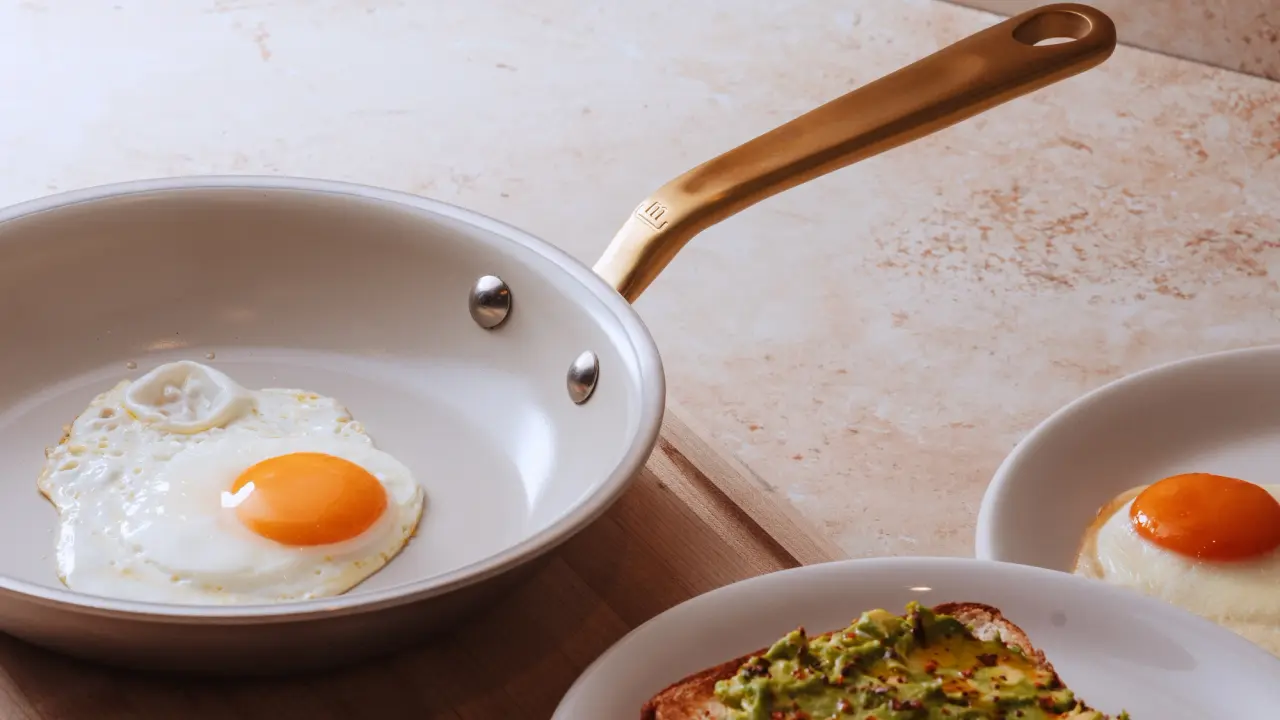
Credit: madeincookware.com
Can You Restore The Nonstick Properties Of A Ceramic Pan?
When a ceramic pan starts to stick, many people wonder if there’s a way to bring back the nonstick surface. The answer depends on the cause.
- If the problem is oil or fat buildup, you may be able to fix it. Scrub gently with a baking soda paste or use a vinegar soak, then rinse well.
- If the surface is scratched or worn away, there is no way to fully restore the original nonstick quality. No home seasoning or spray can replace the lost ceramic layer.
Non-obvious tip: Some people try to “season” ceramic pans like cast iron. This does not work because the ceramic coating is not porous and cannot absorb oil in the same way.
The Science Behind Ceramic Coating Wear
To understand why ceramic pans lose their nonstick properties, it helps to look at what happens on a microscopic level. The ceramic sol-gel coating is made of silica particles that bond together to form a glassy layer. This layer is very smooth at first, with almost no pores or texture.
Over time, several things can happen:
- Heat causes the bonds to loosen and the surface to become rougher.
- Scratches from utensils or cleaning tools create grooves where food can stick.
- Chemical reactions (from acidic foods or harsh detergents) can slowly break down the silica bonds.
Each of these changes makes the pan less nonstick. This is why older pans—even if they look okay—do not perform as well as new ones.
Common Myths About Ceramic Pans
There are many myths about ceramic pans. Let’s clear up a few of the most common.
Myth 1: Ceramic Pans Last A Lifetime
Some brands claim their pans last for years or even decades. In reality, most ceramic nonstick coatings last 6–18 months with regular use. This is much less than many people expect.
Myth 2: All Ceramic Pans Are The Same
There are big differences in quality. Some pans have thick, even coatings that last longer. Others have thin or uneven layers that wear out quickly. Always check reviews and look for trusted brands.
Myth 3: “green” Means Indestructible
Many ceramic pans are marketed as “eco-friendly” or “green. ” While they may use safer materials, they are not immune to scratches, heat damage, or wear.
Myth 4: More Expensive Is Always Better
High price does not always mean higher quality. Sometimes, you pay more for a brand name or design rather than a better coating.
Myth 5: You Can Use Any Cleaner
Strong cleaners, oven sprays, or abrasive powders can ruin the ceramic coating. Stick to mild soap and water.
Practical Tips For Making Ceramic Pans Last Longer
Here are some real-world tips from chefs and home cooks who use ceramic pans every day:
- Cook wet foods (like eggs or pancakes) rather than dry, sticky foods. Wet foods are less likely to stick.
- Don’t use the pan as a storage container. Acidic foods left overnight can damage the coating.
- Rotate your pans. Don’t use the same ceramic pan every day. Give it time to “rest.”
- Replace when needed. If food sticks often, it’s time to buy a new pan.
- Keep an eye on color. If the pan is no longer glossy, the coating may be worn.
How To Choose A Quality Ceramic Pan
If you want a ceramic pan that lasts as long as possible, here’s what to look for:
1. Thickness Of Coating
Look for pans with a thicker ceramic coating. This usually means better durability.
2. Type Of Base
A heavy, flat base (usually aluminum or stainless steel) heats evenly and reduces hot spots that can damage the coating.
3. Brand Reputation
Choose brands with good reviews and a history of quality. Avoid no-name or “as seen on TV” brands that often use cheap coatings.
4. Warranty
Some brands offer a limited warranty. This can be a sign that the company stands behind its product.
5. Price
Avoid the very cheapest pans. Quality ceramic pans are not the most expensive, but they are rarely the cheapest.
Here’s a quick comparison of features:
| Feature | Low-Quality Ceramic Pan | High-Quality Ceramic Pan |
|---|---|---|
| Coating Thickness | Thin, uneven | Thick, even |
| Pan Material | Lightweight, warps easily | Heavy base, resists warping |
| Warranty | None or short | 1 year or more |
| Price | Very cheap | Moderate |
When To Replace Your Ceramic Pan
No matter how careful you are, all ceramic pans reach the end of their life. Here are signs it’s time for a new one:
- Food sticks even after careful cleaning
- The surface is deeply scratched or chipped
- The pan looks dull and stained
- Cooking results are worse than before
Trying to use a worn-out pan can lead to frustration and poor results. It’s better to replace the pan than to keep fighting with it.
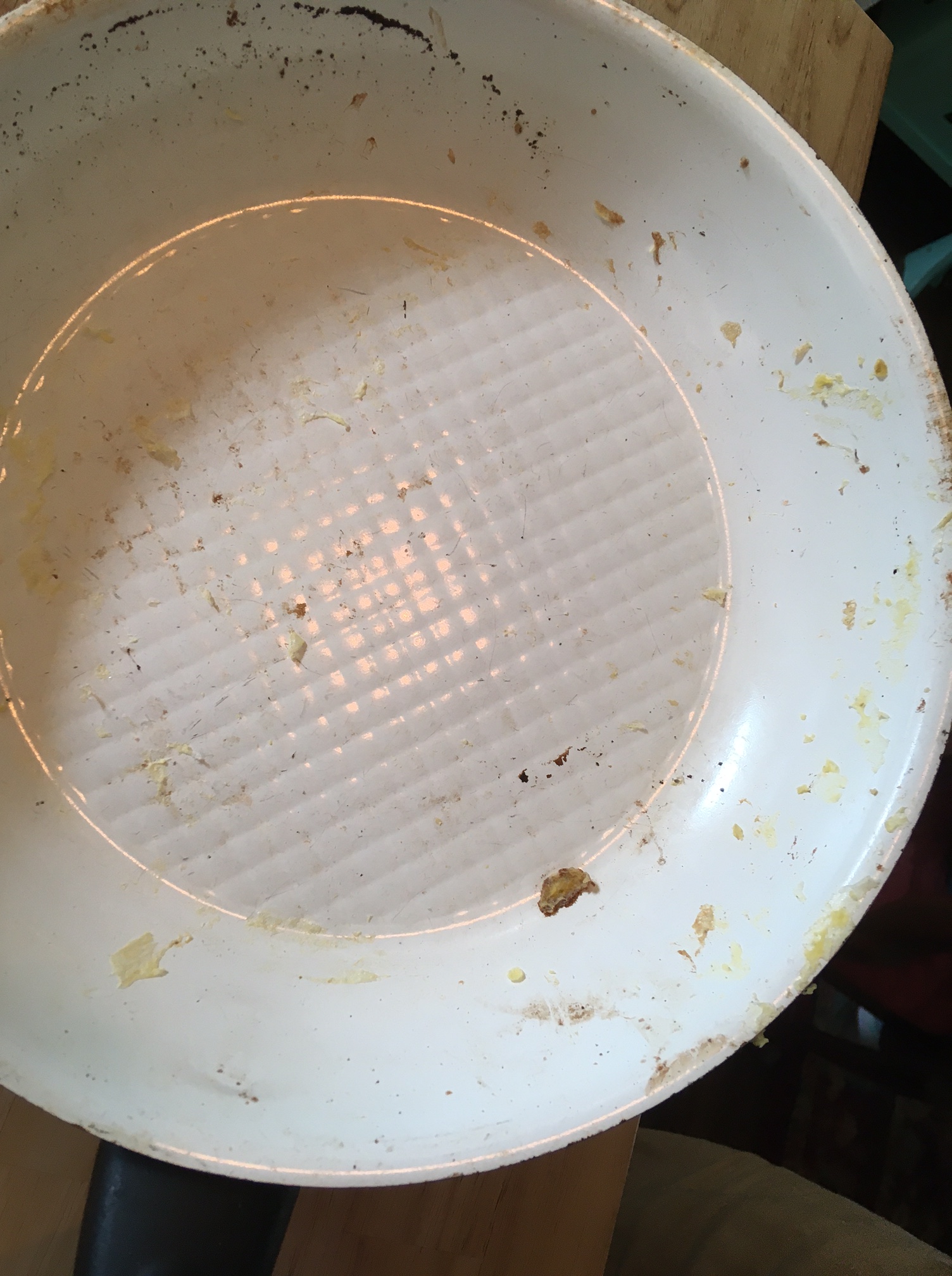
Credit: economistwritingeveryday.com
The Environmental Impact Of Ceramic Pans
One reason many people choose ceramic pans is the belief that they are better for the environment. Most ceramic coatings are made without PTFE or PFOA, chemicals linked to health and environmental issues. However, the environmental impact also depends on how long the pan lasts.
- If you replace a ceramic pan every 6–12 months, you may actually create more waste than with a longer-lasting Teflon pan.
- High-quality ceramic pans may last longer, but all nonstick coatings eventually wear out.
The best choice for the planet may be to use a pan as long as possible, care for it well, and recycle or dispose of it properly when finished. For more on nonstick cookware safety, see this Wikipedia article.
Frequently Asked Questions
Why Do Eggs Stick To My Ceramic Pan After A Few Months?
Eggs are especially sensitive to surface changes. When the ceramic coating wears or becomes rough, eggs lose their “slide” and stick. This often happens when the pan is scratched, has oil buildup, or is simply old.
Can I Season A Ceramic Pan To Make It Nonstick Again?
No, seasoning does not work on ceramic pans like it does on cast iron. The ceramic surface is not porous, so oil cannot soak in. Cleaning with baking soda may help if there is oil buildup, but it cannot restore lost coating.
Is It Safe To Keep Using A Ceramic Pan When The Coating Wears Off?
If the coating is just scratched, it is usually safe, but the pan may stick more. If you see the metal base or large chips, it’s better to replace the pan. Damaged coating can flake off into food.
How Can I Clean Burnt-on Food From A Ceramic Pan?
Soak the pan in warm, soapy water for 20–30 minutes. Use a soft sponge to remove residue. For tough stains, try a paste of baking soda and water. Avoid metal scrubbers or harsh chemicals.
Are Ceramic Pans Better Than Teflon Pans?
Ceramic pans are safer at high heat and contain no PTFE or PFOA, but they usually wear out faster. Teflon pans last longer but must not be overheated. The best choice depends on your cooking habits and safety concerns.
Ceramic pans offer a great start with their nonstick properties and chemical safety, but they do require care to last. By understanding how and why ceramic pans lose their nonstick coating, you can make smarter choices and enjoy better cooking results for longer.
Whether you decide to stick with ceramic or try another type of nonstick pan, knowing the facts will help you get the most out of your cookware.

Credit: madeincookware.com