
Removing paint overspray from a vinyl floor can feel overwhelming, especially if you discover the problem after a painting project. Paint can land where you least expect, turning a clean surface into a patchy mess. The good news is that vinyl flooring is built to be tough, and most types of paint can be removed without permanent damage.
However, the process requires patience, the right products, and careful technique. In this guide, you’ll learn practical, step-by-step methods for tackling paint overspray—whether the paint is fresh or has dried for weeks. Along the way, you’ll find expert tips, smart prevention strategies, and honest insights about what works and what doesn’t.
If you want a spotless vinyl floor and a stress-free experience, keep reading.
Understanding Vinyl Flooring And Paint Overspray
Before you begin, it’s important to understand why vinyl flooring reacts the way it does to paint. Vinyl is a synthetic material made from polyvinyl chloride (PVC), which gives it durability, moisture resistance, and a smooth, easy-to-clean surface. However, its plastic-like surface can sometimes make paint adhere more firmly, especially if the paint is oil-based or has been left to dry for a long time.
Paint overspray refers to tiny droplets of paint that settle on surfaces not meant to be painted. This happens during spray painting or even with a roller or brush if there’s splatter. On vinyl, overspray can look like a fine mist or small dots, but it can also form larger blotches if not cleaned quickly.
Identifying The Paint Type: Why It Matters
Not all paints are the same, and the type of paint on your floor will affect how you remove it. There are three main types:
- Water-based paint (latex or acrylic): Most common for home projects, dries quickly and is usually easier to remove from vinyl.
- Oil-based paint: More durable and resistant, but harder to clean off vinyl.
- Spray paint: Can be either water- or oil-based, but often forms a thin, stubborn layer.
To test the paint type, dampen a cloth with rubbing alcohol and rub a small area of the paint. If it comes off, it’s likely water-based. If not, it’s probably oil-based.
Preparing To Remove Paint Overspray
Preparation is half the battle. Rushing into paint removal without proper prep can make things worse or even damage your floor.
Gather The Right Supplies
You’ll need some basic tools and materials:
- Soft microfiber cloths
- Plastic putty knife or scraper (never use metal)
- Warm water
- Mild dish soap
- Isopropyl alcohol (rubbing alcohol)
- Acetone or nail polish remover (for oil-based paint, use sparingly)
- Cotton balls or pads
- Spray bottle
- Rubber gloves
- Old towels
- Protective goggles (optional but smart)
- Painter’s tape and plastic sheets (for future prevention)
Safety First
Always work in a well-ventilated area and wear gloves when handling chemicals. Some solvents can damage your skin or give off strong fumes. Open windows if possible, and keep pets and children away from the area.
Test A Hidden Area
Before applying any cleaner or solvent, test it on a small, hidden part of your vinyl floor. This helps you avoid discoloration or surface damage.
Removing Fresh Paint Overspray From Vinyl Floor
If you catch the overspray while the paint is still wet or tacky, you’re in luck. Fresh paint is much easier to remove and less likely to stain.
Step-by-step Removal For Fresh Paint
- Blot, Don’t Rub: Use a soft, dry cloth or paper towel to blot up as much paint as possible. Don’t rub, as this will spread the paint and push it into the vinyl’s texture.
- Use Mild Soap and Water: Mix a few drops of mild dish soap with warm water in a bowl or spray bottle. Dampen a clean cloth with this solution.
- Wipe Gently: Wipe the affected area, using light pressure. Work from the outside toward the center to avoid spreading the paint.
- Repeat as Needed: Rinse the cloth often and repeat the process until all paint is gone.
- Dry Thoroughly: Use a towel to dry the area and check for any remaining paint spots.
Insider Tip: For very light overspray, a baby wipe can sometimes do the trick. These wipes are gentle and contain mild cleaning agents.
Removing Dried Paint Overspray From Vinyl Floor
Dried paint requires a bit more effort, but with the right approach, it can be removed without harming the floor.
Step 1: Loosen The Paint
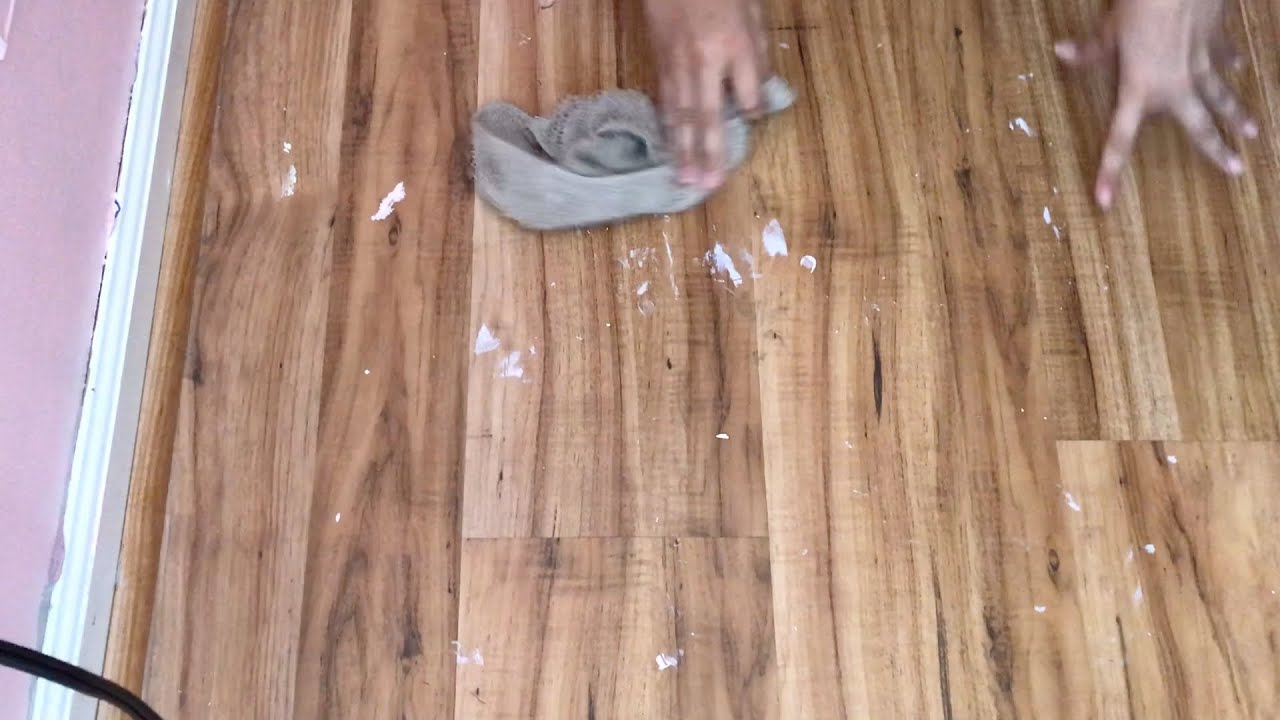
Dampen a soft cloth with warm water and place it over the paint spots for 10–15 minutes. This softens the paint, making it easier to remove.
Step 2: Scrape Gently
Use a plastic putty knife or an old credit card to gently lift the paint. Hold the tool at a low angle and push forward slowly. Avoid digging into the vinyl.
Step 3: Try Rubbing Alcohol
If water alone doesn’t work, dampen a cloth with isopropyl alcohol. Dab the paint spots and let it sit for 1–2 minutes. The alcohol will help break down most water-based paints.
Step 4: Remove Residue
Wipe the area with a clean, damp cloth to remove any alcohol and loosened paint. Repeat as needed.
Step 5: For Stubborn Paint, Use Acetone
Important: Acetone is a strong solvent. Use it only as a last resort, and always test first. Dampen a cotton ball with acetone or nail polish remover and gently rub the paint. Do not soak the vinyl, as acetone can damage the finish if used excessively.
Step 6: Clean And Dry
After the paint is gone, wash the area with mild soap and water to remove any chemical residue. Dry thoroughly.
Non-obvious insight: Don’t use steel wool, abrasive pads, or harsh cleaners. These can scratch the vinyl and leave permanent marks.
Comparing Paint Removal Methods
Different methods work better for different types of paint and levels of overspray. Here’s a quick comparison:
| Method | Best For | Pros | Cons |
|---|---|---|---|
| Soap & Water | Fresh paint, water-based paint | Safe, gentle, easy | Not effective for dried or oil-based paint |
| Rubbing Alcohol | Dried latex/acrylic paint | Effective, minimal risk to vinyl | May need several applications |
| Acetone | Stubborn, oil-based paint | Removes tough spots | Can damage vinyl if overused |
| Plastic Scraper | Thicker dried paint | No chemicals, reusable | May scratch if used incorrectly |
Credit: www.youtube.com
Removing Paint Overspray: Step-by-step Guide
Let’s put all the advice together into one clear, step-by-step guide.
- Act Quickly for Fresh Paint: If the paint is still wet, blot it up with a dry cloth. Use mild soap and water as described above.
- Soften Dried Paint: Place a damp cloth over the paint. Wait 10–15 minutes.
- Scrape Carefully: Lift softened paint with a plastic putty knife. Go slowly to avoid damaging the floor.
- Apply Rubbing Alcohol: For stubborn spots, dab with isopropyl alcohol. Wait a few minutes.
- Rub Gently: Use a clean cloth to wipe away the paint.
- Try Acetone if Needed: For oil-based paint, use acetone sparingly with a cotton ball.
- Clean Up: Wash the area with soap and water. Dry with a towel.
Pro tip: For large areas of overspray, work in small sections. This keeps the solvent from drying out before it can work on the paint.
Special Situations: Large Areas, Textured Vinyl, Or Old Paint
Sometimes, paint overspray covers a large area or has settled into textured grooves. Here’s how to handle these tougher cases.
Large Areas
Don’t try to remove all the paint at once. Work in sections about two feet wide. This prevents the cleaning solution from drying out and lets you focus on one area at a time.
Textured Vinyl
Paint can settle into the grooves or patterns of textured vinyl. In these cases, use a soft-bristled brush (like an old toothbrush) with mild soap and water or rubbing alcohol. Brush gently along the grooves to lift paint without scratching.
Old, Hardened Paint
If the paint has been on the floor for months or even years, it may have bonded with the vinyl. Be patient. Repeated applications of rubbing alcohol, gentle scraping, and even brief use of a hairdryer (on low heat) to soften the paint can help.
Never use a heat gun—too much heat can warp vinyl.
What Not To Do: Common Mistakes To Avoid
Many well-intentioned DIYers make mistakes that can ruin their flooring. Here are the top pitfalls:
- Using metal scrapers or blades: These can gouge or scratch vinyl permanently.
- Applying too much solvent: Flooding the area with acetone or alcohol can discolor or weaken the vinyl.
- Scrubbing with abrasive pads: Steel wool or rough sponges leave visible scratches.
- Ignoring test patches: Always test cleaners in a hidden spot first.
- Skipping rinsing: Solvents left on the floor can degrade the vinyl over time.
When To Call A Professional
Sometimes, it’s safer and faster to call in a professional cleaner. If you have:
- Extensive overspray (covers a large area)
- Thick layers of dried paint
- Older vinyl floors that are already worn or damaged
A pro has the right tools and experience. They may use specialized products or machines that clean without harming your floor.
How To Prevent Paint Overspray On Vinyl Floors
Prevention is always easier than removal. Here are some proven strategies:
- Use Drop Cloths or Plastic Sheets: Cover your floor completely before painting. Secure edges with painter’s tape.
- Choose the Right Tape: Use painter’s tape designed for delicate surfaces to avoid residue.
- Seal Gaps: Tuck plastic or cloth under baseboards to catch stray drops.
- Work in Small Sections: This reduces the risk of accidental splatters.
- Mask Off Edges: Use tape to cover the edges of vinyl near walls or cabinets.
- Use Low-Pressure Spray: If using a paint sprayer, adjust to the lowest pressure needed.
Non-obvious insight: Always check for static electricity. Vinyl can attract dust and paint mist, so wipe it with an anti-static cloth before starting work.
Comparing Commercial Paint Removers For Vinyl Floors
There are many commercial products advertised for paint removal. Not all are safe for vinyl. Here’s a look at a few common types:
| Product Type | Key Ingredients | Safe for Vinyl? | Effectiveness |
|---|---|---|---|
| Goo Gone Painter’s Pal | Petroleum distillates, citrus oil | Yes, if used as directed | Good for latex, moderate for oil-based |
| Krud Kutter Latex Paint Remover | Water-based solvents | Yes | Very effective for water-based paint |
| Acetone-based Removers | Acetone, solvents | No (use with extreme caution) | Strong, but risk of damage |
| Homemade Mix (Soap & Alcohol) | Dish soap, isopropyl alcohol | Yes | Safe, reliable for most situations |

Credit: www.reddit.com
Eco-friendly And Child-safe Paint Removal Options
If you’re concerned about harsh chemicals, there are safer options:
- Vinegar and Water: Mix equal parts white vinegar and water. Apply to paint spots, let sit, then wipe away. Works best for fresh paint.
- Baking Soda Paste: Mix baking soda with a little water to form a paste. Apply to the paint, wait 10 minutes, then gently scrub.
- Citrus-based cleaners: These are less harsh and usually safe for vinyl, but always check the label.
Note: Natural methods may require more effort and time, but they are gentler on your home and family.
How To Restore Shine To Your Vinyl Floor After Paint Removal
After cleaning off paint, you may notice that the vinyl looks dull or streaky. Here’s how to bring back its shine:
- Wash with Mild Soap: Use warm water and a few drops of mild dish soap. Mop the area gently.
- Rinse Thoroughly: Remove all soap residue with clean water.
- Dry Completely: Wipe with a dry towel to avoid water spots.
- Apply Vinyl Floor Polish: Use a polish made for vinyl floors to restore gloss and protect the surface. Always follow the product instructions.
Pro tip: Avoid wax products. Modern vinyl doesn’t need waxing and wax can actually cause buildup and dullness.
Dealing With Discoloration Or Stains After Paint Removal
Sometimes, even after the paint is gone, you may see light stains or discoloration. Here’s what you can do:
- Try Baking Soda Paste: As described above, this can lift minor stains.
- Use a Magic Eraser: These sponges can remove some marks, but use gently to avoid dulling the finish.
- Commercial Vinyl Cleaner: For persistent stains, use a cleaner specifically labeled for vinyl flooring.
If stains remain, they may be permanent, especially with old, oil-based paint. In these cases, consider a floor mat or rug to hide the mark, or consult a flooring expert for repair options.
Example: Real-world Paint Removal Scenario
Imagine you painted your kitchen and discovered a fine mist of white paint all over your gray vinyl floor. Here’s how you could solve the problem:
- Step 1: Wipe up any wet paint immediately with a dry cloth.
- Step 2: For dried overspray, place wet cloths over the spots for 10 minutes.
- Step 3: Gently scrape with a plastic putty knife.
- Step 4: Apply rubbing alcohol to stubborn spots. Wait 2 minutes, then rub with a microfiber cloth.
- Step 5: For any remaining spots, dab lightly with acetone. Rinse with soap and water.
- Step 6: Restore shine with vinyl polish.
This process, though time-consuming, will usually restore the floor without damage.

Credit: www.youtube.com
Paint Overspray Removal: Cost And Time Estimates
How long will it take? What will it cost? Here’s a general guide:
| Scope | DIY Time | DIY Cost | Pro Cleaning Cost |
|---|---|---|---|
| Small Area (few spots) | 15–30 minutes | $0–$10 (household products) | $50–$100 |
| Medium Area (several feet) | 1–2 hours | $10–$25 (commercial cleaner/tools) | $100–$250 |
| Large Area (whole room) | 2–4 hours | $20–$40 | $250–$500 |
Fact: According to home improvement experts, over 85% of paint overspray on vinyl floors can be removed successfully with gentle DIY methods.
Extra Tips For A Flawless Finish
- Use only soft cloths for wiping—microfiber is best.
- Change cloths often to avoid spreading paint back onto clean areas.
- Never soak vinyl in water or solvent; damp is enough.
- Ventilate the room when using strong cleaners.
- Store leftover paint safely, and clean up spills immediately.
Where To Find More Help
If you need more information, many vinyl flooring manufacturers have cleaning guides on their official websites. Always check your floor’s warranty before using harsh chemicals. For more in-depth cleaning advice, the Family Handyman offers a range of tested methods.
Frequently Asked Questions
What Should I Do If I’m Not Sure What Kind Of Paint Is On My Vinyl Floor?
If you’re unsure, test a small spot with rubbing alcohol. If the paint dissolves, it’s water-based. If not, it’s likely oil-based. Always start with the gentlest cleaning method, and move to stronger options only if needed.
Can I Use A Steam Cleaner To Remove Paint Overspray From Vinyl Flooring?
No. Steam cleaners can force moisture under the vinyl and may cause warping or loosen the glue. Stick with mild soap, water, and approved solvents.
Is It Safe To Use Nail Polish Remover On Vinyl Floors?
Nail polish remover contains acetone, which can remove stubborn paint. However, it can also damage vinyl if used too much or left on the surface. Use sparingly, test first, and rinse well.
What If The Paint Won’t Come Off No Matter What I Try?
If gentle methods fail, and the paint remains, you may need professional help. Persistent stains could be permanent, especially with old or oil-based paint. Sometimes, replacing a small section of vinyl is the only solution.
How Can I Prevent Paint Overspray Next Time I Paint?
Always cover your floors with drop cloths or plastic sheets. Use painter’s tape to seal edges, and work in small sections. Keep cleaning supplies nearby for quick action if spills happen.
—
Whether you’re dealing with a small paint splatter or a large overspray disaster, removing paint from vinyl floors is possible with the right approach. By acting quickly, using safe cleaning methods, and protecting your floors during future projects, you can keep your vinyl surfaces looking like new for years to come.