
Painting ceiling tiles can completely change the look and feel of a room. Whether you want to refresh old, stained tiles or update the style, a fresh coat of paint can make a big difference. Many people think painting ceiling tiles is complicated, but it’s actually a project most homeowners can handle with a bit of patience and the right knowledge.
This guide will walk you through every step, from choosing the right paint to getting a professional-looking result. Along the way, you’ll learn practical tips, avoid common mistakes, and discover a few advanced tricks that even experienced DIYers sometimes miss.
Why Paint Ceiling Tiles?
Ceiling tiles often become discolored from age, moisture, or smoke. Some lose their brightness, making the whole room feel dull. Painting is a cost-effective way to restore their appearance without replacing the tiles. It also offers a chance to customize the look—choosing a new color, adding a glossy finish, or simply making everything look fresh and clean.
Painting can also help protect ceiling tiles from further damage. A proper coat seals the surface, making it more resistant to stains and easier to clean. For old buildings, painting can modernize the space for a fraction of the cost of replacement.
Types Of Ceiling Tiles And Paint Compatibility
Understanding your ceiling tile type is important before you start. Not all paints work with all tiles.
Common Ceiling Tile Materials
- Mineral Fiber – The most common, found in drop ceilings. They are soft and porous.
- Fiberglass – Lightweight and moisture-resistant. Used in commercial spaces.
- Metal – Tin tiles are decorative but less common in homes.
- PVC or Plastic – Durable, easy to clean, often found in basements or bathrooms.
- Gypsum Board – Similar to drywall, used for solid ceilings.
Paint Compatibility Table
Here is a quick guide on which paint types fit which tiles:
| Tile Material | Compatible Paint Types | Special Considerations |
|---|---|---|
| Mineral Fiber | Latex, Acrylic | Prime for stain blocking |
| Fiberglass | Latex, Acrylic | Light coats to prevent sagging |
| Metal | Oil-based, Spray | Use rust-inhibiting primer |
| PVC/Plastic | Specialty Plastic Paint, Spray | Ensure good adhesion |
| Gypsum Board | Latex, Acrylic | Prime for best results |
Non-obvious insight: Some mineral fiber tiles have a factory coating that resists paint. Test a small area first for adhesion.
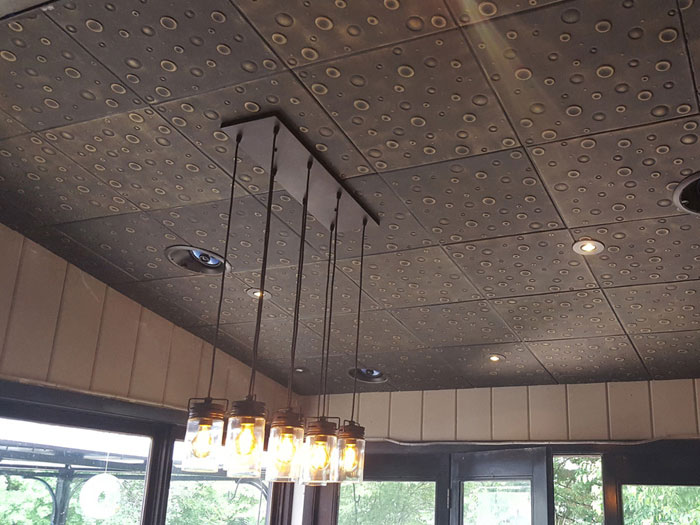
Credit: www.decorativeceilingtiles.net
Tools And Materials You’ll Need
Gather everything before you start. This saves time and prevents mistakes.
- Drop cloths or plastic sheeting (to cover floors and furniture)
- Painter’s tape
- Putty knife (for repairs)
- Mild detergent or TSP (for cleaning)
- Sponges or cloths
- Primer (stain-blocking, if needed)
- Ceiling paint (flat or matte finish is best for most tiles)
- Paint tray and liners
- Angled brush (2-2.5 inch, for edges)
- Small roller (4-6 inch, with smooth or medium nap cover)
- Extension pole (for high ceilings)
- Safety goggles and dust mask
- Step ladder
Optional:
- Sprayer (for large areas or metal/PVC tiles)
- Caulk (for filling gaps)
- Touch-up brush
Pro tip: Use a roller designed for smooth surfaces. “Ceiling paint” is sometimes thicker and less likely to drip.
Preparing The Room And Ceiling Tiles
Proper preparation is the key to a smooth, lasting finish. Rushing this step is a common mistake.
Clear And Protect The Area
Move furniture out of the way. Cover everything left with drop cloths. Don’t forget to cover light fixtures and vents. Good prep protects against paint splatters.
Remove Or Mask Ceiling Tiles
- Drop ceilings: You can remove tiles for easier painting, but it’s not required.
- Fixed tiles: Mask walls and fixtures with painter’s tape.
If you remove tiles, stack them carefully. Number the tiles on the back if you have patterns or want to put them back in the same spot.
Clean The Tiles
Dirty tiles will not hold paint well. Clean every tile with a mild detergent or TSP (trisodium phosphate). Rinse and let dry completely.
- For smoke or water stains, scrub gently and let dry.
- For mold or mildew, use a diluted bleach solution.
Repair Any Damage
Inspect tiles for cracks, dents, or holes. Patch small holes with spackle or filler and sand smooth. Replace any tile that is too damaged.
Non-obvious insight: If you paint over water stains without a stain-blocking primer, the stains will bleed through, even with several coats.
Priming Ceiling Tiles
Priming is often skipped but is crucial for stained or porous tiles. A good primer blocks stains, seals the surface, and helps the paint stick.
When To Prime
- The tiles have water, smoke, or grease stains.
- The surface is very porous (like mineral fiber).
- You’re changing to a much lighter or darker color.
- Painting metal or plastic tiles.
How To Prime
- Stir the primer well.
- Use a brush to cut in edges and details.
- Roll primer on the main surfaces using a small roller.
- Let primer dry fully before painting (usually 1-2 hours).
If you’re painting tiles in place, work in sections so you don’t miss any spots.
Choosing The Right Paint
Not all paint is created equal for ceiling tiles. The right paint type and finish will affect both the look and durability.
Paint Types
- Latex Paint: Water-based, dries fast, low odor. Good for most ceiling tiles.
- Acrylic Paint: Stronger, flexible, good for tiles that expand/contract.
- Oil-Based Paint: For metal tiles, but has strong fumes.
- Specialty Paint: Designed for plastic/PVC tiles.
Paint Finish
- Flat or Matte: Hides imperfections, reduces glare.
- Eggshell: Slight sheen, easier to clean.
- Satin/Semi-gloss: More reflective, for bathrooms/kitchens.
Expert advice: Most ceilings look best with flat paint. Use eggshell only if you need extra durability.
Paint Coverage And Vocs
Paint coverage tells you how much area a can covers, usually listed on the label. Most ceiling paint covers 250-400 sq ft per gallon. Watch for VOC (volatile organic compound) levels—low-VOC paint is safer, especially in occupied spaces.

Credit: www.reddit.com
Painting Methods: Brush, Roller, Or Spray
Choosing the right method depends on your ceiling tile type, workspace, and experience.
Brush
Best for edges, corners, and detailed tiles. Slow for large areas but gives the most control.
Roller
Ideal for most standard ceiling tiles. Fast, even coverage. Use a small roller for better control and less mess.
Spray
Fastest method, gives a smooth finish. Great for metal or plastic tiles. Needs careful masking and good ventilation.
Comparison Of Painting Methods
| Method | Speed | Finish Quality | Best For | Difficulty |
|---|---|---|---|---|
| Brush | Slow | High Detail | Small areas, edges | Easy |
| Roller | Medium | Even, soft texture | Most tile types | Moderate |
| Spray | Fast | Very smooth | Large/metal/plastic tiles | Harder (needs prep) |
Step-by-step Painting Process
Let’s break down the process for painting ceiling tiles, whether you’re leaving them in place or removing them.
Step 1: Set Up And Protect
Double-check that your drop cloths and tape are in place. Wear safety goggles and a mask—ceiling work means dust and drips.
Step 2: Cut In Edges
Use an angled brush to paint along edges, corners, and around fixtures. This creates a border and prevents roller marks near the walls.
Step 3: Roll On The Paint
Pour paint into a tray. Load the roller lightly and roll off excess. Apply paint in thin, even coats. Move in one direction (e. g. , north-south) for the first coat, then perpendicular (east-west) for the second.
- Avoid pressing too hard—this causes drips.
- Overlap each roller pass for smooth coverage.
Step 4: Let First Coat Dry
Wait at least 2 hours (check your paint can) before adding a second coat. Ceiling tiles often need two coats for full coverage.
Step 5: Apply Second Coat
Repeat the process. The second coat hides missed spots and makes the color richer.
Step 6: Touch Up
Check carefully for thin spots or drips. Touch up with a brush if needed. Let everything dry for at least 24 hours before moving furniture back.
Special Case: Painting Tiles Removed From Grid
- Lay tiles flat on a clean surface.
- Paint one side, let dry, then flip and paint the edges.
- Number tiles on the back for easy reinstallation.
Tips For A Professional-looking Finish
- Work in good lighting. Shadows hide thin spots.
- Use a high-quality roller cover for smoother paint.
- Paint in small sections to avoid missed spots.
- Don’t overload the roller—thin coats look better.
- Ventilate the room well to speed drying and reduce paint odor.
Advanced tip: If you have textured tiles, use a foam roller to avoid flattening the texture.
Common Mistakes And How To Avoid Them
Painting ceiling tiles has a few pitfalls. Here’s how to avoid the most frequent errors:
- Skipping cleaning: Paint won’t stick to dirty tiles.
- Not using primer: Stains and tannins will bleed through.
- Too much paint: Causes sagging or warping, especially on mineral fiber or fiberglass.
- Painting tiles in the grid: Paint can glue tiles to the grid if you use too much.
- Ignoring ventilation: Fumes can linger for days, especially with oil-based paints.
Non-obvious insight: If your tiles are sagging after painting, you probably used too much paint or a heavy roller. Less is more.
Special Considerations For Different Tile Types
Different ceiling tiles need slightly different handling.
Mineral Fiber Tiles
- Very absorbent—prime first.
- Too much paint can make them sag.
Fiberglass Tiles
- Light coats only.
- Allow extra drying time between coats.
Metal Tiles
- Clean thoroughly to remove grease.
- Use a rust-inhibiting primer.
- Spray paint gives the best look.
Pvc Or Plastic Tiles
- Lightly sand for better adhesion.
- Use paint designed for plastic.
- Spray is usually easiest for full coverage.
Gypsum Tiles
- Treat like drywall.
- Watch for crumbling edges—prime to seal.
When To Replace Instead Of Paint
Painting works for most ceiling tiles, but sometimes replacement is the best option.
- Tiles are water-damaged and crumbling.
- There is mold that cannot be cleaned.
- The tiles contain asbestos (never paint or disturb! ).
- The grid is rusted or bent.
For asbestos-containing tiles, consult a professional. Disturbing or painting them yourself is dangerous.

Credit: www.youtube.com
Creative Ideas: Going Beyond Plain White
While white is classic for ceilings, you can get creative with color or pattern.
- Soft gray or cream adds warmth.
- Bold color for a dramatic effect in offices or playrooms.
- Stencil patterns for a custom look.
- Metallic paint on tin tiles for a vintage style.
Expert tip: Always test your chosen color on one tile first. The way paint looks on the ceiling is often different from the wall.
Maintenance And Cleaning After Painting
Painted ceiling tiles are easier to keep clean. Wait at least two weeks before cleaning painted surfaces.
- Dust tiles regularly with a microfiber duster.
- For stains, use a damp cloth and mild soap.
- Avoid scrubbing with abrasive pads, which can damage the paint.
If a tile gets chipped or scratched, touch up with leftover paint. For larger problems, repaint the affected tile.
Cost, Time, And Labor Comparison
How does painting ceiling tiles compare with replacing them? Here’s a practical look:
| Option | Average Cost (per 100 sq ft) | Time Needed | Skill Level |
|---|---|---|---|
| Painting | $30 – $100 | 1 day (including drying) | Beginner to Intermediate |
| Replacement | $100 – $300 | 2 days | Intermediate (needs grid work) |
Painting is almost always cheaper and faster if your tiles are in good shape.
Environmental And Health Considerations
Ceiling painting is safe when you use the right products and protect yourself:
- Choose low-VOC or zero-VOC paints when possible.
- Wear a mask and ventilate the space well.
- Dispose of old paint, rags, and cleaners according to local rules.
If your building is older than 1980, check for asbestos before you start. Never sand or disturb old tiles without testing.
For more safety information, see the EPA’s official asbestos guidance.
Frequently Asked Questions
How Long Does Painted Ceiling Tile Last?
Properly painted ceiling tiles can last for 5-10 years or more. High-traffic areas or tiles exposed to moisture may need touch-ups sooner. Using a high-quality primer and paint increases durability.
Can You Paint Over Stained Ceiling Tiles?
Yes, but only if you use a stain-blocking primer first. Painting directly over stains allows them to bleed through. For severe water damage or mold, replace the tile instead.
Is It Better To Remove Ceiling Tiles Before Painting?
Removing tiles often gives the best result—especially for drop ceilings. It allows you to paint edges and avoid drips. However, you can paint tiles in place if you protect the area well and use thin coats.
What Kind Of Paint Should I Use For Ceiling Tiles?
For most tiles, use a flat or matte latex ceiling paint. For metal tiles, use oil-based or spray paint with a rust-inhibiting primer. For PVC or plastic tiles, pick a specialty plastic paint or spray.
How Do I Avoid Paint Fumes And Odors?
Choose low-VOC or zero-VOC paints. Open windows, use fans, and ventilate the space well. Wear a mask and avoid painting in very humid or cold conditions, as this slows drying.
Final Thoughts
Painting ceiling tiles is a smart way to refresh or modernize a room on a budget. With a little planning and the right approach, you can get great results—even if you’ve never painted a ceiling before. The keys are careful preparation, using the right materials for your tile type, and not rushing.
Remember to check for stains, prime if needed, and always let each coat dry fully before continuing. With these steps, your painted ceiling will look clean, bright, and new for years to come.