
Mold is a hidden problem that can damage your home and harm your health, especially when it grows where you can’t see it. One of the most common hiding spots is under flooring, where moisture gets trapped and mold spreads quietly. Many people only find out about mold after it has caused major damage or triggered allergies. Learning how to detect mold under flooring early can save you money and keep your living space healthy.
This guide explains how mold grows under floors, why it’s dangerous, and the best ways to check for it. You’ll learn practical methods, what to look for, and mistakes to avoid. Whether you have hardwood, carpet, or vinyl, you’ll find clear steps to spot mold before it becomes a big problem.
Plus, you’ll get smart advice on what to do if you find mold, and how to prevent it in the future.
Why Mold Grows Under Flooring
Mold needs three things to grow: moisture, organic material, and warmth. Floors, especially in kitchens, bathrooms, and basements, often collect moisture from leaks, spills, or high humidity. Wood, carpet, and some vinyl floors have materials that mold can use for food. If water gets trapped under flooring, mold can grow in as little as 24 to 48 hours.
Some common causes of moisture under flooring include:
- Plumbing leaks under sinks, toilets, or appliances
- Flooding or water spills that aren’t cleaned up quickly
- High indoor humidity (above 60%)
- Improper installation that doesn’t allow floors to breathe
- Cracks in the foundation letting groundwater seep in
Mold likes darkness and still air, which is why it thrives under floors. Once it starts, it can spread fast and is hard to remove without pulling up the floor.
Why You Must Detect Mold Early
Mold under flooring is not just an eyesore; it’s a serious health and safety risk. Here’s what can happen if you ignore it:
- Allergies and respiratory problems: Mold spores can trigger sneezing, coughing, asthma, and headaches, especially in children and older adults.
- Permanent damage to floors and subfloor: Mold can rot wood and weaken materials, leading to costly repairs.
- Bad odors: Mold often creates a musty smell that’s hard to remove.
- Lower home value: Homes with mold problems are harder to sell and may fail inspections.
Finding mold early means you can fix the problem before it gets worse, keeping your family safe and your home in good shape.
Signs That Mold May Be Under Your Flooring
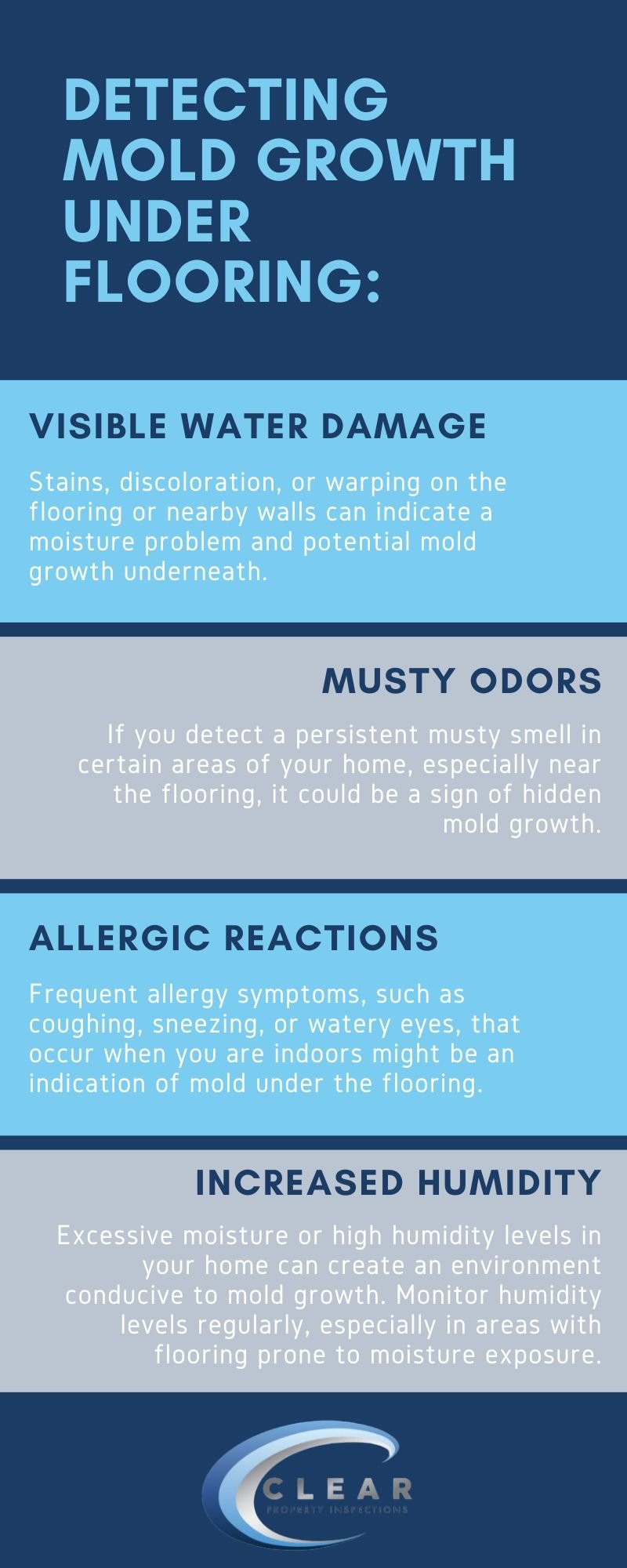
Most mold under flooring is invisible at first. You need to look for indirect signs that hint at a hidden problem. Here are the main things to watch for:
1. Unusual Musty Odor
A strong, earthy or musty smell, especially in one area, is a classic warning sign. Even if you can’t see mold, a persistent odor near the floor usually means mold is growing somewhere out of sight.
2. Discoloration Or Stains
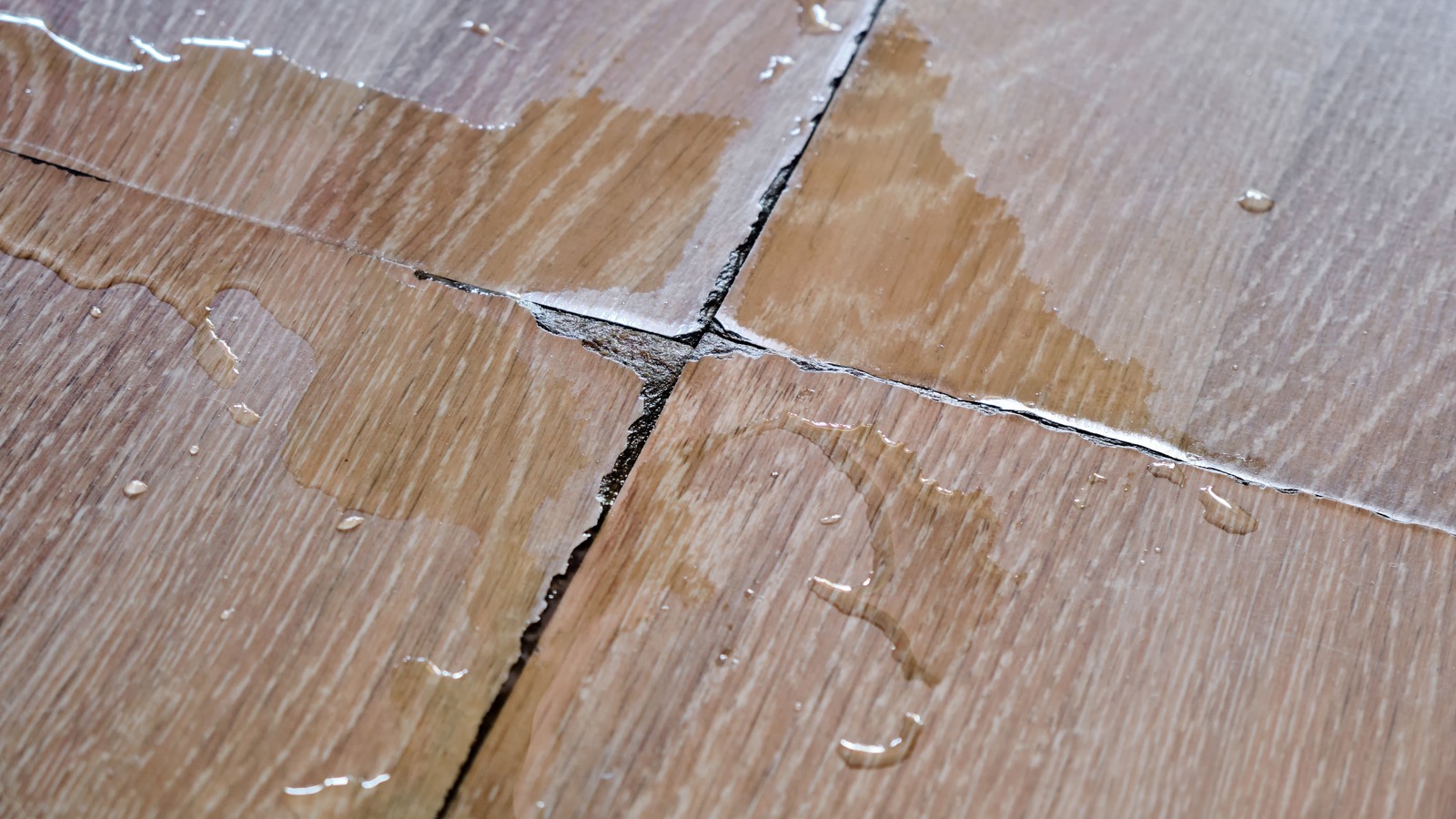
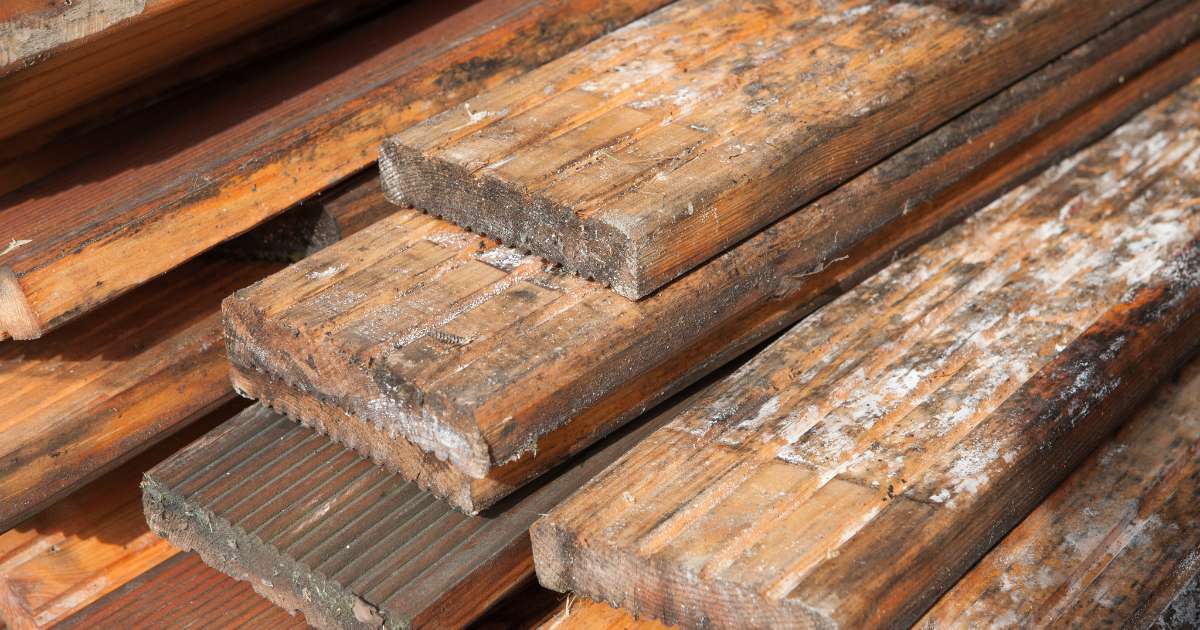
Dark spots, greenish patches, or white fuzzy growth on the floor, especially at the edges or seams, can point to mold below. Sometimes, the floor itself looks fine but the baseboards or lower walls show stains.
3. Warping Or Bubbling
Wood, laminate, or vinyl floors that start to warp, buckle, or bubble often have moisture trapped underneath. Mold loves these damp areas.
4. Soft Or Spongy Flooring
If a spot on your floor feels softer or springier than before, the subfloor may be weakened by mold and moisture.
5. Unexplained Allergies Or Illness
If people in your home start having more allergies, coughing, or breathing problems, hidden mold could be the cause.
6. Peeling Or Cracked Flooring
When flooring starts to peel away from the subfloor, or cracks appear without reason, it may be due to mold damaging the glue or materials.
7. Increased Pest Activity
Silverfish, springtails, or other insects may appear because they like damp, moldy environments.
8. Water History
If you’ve had leaks, spills, or floods—even small ones—in an area, there’s a higher chance mold is growing under the floor.
How To Detect Mold Under Flooring: Step-by-step
Finding mold under flooring isn’t always easy. You may need to use several methods together for a clear answer. Below are the most effective ways, with practical advice for each.
1. Visual Inspection
Start with a careful look at all areas where you suspect mold. Focus on:
- Edges of rooms, especially near water sources
- Under sinks, toilets, or appliances
- Around windows and doors
Look for discoloration, stains, warped boards, or cracked tiles. Use a flashlight to check corners and seams. Even if you don’t see mold, note any changes in the floor’s surface.
2. Smell Test
Your nose is one of your best tools. Walk slowly around the room, getting close to the floor. A musty, damp, or earthy smell that gets stronger in one area is a sign of hidden mold.
3. Check For Soft Spots
Gently press down on different parts of the floor with your hand or foot. A soft, spongy, or springy feel often means moisture and possible mold damage below.
4. Use A Moisture Meter
A moisture meter is a handy device that measures how wet a material is. You can buy one at most hardware stores. Press the meter against the floor in several places. High readings (over 15% for wood) mean there’s extra moisture, which could support mold.
5. Pull Up Flooring Edges
If you see strong signs but can’t confirm, carefully lift the edge of the flooring (like a corner of carpet, a baseboard, or a floor vent cover). Look for black, green, or white patches, fuzzy growth, or slimy areas. Smell the subfloor for moldy odors.
Warning: Only do this if you’re comfortable with minor DIY work, and wear gloves and a mask.
6. Use A Borescope Camera
A borescope is a small camera on a flexible tube. You can insert it through a small hole or floor vent to look under flooring without removing large sections. These are available to rent or buy online.
7. Home Mold Test Kits
Mold test kits can check the air or surfaces for mold spores. These tests are not always 100% accurate, but they can help if you’re unsure. Follow the instructions carefully and send samples to a lab if needed.
8. Professional Mold Inspection
If you still suspect mold but can’t find it, or if the area is large, call a certified mold inspector. They have tools like thermal cameras, advanced moisture meters, and air sampling devices to find mold behind floors and walls.
Comparing Detection Methods
Here is a simple comparison of common detection methods for mold under flooring:
| Method | Cost | Accuracy | Skill Needed | Best For |
|---|---|---|---|---|
| Visual Inspection | Free | Low–Medium | Beginner | Initial check |
| Moisture Meter | $20–$50 | Medium | Beginner | Spotting hidden moisture |
| Borescope Camera | $30–$100 | High | Intermediate | Looking under floors |
| Mold Test Kit | $10–$50 | Medium | Beginner | Checking for spores |
| Professional Inspection | $300–$700 | Very High | Expert | Serious or unclear cases |
Special Considerations By Flooring Type
Not all flooring is the same. Mold behaves differently under each type. Here’s what you need to know:
Hardwood And Laminate
- Both are vulnerable to water damage and mold.
- Mold often grows between planks or under the boards.
- Warping or cupping usually means water is present.
- Laminate is less likely to show mold on the top layer, but the fiberboard underneath can rot quickly.
Carpet
- Carpet absorbs water and stays damp for a long time.
- Mold can grow in the carpet pad or the subfloor.
- Musty smells, stains, or dark spots are warning signs.
- If you’ve had a spill or flood, lift a corner to check the pad and subfloor.
Vinyl And Linoleum
- These are less likely to absorb water but can trap it underneath.
- Look for peeling, bubbling, or loose edges.
- Mold may grow on the subfloor, especially if water seeps through seams.
Tile
- Mold rarely grows on ceramic tiles, but it can grow in grout or under the tiles if water gets through cracks.
- Loose or cracked tiles may signal water damage below.
Here’s a quick comparison:
| Flooring Type | Mold Risk | Main Signs | Inspection Tip |
|---|---|---|---|
| Hardwood | High | Warping, discoloration | Check seams, edges |
| Carpet | Very High | Odor, stains, soft spots | Lift carpet corners |
| Vinyl/Linoleum | Medium | Bubbling, peeling | Check under loose edges |
| Tile | Low–Medium | Loose tiles, grout stains | Check for cracks |
Credit: www.clearpropertyinspections.com
What To Do If You Find Mold
Detecting mold is only the first step. If you discover mold under your flooring, you need to act quickly and safely.
Small Areas (less Than 10 Square Feet)
If the moldy patch is small:
- Wear gloves, a mask (N95), and goggles.
- Remove the affected flooring carefully.
- Clean the area with a detergent solution or a 1: 10 bleach-water mix.
- Dry the area completely with fans and dehumidifiers.
- Replace damaged materials.
Large Areas Or Toxic Mold
If the mold covers a large area, or if you smell a strong odor and feel sick, call a professional. Mold like Stachybotrys (black mold) can be dangerous to remove without training.
Never try to clean large mold infestations yourself. You could spread spores and make the problem worse.
Preventing Mold From Returning
After removing mold, take steps to prevent it from coming back:
- Fix leaks or moisture sources right away.
- Use a dehumidifier in damp rooms.
- Improve ventilation (open windows, use fans).
- Install vapor barriers in basements or crawl spaces.
- Choose mold-resistant flooring for problem areas.
Common Mistakes When Checking For Mold
Even careful homeowners make mistakes when trying to find mold under floors. Here are some of the most common errors:
1. Ignoring Small Smells Or Stains
Many people dismiss a slight musty smell as “normal,” but it’s usually the first warning.
2. Only Checking The Surface
Mold often hides below, so you must check under carpets, behind baseboards, and at the subfloor.
3. Skipping Moisture Checks
Some mold is invisible. Always check for hidden moisture with a meter, especially after leaks.
4. Not Wearing Safety Gear
Mold spores can cause illness. Always wear gloves and a mask when lifting flooring or cleaning.
5. Delaying Repairs
Waiting too long to fix leaks or dry spills gives mold more time to grow.
6. Not Drying Properly After Cleaning
Even after removing mold, leftover moisture can help it return. Use fans and dehumidifiers until the area is fully dry.
Mold Testing: When And How
Testing for mold is not always necessary, but it can help in certain cases:
- When you smell mold but can’t find it
- If someone in your home has allergies or asthma that get worse indoors
- Before buying or selling a house
You can use a home test kit or hire a professional. Home kits are cheaper but may miss some types of mold. Professionals use air samples, surface swabs, or tape lifts and can identify the exact type of mold.
If you get a positive result from a test, take action quickly, even if you can’t see the mold.
Health Risks Of Mold Under Flooring
Hidden mold is more than just a nuisance. Mold spores can cause:
- Allergy symptoms: Sneezing, itchy eyes, runny nose
- Asthma attacks: Especially in children and older adults
- Headaches and fatigue
- Skin rashes
Long-term exposure can worsen health problems, especially for people with weak immune systems. Even if you don’t feel sick, mold can harm your home’s air quality and structure.
Credit: www.hunker.com
When To Call A Professional
Sometimes, it’s best to let experts handle mold detection and removal. Call a professional if:
- The moldy area is larger than 10 square feet
- You have repeated leaks or flooding
- People in your home have unexplained illness
- You see black or toxic mold
- You’re unsure how to check safely
Professionals use advanced tools to find and remove mold. They also make sure the area is safe before you move back in.
Mold Prevention Tips For Homeowners
Detecting mold is important, but prevention is even better. Here’s how to keep mold from growing under your floors:
1. Fix Leaks Quickly
Repair any plumbing or roof leaks right away.
2. Control Humidity
Keep indoor humidity below 60%. Use a dehumidifier in basements and bathrooms.
3. Ventilate Properly
Open windows and use exhaust fans to move damp air outside.
4. Clean Spills Immediately
Wipe up water spills as soon as possible. Dry the area with towels and fans.
5. Use Mold-resistant Materials
Choose waterproof flooring for basements and bathrooms.
6. Inspect Regularly
Check under sinks, around toilets, and in basements for early signs of moisture or mold.
7. Keep Gutters Clean
Clogged gutters can cause water to seep under floors.
8. Monitor For Changes
If you notice new smells, stains, or changes in flooring, investigate right away.
Credit: www.clearpropertyinspections.com
Signs You Need To Replace Flooring
Sometimes, cleaning isn’t enough. You may need to replace parts of your flooring if:
- The subfloor is rotted or crumbling
- Mold keeps coming back after cleaning
- The flooring is warped, buckled, or falling apart
- There is a strong, persistent odor
Replacing damaged floors is more expensive but keeps your home healthy and safe in the long run.
Real-life Example: Mold Under Basement Carpet
Let’s look at a real example. A homeowner in Chicago noticed a musty smell in their basement but saw no stains. After a heavy rainstorm, the smell got worse. When they lifted the edge of their carpet, they found black and white mold on the pad and subfloor.
The cause was a small crack in the foundation letting rainwater in.
They removed the carpet and pad, cleaned the subfloor with bleach, and used fans to dry the area. The crack was sealed, and a dehumidifier was installed. Since then, no new mold has appeared.
Insight: Even a small water leak can cause a big mold problem if not fixed quickly. Always check after storms or leaks, especially in basements.
Mold Remediation Vs. Regular Cleaning
It’s important to know the difference between simple cleaning and mold remediation. Cleaning removes surface mold, but remediation removes all mold, treats the area, and prevents it from coming back.
Here’s a simple comparison:
| Cleaning | Remediation |
|---|---|
| Removes visible mold only | Removes mold, spores, and moisture source |
| May not stop mold from returning | Prevents regrowth |
| DIY possible for small areas | Best done by professionals |
If you have a large or repeating mold problem, choose remediation for long-term results.
Two Insights Most Beginners Miss
1. Mold Grows Fast, Even from Small Leaks:
Many people think only big floods cause mold, but even a slow drip under a sink or a damp towel left on the floor can start a mold problem in a few days.
2. Airflow and Humidity Are Key:
You can have the cleanest floors, but if your home is humid or poorly ventilated, mold can still grow. Always use fans, open windows, and keep humidity low to prevent hidden mold.
Where To Learn More
To learn more about mold in homes, how it affects health, and professional solutions, visit the EPA Mold Resource.
Frequently Asked Questions
What Does Mold Under Flooring Smell Like?
Mold under flooring usually smells musty, earthy, or like wet socks. The odor is often strongest near the affected area. If you notice a smell that doesn’t go away with cleaning, it could be hidden mold.
Can I Use Bleach To Kill Mold Under Floors?
Bleach can kill surface mold on non-porous materials like tile. However, it may not reach mold inside wood or carpet. For deep cleaning, use products made for mold or call a professional.
Is It Safe To Live In A House With Mold Under The Floor?
Small amounts may not cause problems, but large or spreading mold can affect your health. Mold spores can cause allergies, asthma, and other issues. If you have health problems or see a lot of mold, fix the problem before staying in the area.
How Long Does It Take For Mold To Grow Under Flooring?
Mold can start growing in 24 to 48 hours if moisture is present. That’s why it’s important to dry spills and leaks quickly.
What’s The Best Flooring To Prevent Mold?
Tile, vinyl, and sealed concrete are best for areas prone to moisture. They don’t absorb water and are easy to clean. Always fix leaks and keep humidity low, no matter the flooring type.
Detecting mold under flooring is a critical part of caring for your home. With the right knowledge and tools, you can spot hidden mold, fix problems early, and keep your family safe and healthy. Don’t ignore signs—act quickly for the best results.