
Moving to a new home is exciting, but it comes with many challenges—especially when it comes to packing large furniture like dressers. If you’ve ever tried to move a dresser, you know it’s not as simple as picking it up and carrying it out the door.
Dressers are heavy, awkward, and often filled with clothes or personal items. If you don’t pack them correctly, you risk scratches, broken drawers, or even injury. Learning the right way to pack a dresser for moving makes your move smoother and keeps your furniture safe.
This guide will show you everything you need to know—from choosing the right materials to common mistakes to avoid. Whether you’re moving across town or across the country, these practical steps will help you handle your dresser like a pro.
Understanding The Challenges Of Moving A Dresser
Dressers are not just big; they’re also delicate in some ways. Many have mirrors, thin legs, or drawers that can fall out if not secured. The weight is often uneven, making them hard to lift safely. Some dressers are antiques or family heirlooms, so damage is more than just cosmetic.
You also need to think about the contents inside. Clothes, jewelry, and personal items can shift during the move, adding extra stress to the structure and making the dresser even heavier. If you don’t plan carefully, you could end up hurting yourself or damaging your things.
Many people don’t realize that some dressers are designed to be moved with the drawers inside, while others are not. The type of material (solid wood vs. particle board) changes how you should pack and lift the furniture. For example, older solid wood dressers can usually handle a bit more weight, while modern particle board dressers may fall apart if overloaded.
Recognizing these issues early helps you decide the best packing strategy.
Gathering The Right Packing Materials
Before you start, collect all the materials you’ll need. The right supplies make packing easier and safer. Here’s a list of essential items:
- Moving blankets or furniture pads to protect surfaces from scratches and dents.
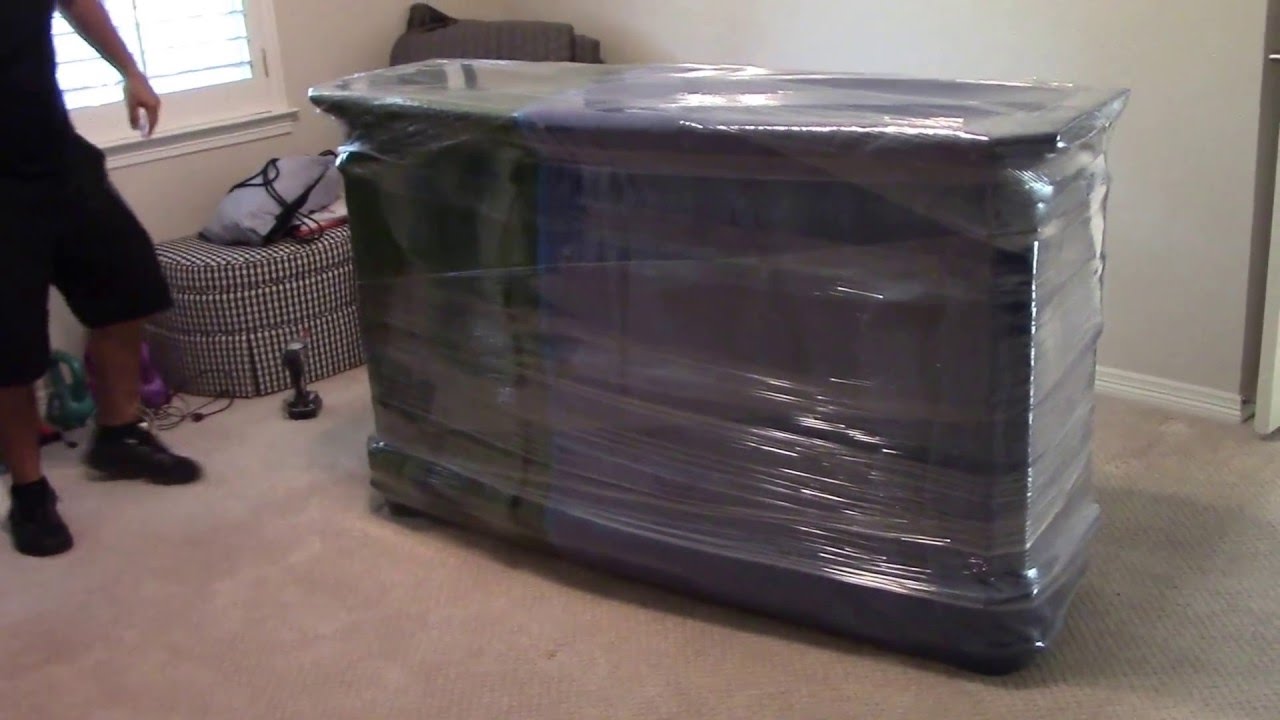
- Stretch wrap (plastic wrap) to keep drawers closed and secure.
- Packing tape for extra security.
- Bubble wrap for fragile areas or attached mirrors.
- Furniture sliders to help move heavy dressers across floors without damage.
- Labels and markers so you know where everything goes.
- Screwdriver or drill for removing legs, knobs, or mirrors.
- Small bags or containers for screws and small parts.
You might be tempted to skip some materials, but don’t. For example, using regular blankets instead of moving blankets can lead to tears or stains. Stretch wrap is much stronger than household plastic wrap, and furniture sliders can save your floors from scratches worth hundreds of dollars.
Material Comparison: Essential Packing Supplies
To help you choose the right materials, here’s a quick comparison:
| Material | Main Purpose | Cost Range | Reusable? |
|---|---|---|---|
| Moving blankets | Surface protection | $8–$15 each | Yes |
| Stretch wrap | Securing drawers | $10–$20/roll | No |
| Furniture sliders | Moving heavy items | $10–$25/set | Yes |
| Packing tape | Extra security | $3–$6/roll | No |
Credit: www.youtube.com
Deciding Whether To Empty The Drawers
One of the most common questions is: Should you empty the dresser drawers before moving? The answer depends on the type of dresser, what’s inside, and the move distance.
When to empty drawers:
- The dresser is made of lightweight or particle board.
- Drawers are filled with heavy or fragile items.
- You need to move the dresser up or down stairs.
- Movers recommend removing contents for safety.
When it’s okay to leave items inside:
- The dresser is solid wood and sturdy.
- Contents are light (e.g., clothes, linens).
- The move is short and the path is flat.
- You’re using professional movers who agree.
Leaving clothes inside can save time and reduce the number of boxes you need. But, if you’re not sure about the dresser’s strength, play it safe and empty the drawers.
Weighing The Impact: Empty Vs. Full Drawers
Consider this practical example:
| Scenario | Weight Added | Risk of Damage | Ease of Moving |
|---|---|---|---|
| Drawers full of clothes | +15–25 lbs | Medium | Harder |
| Drawers empty | 0 lbs | Low | Easier |
| Drawers full of books | +30–50 lbs | High | Much harder |
| Drawers partially emptied | +5–10 lbs | Low | Moderate |
Packing tip: If you leave items inside, use stretch wrap to keep drawers from sliding open. Never leave fragile, sharp, or valuable items in drawers during a move.
Removing And Packing Drawers
If you decide to remove the drawers, do it one at a time. Pull each drawer out slowly to avoid damaging the slides or runners. Place all drawers on a soft surface, like a blanket or carpet, to prevent scratches.
Some dressers have stops that keep drawers from coming all the way out; look for a lever or button inside the drawer track. Don’t force anything—check the manual if you’re unsure.
After removing the drawers:
- Place a moving blanket on the floor.
- Set each drawer on the blanket, facing up.
- If the contents are staying inside, cover the top of each drawer with stretch wrap.
- If empty, wrap the drawer itself with a thin layer of stretch wrap to keep it clean.
Always label each drawer with its original position (e. g. , “top left”, “middle right”). This makes reassembly much easier. Don’t forget to keep all hardware (like screws or brackets) in a small bag taped to the dresser.
Disassembling Parts Of The Dresser
Some dressers have removable legs, mirrors, or hardware. Taking these parts off can make the dresser lighter and easier to move. Here’s how to do it safely:
- Remove the mirror if there is one. Mirrors are fragile and should never be moved attached to the dresser. Use a screwdriver to remove the screws, and wrap the mirror in bubble wrap and a moving blanket.
- Take off the legs if possible. Most legs can be unscrewed by hand or with a wrench. Place legs and screws in a labeled bag.
- Remove knobs or handles if they stick out. This prevents them from catching on doors or breaking off.
Never rush disassembly. Take photos as you go, so you’ll know how to put everything back together. It’s easy to forget which screw goes where, so keep small parts organized.
Wrapping The Dresser For Protection
Now, protect the dresser from scratches, dents, and dirt. Here’s how to wrap it correctly:
- Cover the dresser with a moving blanket or thick furniture pad. Drape the blanket over the top and sides, tucking it underneath if possible.
- Secure the blanket with stretch wrap or packing tape. Wrap tightly so the blanket doesn’t slip during transport.
- For extra protection, add a layer of bubble wrap around corners or delicate areas. Pay special attention to carved details or edges.
- If you removed drawers, wrap the empty frame of the dresser as well.
Don’t use tape directly on wood or painted surfaces—it can pull off the finish. Always make sure the dresser is completely covered before moving it.
Securing Drawers In Place
If you’re moving the dresser with drawers inside, it’s important to prevent them from sliding out. Here’s what to do:
- Use stretch wrap to cover the entire front and sides of the dresser. Start at the bottom and wrap upward, overlapping each layer by a few inches.
- For extra security, add a strip of packing tape around the middle (over the blanket or wrap, not directly on the wood).
- Some people use rope or bungee cords, but these can shift or damage the finish. Stretch wrap is safer and more effective.
Pro tip: Always double-check that the drawers are empty of breakables before sealing them in place. Moving can be bumpy, and glass or electronics inside could shatter.
Lifting And Moving The Dresser Safely
Moving a dresser is a team job. Don’t try to lift a heavy dresser alone—you could injure your back or drop the furniture. Here’s how to do it safely:
- Clear a path from the dresser to the moving truck. Remove rugs, cords, and obstacles.
- Use furniture sliders under each leg or corner. This lets you slide the dresser across the floor with less effort and protects hardwood or tile.
- Bend your knees and keep your back straight when lifting. Lift with your legs, not your back.
- Communicate with your helper. Count “1, 2, 3, lift!” before picking up the dresser.
- Keep the dresser upright. Tilting too much can cause drawers to shift or the frame to twist.
- Take breaks as needed. If you feel tired or strained, stop and rest.
Never rush. Many moving injuries happen when people try to go too fast or lift too much at once.
Weight And Handling Comparison: Dresser Types
Here’s a look at how different dresser types affect moving strategy:
| Dresser Type | Average Weight (Empty) | Recommended Movers | Special Handling |
|---|---|---|---|
| Solid wood, 6-drawer | 120–180 lbs | 2–3 people | Remove drawers, legs |
| Particle board, 4-drawer | 60–80 lbs | 2 people | Empty drawers, wrap fully |
| Antique, with mirror | 90–150 lbs | 3 people | Remove mirror, pad carefully |
Loading The Dresser Into The Moving Truck
Getting the dresser onto the truck is another key step. Always load heavy furniture first, placing it against the truck wall for balance.
- Use a dolly or hand truck if available. Slide the dresser onto the dolly with help, keeping it upright.
- Secure the dresser with ratchet straps or ropes so it won’t move during transport. Place it against a flat wall inside the truck.
- Never stack boxes on top of the dresser. This can damage the frame or finish.
- If possible, put the dresser near mattresses or soft furniture for extra cushioning.
Take care when going up ramps or steps. Move slowly, and always have one person guiding from above and one below.
Unpacking And Reassembling At Your New Home
Once you arrive, reverse the process. Unload the dresser with care, using sliders or a dolly if needed. Don’t rush unwrapping—take off the moving blankets and stretch wrap gently to avoid scratching the finish.
If you removed drawers, legs, or mirrors, reattach them in the correct order. Use the labels and photos you made during disassembly. Check that all screws and hardware are tight.
Place the dresser in its new spot before loading drawers or heavy items back inside. Dragging a loaded dresser across floors can cause damage.
Special Tips For Antique Or High-value Dressers
Antique dressers or those made from rare woods need extra attention. Here’s how to protect your investment:
- Avoid moisture at all costs. Even a little water can warp wood or ruin a finish.
- Use acid-free tissue paper between the dresser and moving blankets if you’re worried about the finish.
- Don’t store antique dressers in basements or garages during the move—they are often damp and attract pests.
- Insure valuable pieces before the move. Take photos for your records and note any pre-existing marks.
If you’re not confident, consider hiring a professional moving company with experience in antiques. They have the tools and know-how to protect your furniture.
Common Mistakes To Avoid
Even experienced movers make errors. Here are some pitfalls to watch for:
- Using weak tape or wraps. Cheap packing tape can peel off or snap. Invest in quality materials.
- Leaving breakables in drawers. Items like perfume bottles, jewelry, or electronics can break or get lost.
- Not labeling hardware. Small screws and brackets are easy to lose—always bag and label them.
- Dragging dressers across floors. This can scratch both the floor and the furniture.
- Overestimating strength. Always ask for help. Overconfidence leads to injury.
- Not measuring doorways or hallways. Dressers sometimes don’t fit through tight spaces. Measure before moving day.
- Rushing the process. Take your time, especially with disassembly and reassembly.
Eco-friendly Packing Options
If you want to reduce your move’s impact on the environment, there are several simple steps you can take:
- Rent moving blankets instead of buying new ones.
- Use reusable stretch wrap alternatives made from fabric or recycled materials.
- Choose biodegradable packing tape.
- Recycle or donate packing materials after the move.
- Pack soft items (like clothes or towels) in the drawers themselves for less waste.
Eco-friendly moves are not only good for the planet—they can save you money, too.
What To Do If Damage Occurs
Despite your best efforts, sometimes dressers get scratched or chipped during a move. Here’s what to do:
- Photograph the damage right away for your records.
- For small scratches, use a wood touch-up marker that matches your dresser’s finish.
- For larger dents or chips, consider hiring a furniture restoration professional.
- If you used a moving company, report the damage immediately. Most insurance policies require notification within a short time.
Being prepared helps you handle accidents calmly and efficiently.

Credit: www.youtube.com
When To Hire Professional Movers
Sometimes, it’s best to call in the experts. Professional movers have the skills, equipment, and insurance to handle big furniture safely. Consider hiring pros if:
- Your dresser is extremely heavy, valuable, or awkward.
- You need to move up or down multiple flights of stairs.
- You have limited help or physical limitations.
- Time is short and you need the job done quickly.
Professional movers also know how to disassemble and reassemble furniture, which can reduce the risk of damage.
To find reliable movers, ask friends for recommendations, check online reviews, and verify that the company is licensed and insured. For more guidance, the American Moving & Storage Association’s website offers helpful tips: Moving.org.
Frequently Asked Questions
Can I Move A Dresser Without Removing The Drawers?
Yes, you can move a dresser with drawers inside if the dresser is sturdy and the contents are light. Always secure the drawers with stretch wrap so they don’t slide out. If the dresser is made of particle board or the drawers are heavy, it’s safer to remove them.
What Is The Safest Way To Move A Dresser Down Stairs?
Use two or more people and lift with your legs, not your back. Keep the dresser upright and go slowly. Use furniture sliders at the top and bottom of stairs if possible. If the dresser is very heavy, consider using a moving dolly or hiring professionals.
How Do I Protect My Floors When Moving A Heavy Dresser?
Place furniture sliders or thick cardboard under each leg before moving the dresser. This prevents scratches and dents. Never drag a dresser across hardwood or tile floors without protection.
Should I Disassemble My Dresser For Moving?
Disassembling is recommended if the dresser is too large to fit through doorways, has delicate parts (like mirrors or legs), or is very heavy. Take photos during disassembly and keep all hardware in labeled bags for easy reassembly.
How Can I Tell If My Dresser Is Too Heavy For Me To Move?
If you cannot lift one end of the dresser easily with two people, it is likely too heavy to move safely. Consider removing the drawers, emptying contents, or asking for help. Never try to move a very heavy dresser alone.
Moving a dresser doesn’t have to be stressful or risky. With the right planning, materials, and help, you can keep your furniture safe and make your move much easier. Remember, a little extra care today saves you time and money tomorrow.
Good luck with your move!

Credit: moveadvisor.com