
Making your own bed fan can change how you sleep, especially during hot nights. Many people struggle with heat or sweat while sleeping, but commercial bed fans are often expensive and not always easy to customize. Creating a homemade bed fan gives you control over the airflow, direction, and even the noise level. Plus, you can build one to fit your bed size and personal needs using simple materials.
This guide explains every part of making a bed fan—from understanding how it works to assembling, installing, and troubleshooting your device. If you want to sleep cooler, save money, or enjoy a little DIY project, this article shows you how to make a bed fan that really works.
Why Make A Bed Fan?
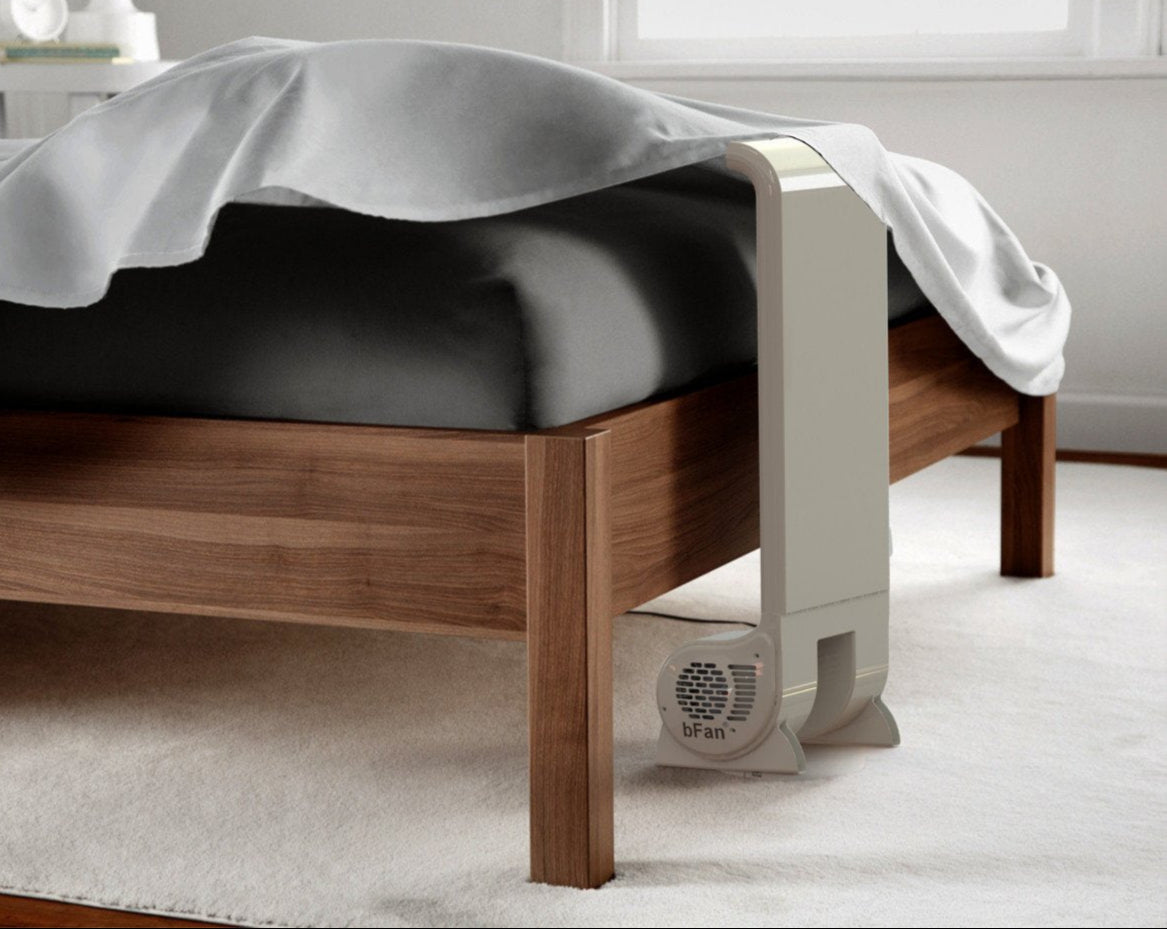
A bed fan is designed to move cool air directly under your sheets or blanket, helping your body cool down faster. Unlike regular room fans, a bed fan targets your sleeping area without chilling the entire room or blowing air directly in your face. This can reduce night sweats, improve sleep quality, and even lower electricity bills since you may not need to run your air conditioner as much.
Building your own bed fan has special benefits:
- Custom fit: Make the fan suit your bed’s size and your sleep style.
- Lower cost: Store-bought fans can cost $100 or more. DIY options often use parts you already have.
- Adjustable airflow: Control the speed, direction, and even the noise level.
- Fun project: Gain new DIY skills and enjoy a sense of achievement.
How Bed Fans Work
A bed fan is more than just a small fan under the bed. It’s a system that pulls cooler air from the room and channels it under your sheets, creating gentle airflow. This airflow moves hot, moist air away from your body and replaces it with cooler, drier air.
Most bed fans use a duct or nozzle to direct air under the blanket. Some have a speed controller, while others use simple on/off switches. The key is to move enough air to cool you without making you uncomfortable or disturbing your sleep.
Planning Your Bed Fan Build
Before you start, think about your needs:
- Bed size: Twin, queen, and king beds have different airflow needs.
- Sleeping style: Do you sleep alone or share your bed?
- Noise sensitivity: Some people like a quiet fan; others enjoy white noise.
- Budget: Most DIY bed fans cost between $10 and $50, depending on materials.
Choosing The Right Fan Type
There are three main fan types to consider:
- Box fan: Large, powerful, but takes up more space.
- Desk fan: Smaller, quieter, and easy to mount.
- Computer (PC) fan: Compact, low power, and customizable.
Each has pros and cons. For most beds, a desk fan or PC fan works best because they’re small and easy to position. Box fans are good for king beds or very hot rooms.
Example Airflow Needs By Bed Size
Here’s a quick comparison of airflow needs for different bed sizes:
| Bed Size | Recommended Fan Type | Airflow (CFM) |
|---|---|---|
| Twin | PC fan or small desk fan | 20-40 CFM |
| Full/Queen | Desk fan (6-8 inch) | 40-80 CFM |
| King | Box fan or 2 desk fans | 80-150 CFM |
*CFM means Cubic Feet per Minute, a measure of how much air the fan moves. *
Gathering Materials And Tools
Building a bed fan doesn’t need special skills or tools. Most items are available at hardware stores, online, or even around your home.
Main Materials
- Fan (desk fan, box fan, or PC fan)
- Flexible duct (dryer vent hose or similar, 4-6 feet long)
- Duct tape or zip ties
- Cardboard or plastic sheet (for building airflow nozzle)
- Velcro strips or double-sided tape
- Power strip or extension cord
Optional Upgrades
- Fan speed controller
- Remote switch
- Mesh filter (keeps dust out)
- Foam insulation (for noise reduction)
Tools
- Scissors
- Utility knife
- Screwdriver
- Ruler or measuring tape
Estimated Costs
Here’s a cost breakdown for a typical DIY bed fan:
| Item | Estimated Cost |
|---|---|
| Desk/PC Fan | $10–$20 |
| Flexible Duct | $6–$12 |
| Mounting Supplies (Tape, Zip Ties) | $2–$5 |
| Optional Upgrades | $5–$15 |
Tip: Reuse an old fan to save money. Many people have spare fans at home.
Credit: bedfans-usa.com
Step-by-step Instructions: Building Your Bed Fan
Follow these steps to make a bed fan that suits your bed and needs. These instructions use a desk fan for a balance of power and quiet operation.
1. Prepare The Fan
- Clean the fan if it’s old or dusty. This improves airflow and keeps your bed fresh.
- If you use a PC fan, you’ll need a 12V DC power adapter. Desk fans usually plug right into the wall.
2. Attach The Duct
- Stretch out your flexible duct to the desired length. Usually, 4–6 feet is enough to reach from your fan to the bed.
- Place the duct over the fan’s air outlet. Make sure it covers the whole opening for best airflow.
- Secure the duct using duct tape or zip ties. Avoid blocking the fan’s blades.
Non-obvious insight: If your fan has a round opening, but your duct is rectangular (or vice versa), cut a piece of cardboard as an adapter. Tape it firmly for an airtight connection.
3. Build The Nozzle
The nozzle helps direct air under your sheets, focusing it where you need it most.
- Cut a cardboard or plastic sheet into a wedge or funnel shape. The wide end should match your duct’s size, and the narrow end should be about 3–4 inches wide.
- Tape the wide end of the nozzle to your duct.
- Leave the narrow end open. This slides under your sheet or blanket.
Practical tip: Cover the nozzle’s edge with a bit of soft cloth or foam to avoid scratching yourself or tearing the sheets.
4. Place The Fan And Duct
- Put the fan at the foot or side of your bed. Under the bed frame is best for noise and appearance.
- Run the duct along the floor or under the bed, hiding it as much as possible.
- Slip the nozzle under your sheet. Point it toward your body’s center for best cooling.
5. Secure Everything
- Use Velcro strips or double-sided tape to keep the duct and nozzle in place.
- Avoid pinching the duct, as this reduces airflow.
- Plug the fan into a safe outlet or power strip.
6. Test And Adjust
- Turn on the fan and feel the air under your sheet.
- Move the nozzle slightly until you find the most comfortable spot.
- Adjust the fan speed if possible.
Beginner mistake: Don’t block the airflow with heavy blankets or pillows. Light sheets allow air to circulate better.
Customizing Your Bed Fan
Every sleeper is different. Here’s how you can fine-tune your bed fan for the best results.
Adjusting Airflow
- If you want more cooling, use a higher-speed fan or a wider duct.
- For gentle airflow, add a mesh filter or use a lower fan setting.
- Some fans have oscillation (side-to-side movement). Keep it off for focused airflow.
Reducing Noise
- Place the fan on a foam pad to absorb vibration.
- Use a fan with a brushless motor for quieter operation.
- Longer ducts can reduce noise at the bed, but too long will weaken airflow.
Enhancing Comfort
- Aim the nozzle at your legs, torso, or feet—wherever you feel hottest.
- Use a timer switch to turn the fan off after you fall asleep.
- Try different nozzle shapes for even airflow (round, wide, or split).
Making It Look Neat
- Spray-paint the duct to match your bed frame or floor.
- Hide the duct under a dust ruffle or bed skirt.
- Use clear tape and small fasteners for a clean look.
Non-obvious insight: If you share your bed, split the airflow with a “Y” adapter made from cardboard. Each side gets its own nozzle.
Safety And Maintenance
A homemade bed fan is generally safe, but a few simple steps keep everything running smoothly and securely.
Electrical Safety
- Check wires and plugs for damage before use.
- Never run the fan cord under a rug or mattress.
- Unplug the fan before cleaning or adjusting parts.
Cleaning
- Dust the fan blades and intake regularly to avoid clogging.
- Wash or replace mesh filters if you use them.
- Check duct connections every few weeks to make sure they’re tight.
Child And Pet Safety
- Keep the fan out of reach of small children and pets.
- Cover sharp nozzle edges.
- Secure loose cords to avoid trips or tangles.
Troubleshooting Common Issues
Even a well-built bed fan can have minor problems. Here’s how to fix the most common ones:
Weak Airflow
- Check for kinks or pinches in the duct.
- Make sure the fan isn’t blocked by furniture or blankets.
- Clean any dust from the fan and duct.
Too Much Noise
- Switch to a quieter fan or add foam padding.
- Make sure the fan is sitting on a stable, level surface.
Air Feels Too Dry
- Run the fan on low speed.
- Add a small bowl of water near the air intake to increase humidity slightly.
Fan Shuts Off
- Check for overheating or a faulty power connection.
- Use a surge protector for extra safety.

Credit: www.laurascraftylife.com
Comparing Diy Bed Fan To Store-bought Models
If you’re still unsure about making your own, compare the DIY bed fan to commercial models.
| Feature | DIY Bed Fan | Store-Bought Bed Fan |
|---|---|---|
| Cost | $10–$50 | $100–$300 |
| Custom Fit | Yes | No/Partial |
| Airflow Control | Flexible | Pre-set options |
| Noise | Varies (can be quiet or loud) | Usually optimized for quiet |
| Warranty | No | Yes |
| Appearance | DIY look (customizable) | Professional design |
Pro tip: Store-bought bed fans often have remote controls and sleek designs, but you pay a premium for these. A DIY fan can match or beat their cooling ability for a fraction of the price.
Advanced Diy Bed Fan Ideas
If you like tinkering, try these upgrades:
Smart Controls
- Add a Wi-Fi smart plug to turn your fan on/off with your phone or voice assistant.
- Use a temperature sensor to start the fan only when your room gets hot.
Air Purification
- Attach a small HEPA filter to the fan’s air intake for cleaner air.
- Add a charcoal filter to reduce odors.
Multiple Air Outlets
- Split the duct with a “Y” or “T” connector to cool two areas or two people.
- Use adjustable nozzles for each sleeper.
Portable Bed Fan
- Build your fan into a small box with a battery pack for camping or travel.
- Use a USB-powered fan for low-energy needs.
Beginner mistake: Don’t overload your fan with heavy filters or extra-long ducts, as this can reduce airflow or burn out the motor.
Real-world Example: Building A Queen Bed Fan
Let’s walk through a practical example for a queen-size bed.
- Fan: 8-inch desk fan ($16)
- Flexible duct: 5 feet, 4-inch diameter ($8)
- Nozzle: Cut from an old plastic folder
- Mounting: Duct tape, Velcro strips ($3)
- Total cost: $27
Steps:
- Clean and test the desk fan.
- Attach one end of the duct to the fan using duct tape. Make sure no air leaks.
- Cut a wide funnel-shaped nozzle from the folder. Tape it to the duct’s end.
- Place the fan under the bed, aiming the duct toward the middle.
- Use Velcro strips to secure the duct so it doesn’t move.
- Plug in the fan and test. Adjust the nozzle for the best airflow.
After the first night, you might want to move the nozzle closer to your feet or add a foam strip for comfort. This system can cool both sleepers without chilling the whole room.
Benefits Of A Bed Fan For Sleep
A well-made bed fan does more than just cool you down. Here are some valuable benefits:
- Better sleep quality: Studies show that cooler body temperatures help you fall asleep faster and stay asleep longer.
- Reduce sweating: By moving air under your sheets, you sweat less, and sheets stay fresher.
- Save energy: Bed fans use 10–30 watts, compared to an air conditioner’s 500–1500 watts.
- Reduce allergens: With a mesh filter, your bed fan can reduce dust and pet dander near your bed.
Credit: refreshliving.us
Common Beginner Mistakes And How To Avoid Them
Most people who try to make a bed fan for the first time run into similar problems. Here’s how to avoid them:
- Using a weak fan: Small fans might not move enough air through a long duct. Choose at least a 6-inch desk fan for queen beds.
- Ignoring air leaks: Tape every connection tightly. Even small leaks reduce cooling power.
- Blocking the nozzle: Heavy blankets or pillows block airflow. Use light bedding for best results.
- Choosing noisy fans: Test the fan at night before final installation. Some fans are much louder than they seem during the day.
- Overcomplicating the design: Start simple. You can always add smart controls or filters later.
Non-obvious insight: Don’t aim the airflow directly at your face. It’s tempting, but most people sleep better with air aimed at the torso or legs.
Who Should Use A Bed Fan?
A bed fan is helpful for many types of sleepers:
- Hot sleepers who wake up sweaty or uncomfortable
- Couples who want different temperatures on each side
- People with night sweats
- Anyone trying to reduce AC use and save energy
- Individuals with allergies (with a filter added)
However, if you have severe dust allergies or are very sensitive to drafts, check with your doctor or try the fan on a low setting first.
Frequently Asked Questions
What Size Fan Should I Use For My Bed?
For a twin or full bed, a 4–6 inch desk fan or large PC fan is usually enough (20–50 CFM). For a queen or king bed, use at least a 6–8 inch desk fan (50–100 CFM). If you want to cool two people, consider two fans or a split duct.
Can I Use A Battery-powered Fan For My Bed Fan?
Yes, but make sure it has enough power. USB or battery fans are quiet and energy-efficient but usually weaker. They work best for single sleepers or travel. For all-night use, a plug-in fan is more reliable.
Is It Safe To Leave A Homemade Bed Fan Running All Night?
Generally, yes, if you use quality parts and check for loose wires or overheating. Place the fan on a stable surface and avoid covering it with bedding. Consider using a timer switch for extra safety and peace of mind.
How Do I Clean My Bed Fan System?
Turn off and unplug the fan. Wipe the blades and intake with a damp cloth. Clean or replace mesh filters as needed. Vacuum the duct if dust builds up. Check all connections every month.
Where Can I Learn More About Sleep And Temperature Control?
You can find helpful research and practical advice on the Wikipedia Sleep Hygiene page. It covers temperature, bedding, and other sleep tips.
Making your own bed fan is a smart, affordable way to sleep cooler and better. With a little planning and creativity, you can build a system that fits your bed, your budget, and your comfort needs. Whether you want to save energy, sleep more soundly, or just enjoy a DIY project, a bed fan can make a big difference in your nightly routine.