
Every morning, you open your master bedroom closet and feel overwhelmed. Clothes are falling off hangers, shoes are scattered, and finding your favorite shirt feels like a treasure hunt. A messy closet isn’t just inconvenient—it can make you late, cause stress, and even waste money (how many times have you bought something you already owned but couldn’t find?). The good news: organizing your master bedroom closet is easier—and more life-changing—than you think. With the right steps, you can transform chaos into calm and enjoy a closet that works for you every single day.
This article is your complete, practical guide for organizing your master bedroom closet, even if you have a small space or a large wardrobe. Whether you’re starting from scratch or trying to fix a closet that’s gotten out of control, you’ll find clear steps, smart tips, and solutions for real-life problems.
Let’s turn your closet from frustration to satisfaction, one step at a time.
Why Organizing Your Master Bedroom Closet Matters
A cluttered closet isn’t just an eyesore. It can affect your mood, your time, and even your finances. Studies show that the average person spends 10 minutes a day searching for lost items, and the closet is often the main culprit.
Over a year, that’s more than 60 hours wasted.
When your closet is organized, you:
- Save time getting dressed each day.
- Reduce stress by knowing exactly where things are.
- Protect your clothes from damage.
- Prevent duplicate purchases by seeing what you own.
- Increase the value of your home if you decide to sell.
But there’s another benefit many people miss: an organized closet can make you feel more in control and confident. When your space works, you feel ready to face the day.
Assessing Your Closet Space
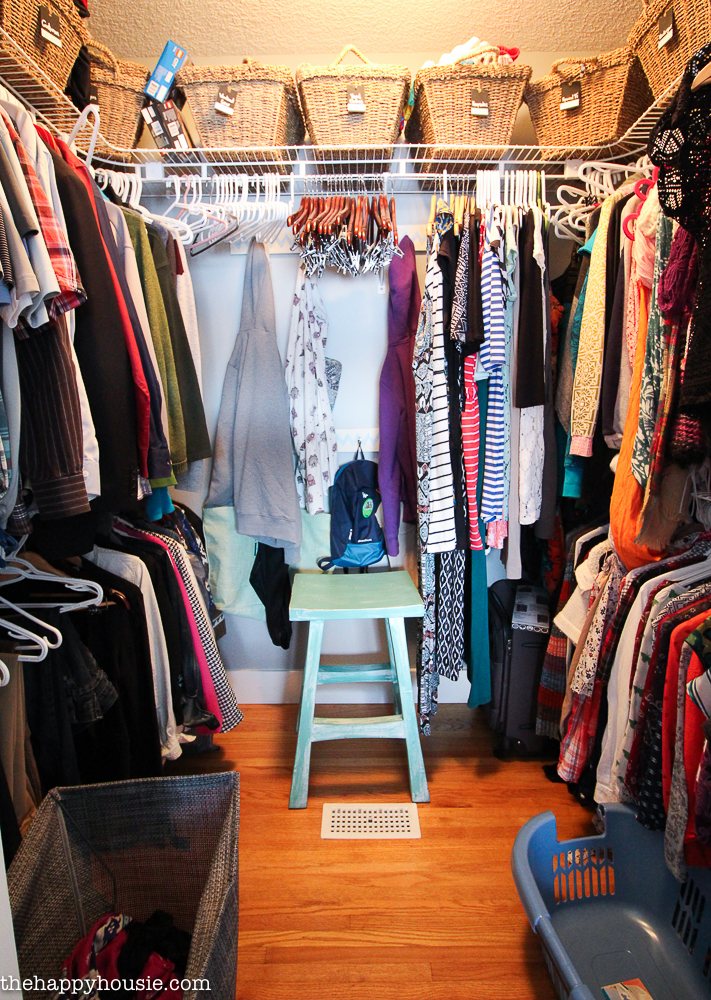
Before you start, take a close look at your closet. Don’t guess—measure. Write down the width, height, and depth of the closet. Notice if you have one long rod, shelves, or just an empty box. Check for wasted space above or below the rod, corners that are hard to reach, and awkward areas (like sloped ceilings).
Some questions to ask yourself:
- How much hanging space do you really need?
- Do you have more shoes, bags, or accessories?
- Is your closet mostly seasonal clothes or all-year items?
- Are there problems like poor lighting, dampness, or weak shelves?
Take a few photos for reference. This will help you spot opportunities and remember the “before” when you see your amazing “after. ”
Credit: www.thehappyhousie.com
Decluttering: The First And Most Important Step
Decluttering is where most people get stuck. It’s not always easy to let go of things, but it’s impossible to organize clutter. Here’s how to declutter your closet effectively:
- Empty the Closet: Take everything out—yes, everything. Lay clothes on your bed, shoes on the floor, accessories in piles.
- Sort Items: Make four piles: Keep, Donate, Sell, Toss.
- Ask Critical Questions: When did you last wear it? Does it fit? Do you love it? Would you buy it again today? If you hesitate, it’s probably time to let go.
- Check for Damage: Shoes with holes, shirts with stains, broken zippers—these belong in the Toss pile, unless you’ll repair them this week.
- Be Honest About Numbers: Do you really need 12 pairs of black pants or 30 T-shirts?
A non-obvious tip: If you’re struggling, try the “backwards hanger” trick. Hang all clothes with hangers backwards. After you wear something, turn the hanger the right way. After six months, donate anything still on a backward hanger.
Don’t skip this step. Organizing clutter only creates organized clutter.
Planning Your Closet Layout
Now that you’ve decluttered, it’s time to plan a smart layout. The goal is to use every inch efficiently and make daily life easier.
Map Out Zones
Think about how stores organize clothes: by type and frequency of use. Create zones in your closet:
- Everyday items: Front and center, at eye level.
- Seasonal items: Up high or in less accessible spots.
- Shoes: At the bottom or on shelves.
- Accessories: Hooks, small bins, or drawers.
Measure And Sketch
Draw a simple sketch of your closet. Measure hanging rod height, shelf width, and possible areas for adding organizers. Even a rough drawing helps you plan upgrades before buying anything.
Plan For The Future
Leave a little extra space for new items. A too-tight closet will get messy quickly.

Credit: www.morganizewithme.com
Choosing The Right Closet Organizers
The right tools make all the difference. There are many types of organizers, and picking the right ones for your needs is essential.
Hanging Organizers
These add instant storage without tools. Great for sweaters, scarves, or shoes. Look for sturdy fabric and reinforced shelves.
Shelf Dividers
Keep stacks of sweaters, jeans, or bags neat. These clip onto shelves and prevent piles from toppling over.
Drawer Units
If you have space at the bottom or sides, add small drawer units for socks, underwear, or jewelry.
Shoe Racks Or Shelves
Shoes are often the messiest part. Shoe racks or cubbies keep them visible and off the floor. If you have little floor space, consider over-the-door organizers.
Hooks And Pegs
Perfect for belts, bags, scarves, or hats. Install on the inside of the door or on free walls.
Storage Bins And Boxes
Use clear bins for out-of-season clothes, or labeled boxes for accessories. Stackable bins make use of vertical space.
Double Hanging Rods
Double your space by adding a second rod below the first, ideal for shirts and pants.
Lighting
Good lighting is often ignored. Add LED strip lights or battery-operated push lights so you can see everything.
Comparison Of Common Closet Organizers
Here’s a quick look at popular types and their uses:
| Organizer Type | Best For | Space Needed | Cost |
|---|---|---|---|
| Hanging Organizer | Sweaters, shoes | Vertical, rod | Low |
| Shelf Divider | Stacks, bags | Shelves | Low |
| Shoe Rack | Shoes | Floor or door | Medium |
| Drawer Unit | Small items | Floor, corners | Medium |
| Double Rod | Shirts, pants | Vertical | Low-Medium |
| Hooks/Pegs | Belts, bags | Wall, door | Low |
Step-by-step Guide To Organizing Your Master Bedroom Closet
With a plan and tools in hand, it’s time to organize. Here’s a proven step-by-step process:
1. Clean The Closet Thoroughly
Before putting anything back, wipe shelves, vacuum the floor, and dust corners. Clean spaces keep clothes fresh and show you care about your belongings.
2. Install Organizers And Additions
Now is the best time to install shelves, rods, bins, or lighting. It’s easier with an empty closet. Make sure everything is secure and level.
3. Arrange Clothes By Type
Group similar items: shirts with shirts, pants with pants, dresses together. This makes choosing outfits faster and prevents crowding.
4. Organize By Frequency Of Use
Keep daily essentials at eye level. Place seldom-used or seasonal items higher or lower. For example, winter coats go up high in summer.
5. Use Matching Hangers
Switch to one hanger style if possible—this saves space and prevents clothes from slipping. Thin, velvet hangers are popular for closets with limited room.
6. Store Shoes Smartly
Arrange shoes in pairs, with the most-used near the door or front. Stackable shoe shelves or cubbies keep them tidy. Store special-occasion shoes in clear boxes.
7. Make Accessories Accessible
Hang belts, ties, and scarves on hooks or special hangers. Use small bins or trays for jewelry, sunglasses, or watches.
8. Label Bins And Boxes
Labels save time and help others (like your partner) keep things in order. Use simple tags or a label maker.
9. Use Vertical Space
Don’t ignore high shelves or the back of the door. Store out-of-season clothes or less-used items in these spots.
10. Leave Breathing Room
Don’t pack clothes too tightly. Clothes last longer if they’re not crushed, and you’ll find what you need faster.
Example Closet Layout For A Medium-sized Space
| Area | What Goes Here | Best Organizer |
|---|---|---|
| Eye Level (Middle) | Daily clothes | Rod, hangers |
| Above Rod | Seasonal bins | Clear boxes |
| Below Rod | Shoes, drawers | Shoe rack, drawers |
| Back of Door | Accessories | Hooks, pockets |
Maximizing Small Closet Spaces
Many master bedrooms have surprisingly small closets. Here’s how to make every inch count:
- Use slim hangers to fit more clothes.
- Add a second rod for shirts or pants.
- Hang shoe organizers over the door.
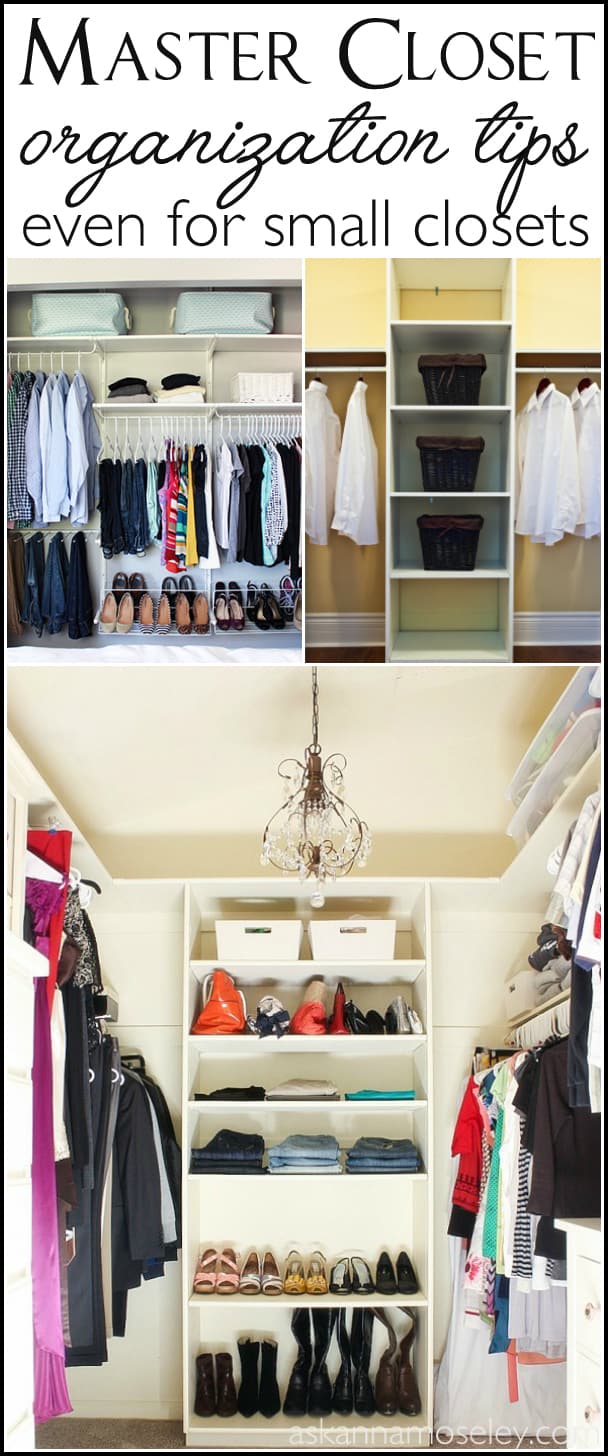
- Install shelves all the way to the ceiling; use a step stool for access.
- Choose clear bins so you see what’s inside.
- Store out-of-season clothes under the bed if closet space is tight.
A tip most beginners miss: store suitcases, extra bedding, or rarely used items in the closet’s highest shelves, not in hard-to-reach attic or garage spaces. This keeps all your essentials together.
Maintaining Your Organized Closet
A beautifully organized closet can quickly fall apart without maintenance. Keep it in shape with these habits:
One In, One Out Rule
Whenever you buy a new clothing item, donate or remove one similar item. This prevents overflow.
Seasonal Check-ups
Twice a year, review your closet. Move seasonal clothes up or down, check for damage, and declutter again.
Quick Daily Tidy
Spend two minutes each night putting things back where they belong. This small habit keeps chaos away.
Laundry Routine
Put clean clothes away promptly. Don’t let them pile up on a chair or floor—this is where disorder starts.
Label Refresh
If you add new bins or boxes, update labels. Clear labeling avoids confusion and saves time.
Credit: askannamoseley.com
Solving Common Closet Problems
Even the best plans meet obstacles. Here’s how to fix the most common closet issues:
Not Enough Hanging Space
Try a double rod, slim hangers, or hang multiple items (like scarves or camisoles) on one hanger with hooks.
Deep Or Awkward Corners
Install corner shelves for shoes or bags. Store items you don’t need daily in these spots.
Poor Lighting
Add battery-powered LED lights. Some stick to any surface and turn on automatically when you open the door.
Small Items Get Lost
Use drawer organizers or small trays for socks, underwear, or jewelry. This prevents piles and saves space.
Shoes Always Messy
Set a rule: only two pairs of shoes on the closet floor at a time (the rest go on racks or in boxes). This keeps things tidy and extends shoe life.
Too Many Clothes, Not Enough Space
Rotate your wardrobe. Store off-season clothes elsewhere or use vacuum-sealed bags to save space.
Closet Problem-solution Comparison
| Problem | Quick Fix | Pro Tip |
|---|---|---|
| Overflowing Rod | Double rod | Use slim hangers |
| Lost Small Items | Drawer organizers | Label sections |
| Poor Lighting | LED stick-on lights | Motion sensor lights |
| Messy Shoes | Shoe rack | Rotate by season |
Non-obvious Tips For Closet Success
- Hang clothes by color: This helps you find items faster and creates a calming, organized look.
- Use the closet door: Hang organizers, hooks, or even a mirror on the inside of your closet door for extra storage.
- Keep a donation bin inside the closet: When you try on something you don’t love, drop it in the bin right away.
- Protect special items: Use garment bags for delicate clothes or formal wear to prevent dust.
- Upgrade your hangers: Wire hangers are cheap but bad for clothes. Switch to velvet or wooden hangers to protect your wardrobe.
Most beginners focus only on fitting everything in. Experts know that ease of use and long-term maintenance matter just as much.
Special Closet Organization Ideas
His And Hers Closets
If you share a closet, split the space clearly. Use color-coded bins or labels, and keep each person’s items on one side. This avoids mix-ups and arguments.
Walk-in Closets
For large walk-ins, create a mini “dressing area” with a mirror and small bench if space allows. Zone clothes by type and use baskets or drawers for accessories.
Closet For Two Seasons
If you live in a place with hot summers and cold winters, keep only the current season’s clothes in the main area. Store off-season items in bins up high or under the bed.
For Small Closets
Use multi-layer hangers for pants or scarves, and double up items (like tank tops) on a single hanger. Install hooks on every unused surface.
Common Mistakes To Avoid
- Skipping decluttering: Don’t organize what you don’t need.
- Buying organizers before measuring: Always measure first.
- Ignoring vertical space: Use every inch from floor to ceiling.
- Forgetting lighting: A dark closet means you’ll never use the back.
- Letting “just for now” items build up: Put things away properly the first time.
- Not labeling bins: Saves time and confusion.
- Neglecting maintenance: A quick tidy each day keeps things organized.
- Using wire hangers: They ruin clothes and look messy.
- Overcrowding: Leave space between clothes.
- Not adapting your system: Adjust as your wardrobe and needs change.
When To Call A Professional
If you’ve tried everything and still feel overwhelmed, or if your closet has serious issues (like mold, water leaks, or broken doors), it might be time to call a professional organizer or closet company. They can design custom solutions and even build new shelving or organizers that fit your space perfectly. While this costs more, it can be a smart investment if you value your time and peace of mind.
Useful Resources
For more inspiration and detailed closet system ideas, check out the Container Store. Their online guides and photos can give you creative ideas no matter your closet size or budget.
Frequently Asked Questions
How Often Should I Reorganize My Master Bedroom Closet?
It’s smart to do a quick tidy every week and a full reorganization every six months. This keeps things in order and gives you a chance to declutter before things get out of control.
What Is The Best Way To Store Seasonal Clothes?
Use clear bins or vacuum bags to store out-of-season clothes on high shelves or under the bed. Always wash clothes before storing and add a lavender sachet to keep them fresh.
How Can I Make A Small Closet Feel Bigger?
Choose slim hangers, add a second rod, and use the back of the door for storage. Use light colors for bins and walls to reflect more light and make the space feel larger.
What Should I Do With Clothes I’m Not Sure About Keeping?
Try the “backwards hanger” method: hang these clothes with the hanger facing backward. If you don’t wear them in six months, it’s time to donate.
Are Expensive Closet Systems Worth It?
Not always. Many people get great results with simple organizers and a good layout. However, if you have a very challenging closet or want a luxury feel, custom closet systems can add value to your home.
—
An organized master bedroom closet isn’t just about looks—it changes how you start and end your day. With clear steps, smart tools, and a little regular maintenance, you can turn your closet into a space that saves you time, reduces stress, and makes getting dressed a pleasure.
Start today, and enjoy your new organized life tomorrow.