
Rolling up a rug sounds simple, but doing it the right way can protect your rug from damage, keep it fresh, and make storage much easier. Many people just fold or roll their rugs without thinking, only to find creases, bad smells, or even pest damage when they unroll it months later.
Whether your rug is a family heirloom, a modern area rug, or an expensive Persian carpet, knowing the correct steps can save you a lot of trouble and money.
This guide gives you a clear, step-by-step process for how to roll up a rug for storage. You’ll learn why each step matters, what materials to use, and how to avoid common mistakes that ruin rugs. Even if you’re new to rug care, you’ll finish this article feeling confident about storing your rug safely. Let’s get started.
Why Proper Rug Storage Matters
Storing a rug the right way is more than just tidying up. Rugs are made from different materials like wool, silk, or synthetic fibers, and each type reacts differently to moisture, light, and pressure. If you roll and store a rug incorrectly, you risk:
- Mold and mildew from trapped moisture
- Creases and permanent wrinkles
- Pest infestation such as moths or carpet beetles
- Color fading or discoloration
- Fiber breakdown over time
Many people don’t realize that improper storage can cut a rug’s lifespan in half. For example, a 2020 study from the Carpet and Rug Institute showed that rugs stored in damp or unventilated conditions had 40% more fiber breakdown after just one year compared to those stored properly.
Tools And Supplies You’ll Need
Before you start, gather the right tools. Using the right materials makes each step easier and safer for your rug.
- Vacuum cleaner with upholstery attachment
- Soft brush or broom
- Mild rug shampoo or gentle cleaning spray
- Clean white cloths for spot cleaning
- Cotton or muslin sheet (for wrapping)
- Acid-free tissue paper (optional for delicate rugs)
- Rug tube or sturdy PVC pipe (slightly wider than the rug’s width)
- Cotton or nylon straps (never use sticky tape)
- Gloves (especially for antique or delicate rugs)
- Storage bag or cover (breathable, not plastic)
- Label or tag (to identify the rug later)
If you have a very large or heavy rug, ask a friend to help. It’s easy to damage a rug by dragging or folding it alone.

Credit: www.extraspace.com
Step 1: Clean The Rug Thoroughly
The first and most important step is cleaning. Dirt, dust, and crumbs left in a rug can become food for pests and cause odors during storage.
- Vacuum both sides. Start with the front, then flip the rug and vacuum the back. Use the upholstery attachment and go slowly.
- Spot clean stains. Use a small amount of mild rug shampoo or a gentle cleaning spray. Dab, don’t rub, to avoid spreading stains.
- Let it dry completely. Even a little moisture can cause mold or mildew. Leave the rug flat in a well-ventilated area for at least 24 hours after cleaning.
Pro tip: For wool or silk rugs, never use harsh chemicals. If you’re unsure, check the care label or search for your rug type on the manufacturer’s website.
Step 2: Protect The Rug Surface
Once the rug is clean and dry, protect the pile (the soft surface fibers) before rolling.
- Lay out a cotton or muslin sheet on the floor.
- Place the rug face-down on the sheet. This helps protect the pile from getting crushed during storage.
- For extra protection on delicate or valuable rugs, add a layer of acid-free tissue paper between the rug and the sheet. This prevents dye transfer and fiber damage.
Never use plastic wrap directly against the rug. Plastic traps moisture and can cause the fibers to break down.
Step 3: Choose The Right Rolling Direction
Not all rugs should be rolled the same way. The direction you roll matters for preventing creases and fiber damage.
- Rugs with fringe: Start rolling from the end opposite the fringe, so the fringe is on the outside. This keeps it from getting tangled or crushed.
- No fringe: Roll from the short side to make a compact tube.
- Antique or hand-knotted rugs: Always roll with the pile facing inward. This protects the delicate fibers.
For most machine-made rugs, either direction is safe, but rolling with the pile inward is still best for long-term storage.
Step 4: Use A Support Tube For Structure
Many people skip this step, but it makes a big difference, especially for large or valuable rugs.
- Place a rug tube or sturdy PVC pipe at the edge of the rug before you start rolling.
- The tube should be at least 3–4 inches in diameter and slightly wider than the rug.
- Roll the rug around the tube, keeping it as tight and even as possible.
Using a tube prevents the rug from creasing and helps it keep its shape. For smaller rugs (under 3×5 feet), you can skip the tube, but for anything larger, it’s highly recommended.
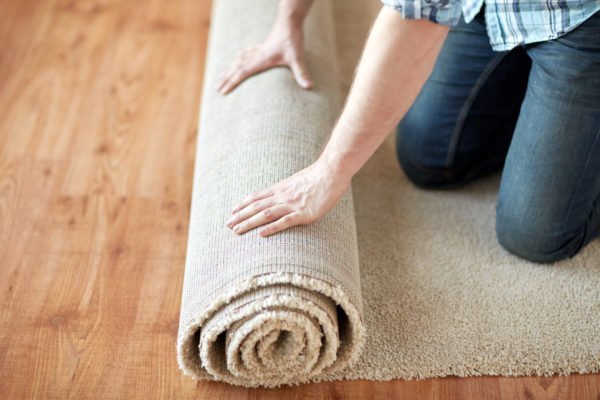
Step 5: Roll The Rug Evenly And Gently
Now you’re ready to actually roll up the rug.
- Start slowly. Make sure the first roll is as tight as possible without forcing or stretching the fibers.
- Keep the edges straight. Check both sides as you roll to make sure the edges don’t fold under or wrinkle.
- Roll gently but firmly until the entire rug is wrapped around the tube.
If you feel resistance, stop and smooth out the rug. Forcing a roll can cause permanent creases.
Step 6: Secure The Roll Properly
How you secure the rolled rug is important. Many people use duct tape or rope, but these can damage the fibers or leave sticky residue.
- Use cotton or nylon straps to hold the rug in place. Place one near each end and one in the middle.
- Tighten the straps enough to keep the roll together, but not so tight that they dent the rug.
- Never place tape or straps directly on the rug’s surface.
If you must use tape, only place it on the outer protective sheet, never on the rug itself.
Credit: www.selfstorageplus.com
Step 7: Wrap The Rug For Storage
Now, wrap the rolled rug to protect it from dust, pests, and sunlight.
- Wrap with a cotton or muslin sheet. Make sure it covers the entire roll.
- For extra protection, you can use a breathable fabric storage bag designed for rugs.
- Avoid plastic bags or shrink wrap. These trap moisture and can cause mildew.
For long-term storage (over 6 months), add a small packet of silica gel or a cedar block inside the wrap to help control moisture and deter pests.
Step 8: Label And Document The Rug
Many people skip this step and regret it later, especially if they are storing multiple rugs.
- Attach a label or tag to the outside of the wrapped rug. Include the rug’s size, color, and any identifying features.
- Take a photo of the rug before rolling it, and keep it with your storage notes.
This helps you remember which rug is which and makes it easier to check for damage or changes later.
Step 9: Choose The Best Storage Location
Where you store your rug is as important as how you roll it.
Ideal Storage Conditions
- Cool and dry. The best temperature range is 60–75°F (16–24°C) with low humidity.
- Away from sunlight. UV light can fade rug colors and weaken fibers.
- Well-ventilated. Avoid musty basements or attics without airflow.
Avoid These Places
- Garages and sheds: These often have high humidity, pests, and temperature swings.
- Direct floor contact: Always place the rug on a shelf, rack, or at least a few inches off the floor.
- Near chemicals: Keep away from paint cans, cleaning supplies, or fuel.
Storage Location Comparison
Here’s a simple comparison of common storage locations for rugs:
| Location | Pros | Cons |
|---|---|---|
| Climate-controlled room | Stable temperature, low humidity | Costs more, needs space |
| Basement | Easy access, space | Often damp, risk of mold |
| Attic | Out of the way | Heat, cold, pests |
| Self-storage unit | Secure, controlled environment | Monthly fee, travel needed |
If you’re storing a valuable or antique rug, always choose a climate-controlled space.
Step 10: Store The Rug Horizontally
The way you position the rolled rug in storage can prevent damage over time.
- Lay the rug roll flat (horizontally) on a shelf or raised platform.
- Never stand the roll upright for long periods. This puts pressure on the ends and can cause the rug to flatten or develop “cone” shapes.
- If stacking multiple rugs, place the largest and heaviest at the bottom and lighter ones on top.
Don’t place heavy boxes or items on top of stored rugs.
Step 11: Check And Maintain The Rug During Storage
Many people forget about their stored rugs, but regular checks are important.
- Inspect every 2–3 months for signs of pests, moisture, or mildew.
- If you see any signs of mold or bugs, remove the rug from storage and clean it immediately.
- Roll the rug out and air it for a few hours once a year, if possible.
This simple habit can prevent serious damage that only appears after years in storage.
Common Mistakes To Avoid
Rolling and storing a rug seems simple, but there are several common mistakes that can ruin your rug if you’re not careful.
1. Skipping Cleaning
Even tiny amounts of dirt can attract pests and cause odors. Always clean your rug thoroughly before storage.
2. Storing In Plastic
Plastic traps moisture and can cause mold, mildew, and fiber breakdown. Use only breathable covers like cotton or muslin.
3. Rolling Too Tightly
If you roll the rug too tightly, you risk creasing and damaging the backing. Keep the roll firm but not forced.
4. Using Tape On The Rug
Tape can leave sticky residue and damage fibers when removed. Only use straps or wrap tape around the protective sheet, not the rug.
5. Forgetting To Check The Rug
Stored rugs can develop problems over time. Check them every few months, especially in humid areas.
6. Ignoring Storage Conditions
Basements and garages are usually too damp and attract pests. Choose a clean, dry, and well-ventilated space.
7. Storing Vertically
Standing a rolled rug upright can distort its shape. Always lay the roll flat.
Special Tips For Different Rug Types
Not all rugs are the same. Here’s how to handle some common types:
Wool Rugs
- Sensitive to moisture and pests
- Use cedar blocks or lavender sachets to deter moths
- Never store damp; wool can felt and shrink
Silk Rugs
- Very delicate
- Roll with acid-free tissue paper
- Avoid any pressure or heavy stacking
Synthetic Rugs
- More resistant to pests and moisture
- Still avoid plastic wrap to prevent mildew
Antique Or Oriental Rugs
- May require professional cleaning
- Always use acid-free materials for wrapping
- Consider climate-controlled storage
How Long Can You Store A Rug?
If stored properly, most rugs can stay rolled and stored for years without harm. However, it’s best to unroll and air them out at least once a year. For valuable or antique rugs, shorter storage periods are safer to avoid fiber compression.
Storage Duration And Rug Condition
Here’s a quick look at how storage time affects rug quality:
| Storage Duration | Risk Level | Recommended Actions |
|---|---|---|
| 1–6 months | Low | Basic cleaning and wrap |
| 6–12 months | Moderate | Check every 3 months |
| 1–3 years | High | Climate control, annual unrolling |
| Over 3 years | Very high | Professional assessment advised |
Pest And Mold Prevention
Even in good conditions, rugs are targets for moths, carpet beetles, and mold.
- Mothballs: Effective, but can leave a strong odor. Use with caution.
- Cedar blocks/sachets: Natural alternative, safe for most rugs.
- Silica gel packs: Help control moisture, reducing mold risk.
- Regular inspection: The best defense is catching problems early.
If you notice small holes, loose fibers, or a musty smell, act immediately. Early intervention can save your rug.
When To Call A Professional
Some rugs need extra care. If your rug is:
- Antique or high value
- Larger than 8×10 feet
- Severely stained or soiled
- Made of silk or has metallic threads
Consider contacting a professional rug cleaner or storage specialist. They have tools and knowledge to protect your investment. For more about rug care and cleaning, the Carpet and Rug Institute is a helpful resource.

Credit: www.amazon.com
Non-obvious Insights And Tips
- Acid-free paper matters. Most people think any paper will do, but regular paper can leach acids into rug fibers over time, causing discoloration.
- Pest traps near storage. Place sticky traps around the storage area (not inside the wrap) to catch early signs of moths or beetles.
- Humidity sensors. In humid climates, a cheap hygrometer can warn you if moisture gets too high.
- Rolling direction affects pattern memory. For hand-knotted rugs, always roll with the pile inward. Rolling the other way can make the pattern “remember” a crease.
- Store with air gaps. Don’t pack rugs tightly with other items. Airflow reduces mold risk and makes regular checks easier.
Frequently Asked Questions
How Do I Keep My Rug From Getting Musty During Storage?
Keep your rug completely dry before rolling it up. Use a breathable cover and store in a cool, dry place. Adding a silica gel pack or cedar block inside the wrap can also help absorb moisture and prevent musty smells.
Can I Store My Rug In A Plastic Bag?
No, avoid plastic bags. Plastic traps moisture, which can cause mold and mildew. Always use a cotton or muslin sheet or a breathable fabric storage bag.
How Often Should I Check On My Stored Rug?
Check your rug every 2–3 months. Look for signs of moisture, pests, or odors. If you’re in a humid climate, monthly checks are even better.
What Should I Do If I Find Pests Or Mold On My Stored Rug?
Unwrap the rug and take it outside, if possible. Brush off visible pests and vacuum both sides. For mold, let the rug dry completely and clean with a gentle solution. If the problem is severe, contact a professional rug cleaner.
Is It Safe To Store A Rug Vertically?
Storing a rug vertically for a short time is okay, but for long-term storage, always lay the rug roll flat. Vertical storage can flatten the edges and distort the rug’s shape.
Storing your rug the right way keeps it beautiful and ready to use for years. Taking just a little extra care now can save you from expensive repairs or replacements in the future. With these steps, you can confidently roll up a rug for storage and protect your investment.