
Feeling too hot at night can make sleep almost impossible. If you’ve ever tossed and turned, kicking off blankets, you know how frustrating a hot mattress can be. Many people wake up sweaty, tired, and uncomfortable, especially in summer or warm climates. The good news is that you don’t have to buy an expensive new mattress to sleep cooler. With the right strategies, you can make your existing mattress cooler and enjoy restful, refreshing sleep.
This guide explains the science behind mattress heat, offers practical steps for instant relief, and provides long-term solutions for lasting comfort. You’ll find advice for all budgets—whether you want a quick fix tonight or a more permanent upgrade for the future.
By the end, you’ll know how to control heat, what products really work, and how to avoid common mistakes that actually make your bed hotter. Let’s dive in and learn how to make your mattress cooler, for good.
Why Mattresses Get Hot
Understanding why your mattress feels hot is the first step to solving the problem. Most mattresses trap body heat for several reasons:
- Foam materials: Memory foam and some latex mattresses absorb and hold heat, especially if they’re dense.
- Lack of airflow: Mattresses with few air channels or poor construction block heat from escaping.
- Body heat: Humans naturally give off heat. At night, it builds up under blankets and in the mattress.
- Room temperature: Hot rooms make mattresses feel even warmer.
- Humidity: Moisture in the air or sweat can make you feel sticky and uncomfortable.
Not all mattresses are the same. For example, innerspring mattresses usually allow more airflow, while all-foam beds tend to trap more heat. Even your mattress protector or sheets can change how hot your bed feels. The key is to manage all these factors together.
Immediate Actions For A Cooler Mattress Tonight
If you need relief right away, there are steps you can take tonight to sleep cooler:
1. Switch To Breathable Bedding
Choose lightweight, breathable sheets made from cotton, bamboo, or linen. These materials wick away sweat and let heat escape. Avoid synthetic fabrics like polyester, which trap heat and moisture.
2. Remove Mattress Protectors Or Pads
Many mattress protectors are waterproof or made of plastic-like materials. These block airflow and trap heat. Take them off for the night, or switch to a cooling protector designed for airflow.
3. Use A Fan Or Air Circulator
Position a fan near your bed to move air across the mattress surface. Even a small desk fan can make a big difference. If possible, use a ceiling fan or an air circulator for the whole room.
4. Lower Your Room Temperature
Set your thermostat between 60–67°F (16–19°C) if possible. This is the ideal range for sleep and will keep your mattress cooler.
5. Sleep With Fewer Layers
Remove heavy blankets or comforters. Use only a sheet or a lightweight blanket. Layering traps heat, so less is more in hot weather.
6. Shower Before Bed
A cool or lukewarm shower lowers your core body temperature. This helps you feel cooler as you fall asleep.
7. Rotate Or Flip Your Mattress
If your mattress allows it, flip or rotate it. Some areas may be less worn and allow more airflow.
These steps can give fast relief, but for lasting results, you’ll need to make changes to your mattress and sleep setup.
Credit: www.nosleeplessnights.com
Cooling Mattress Toppers And Pads
Adding a cooling mattress topper is one of the easiest and most effective ways to reduce heat. There are several types, each with pros and cons.
Types Of Cooling Toppers
| Type | Main Material | Cooling Method | Price Range |
|---|---|---|---|
| Gel-Infused Foam | Memory Foam + Gel | Absorbs and disperses heat | $50–$200 |
| Latex | Natural or Synthetic Latex | Ventilated, naturally cool | $100–$400 |
| Wool | Natural Wool | Moisture-wicking, temperature regulation | $80–$250 |
| Feather/Down | Feathers, Down | Air pockets, light insulation | $60–$300 |
| Phase Change Material (PCM) | Advanced Polymers | Absorbs/release heat to maintain temp | $120–$350 |
Gel-infused Foam Toppers
These are popular for memory foam mattresses. The gel helps draw heat away from your body, but the effect can fade over time. Some users find they work for a few hours, but not all night.
Latex Toppers
Natural latex is more breathable than foam. Look for ventilated latex toppers (with holes) for maximum airflow.
Wool Toppers
Wool is temperature-regulating. It can keep you cool in summer and warm in winter by wicking away moisture.
Feather Or Down Toppers
These add a soft layer of air above your mattress. They don’t get as hot as foam but may not support your body as well.
Pcm Toppers
Phase Change Materials absorb excess heat and release it as you cool down. These are high-tech and can be very effective, but they’re more expensive.
How To Choose A Topper
- Consider your budget and the level of cooling you need.
- If you sweat a lot, choose moisture-wicking materials like bamboo or wool.
- For the hottest climates, PCM or ventilated latex are often best.
- Check the topper’s thickness. Too thick can trap heat; 1.5–3 inches is usually enough.
Mistakes To Avoid
- Don’t choose memory foam without cooling features—it usually makes heat problems worse.
- Avoid toppers with plastic coatings unless they’re labeled “breathable.”
- Don’t layer multiple toppers; this can block airflow.
Mattress Protectors And Encasements
A cooling mattress protector can help, especially if you’re worried about spills or allergies. Not all protectors are created equal.
Features To Look For
- Breathable fabrics (cotton, bamboo, Tencel)
- Moisture-wicking properties
- “Noiseless” design (no crinkly plastic)
- Some have cooling technology like PCM or gel fibers
What To Avoid
- Vinyl or plastic-backed protectors, unless they have a breathable membrane
- Heavy, quilted styles that trap heat
Example Comparison
| Protector Type | Material | Waterproof | Cooling Feature | Cost |
|---|---|---|---|---|
| Standard Cotton | 100% Cotton | No | Breathable only | $20–$50 |
| Waterproof Bamboo | Bamboo + TPU Membrane | Yes | Moisture-wicking, breathable | $30–$80 |
| PCM Cooling | Polyester + PCM | Sometimes | Active temp regulation | $60–$120 |

Credit: www.durfi.com
The Role Of Pillows And Sleep Position
Your pillow and how you sleep can affect how hot you feel. A thick or non-breathable pillow can make your head and neck sweaty. Try these options:
- Use a cooling pillow with gel, ventilated foam, or shredded memory foam.
- Avoid synthetic pillows that trap heat.
- Sleep on your back or side, not your stomach. Stomach sleeping puts more of your body in contact with the mattress, trapping more heat.
An often-missed tip: Elevating your legs slightly (with a thin pillow) can improve airflow under your knees, helping you feel cooler.
Bed Frames And Foundations
The base under your mattress also affects temperature. Solid platforms or boards block airflow, while slatted bases let air move freely.
Best Choices
- Slatted bed frames: Let air circulate, cooling the mattress from below.
- Adjustable bases: Often have slats or mesh for ventilation.
What To Avoid
- Solid wood or particleboard platforms (unless they have ventilation holes)
- Putting your mattress directly on the floor
If you can’t change your bed frame, try raising your mattress 1–2 inches with blocks or risers to let air move underneath.
Advanced Cooling Technology
If you’re ready to invest in high-tech solutions, there are products designed to actively cool your mattress:
1. Bed Cooling Pads And Systems
These are devices that pump cooled water or air through a pad under your sheets. Examples include the ChiliPad and Eight Sleep Pod.
- Can lower surface temperature by 5–10°F (2–5°C)
- Often have remote or app control for easy adjustments
- Prices range from $200 to $2,000
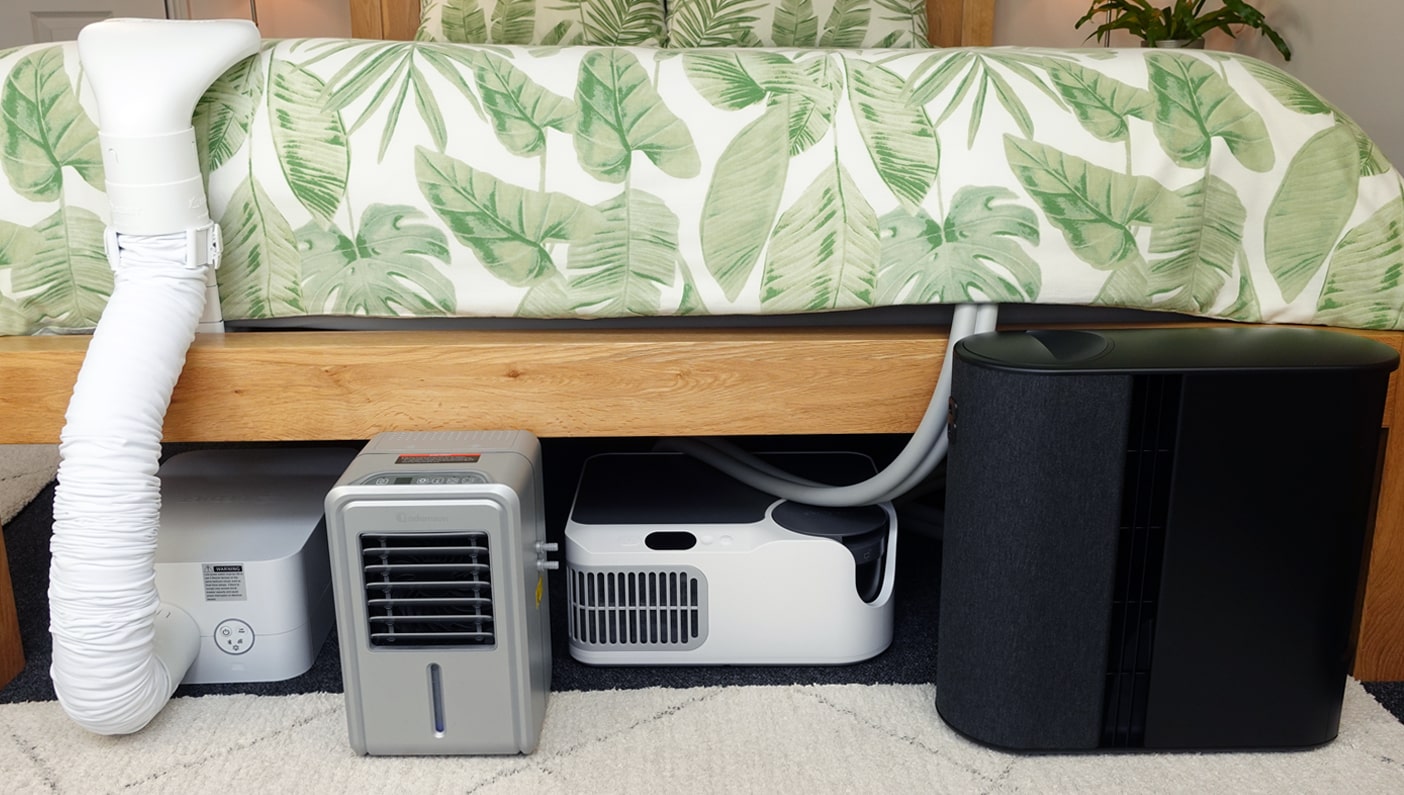
2. Cooling Fans For Under The Bed
Small, quiet fans fit under your bed and push air through the mattress. Some models can lower mattress temperature by up to 6°F (3°C).
3. Smart Mattresses
Some modern mattresses have built-in cooling tech, like water channels, air tubes, or PCM layers.
- Expensive, but effective for chronic heat issues
- Look for adjustable settings for personalized comfort
Real-world Data
Studies show that lowering mattress temperature by just 1–2°C (1. 8–3. 6°F) can reduce the time it takes to fall asleep and increase the amount of deep sleep. That’s why investing in active cooling can pay off in better rest and energy the next day.
For more about how temperature affects sleep quality, see this Sleep Foundation guide.
Sheets, Blankets, And Comforters: What To Use
The right bedding makes a big difference. Focus on these key details:
Best Sheet Materials
- Cotton (especially percale or sateen weave): Breathable, soft, affordable
- Bamboo: Excellent moisture-wicking, naturally cool
- Linen: Superior airflow, but wrinkles easily
Avoid
- Microfiber
- Polyester blends
- Heavy flannel (except in winter)
Blankets And Comforters
- Use light quilts, summer-weight comforters, or just a top sheet.
- Look for “cooling” or “all-season” comforters made with breathable fill (cotton, bamboo, silk).
- Weighted blankets can trap heat, so choose a lighter one or skip it in summer.
Color Matters
Lighter colors reflect heat, while dark colors absorb it. Choose white or light bedding for the coolest sleep.
Credit: www.memoryfoamwarehouse.co.uk
Personal Habits And Sleepwear
How you prepare for bed and what you wear also influence mattress temperature.
- Wear lightweight, loose pajamas made from cotton or bamboo.
- Avoid tight, synthetic sleepwear.
- Drink a glass of cool water before bed (but not too much).
- Don’t exercise right before sleeping; it raises your body heat.
- Keep your bedroom shades closed during the day to block sunlight.
A surprising trick: Place a cold pack or damp, cool towel on your feet for a few minutes before sleeping. This helps lower your entire body temperature.
Dealing With Humidity And Sweat
Humidity makes hot mattresses feel even worse. If you sweat a lot at night, try these steps:
- Use a dehumidifier in your bedroom. Ideal humidity is 40–60%.
- Place moisture-wicking pads or towels under your sheets.
- Wash bedding regularly to remove sweat and oils.
- Air out your mattress by standing it up during the day, if possible.
When To Replace Your Mattress
Sometimes, a mattress is just too old or poorly made to sleep cool, no matter what you try.
Signs It’s Time For A New Mattress
- Your mattress is more than 7–10 years old.
- It sags or has deep body impressions.
- You wake up sweaty every night, even with cooling bedding.
- You see mold or smell musty odors.
Choosing A Cooler Mattress
| Mattress Type | Cooling Ability | Durability | Cost Range (Queen) |
|---|---|---|---|
| Innerspring | Excellent | 7–8 years | $300–$1,500 |
| Hybrid (Foam + Springs) | Good to Very Good | 8–10 years | $500–$2,500 |
| All-Foam | Poor to Fair | 6–8 years | $200–$1,400 |
| Latex | Very Good | 10–15 years | $800–$3,000 |
| Smart/Cooling | Excellent | 8–12 years | $1,500–$4,000 |
Common Mistakes That Make Mattresses Hotter
Many people accidentally make their beds hotter. Here’s what to avoid:
- Using thick, waterproof covers or pads “just in case”
- Layering multiple blankets or toppers
- Putting the mattress on the floor
- Not cleaning sheets and mattress regularly (body oils block fabric pores)
- Ignoring room temperature and humidity
Non-obvious Insights For A Cooler Mattress
Most guides repeat the basics, but here are two insights beginners miss:
- Mattress height affects cooling. Thicker mattresses (over 12 inches) trap more heat, even with cooling covers. If you’re buying a new mattress, choose a medium profile (10–12 inches) for better airflow.
- Heat can build up from below. If your bedroom is above a garage or on an upper floor, the floor itself can be warmer. Use a rug or insulating pad under your bed to block rising heat.
How To Test Mattress Cooling
Not sure if your changes work? Try this:
- Lie on your bed for 15 minutes with your usual bedding.
- Get up and feel the mattress surface.
- If it feels hot or damp, your current setup still traps heat.
- After making changes (like adding a cooling topper or using a fan), repeat the test. The mattress should feel closer to room temperature.
Combining Solutions For Maximum Cooling
The best results often come from using several strategies together. For example:
- Use a slatted bed frame, a cooling topper, and breathable sheets.
- Pair a fan with a lightweight comforter.
- Add a PCM mattress protector and a cooling pillow.
Experiment until you find the combination that works for you. Every person and home is different.
Frequently Asked Questions
How Can I Cool Down A Memory Foam Mattress?
Memory foam traps heat more than other materials. To cool it, use a gel or ventilated latex topper, breathable sheets, and a slatted bed frame. Avoid waterproof covers unless they’re labeled “cooling.” For severe heat, consider a water-cooled mattress pad or an under-bed fan.
Do Cooling Mattress Toppers Really Work?
Cooling mattress toppers can help, especially if made from gel, latex, wool, or phase change materials. However, they have limits—if your room is very hot or your bedding is thick, they may not be enough alone. For best results, pair a cooling topper with other cooling strategies.
Are There Natural Ways To Make A Mattress Cooler?
Yes! Use cotton or linen sheets, sleep with fewer layers, and open windows for a breeze. Place a bowl of ice near a fan to cool air. Air out your mattress during the day and avoid heat-producing electronics near your bed.
What Is The Best Temperature For Sleep?
Most experts recommend a bedroom temperature between 60–67°F (16–19°C). This helps your body lower its core temperature, making it easier to fall asleep and stay asleep. If you share a bed, try to find a compromise that suits both partners.
When Should I Buy A New Mattress For Cooling?
Replace your mattress if it’s over 10 years old, sags, or makes you sweat even after trying cooling solutions. Choose a mattress with breathable materials (innerspring, hybrid, or latex) and cooling features like ventilated layers or PCM. Don’t wait if sleep quality suffers—your health is worth it.
Sleeping hot doesn’t have to ruin your nights. With the right changes, you can make your mattress cooler—sometimes dramatically—without spending a fortune. Start with simple steps tonight, and invest in better bedding and technology as needed. Soon, you’ll enjoy deep, comfortable sleep, no matter the weather.