
Drop ceilings, also called suspended ceilings, are common in offices, basements, and many homes. They hide pipes, wires, and ductwork, and make it easy to access these things. But, let’s be honest—most drop ceilings look plain or even outdated. Many people wish their drop ceiling looked nicer, but don’t know how or where to start.
If you have a drop ceiling, you don’t have to settle for boring, old-fashioned tiles. There are many ways to make your drop ceiling look better, even beautiful. You don’t always need to replace everything or spend a lot of money.
With the right ideas and a little effort, you can turn a dull ceiling into a stylish part of your room.
This article will guide you through the best ways to improve a drop ceiling. You’ll learn about painting, upgrading tiles, adding lighting, using decorative touches, and much more. You’ll also see examples, get practical tips, and find answers to the most common questions people have about drop ceilings.
Understanding The Basics Of Drop Ceilings
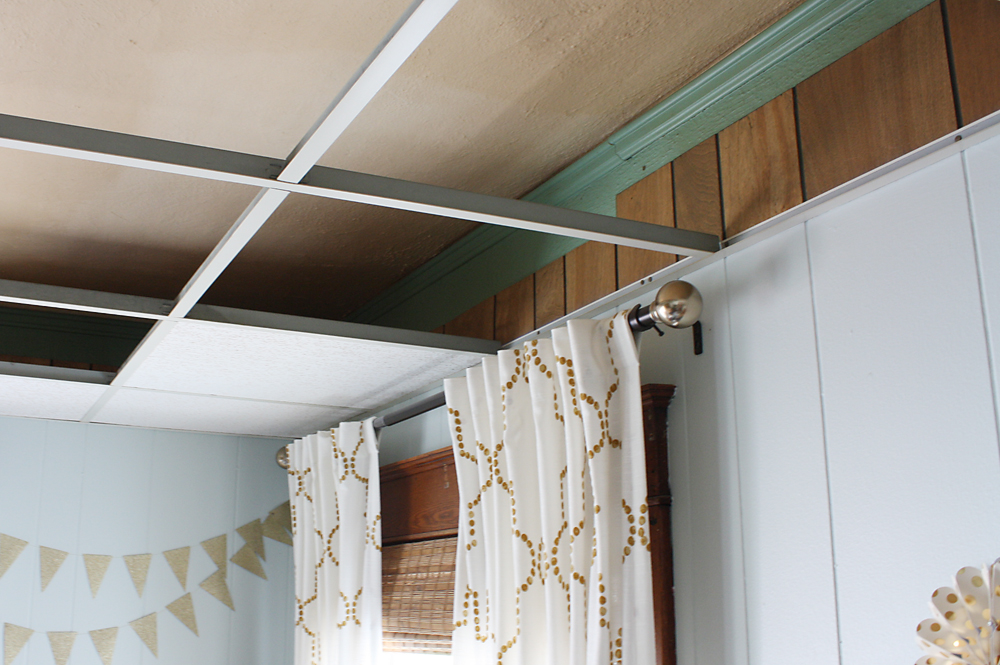
Before making changes, it’s important to understand what a drop ceiling is. A drop ceiling is a grid system of metal tracks hung below the main ceiling. Lightweight tiles or panels rest in the grid. This setup helps hide things above, like plumbing and wires, but keeps them easy to reach for repairs.
The most common problems with drop ceilings are:
- Dull or stained tiles
- Yellowing from age or moisture
- Visible grid lines
- Old-fashioned or plain textures
- Low ceiling height feeling
Knowing these problems helps you find the best ways to make improvements that last.
Painting Drop Ceiling Tiles And Grids
One of the fastest ways to make a drop ceiling look better is painting. Many people never think of this, but it works well and doesn’t cost much.
Choosing The Right Paint
You need paint that sticks to tile surfaces. Latex paint or acrylic paint is usually best. For metal grids, use a metal primer first, then your paint color. Matte or satin finishes help hide flaws better than glossy paint.
Painting Tiles
- Remove the tiles from the grid.
- Clean each tile with a damp cloth to remove dust and grease.
- Prime if tiles are stained or very porous.
- Paint using a roller for smooth coverage. For deep textures, use a brush as well.
- Let dry fully before reinstalling.
Painting The Grid
- Leave the grid in place.
- Use painter’s tape to protect walls.
- Apply primer if the grid is shiny or old.
- Use a small brush or spray paint for even coverage.
Color Ideas
- Bright white makes rooms feel larger and more modern.
- Soft gray or taupe adds warmth.
- Bold colors can be a feature, but test a small area first.
- Try painting the grid a different color than the tiles for a unique effect.
Non-obvious insight: Painting both tiles and grid the same color can make the ceiling look higher and less “busy.”
Upgrading Drop Ceiling Tiles
Changing the tiles is one of the best ways to update a drop ceiling. New tiles come in many styles, materials, and price ranges.
Types Of Tiles
- Mineral fiber: Most common, affordable, but plain.
- PVC or vinyl: Waterproof, easy to clean, many designs.
- Tin-look: Real metal or plastic, for a vintage or elegant look.
- Wood-look: Made of lightweight materials, adds warmth.
- Acoustic tiles: Reduce noise, great for offices or home theaters.
Style Choices
- Textured designs (like geometric, floral, or wave patterns)
- Smooth and simple for a modern feel
- Faux tin for classic or retro style
- Wood grain for cozy rooms
How To Replace Tiles
- Measure your grid size (most are 2×2 ft or 2×4 ft).
- Choose tiles that fit your grid.
- Remove old tiles carefully to avoid breaking them.
- Install new tiles by dropping them into the grid.
Comparing Tile Materials
Here is a quick comparison of popular tile types:
| Type | Price | Durability | Moisture Resistance | Style Choices |
|---|---|---|---|---|
| Mineral Fiber | Low | Medium | Poor | Few |
| PVC/Vinyl | Medium | High | Excellent | Many |
| Faux Tin | Medium-High | High | Good | Many |
| Wood-look | Medium | Medium | Fair | Many |
Non-obvious insight: Upgrading to PVC or faux tin tiles can solve moisture and staining problems, especially in basements or bathrooms.
Adding Lighting To Transform The Ceiling
Lighting can change the look and feel of any drop ceiling. Most drop ceilings use basic fluorescent panels, which look cold and clinical. Swapping or adding new lighting can make a huge difference.
Types Of Lighting For Drop Ceilings
- LED panels: Bright, slim, energy-saving. Fit right into the grid.
- Recessed lights: Also called “can lights.” Modern, clean look.
- Decorative fixtures: Hanging or flush-mount lights for style.
- Indirect lighting: LED strips above the grid or around the ceiling edge for a soft glow.
Tips For Upgrading Lighting
- Replace old fluorescent bulbs with LEDs for better color and lower bills.
- Use dimmable lights to adjust brightness for mood or activity.
- Mix different types—overhead panels for general light, smaller spots for accents.
Lighting Comparison
Here’s how common drop ceiling lighting options stack up:
| Lighting Type | Brightness | Energy Use | Style Impact | Cost |
|---|---|---|---|---|
| Fluorescent Panels | High | Medium | Low | Low |
| LED Panels | High | Low | Medium | Medium |
| Recessed Lights | Medium | Low | High | High |
| Indirect LEDs | Low-Medium | Very Low | Very High | Medium |
Practical tip: Use a combination of direct and indirect lighting for the most comfortable and attractive effect.
Hiding Or Upgrading The Grid
The metal grid is often what makes a drop ceiling look “industrial.” There are ways to cover, disguise, or dress up the grid for a more finished look.
Grid Covers And Sleeves
Special snap-on grid covers (also called “grid tape” or “grid sleeves”) are made from vinyl or plastic. They come in many colors and metallic finishes (like black, bronze, or copper). You simply snap them over the existing grid for an instant upgrade.
- Easy to install—no tools needed.
- Hides stains and yellowing on old grids.
- Matches or contrasts with your tile color.
Painting The Grid
As described earlier, painting the grid is another way to improve its look. Choose a color that blends with the tiles or stands out as a design feature.
Filling The Grid
Some people use caulk to fill small gaps between the grid and the tiles for a seamless appearance. This requires a careful hand, but it can make a big difference in how clean the ceiling looks.
Non-obvious insight: Black or dark grid covers can make the ceiling look higher and more modern, especially with white tiles.
Using Decorative Tile Inserts And Overlays
If you don’t want to replace all your tiles, consider decorative tile overlays. These are thin, lightweight sheets (often PVC or styrene) that fit right over your existing tiles.
- Hundreds of designs: Tin, copper, wood grain, modern patterns.
- Peel-and-stick options for easy updates.
- Can be painted or left as-is.
Installing overlays is a quick way to change the style without a full tile replacement.
Installing A Coffered Or Tray Ceiling Look
Some high-end rooms have coffered ceilings—a grid of sunken panels with deep beams. You can mimic this look with special drop ceiling kits.
- Coffered ceiling tiles are thicker and have a 3D profile.
- Works best in rooms with higher ceilings, but there are low-profile options too.
- Gives a classic, upscale feel to offices, dining rooms, or home libraries.
Example: A home office with a faux coffered drop ceiling looks much more expensive and professional than one with standard tiles.
Adding Soundproofing And Insulation
Drop ceilings can be noisy—especially in basements or between apartments. Upgrading to acoustic tiles can help absorb sound. You can also add extra insulation above the tiles.
- Choose acoustic ceiling tiles made for sound control.
- Lay insulation batts or soundproofing mats above the grid (check weight limits).
- This can help keep rooms quieter and more energy-efficient.
Practical tip: Always check the grid’s weight rating before adding heavy materials above the tiles.
Mixing Materials For A Custom Look
You don’t have to stick to just one tile style or color. Mixing different materials or patterns gives a custom look that feels designed, not basic.
- Use tin-look tiles in the center of the room, and plain tiles around the edge.
- Alternate two colors in a checkerboard pattern.
- Add a row of wood-look tiles as a border.
Non-obvious insight: Mixing materials can draw attention away from the “ceiling grid” look and make the drop ceiling a real design feature.
Adding Crown Molding Or Edge Trim
Crown molding or other trim at the ceiling edge can hide gaps and give a more finished look.
- Use lightweight foam or PVC molding for easy installation.
- Paint to match the ceiling or wall.
- For basements with uneven walls, trim hides rough edges or cracks.
Practical tip: Install molding after painting or replacing tiles for the best fit.

Credit: www.youtube.com
Covering The Ceiling With Fabric Or Wood Planks
If you want something very different, you can cover a drop ceiling with fabric or wood planks.
Fabric Coverings
- Stretch lightweight fabric across the grid.
- Creates a soft, tent-like feel—great for kids’ rooms or creative spaces.
- Use fire-resistant fabric and keep it tight for safety.
Wood Plank Coverings
- Use peel-and-stick wood planks or very thin plywood.
- Attach to the grid with adhesive or small screws.
- Gives a rustic or modern cabin look.
Practical tip: Always make sure the grid can hold the extra weight. Some projects may need extra support.
Adding Skylights Or Light Tunnels
If you want natural light, consider a tubular skylight or “light tunnel.” This is more advanced, but it brings sunlight through the roof and into the drop ceiling.
- Works best on top floors or single-story homes.
- Needs professional installation.
- Makes rooms feel bigger and brighter.
Example: Many homeowners add a small skylight to a dark kitchen with a drop ceiling to completely change the feeling of the space.
Keeping It Clean And Well-maintained
Sometimes, simply cleaning and maintaining your drop ceiling makes a huge difference.
- Dust tiles and grids regularly.
- Replace any stained or sagging tiles.
- Fix leaks or moisture problems right away to prevent damage.
Non-obvious insight: Keeping tiles clean and bright makes even an old drop ceiling look much newer.
Creating A Feature Ceiling
Instead of hiding your drop ceiling, make it a feature. Use bold colors, custom patterns, or even murals painted on the tiles.
- Use stencils to add geometric or floral patterns.
- Paint a mural on several tiles and arrange them together.
- Add spotlights to highlight your design.
Practical tip: Use water-based paints and test for warping before painting a full mural.
Credit: robbrestyle.com
Hiding The Ceiling With Plants Or Greenery
Want something unique? Cover parts of your ceiling with artificial plants or “living wall” panels.
- Use lightweight fake greenery that clips onto the grid.
- Mix with regular tiles for a natural, indoor-garden look.
- Works especially well in home offices, yoga studios, or creative spaces.
Practical tip: Don’t block access to important pipes or wires above the ceiling.
Adding Ceiling Fans Or Air Vents
If your drop ceiling is in a basement or stuffy room, adding a ceiling fan or new air vents can improve both style and comfort.
- Use drop ceiling fan kits designed for grid systems.
- Modern, slim fans fit in 2×2 ft spaces.
- Make sure the grid is reinforced to hold the weight.
Example: A basement family room with a ceiling fan feels less like a cellar and more like a living space.
Budget-friendly Diy Upgrades
You don’t need a big budget to make a drop ceiling look better. Here are some low-cost ideas:
- Paint old tiles instead of replacing them.
- Use grid tape or covers for a quick color change.
- Replace just a few tiles in the center of the room for a focal point.
- Add LED strip lights along the edge for drama.
- Use leftover wallpaper or contact paper to cover tiles for a pattern effect.
Non-obvious insight: Sometimes, just changing the lighting or cleaning the grid can make the whole ceiling look new.
Mistakes To Avoid When Upgrading Drop Ceilings
Many people make the same mistakes when trying to improve their drop ceiling. Avoiding these can save you time, money, and frustration.
- Adding too much weight: Tiles and grids are made for lightweight materials.
- Ignoring leaks or moisture: Always fix water problems before upgrading.
- Choosing the wrong size tiles: Measure your grid before buying.
- Blocking access: Don’t make it impossible to reach pipes or wires above the ceiling.
- Not matching your room style: Your ceiling should fit with your floors, walls, and furniture.
Practical tip: Always check local building codes if you plan major changes, especially in commercial spaces.
When To Call A Professional
Most drop ceiling upgrades are DIY-friendly, but some jobs are best left to pros:
- Installing skylights or major lighting changes.
- Adding heavy materials like real wood.
- Handling asbestos tiles (common in very old buildings).
- Large commercial or public spaces with strict rules.
If you’re not sure, ask a contractor for advice.
Real-life Examples Of Drop Ceiling Makeovers
It helps to see what others have done with their drop ceilings. Here are a few real-life transformations:
- A small office replaced yellow tiles with white PVC tiles, painted the grid black, and added LED panels. The space looked twice as modern and felt brighter.
- A basement family room used faux tin tile overlays and crown molding, plus a ceiling fan kit. It went from looking like a storage room to a cozy entertainment space.
- A creative studio stretched white fabric over the grid, added colored LED lights, and hung lightweight art from the grid. The ceiling became the room’s best feature.
These examples show that you can get big results with smart updates.
How Much Does It Cost To Upgrade A Drop Ceiling?
Costs vary by project size and materials. Here’s a rough idea:
- Painting tiles and grid: $50–$150 for a medium room
- New basic tiles: $2–$5 per tile (2×2 ft)
- Designer tiles: $8–$25 per tile
- Grid covers: $1–$2 per foot
- LED panels: $30–$80 each
- Crown molding: $1–$4 per foot
Upgrades can be done in stages to fit your budget.
Sustainability: Eco-friendly Drop Ceiling Options
If you care about the environment, look for:
- Recycled-content tiles: Some are made from up to 70% recycled material.
- Low-VOC paints and finishes to improve indoor air quality.
- LED lighting for energy savings.
Some manufacturers also recycle old ceiling tiles. For more, see the Armstrong Ceilings Sustainability page.

Credit: www.youtube.com
Frequently Asked Questions
What’s The Best Way To Modernize A Drop Ceiling?
The best way is to replace old tiles with new, stylish options like PVC, faux tin, or wood-look tiles. Pair with LED lighting and grid covers for a clean, modern look. Painting tiles and grid is a good budget option.
Can You Paint Drop Ceiling Tiles And Grids?
Yes, you can paint both. Use latex or acrylic paint for tiles and a suitable metal primer for grids. Make sure everything is clean and dry before painting, and use a roller or brush for best results.
How Can I Make My Drop Ceiling Higher Or Less Noticeable?
Paint the tiles and grid the same light color to create the feeling of more space. Use smaller, brighter lights and avoid strong color contrasts. Removing unnecessary bulk (like old fluorescent fixtures) can help, too.
Are There Drop Ceiling Tiles That Help With Soundproofing?
Yes. Acoustic tiles are made to absorb sound and reduce noise. Some brands also offer extra insulation or can be combined with insulation batts above the grid for better soundproofing.
Is It Safe To Hang Lights Or Fans From A Drop Ceiling?
It can be, but only if the grid is reinforced and the fixture is made for drop ceilings. Never hang heavy items from a regular grid without extra support. Always follow the manufacturer’s instructions and check local building codes.
Making your drop ceiling look better is easier than you think. With the right choices, you can turn any drop ceiling from a design problem into a feature you’ll love. Whether you want a quick fix or a full transformation, the ideas in this guide can help you create a ceiling that fits your style and your space.