
Cleaning a cast iron grill pan can feel intimidating, especially if you’re new to cast iron cooking. Many people worry about ruining the seasoning or causing rust. But the truth is, with the right steps, keeping your cast iron grill pan in top shape is simple and rewarding.
A well-maintained pan gives you those perfect grill marks, even cooking, and a natural non-stick surface that gets better over time.
This article will guide you through every detail of cleaning a cast iron grill pan. You’ll learn the science behind seasoning, why certain cleaning methods work, and how to deal with every common cleaning challenge. Whether you’ve just bought a new pan or want to rescue an old, rusty one, you’ll find practical advice, expert tips, and answers to questions you didn’t even know to ask.
By the end, you’ll have total confidence in caring for your cast iron grill pan for years to come.
Why Cast Iron Grill Pans Need Special Care
Cast iron is different from other cookware materials. It’s strong, but it’s also reactive. The surface of cast iron is full of tiny pores. These pores hold oil and create the seasoning that makes your pan non-stick. This is why you can’t just throw a cast iron grill pan in the dishwasher or let it soak overnight. Water and soap can damage the seasoning and make the pan rust.
A grill pan adds extra challenge because of its raised ridges. Food and oil get trapped in these grooves, making cleaning harder than with a flat skillet. But, using the right techniques, you can keep both the flat areas and the ridges clean without harming the seasoned surface.
Supplies You’ll Need For Cleaning
Before you start, gather the tools and supplies you’ll need. Having everything ready will save time and prevent mistakes.
- Stiff-bristle brush or non-metal scrubber (avoid steel wool except for rust removal)
- Coarse salt (like kosher salt) for tough stuck-on food
- Plastic scraper for stubborn bits
- Paper towels or lint-free cloths
- Vegetable oil or flaxseed oil for seasoning
- Mild dish soap (optional, for occasional deep cleaning)
- Tongs and a sponge (for grip and safety)
- Oven mitts (cast iron gets hot!)
- Oven or stovetop for drying
These items will cover every cleaning situation, from basic daily care to deep cleaning and even rust rescue.
Step-by-step: How To Clean A Cast Iron Grill Pan After Each Use
Cleaning your grill pan right after cooking is the best way to keep it in top condition. Here’s a practical routine you can follow every time:
1. Let The Pan Cool Slightly
Never run cold water over a hot cast iron pan. This can cause thermal shock and even crack your pan. Wait a few minutes until it’s warm but safe to handle.
2. Wipe Out Extra Grease
Use a paper towel or cloth to remove any excess oil or fat. This step prevents old oil from becoming sticky and rancid.
3. Remove Food Debris
For most situations, a stiff brush or a non-metal scrubber is perfect. Scrub the pan under warm running water. Focus on the ridges, where food bits collect. If needed, use a plastic scraper to loosen stuck-on bits.
4. Use Salt For Tough Stuck-on Food
If you see stubborn residue, pour a tablespoon or two of coarse salt into the pan. Use a damp cloth or the brush to scrub the salt into the surface and ridges. Salt acts as a gentle abrasive but won’t damage the seasoning.
5. Rinse Quickly With Warm Water
Rinse the pan thoroughly, making sure no salt or debris remains. Don’t soak the pan. Prolonged water contact leads to rust.
6. Dry The Pan Completely
This step is essential. Use paper towels or a lint-free cloth to dry the pan as much as possible. Then, place the pan on the stovetop over low heat for a few minutes to evaporate any remaining moisture.
7. Apply A Thin Layer Of Oil
When the pan is dry but still warm, use a paper towel to rub a small amount of vegetable oil or flaxseed oil all over the surface, including the ridges and edges. This protects the seasoning and prevents rust.
8. Store Properly
Let the pan cool completely before storing. Keep it in a dry place with good air flow. If stacking with other pans, place a paper towel between them to protect the seasoning.
How To Deep Clean A Cast Iron Grill Pan
Sometimes your grill pan needs more than a quick clean. Burnt-on food, sticky residue, or strange smells mean it’s time for a deep clean.
When To Deep Clean
- After cooking acidic foods (like tomatoes) that can damage seasoning
- If food starts sticking more than usual
- When you see black flakes or sticky spots
- If the pan smells rancid
Deep Cleaning Steps
- Add a small amount of mild dish soap to the pan. While soap is usually avoided, a little is safe for occasional deep cleaning.
- Scrub the pan with a stiff brush or non-metal scrubber, focusing on the ridges.
- Rinse thoroughly with warm water.
- Dry immediately with a towel and heat on the stove until all moisture is gone.
- Re-season by applying a thin layer of oil, then heating the pan in a 400°F oven for 1 hour. Let it cool inside the oven.
How To Remove Rust From A Cast Iron Grill Pan
Even with care, rust can happen. Don’t worry—most rusty pans can be saved.
Removing Light Rust
- Use a stiff brush or fine steel wool to scrub off rust. Focus on rusty spots but try not to remove healthy seasoning from other areas.
- Rinse and dry the pan thoroughly.
- Rub oil over the entire surface and bake at 400°F for 1 hour to rebuild seasoning.
Removing Heavy Rust
For pans with thick rust, you may need to use a vinegar soak:
- Mix equal parts white vinegar and water.
- Submerge the rusty part of the pan for 1–2 hours. Check every 30 minutes.
- Scrub off loosened rust with steel wool or a stiff brush.
- Rinse, dry, and re-season immediately.
Caution: Do not soak for too long. Vinegar can damage the iron if left too long.
What Is Seasoning And Why Does It Matter?
Seasoning is a layer of polymerized oil baked into the surface of your cast iron. It creates a non-stick finish and protects the pan from moisture and rust. Every time you cook with oil or add a light coat after cleaning, you build up this layer.
If you use harsh detergents, soak your pan, or leave it wet, the seasoning can break down. You’ll notice food sticking or black flakes. Regular care and occasional re-seasoning keep your pan working perfectly.
Re-seasoning Your Cast Iron Grill Pan
Sometimes, your pan needs a full re-seasoning, especially after deep cleaning or rust removal.
How To Re-season
- Preheat your oven to 400°F (or 200°C).
- Wash and dry the pan thoroughly.
- Apply a very thin, even layer of vegetable oil or flaxseed oil to the entire pan—inside, outside, and handle.
- Place the pan upside down on the oven rack. Put foil or a baking sheet underneath to catch drips.
- Bake for 1 hour.
- Turn off the oven and let the pan cool inside.
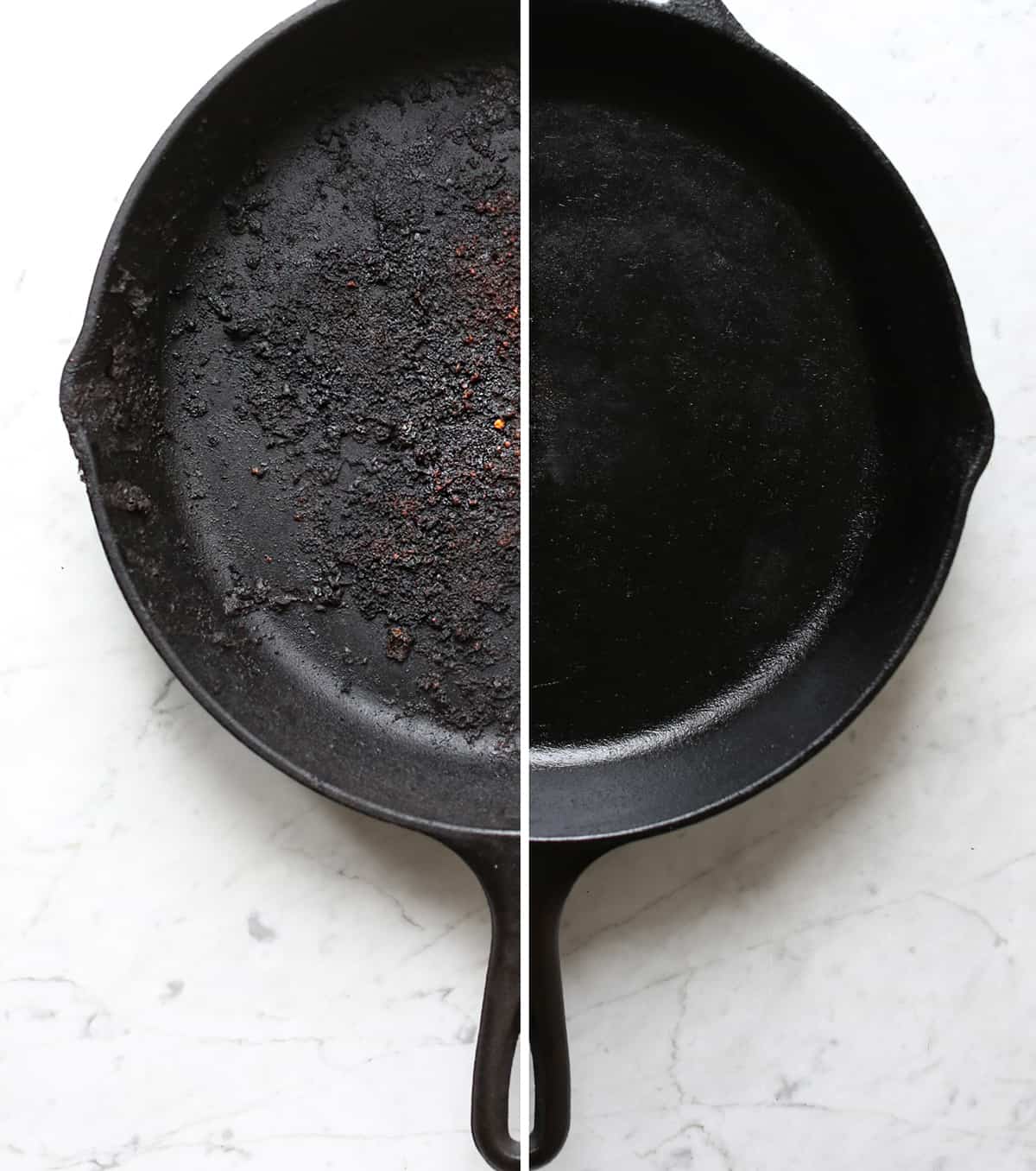
After this process, your pan’s surface should look smooth and slightly shiny. Use it regularly to keep building seasoning.
How To Clean Cast Iron Grill Pan Ridges
The ridges are what give grill pans their signature marks, but they also trap grease and food. Here’s how to clean them effectively:
- Use a stiff-bristle brush with long bristles that reach into the grooves.
- For stuck-on bits, a plastic scraper can help loosen debris without damaging the seasoning.
- Salt scrubbing works especially well—pour salt into the grooves and scrub with a brush or cloth.
- For deep grooves, try folding a paper towel and using tongs to push it into the ridges.
Pro tip: Don’t use metal utensils or wire brushes on the ridges. These can scratch and remove seasoning.
Common Mistakes To Avoid
Many beginners make the same errors. Avoid these to keep your cast iron grill pan in top shape:
- Using soap every time: Occasional soap is okay, but regular use removes seasoning.
- Soaking the pan: Water causes rust. Clean quickly and dry immediately.
- Not drying fully: Even a little moisture leads to rust. Always heat the pan after washing.
- Skipping oil after cleaning: A thin layer of oil protects the surface.
- Using harsh scrubbers: Steel wool is only for rust. Use softer brushes for regular cleaning.
- Storing in a damp place: Humidity causes rust. Store in a dry, ventilated area.
How Cast Iron Grill Pans Compare To Other Grill Pans
Understanding why cleaning is different for cast iron helps you make better choices. Here’s a comparison with other common grill pan materials:
| Material | Cleaning Difficulty | Can Use Soap? | Prone to Rust? | Seasoning Needed? |
|---|---|---|---|---|
| Cast Iron | Medium (needs care) | Rarely | Yes | Yes |
| Stainless Steel | Easy | Yes | No | No |
| Nonstick | Very Easy | Yes (gentle) | No | No |
| Enamel-Coated Cast Iron | Easy | Yes | No | No |
Cast iron pans need more attention, but the reward is a pan that lasts for generations and improves with use.
How To Clean A Cast Iron Grill Pan With Minimal Water
Water is the enemy of cast iron if used in excess. Here’s how to clean your pan with as little water as possible:
- Wipe out oil and food debris with a paper towel while the pan is still warm.
- Sprinkle coarse salt over the surface and scrub with a damp cloth or brush.
- Use a plastic scraper for stubborn bits.
- Quickly rinse with a small amount of warm water, or wipe clean with a wet cloth.
- Dry immediately and heat the pan to remove moisture.
- Rub with oil before storing.
This method is especially helpful if you live in a humid place or use your pan daily.
Troubleshooting: Dealing With Sticky, Smelly, Or Flaky Pans
Sometimes, even with care, your cast iron grill pan develops issues. Here’s how to handle the most common problems:
Sticky Surface
A sticky pan means too much oil was used during seasoning or after cleaning.
- Wipe off excess oil with a paper towel.
- Bake the pan in a 400°F oven for 1 hour to polymerize the oil.
- Let it cool and wipe again.
Flaking Seasoning
If black flakes appear, the seasoning is coming off.
- Scrub loose flakes with a brush.
- Wash, dry, and apply a thin layer of oil.
- Bake as you would for re-seasoning.
Rancid Smell
If your pan smells off, old oil may have gone bad.
- Wash the pan with mild soap and warm water.
- Dry thoroughly and re-season in the oven.
Rust Spots
Small rust spots can be scrubbed off with a brush or fine steel wool. Reseason the area after cleaning.
Credit: abeautifulmess.com
Pro Tips For Long-term Care
- Use your pan often. Regular cooking with oil helps maintain seasoning.
- Never store food in your cast iron grill pan. Acidic ingredients can strip seasoning.
- If stacking pans, place a paper towel between them.
- Don’t use the dishwasher—ever.
- If you see rust starting, act quickly. Small spots are easy to fix.
Tools For Cleaning: What Works Best?
There are many cleaning tools on the market. Here’s a quick comparison of the most common options:
| Tool | Best For | Not Recommended For | Notes |
|---|---|---|---|
| Stiff-Bristle Brush | Everyday cleaning, ridges | Heavy rust | Long bristles reach grooves |
| Plastic Scraper | Stuck-on bits | Rust removal | Safe for seasoning |
| Steel Wool | Rust removal | Regular cleaning | Removes seasoning if overused |
| Salt Scrub | Gentle abrasive cleaning | Heavy rust | Doesn’t harm surface |
| Paper Towels/Cloths | Drying, oiling | Scrubbing ridges | No lint is best |
Insight: Some beginners buy expensive specialty tools, but most cleaning can be done with a brush, salt, and a plastic scraper.
Credit: www.all-thats-jas.com
Science Behind Cast Iron Cleaning
Why do these cleaning methods work? Cast iron’s surface is full of microscopic pores. When you heat oil, it bonds to the metal, forming a protective layer. Harsh scrubbing or soaking breaks this bond, so gentle cleaning is best.
Salt works as a physical abrasive. It scrubs away food without removing the seasoning layer. Oil fills in small pores and keeps water out, preventing rust.
Water is the main enemy because iron reacts with oxygen and moisture to form rust. Even a small amount of water left on the pan can cause trouble.
Myths And Misunderstandings About Cast Iron Cleaning
You may hear conflicting advice about cleaning cast iron. Let’s clear up some common myths:
- Myth: Never use soap on cast iron.
- Reality: A little mild soap is safe for deep cleaning. Just rinse and re-oil after.
- Myth: Metal utensils are fine for cleaning.
- Reality: Avoid metal scrubbers except for rust removal. They can strip seasoning.
- Myth: Pre-seasoned pans never need seasoning.
- Reality: All pans need regular oiling and use to keep the seasoning strong.
- Myth: Cast iron can’t be used for acidic foods.
- Reality: You can cook tomatoes or wine-based dishes, but avoid long simmering, and clean and re-oil the pan right after.
Cleaning Frequency: How Often Should You Deep Clean?
Daily cleaning after each use is enough for most people. Deep cleaning is only needed if:
- Food is sticking more often.
- The surface feels sticky or rough.
- The pan smells bad.
- You see black flakes.
For most users, deep cleaning is needed every few months or after cooking acidic or sticky foods.
How To Store Your Cast Iron Grill Pan
Proper storage protects your pan between uses:
- Make sure the pan is completely dry and lightly oiled.
- Store in a dry, ventilated area—never under the sink.
- If stacking, use a paper towel between pans.
- For long-term storage, consider placing a silica gel packet in the pan to absorb moisture.
Best Oils For Seasoning Cast Iron Grill Pans
Not all oils are the same for seasoning. Here’s a quick reference:
| Oil | Smoke Point (°F) | Best For | Cost |
|---|---|---|---|
| Flaxseed Oil | 225 | Initial seasoning | High |
| Vegetable Oil | 400–450 | Everyday use | Low |
| Canola Oil | 400 | General use | Low |
| Crisco (Shortening) | 360 | Seasoning after cleaning | Low |
| Olive Oil | 350 | Not ideal for seasoning | Medium |
Non-obvious insight: Flaxseed oil creates a hard, durable finish but can flake if too much is used. For most people, vegetable oil is affordable and reliable.
How To Rescue A Neglected Or Damaged Pan
If you find an old, rusty cast iron grill pan at a garage sale, don’t throw it away. Here’s how to bring it back to life:
- Remove rust using steel wool or a vinegar soak.
- Wash and dry the pan thoroughly.
- Re-season in the oven as described above.
- Use the pan regularly to rebuild seasoning.
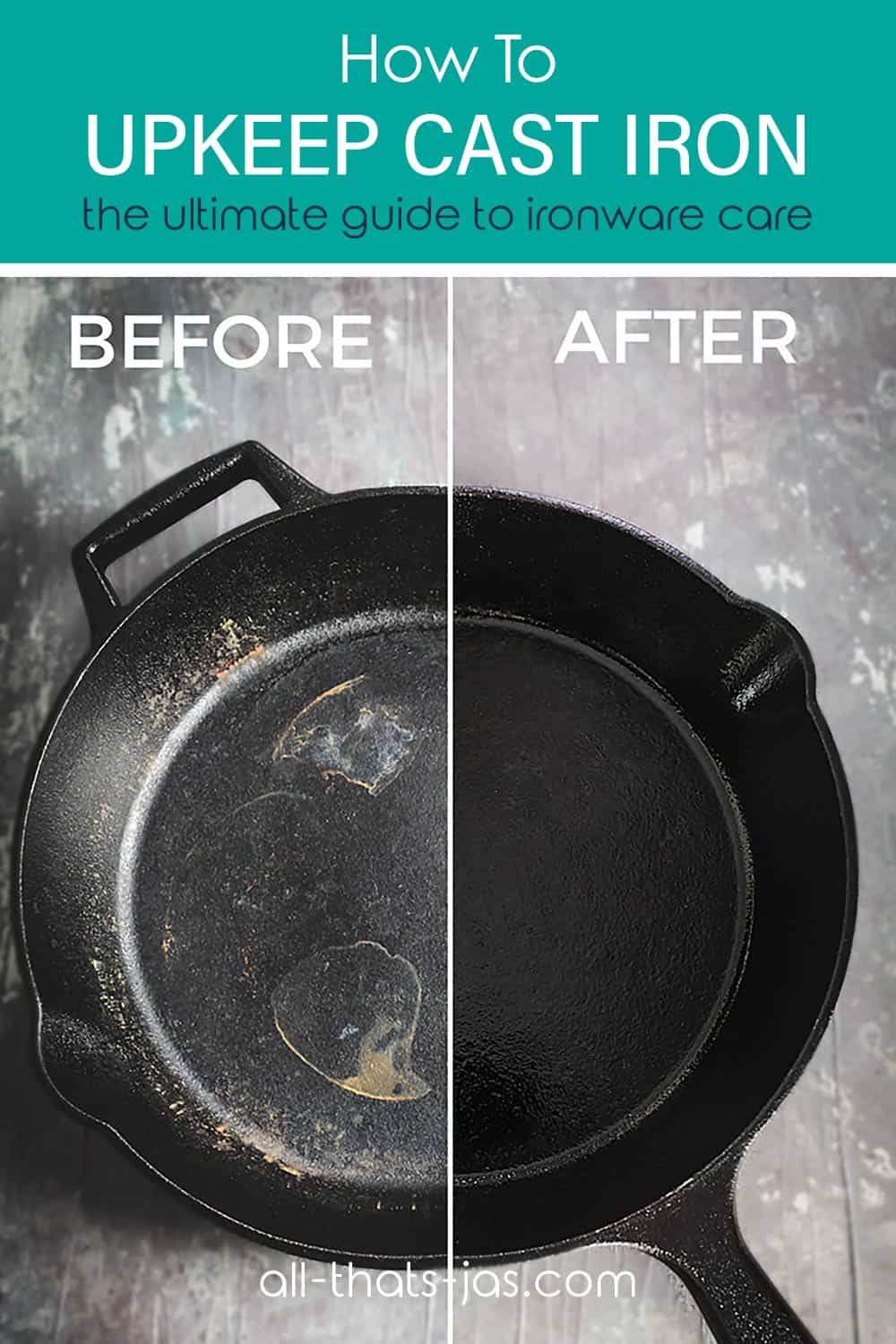
Many old pans become better than new after proper restoration.
Sustainability And The Value Of Cast Iron
A well-cared-for cast iron grill pan can last a lifetime, or even be handed down to the next generation. Unlike nonstick pans, cast iron never wears out. Regular cleaning and seasoning mean less waste and fewer pans in the landfill.
Cooking with cast iron is also energy efficient. The pan holds heat well, so you can use lower stove settings and save energy.
When To Replace Your Cast Iron Grill Pan
Cast iron is almost indestructible, but there are rare times when replacement is necessary:
- Large cracks appear in the pan.
- The pan is warped so it won’t sit flat.
- Holes develop from extreme rust.
- The handle is dangerously loose or broken.
In most cases, even old or rusty pans can be fixed. True replacement is very rare.

Credit: mollyswimwear.rs
Frequently Asked Questions
How Do I Prevent Rust On My Cast Iron Grill Pan?
Always dry the pan thoroughly after washing. Heat it on the stove to remove all moisture, then apply a thin coat of oil. Store in a dry place. Rust forms when water and air touch the iron, so keeping the pan dry and oiled is key.
Can I Use Soap On My Cast Iron Grill Pan?
Yes, but only occasionally and with mild soap. Rinse thoroughly and re-oil after washing. Avoid strong detergents or frequent use, as they can strip seasoning.
What Is The Best Way To Clean The Ridges In A Grill Pan?
A stiff-bristle brush or a plastic scraper works best. For stubborn bits, scrub with coarse salt. Avoid metal scrubbers, which can remove seasoning.
How Often Should I Season My Cast Iron Grill Pan?
Lightly oil after every cleaning. Full oven seasoning is needed only after deep cleaning, rust removal, or if food starts sticking. For most users, oven seasoning every few months is enough.
What Oils Should I Avoid For Seasoning?
Don’t use butter, margarine, or flavored oils. These can go rancid or leave sticky residues. Stick with vegetable, canola, or flaxseed oil for best results.
For more in-depth information, the Wikipedia page on cast iron cookware offers a detailed look at cast iron’s history and care.
Caring for a cast iron grill pan is easy once you know the right steps. With a little attention, your pan will reward you with perfect meals and last a lifetime.