
Turning a loft bedroom into a private, cozy retreat is a dream for many. Loft spaces, by design, are open and airy, which brings light and a sense of freedom. But when it comes to privacy, things get tricky. Whether you live in a city apartment, a converted warehouse, or a family home with an open-plan upper floor, privacy matters.
Maybe you want a quiet place to work, rest, or just escape from the world below. With the right strategies, you don’t have to choose between openness and solitude. In this guide, you’ll discover creative, practical ways to make a loft bedroom private—while keeping style and comfort in mind.
Understanding The Loft Bedroom Challenge
Loft bedrooms are often open to the main living area. This means sounds, smells, and sights travel easily. If you share your home with family, roommates, or guests, the lack of walls can feel awkward. You might worry about privacy when changing clothes, making phone calls, or just trying to unwind.
The main challenge is separation—how to create boundaries without losing what makes a loft special. In most cases, building solid walls is expensive and may block light or airflow. That’s why smart solutions use flexible dividers, fabrics, furniture, and design tricks that balance privacy with openness.
Assessing Your Loft Space
Before making changes, it’s smart to study your loft:
- Measure the space: Know the height, width, and length.
- Note window and door placement: These affect where you can add dividers.
- Check ceiling type: Is it sloped, flat, or exposed beams?
- Look for anchor points: Where can you attach curtains, rods, or panels?
- Think about airflow and light: Avoid blocking windows or vents.
Knowing your loft’s layout helps you pick the right privacy options and avoid costly mistakes.
Curtains: Flexible Privacy For Any Loft
One of the simplest ways to add privacy is by using curtains. They’re easy to install, affordable, and come in many styles.
Types Of Curtains For Lofts
- Ceiling-mounted curtains: Hang from rods or tracks attached to the ceiling. They create a “room within a room” feeling.
- Tension rods: Good for renters or anyone who wants a no-drill solution. Work best for small openings.
- Sheer curtains: Offer light filtering and a soft look, but less privacy.
- Blackout curtains: Block light and provide maximum privacy and sound dampening.
Choosing And Installing Loft Curtains
When selecting curtains, consider:
- Length: Floor-to-ceiling for full coverage.
- Fabric: Thicker fabrics block more sound and sight.
- Color: Neutral tones blend in; bold colors make a statement.
- Maintenance: Machine-washable fabrics are easier to clean.
For installation, measure your space and choose strong rods or tracks. Ceiling-mount systems are best for open lofts—just ensure you use proper anchors. It’s wise to buy curtain panels wider than the opening so they fully overlap.
Curtain Privacy Pros And Cons
| Pros | Cons |
|---|---|
| Easy to install and remove | May not block all sound |
| Affordable | Can collect dust |
| Flexible style options | May not look as “solid” as walls |
A smart tip: Double up with sheer and blackout layers. Use sheers for daytime, blackout for night.
Sliding Doors And Panels
Sliding doors and panels offer a modern way to divide loft spaces. They provide more of a “wall” feel without permanent construction.
Types Of Sliding Dividers
- Barn doors: Rustic, stylish, and easy to customize.
- Frosted glass panels: Let in light but obscure the view.
- Accordion-style partitions: Fold away when not needed.
- Shōji screens: Japanese-inspired, lightweight, and elegant.
Installing Sliding Doors In A Loft
Installing sliding doors requires some basic DIY skill. You’ll need:
- A sturdy track system (ceiling or wall mount)
- Accurate measurements for smooth operation
- Solid anchor points (not just drywall)
If you rent, look for temporary track systems. Some companies make sliding panels that use tension or removable adhesives.
When To Choose Sliding Solutions
Sliding panels are ideal if you want:
- A semi-permanent solution
- To block both sound and sight
- A stylish statement piece
They cost more than curtains but last longer and add home value.
Using Bookshelves And Furniture As Dividers
Furniture can do double duty—dividing space and adding storage. Bookshelves, wardrobes, and even couches can create visual separation in a loft bedroom.
Best Furniture For Loft Privacy
- Tall bookshelves: Place perpendicular to the bed for a “wall” effect.
- Wardrobes/armoires: Offer both privacy and clothing storage.
- Open shelving units: Divide space but let light pass through.
- Back-to-back couches or daybeds: Create a lounge area and a sleep zone.
Furniture dividers are easy to move or change. They’re perfect for renters or those who like to rearrange often.
Furniture Divider Ideas
- Place a tall bookshelf at the foot of your bed. Fill with books, baskets, or decor for a personalized look.
- Use a double-sided wardrobe to split the sleeping area from a closet or dressing zone.
- Arrange a sectional sofa so the back faces the bed, forming a “privacy wall.”
A beginner mistake: choosing heavy, solid furniture that blocks airflow or makes the room feel closed in. Opt for pieces with open shelves or legs to keep the space light.
Building Partial Walls Or Half-walls
If you own your home or have landlord permission, building a half-wall (sometimes called a pony wall) adds structure and privacy. These walls are usually 3-4 feet high—enough to separate spaces but not block all light.
Why Choose A Partial Wall?
- Adds a permanent, “finished” look
- Blocks line of sight from below
- Can double as a headboard or shelf
Partial walls can be drywall, wood, glass, or even concrete blocks. For a modern twist, use glass blocks—they let in light but blur details.
Cost And Effort
Building a half-wall costs less than a full wall—expect $200–$800 depending on materials and labor. If you’re handy, it’s a weekend DIY project. Always check building codes and get approval if you rent.
Common Mistakes
Don’t build too tall—a wall over 4 feet can block airflow and make the loft feel cramped. Leave room at the top for light to travel.

Credit: www.nevertoosmall.com
Folding Screens And Room Dividers
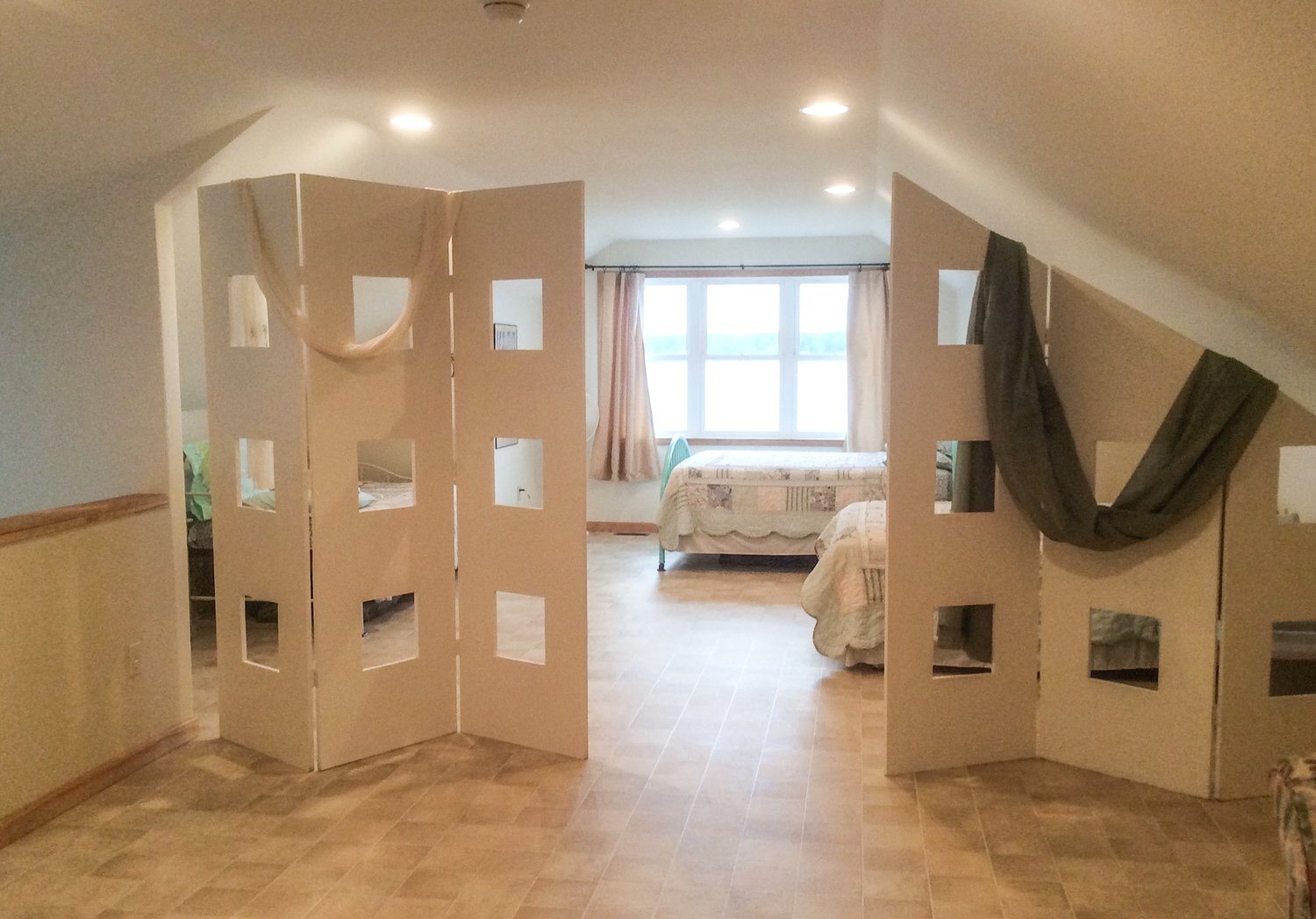
Folding screens are a time-tested way to add privacy fast. They’re lightweight, portable, and come in endless styles.
Types Of Folding Screens
- Wood-framed: Classic, sturdy, and decorative.
- Fabric panels: Lightweight and colorful.
- Bamboo or rattan: Natural, airy look.
- Metal screens: Modern and durable.
Screens are great for renters and those who want flexibility. Fold them away when guests come or when you need more space.
Using Folding Screens Effectively
Position screens around your bed, changing area, or workspace. Use two or three in a zig-zag for stability. For more privacy, choose screens with solid or opaque panels.
One overlooked detail: screens can reflect sound. Choose fabric or padded screens for a quieter sleeping area.
Hanging Fabrics And Canopies
For a dreamy, soft touch, canopies and draped fabrics turn a loft bed into a private haven. This method is low-cost and easy to change with the seasons.
Popular Canopy Styles
- Four-poster canopy: Uses bedposts or ceiling hooks to hang fabric.
- Circular canopy: Hangs from a single ring above the bed.
- Ceiling drapes: Fabric panels run along wires or rods.
Choose lightweight, breathable fabrics for a gentle look. Sheers, cotton, and linen all work well.
Safety And Maintenance
Always secure hooks or rods to studs or beams—never just drywall. Wash fabrics regularly to avoid dust buildup.
A smart tip: Add string lights or fairy lights above the canopy for a cozy, magical effect.
Credit: firstthymemom.com
Creative Use Of Plants For Privacy
Tall plants and greenery can “grow” privacy in a loft bedroom. Living walls, large potted trees, or hanging planters blur sight lines and add fresh air.
Best Plants For Loft Privacy
- Fiddle leaf fig: Tall, broad leaves.
- Bamboo palm: Fast-growing and bushy.
- Rubber plant: Glossy, dense foliage.
- Snake plant: Upright, narrow, and easy to care for.
Arrange plants in groups for best effect. Use raised planters or plant stands to add height.
Plant Privacy: Pros And Cons
| Pros | Cons |
|---|---|
| Improves air quality | Needs regular care |
| Softens the space | May attract pests |
| Natural, calming effect | May not block all sound or sight |
If you have pets, check that your plant choices are non-toxic.
Acoustic Solutions For Sound Privacy
Loft bedrooms often lack soundproofing. Even if you block the view, noise travels freely. For true privacy, consider acoustic fixes.
Simple Sound Solutions
- Heavy curtains: Thicker fabrics absorb more sound.
- Rugs and carpets: Add softness and muffle footsteps.
- Wall panels: Acoustic foam or felt panels reduce echo.
- Bookshelves: Fill with books to act as sound barriers.
For best results, combine several methods. For example, use a thick curtain and a plush rug near the bed.
Advanced Soundproofing
If you can invest more, add:
- Solid-core doors: If your loft has a door opening, replace hollow doors.
- Mass loaded vinyl: A heavy barrier hidden in walls or floors.
- Sealing gaps: Use weatherstripping around doors or windows.
A beginner mistake: focusing only on visual privacy. Remember, a quiet loft is a restful loft.
Smart Lighting Choices For Privacy
Good lighting makes a big difference in a loft bedroom. Strategic lighting can draw attention away from open areas and highlight your private zone.
Lighting Tricks For Privacy
- Zone lighting: Use floor lamps or bedside lights for the sleep area.
- Dimmer switches: Lower lights for a cozy, intimate feel.
- Accent lights: Highlight walls or artwork, not open spaces.
- Smart bulbs: Change color or brightness for different moods.
A pro tip: Use warm, low lighting in the sleeping area and brighter light in the public space. This creates a natural “boundary.”
Decorative Privacy Screens
If you want privacy with personality, choose decorative screens. These can be art pieces, etched glass, or custom woodwork.
Custom Screen Ideas
- Laser-cut wood panels: Add patterns and style.
- Etched acrylic: Looks modern and lets in light.
- Fabric art screens: Printed with photos or abstract designs.
- DIY painted screens: Make your own with plywood and paint.
Decorative screens are pricier but unique. They can become the centerpiece of your loft.
Using Technology For Privacy
Sometimes, privacy is about more than sight and sound. Smart home tech offers new ways to control your space.
Tech Tools For Loft Privacy
- Smart speakers: Play white noise or music to mask sounds.
- Motorized curtains: Open or close with a button or voice command.
- Privacy glass: Electrically frosted glass that turns opaque.
While these options can be costly, they offer next-level convenience. For example, schedule your motorized curtains to close at night for instant privacy.
Combining Methods For Maximum Privacy
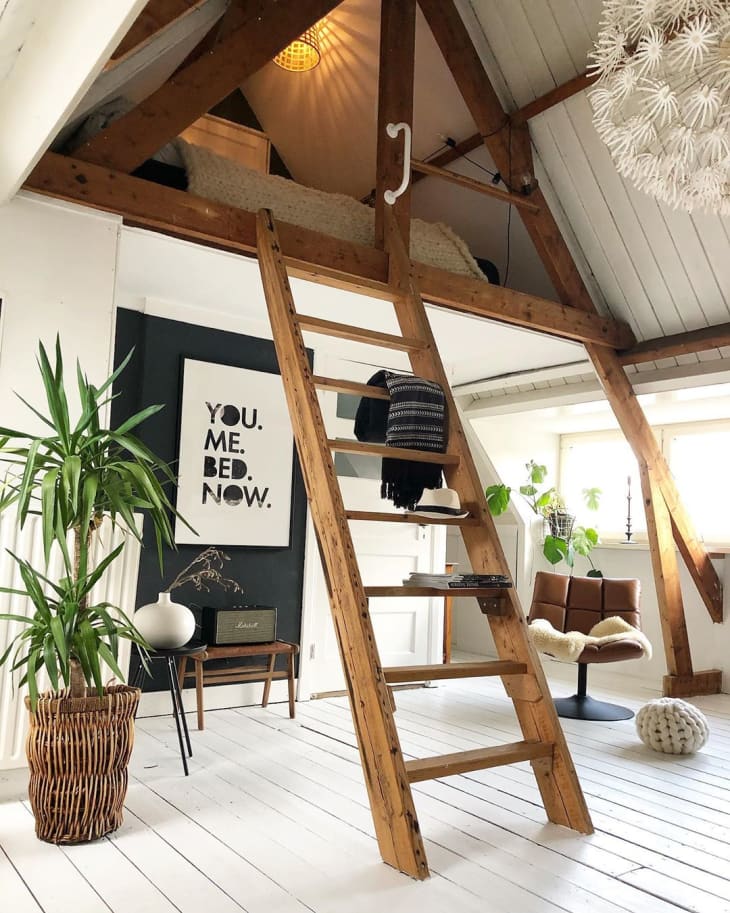
No single method is perfect for every loft. The best approach is often a combination of solutions.
Example Privacy Setups
- Curtain + bookshelf: Hang a curtain for flexibility; place a shelf for extra storage and separation.
- Sliding panel + rug: Use a modern panel to divide space, soften noise with a thick rug.
- Canopy + plants: Create a cozy bed nook and a green barrier at the edge.
Mix and match based on your budget, style, and needs. Start with simple, removable options before making permanent changes.
Credit: www.apartmenttherapy.com
Mistakes To Avoid When Creating Loft Bedroom Privacy
It’s easy to get excited and rush into changes. Here are common mistakes—and how to avoid them:
- Blocking natural light: Don’t cover windows or vents. Use sheer panels or open furniture.
- Ignoring airflow: Lofts can get stuffy. Leave space for air to move.
- Overcrowding: Too many dividers make a loft feel cramped.
- Not measuring first: Always check dimensions before buying or building.
- Choosing the wrong materials: Heavy dividers may not suit your loft’s structure.
- Forgetting sound privacy: Visual barriers don’t always block noise.
A practical tip: Try temporary options before investing in permanent changes.
Cost Comparison Of Loft Privacy Solutions
Here’s a quick look at how different privacy options compare by cost and effort.
| Solution | Estimated Cost | DIY Difficulty |
|---|---|---|
| Curtains | $50–$300 | Easy |
| Sliding doors/panels | $200–$1,200 | Moderate |
| Bookshelves/furniture | $100–$1,000 | Easy–Moderate |
| Half-wall | $200–$800 | Moderate–Hard |
| Folding screens | $40–$300 | Easy |
| Canopies/fabrics | $30–$150 | Easy |
| Plants | $50–$500 | Easy |
| Acoustic panels | $100–$600 | Moderate |
| Decorative screens | $200–$2,000 | Moderate |
| Smart tech | $100–$1,000+ | Moderate–Hard |
These numbers are averages. Actual costs depend on size, materials, and whether you DIY or hire a pro.
Real-world Examples: How People Make Loft Bedrooms Private
Seeing how others have solved the privacy puzzle can spark your own ideas.
- City loft couple: Used ceiling-mounted blackout curtains and a tall bookshelf for a noise-buffered, flexible sleep area.
- Artist’s studio: Installed frosted glass sliding doors to divide the bedroom from the workspace, letting in natural light.
- Family home: Built a half-wall and added tall plants for a child’s loft, balancing privacy with supervision.
- Minimalist renter: Chose a lightweight folding screen and a fabric canopy for a budget-friendly, removable solution.
- Remote worker: Set up a semi-open bookshelf and a plush rug to create a quiet, focused workspace in an open loft.
The lesson: Every loft is unique, but smart, layered solutions work best.
Why Privacy Matters In A Loft Bedroom
Privacy isn’t just about hiding from others—it’s about creating a space where you feel safe and relaxed. Research shows that personal space is key for good sleep, mental focus, and emotional well-being. In a 2021 survey by the National Sleep Foundation, 72% of respondents said a private, quiet bedroom improved their sleep quality.
Loft bedrooms are beautiful, but without privacy, they can feel exposed. The right privacy solutions boost your comfort, health, and happiness.
For more inspiration, check out Architectural Digest for designer loft privacy ideas.
Frequently Asked Questions
How Can I Make My Loft Bedroom Private Without Building Walls?
You can use curtains, folding screens, tall bookshelves, or plants. These are flexible, affordable, and don’t require construction. Curtains are especially popular for renters, while screens and furniture offer both privacy and storage.
What Is The Cheapest Way To Add Privacy To A Loft Bedroom?
Curtains and fabric canopies are usually the cheapest options. You can hang them with simple rods or hooks, and they come in many styles and prices. Folding screens from big-box stores are also budget-friendly.
Will Adding Privacy Solutions Block Light In My Loft?
Some privacy solutions—like blackout curtains or solid walls—can block light. To keep your loft bright, use sheer curtains, open shelving, or frosted glass panels. Placing dividers where they won’t cover windows is also important.
How Do I Soundproof A Loft Bedroom For More Privacy?
Use heavy curtains, rugs, and acoustic wall panels to absorb sound. Bookshelves filled with books also help reduce noise. For more advanced soundproofing, consider solid-core doors or mass loaded vinyl barriers, but these require more investment.
Can I Add Privacy To A Loft Bedroom If I Rent?
Yes! Choose removable solutions like tension rods for curtains, folding screens, or lightweight bookshelves. Always check with your landlord before making permanent changes. Temporary options are easy to take with you when you move.
Making a loft bedroom private is a balance of function, style, and budget. With smart planning, you can enjoy the best of both worlds—an open, airy loft that still feels like your personal retreat.