
Many people struggle with stuffy bedrooms, uneven temperatures, or noisy air when the bedroom door is closed. If you have a forced-air HVAC system, this problem may sound familiar. When bedroom doors close, air can get trapped, and return air cannot flow freely back to your central system. This can make rooms uncomfortable and force your HVAC to work harder than needed. The solution? Installing jumper ducts.
Jumper ducts are simple, smart additions that let air move from one room to another, even when the door is closed. They help balance air pressure, improve comfort, and reduce noise. If you’re a homeowner or a handy DIY enthusiast, you might be thinking: “Can I install jumper ducts myself?” The answer is yes—with the right tools, knowledge, and careful planning.
This guide will walk you step by step through how to install jumper ducts in bedrooms. You’ll learn why they matter, what materials you need, how to size and place them, and tips to avoid common mistakes. We’ll cover everything from safety to final finishing, so you can enjoy better air and a more comfortable home.
Why Install Jumper Ducts In Bedrooms?
Many people underestimate the importance of proper airflow in bedrooms. When your forced-air HVAC system pushes air into a room, it needs a way out—usually through a return grille in a hallway or another part of the home. But with the door closed, air can’t escape easily. Pressure builds, and airflow drops.
This leads to several problems:
- Poor temperature control (rooms get too hot or cold)
- Noisy airflow (whistling under doors)
- Increased energy bills (system works harder)
- Reduced air quality (less ventilation)
Jumper ducts fix these issues by connecting the bedroom to the hallway or another return path, allowing air to move freely even when the door is shut. They’re especially important in energy-efficient, tightly sealed homes where air leaks are minimized.
Data from the U. S. Department of Energy shows that even a small pressure imbalance—just 1-3 Pascals—can reduce bedroom supply airflow by 50% or more. That means comfort and air quality drop quickly when the door is closed. Installing jumper ducts restores the balance and makes your HVAC system work as designed.
How Jumper Ducts Work
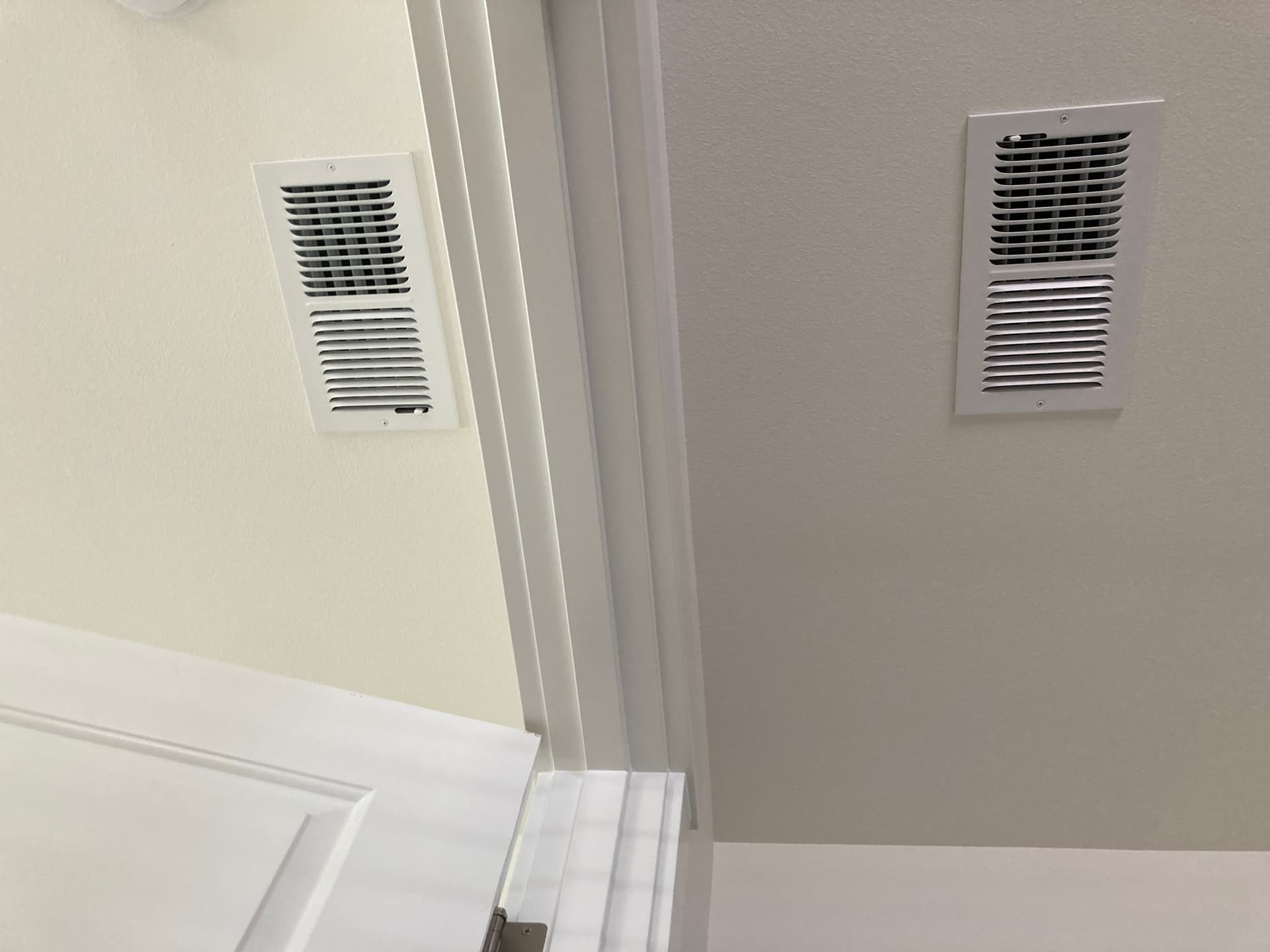
A jumper duct is a flexible or rigid duct that “jumps” over the closed door, connecting the bedroom to a hallway or adjacent space. It usually starts at a high wall or ceiling grille in the bedroom, runs through the attic or above the ceiling, and ends at a grille in the hallway. This path lets air return to the central system without needing to flow under the door.
Key features:
- Passive system: No fans or moving parts
- Reduces pressure build-up
- Quieter than door undercuts or transfer grilles
- Can include sound baffles to block noise
Jumper ducts don’t pull in air from outside—they only move indoor air to keep pressure balanced. They’re sometimes called “transfer ducts” or “pressure relief ducts” in the HVAC world.
Credit: forum.nachi.org
Planning Your Jumper Duct Installation
Before you start, you need a solid plan. Good planning makes installation smoother, safer, and more effective.
Assess Your Bedrooms
Walk through your home. Bedrooms with only a supply vent (blowing air in) but no return vent (pulling air out) are the best candidates. Older homes or homes with closed-off rooms often need jumper ducts most.
Check:
- Size of the bedroom (square footage and ceiling height)
- Location of supply registers and return grilles
- Attic or crawlspace access above the ceiling
- Obstacles like plumbing, wiring, or structural beams
Choose The Right Duct Size
Duct size matters. Too small, and airflow is restricted. Too large, and you may waste materials or space.
A common rule: For a standard bedroom (up to 200 square feet), use a 6-inch diameter round duct. For larger rooms, an 8-inch duct may be better. If you want to be exact, match the area of the supply duct.
Here’s a quick reference:
| Bedroom Size (sq ft) | Suggested Duct Diameter |
|---|---|
| Up to 150 | 6 inch |
| 150–250 | 7 inch |
| Over 250 | 8 inch |
Select Grille Types And Locations
You’ll need two grilles for each jumper duct—one in the bedroom, one in the hallway. Place them high on the wall or ceiling (not low, to avoid sound or privacy issues). Avoid placing them above beds or noisy locations.
Some grilles come with built-in sound baffles. These reduce noise transfer between rooms—a smart choice for bedrooms.
Plan The Duct Route
Study your attic or ceiling. The duct should take the shortest, straightest path possible. Avoid sharp bends or long runs, which reduce airflow. Make sure you won’t hit wiring, plumbing, or structural supports.
If you’re not sure about obstacles, use a stud finder or small inspection hole to check before you cut.
Tools And Materials Needed
Having the right tools and materials will save you time and trouble. Here’s what you’ll need for most installations:
Tools:
- Tape measure
- Drywall saw or keyhole saw
- Drill with hole saw bit (6–8 inch)
- Utility knife
- Screwdriver (Phillips and flat)
- Duct insulation (if running through unconditioned attic)
- Foil tape or mastic sealant
- Ladder or attic access gear
- Stud finder
- Flashlight or headlamp
- Safety glasses and gloves
Materials:
- Flexible duct (6–8 inch diameter, UL 181 rated)
- 2 return air grilles (high wall or ceiling mount)
- 2 collar boots (to connect duct to grilles)
- Duct straps or hangers
- Duct insulation sleeve (if needed)
- Acoustic/sound baffle (optional but recommended)
- Drywall patch (if you make a mistake)
Pro tip: For sound control, choose a flexible duct with a built-in acoustic lining, or add a sound baffle inside the duct run.

Credit: basc.pnnl.gov
Step-by-step Guide: Installing Jumper Ducts In Bedrooms
Now, let’s get hands-on. Here’s how to install a jumper duct from start to finish.
1. Mark The Grille Locations
Find the best spot on the bedroom wall or ceiling. Ideally, this is above the door but not directly over the bed. Use a stud finder to make sure there are no studs, wires, or pipes in the way.
Repeat this step for the hallway grille, making sure the duct path will be as straight as possible between the two locations.
Mark the outline of the grille with a pencil using the template provided with the grille.
2. Cut The Grille Openings
Put on your safety glasses and mask. Use a drywall saw or a hole saw bit to carefully cut out the marked openings. Remove the drywall piece and set it aside (you may need to patch later).
Check inside the wall or ceiling for any hidden obstacles before proceeding.
3. Install The Grille Collars
Insert the collar boot into each opening. This is the metal or plastic piece that connects the duct to the grille. Secure it with screws or clips, making sure the flange is tight against the drywall.
Seal the edge of the collar to the drywall with mastic or foil tape for an airtight fit.
4. Run The Flexible Duct
Measure the distance between the two collars in the attic or ceiling space. Cut your flexible duct to length—allow a little extra for bends, but don’t make it so long that it sags.
If your duct runs through an unconditioned attic, slide an insulation sleeve over the duct before connecting.
Attach one end of the duct to the bedroom grille collar and the other end to the hallway collar. Use duct straps or zip ties to secure the connections tightly. Seal with foil tape.
Suspend the duct using straps or hangers so it doesn’t sag or rest on lights, wires, or plumbing.
5. Add Acoustic Baffles (optional But Recommended)
If noise is a concern, insert a sound baffle or a few loops of flexible duct in the attic section. This will absorb sound and reduce noise transfer between rooms.
For best results, use a baffle made for HVAC transfer ducts. You can also make a gentle S-curve in the duct (don’t kink it) to further block sound.
6. Install The Grilles
Snap or screw the return air grilles onto the wall or ceiling collars. Grilles should fit snugly and look neat. Some have a foam gasket for a tighter seal.
Choose grilles with angled fins to direct airflow if privacy is a concern.
7. Seal And Insulate
Check all connections for air leaks. Seal any gaps with UL 181-rated foil tape or mastic. If your duct is in the attic, make sure the insulation sleeve covers the entire length to prevent condensation or energy loss.
8. Test The System
Turn on your HVAC fan. Close the bedroom door and check for airflow at the new grille with your hand or a tissue. There should be a gentle airflow from bedroom to hallway.
Listen for noise. If you hear whistling or echoes, consider adding more sound insulation.
9. Patch And Paint
Finish the job by patching any drywall nicks, then touch up paint around the grilles. Clean up your tools and debris.
10. Final Inspection
Check that grilles are secure, ducts are not crushed or kinked, and insulation is intact. If everything looks good, your jumper duct is ready to use.
Common Mistakes To Avoid
Many first-time installers make errors that reduce airflow or cause problems down the line. Here are the biggest mistakes—and how to avoid them:
- Using undersized ducts: A 4-inch duct is not enough for most bedrooms. Go with 6-inch or larger.
- Long, twisty duct runs: Keep the run short and straight. Extra bends reduce airflow quickly.
- Poor sealing: Leaky connections waste energy and pull in dust from the attic.
- No sound control: Bedrooms need quiet. Always use sound baffles or lined duct.
- Ignoring insulation: In cold or hot attics, uninsulated ducts sweat and lose energy.
- Cutting into unsafe areas: Always check for wires, pipes, or asbestos before cutting.
- Placing grilles too low: Low grilles can transfer noise and odors more easily.
- Not checking local codes: Some areas require permits for duct changes. Check before you start.
Sizing Jumper Ducts: Practical Examples
Let’s look at two real-world examples:
Example 1: Small Bedroom (120 Sq Ft)
- Supply vent: 6×10 inch
- Room size: 10×12 feet
- Duct size: 6-inch round flexible duct
- Duct length: 6 feet, straight run
- Grilles: 2 high-wall, 6×10 inch with sound baffles
Result: Excellent pressure balance, almost silent operation, minimal temperature difference with door closed.
Example 2: Large Bedroom Suite (300 Sq Ft)
- Supply vent: 8×14 inch
- Room size: 15×20 feet
- Duct size: 8-inch round flexible duct
- Duct length: 12 feet, gentle S-curve for sound control
- Grilles: 2 high-wall, 8×14 inch with privacy fins
Result: Good airflow, reduced pressure build-up, very little sound transfer. Some minor noise from hallway during loud activity, but much quieter than door undercuts.
These examples show that matching duct size to room size is key. If in doubt, go one size larger rather than smaller.
Comparing Jumper Ducts With Other Airflow Solutions
You might wonder if jumper ducts are better than other fixes like undercutting doors, transfer grilles, or installing return vents. Here’s a quick comparison:
| Solution | Airflow Efficiency | Noise Privacy | Installation Difficulty |
|---|---|---|---|
| Jumper Ducts | High | Good (with baffles) | Moderate |
| Door Undercut | Low to Medium | Poor | Easy |
| Transfer Grille (Through Wall) | Medium | Poor | Easy |
| Dedicated Return Vent | High | Excellent | Hard (needs more ductwork) |
Jumper ducts strike a good balance—more effective and private than simple grilles, but much easier and cheaper than adding a full return duct to each bedroom.
Cost And Time Estimates
A typical DIY jumper duct project for one bedroom takes about 2–4 hours if you’re comfortable with attic work and drywall. Professional installation may take less time but will cost more.
DIY Materials Cost (per bedroom):
- Flexible duct: $20–$40
- Grilles: $15–$30 each
- Collars and hardware: $10–$20
- Insulation sleeve: $10–$20
- Sound baffle: $15–$30 (optional)
- Total: $70–$150
Professional installation may cost $250–$500 per room, depending on attic access and local rates.
Keep in mind: If you need to rent attic safety gear or tools, add those costs. Always prioritize safety over saving money.
Safety And Building Code Tips
While jumper ducts are simple, safety should always come first. Here are key safety and code tips:
- Wear gloves, mask, and safety glasses when cutting drywall or working in attics.
- Watch for asbestos in homes built before 1980. If you find suspicious insulation or materials, stop and consult a pro.
- Check for electrical hazards before cutting into walls or ceilings.
- Follow local building codes. Some cities require permits, especially in multi-family homes or rentals.
- Use fire-rated materials if required by code.
- Label your new ducts in the attic for easy future identification.
- Seal all duct joints to prevent dust and pests from entering.
If you have doubts about safety, hire a licensed HVAC contractor to at least inspect your work.

Credit: russellking.me
Maintenance And Long-term Care
Jumper ducts need very little maintenance, but a few checks can keep them working their best:
- Vacuum grilles once per year to remove dust buildup.
- Inspect duct connections in the attic every 2–3 years for leaks or sagging.
- Replace insulation sleeves if they become wet or damaged.
- Check for pests (like mice or insects) that may use ducts as passageways.
If you notice airflow dropping or new noises, check for crushed ducts, disconnected ends, or blocked grilles.
When To Call A Professional
Most handy homeowners can install jumper ducts, but call a professional if:
- Your attic is hard to access or dangerous
- You’re not sure about electrical or plumbing obstacles
- Your home has special air quality needs (allergies, medical equipment)
- Building codes are strict in your area
- You want a guarantee or warranty on the work
A licensed HVAC technician can size ducts perfectly, add advanced soundproofing, and ensure your system is balanced.
Real-world Success Stories
Many homeowners have seen big improvements after installing jumper ducts. For example, in a 2021 study by Building America, master bedrooms with jumper ducts had a temperature difference of less than 1°F with the door closed, compared to 5–7°F without them.
Families reported less noise and better sleep quality.
One homeowner in Texas, after adding jumper ducts to three bedrooms, saw energy bills drop by 8% in the first year and noticed her kids’ rooms were finally comfortable at night.
These stories show how a small project can deliver lasting comfort and savings.
Two Insights Most Beginners Miss
- Sound control is critical. Many people focus only on airflow, but privacy can suffer if you skip sound baffles or lined duct. Bedrooms should be quiet. Invest in acoustic solutions from the start.
- Duct sealing matters. Air leaks in your new jumper duct can draw in attic dust, insulation fibers, or even pests. Always seal every joint with proper UL 181 foil tape or mastic—regular duct tape won’t last.
Frequently Asked Questions
What Is The Main Purpose Of A Jumper Duct?
A jumper duct allows air to move from a bedroom (or other closed room) back to a central hallway or return path, even when the door is closed. This keeps air pressure balanced and ensures your HVAC system works efficiently. It also improves comfort, reduces noise, and lowers energy bills.
Can I Install A Jumper Duct If I Have A Two-story House?
Yes, but installation is more complex because duct routing may need to go through floors or closets, not just the attic. It’s usually easier on the top floor. For first-floor bedrooms, you might need to route through closets or soffits.
In complex cases, consult an HVAC pro.
Will A Jumper Duct Affect Privacy Between Rooms?
If installed with sound baffles or acoustic-lined duct, privacy is usually good. Air can move, but voices or noise are muffled. For best privacy, avoid direct grille-to-grille alignment and use curved runs or sound baffles. Simple transfer grilles (no duct or baffle) offer much less privacy.
Is There Any Maintenance Required After Installing A Jumper Duct?
Very little. Vacuum the grilles annually to remove dust, and check the duct in the attic every 2–3 years for sagging or leaks. Replace insulation if it gets wet or damaged. Well-installed jumper ducts are mostly maintenance-free.
Where Can I Find More Information About Residential Air Balancing?
For deeper guidance, check the U.S. Department of Energy’s resources on home ventilation at energy.gov. They offer detailed research, diagrams, and tips for better HVAC performance.
—
Installing jumper ducts in bedrooms is one of the simplest, most effective ways to solve comfort and airflow problems in modern homes. With careful planning, the right tools, and attention to detail, you can improve your home’s air balance, lower your bills, and enjoy quieter, more comfortable nights. If you follow the steps and tips in this guide, you’ll avoid common mistakes and get the best results—often in just one afternoon’s work.