
When you walk into an old house, the wood floors often tell a story. These floors have seen decades—or even centuries—of footsteps, spills, and changes in style. But what type of wood are you really looking at? Pine, oak, or maybe something rare and valuable?
Identifying wood floors in old houses can help you make smart decisions about restoration, cleaning, and value. Yet, for many homeowners and renovators, telling one wood from another is not easy.
You might see grooves, knots, or a color that looks different in the morning sun. The finish may be worn, or paint might hide the wood’s true nature. And sometimes, the boards are not even wood at all! This guide will show you step by step how to identify wood floors in old houses.
Whether you’re a curious owner, a DIY renovator, or a professional restorer, you’ll discover practical tools and methods to unlock the secrets beneath your feet.
Why Identifying Wood Floors Matters
Knowing the exact type of wood under your feet is not just about curiosity. Old wood floors can be historically valuable, and some woods are almost impossible to replace today. For example, heart pine or old-growth oak is far denser and richer in color than most modern woods. Proper identification can:
- Help you choose the right cleaning or refinishing methods.
- Reveal if you have a rare or protected species (impacting resale value).
- Guide your restoration to fit the home’s original style.
- Prevent costly mistakes—like sanding a veneer or using the wrong stain.
Understanding the wood species and age can also help you spot hidden problems, such as dry rot, insect damage, or areas that need expert repair.
Common Types Of Wood Floors In Old Houses
Old homes in the US and Europe often feature a handful of classic wood species. Here are the most common types, and how to spot them:
- Oak: Red and white oak are the most common. Red oak has a pinkish tone, visible grain, and open pores. White oak is more golden or gray-brown, with a finer, straighter grain.
- Pine: Wide planks with visible knots and a yellow, amber, or reddish hue. Often softer and shows dents easily.
- Maple: Hard, pale, and smooth with subtle grain. Often used in Victorian-era homes and gym floors.
- Walnut: Deep chocolate color, straight grain, and sometimes curly or wavy patterns.
- Chestnut: Rare due to blight. Look for a warm brown color and distinctive wormholes.
- Fir: Reddish-orange tone, straight grain, and softer than oak or maple.
- Birch: Light color, smooth grain, sometimes mistaken for maple.
Some floors may be engineered wood or parquet (small wood pieces in patterns), especially in homes from the 1920s onward. Each type has unique clues for identification.

Credit: www.youtube.com
How To Start: The Basic Approach
Before you grab tools or chemicals, start with simple steps. These early checks can often tell you a lot:
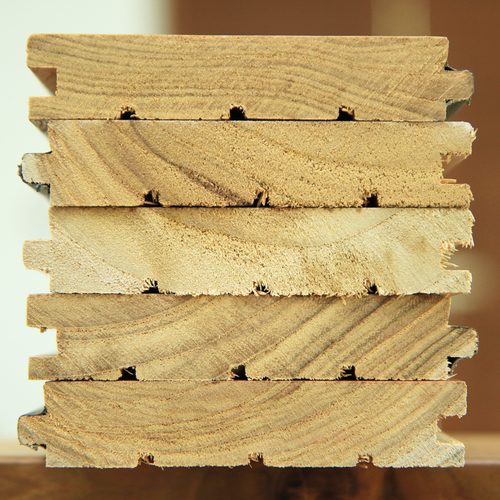
- Examine an exposed edge: Check a closet, vent opening, or broken board for a cross-section view.
- Note the board width: Old-growth woods often came in wide planks (over 4 inches).
- Look for face nails: Visible square nails or hand-cut nails can indicate pre-1900s floors.
- Check for finish: Original shellac or wax finishes look different from modern polyurethane.
Take good photos in natural light. Sometimes, wood changes color under artificial bulbs.
Tools And Materials For Identification
You don’t need a laboratory to identify old wood floors, but a few simple tools can help:
- Magnifying glass: For looking at grain and pores.
- Sharp utility knife: To scrape a small area and see the raw wood.
- Sandpaper: For gently removing finish in a hidden spot.
- Measuring tape: To check plank width and thickness.
- Ruler: For comparing grain patterns.
- Small flashlight: To check under furniture and in dark corners.
If you want to go further, a wood identification book or access to online databases can help compare your findings.
Key Visual Clues: Grain, Color, And Texture
Understanding Grain Patterns
The grain of a wood floor is one of the best ways to identify species. Look for these details:
- Open grain vs. closed grain: Oak has open pores you can see and feel, while maple and birch are tighter.
- Figuring: Curly, wavy, or birdseye patterns are often seen in maple or walnut.
- Growth rings: Pine often has wide, uneven rings; oak and fir have tighter, more regular growth.
Color And Aging
Remember, wood color changes over time. Sunlight, finish, and age can all affect appearance. For example:
- Pine darkens and gets more orange with age.
- Oak can turn golden brown or gray.
- Walnut may fade from chocolate to a lighter brown.
Test a small spot with sandpaper to see the true color beneath the finish.
Texture And Hardness
Press your fingernail into a hidden spot. Softer woods (like pine or fir) will dent easily; hardwoods (like oak or maple) will resist.
Using Smell And Sound
This is a trick many experts use. Old wood often has a distinct smell when sanded or cut—pine is sweet, oak is earthy, and walnut has a faint nutty scent. Knock on the boards: dense hardwoods make a sharp, clear sound, while softwoods sound dull.
Identifying By Construction Method
How the floor is built can be a big clue:
Solid Wood Vs. Engineered Wood
- Solid wood: One piece of wood, same material all the way through.
- Engineered wood: Thin layer of hardwood on top, plywood or softwood beneath.
Check an exposed edge for layers. Engineered wood became common after the 1960s.
Plank Width And Length
Older floors often use wide planks (over 4–6 inches) and random lengths. Narrow strips (2–3 inches) became popular in the early 20th century.
Nail Type And Pattern
Hand-forged nails (irregular and square) mean pre-1890s. Wire nails (round) are later. Face-nailed boards (nails on top) are older than hidden-nailed (tongue and groove).
Regional Clues And Historical Context
The species used in old homes often depended on what was available locally. For example:
- New England: Eastern white pine, chestnut, oak.
- Midwest: Red oak, maple.
- South: Heart pine, cypress.
- West Coast: Douglas fir, redwood.
Homes built before 1900 often used wood cut from nearby forests. Knowing your region narrows the possibilities.
Comparing Popular Old Wood Species
Here’s a side-by-side look at common old wood floors:
| Wood Species | Grain/Texture | Color (Aged) | Common Era |
|---|---|---|---|
| Red Oak | Open, wavy grain | Golden to pinkish brown | 1880s–today |
| White Oak | Straight, tight grain | Light brown to gray | 1880s–today |
| Pine | Knots, wide rings | Amber to reddish | 1700s–1920s |
| Maple | Fine, smooth | Pale yellow | 1890s–1940s |
| Fir | Straight, fine | Reddish brown | 1890s–1940s |
| Walnut | Curly, wavy | Chocolate brown | Rare, 1800s–1930s |
| Chestnut | Coarse, wormholes | Warm brown | 1700s–early 1900s |
This table can help you quickly compare boards you see in your house.
Testing Methods For Confirmation
Sometimes, you need more than looks. Here’s how to get more evidence:
- Chemical Spot Tests: Certain woods react to simple chemicals. For example, oak turns dark with a drop of household ammonia.
- Water Drop Test: Place a drop of water on sanded wood. Hardwoods absorb slowly; softwoods soak it in quickly.
- UV Light Test: Some woods fluoresce under UV light. For example, maple may glow slightly.
Always test in a hidden area, such as a closet or under a radiator.
Repair And Restoration Implications
Knowing your wood type changes how you repair or restore old floors:
- Pine and fir are softer and require gentler sanding and softer finishes (like wax or oil).
- Oak and maple can withstand modern sanding and strong finishes.
- Rare woods (walnut, chestnut) deserve special care; replacing boards may be impossible.
- Engineered floors should never be sanded deeply—there’s only a thin layer of real wood.
If you plan to stain, remember that woods take color differently. For example, maple often becomes blotchy with dark stains.
When To Call An Expert
Some old floors are so unusual or valuable that a professional wood identification service is worth it. If you suspect a rare species or your floor is part of a historic home, experts can use microscopy or even DNA testing. For most people, though, the steps above will give you a reliable answer.
Real-world Examples
Consider these case studies:
- A 1920s bungalow in Chicago had narrow, golden strips. Testing and regional history pointed to white oak.
- A farmhouse in Maine had wide, knotty boards with face nails. Under the paint, the boards tested as Eastern white pine.
- A Victorian in San Francisco had reddish, soft planks. The grain and color matched Douglas fir, common in the region.
In each case, knowing the species helped owners choose the right finish and restoration plan.
Common Mistakes In Identification
Many beginners make these errors:
- Judging by finish color only: Stains and age can change any wood’s look.
- Confusing softwoods with damage: Pine dents easily, but that doesn’t mean it’s low quality.
- Missing engineered floors: These may look like solid wood but are not suitable for deep refinishing.
- Ignoring regional clues: Always consider what was locally available when the house was built.
- Over-sanding: Removing too much wood can ruin old floors, especially if it’s a thin veneer.
Knowing these pitfalls helps you avoid irreversible damage.

Credit: www.reddit.com
Tips For Accurate Identification
Here are practical strategies to improve your results:
- Test in multiple places: Wood species can vary from room to room, especially after renovations.
- Take clear photos: Compare them with online databases or show them to a local expert.
- Check for replacement boards: Some floors have newer boards mixed with old ones.
- Research your home’s history: Building permits or old photos may reveal floor changes.
- Use all your senses: Sight, touch, and even smell can offer clues.
- Be patient: Some IDs require several tries and a bit of detective work.
Advanced Clues: Growth Rings And End Grain
Experts often look at the end grain—the cut edge of a board. Here’s what to notice:
- Oak: Large, visible rays crossing the grain.
- Pine: Resin canals and wide growth rings.
- Maple: Small, tight pores and smooth appearance.
If you can, remove a floor vent or threshold to see the end grain.
How To Document Your Findings
Once you identify your floor, keep a record:
- Write down the wood species, plank width, and finish type.
- Take photos of unique features.
- Note any repairs or replaced boards.
This information is valuable for future renovations, resale, or historic records.
Comparing Old Vs. Modern Wood Floors
There are key differences between old and new floors. This comparison can help you appreciate what you have:
| Feature | Old Wood Floors | Modern Wood Floors |
|---|---|---|
| Wood Source | Old-growth, local | Farmed, global |
| Plank Width | Wide (4–12 in.) | Narrow (2–4 in.) |
| Finish | Shellac, wax | Polyurethane |
| Durability | Often harder, denser | Varies, often softer |
| Value | High, unique | Lower, common |
Old floors are often more valuable and durable than most modern options.
Environmental And Legal Considerations
Some old woods, like American chestnut or certain tropical species, are now protected or endangered. In the US, you cannot legally harvest or sell new chestnut flooring. If you have it, it’s rare and should not be replaced casually.
Restoring original wood is also more eco-friendly than replacing with new. If you want to learn more about protected species, check the US Fish and Wildlife Service.
Practical Restoration Tips By Wood Type
Here’s how to care for the most common old wood floors:
- Oak: Sand lightly, use water-based finishes to avoid yellowing.
- Pine: Clean gently, use oil or wax, avoid heavy sanding.
- Maple: Use a conditioner before staining, avoid dark colors.
- Fir: Use soft brushes and oil-based finishes.
- Chestnut: Clean with mild soap, avoid sanding wormholes.
- Walnut: Hand-rubbed oil enhances natural color.
Always test any product on a small, hidden spot first.
The Role Of Finish In Identification
The finish can mask or change the look of wood. Old floors were often finished with shellac, wax, or oil. Modern floors use polyurethane. To test, rub a hidden spot with denatured alcohol (shellac dissolves), mineral spirits (wax comes off), or acetone (lacquer softens).
Knowing the finish can also help you decide whether to refinish or simply clean and preserve.
How To Spot Fake Or Replaced Wood
Not all old-looking floors are original. Here’s what to watch for:
- Uniform color and grain often means new replacement boards.
- No wear patterns in high-traffic areas suggest recent installation.
- Click-together edges or plastic-like sound means laminate, not real wood.
- Perfectly straight grain and no knots may mean engineered wood.
When in doubt, check under baseboards or in closets for original material.
When To Leave Wood Unfinished
Some old floors were never finished at all, especially in attics or servant’s quarters. These have a rustic look and may show more wear. If you find unfinished boards, consider leaving them as-is for authenticity, but clean gently and repair splits.
Getting Help From Online Communities
If you’re stuck, there are online groups and forums where you can post photos and get opinions from experienced restorers. Always provide good lighting and close-ups of grain, color, and any unique features.
Credit: thecraftsmanblog.com
Frequently Asked Questions
How Can I Tell If My Old Wood Floor Is Real Wood Or Laminate?
Real wood has unique grain and can be sanded; laminate is made of printed layers and sounds hollow when tapped. Look for seams—if you see repeating patterns or a plastic feel, it’s likely laminate.
What Is The Rarest Wood Floor Found In Old Houses?
American chestnut is among the rarest, due to a blight in the early 1900s that wiped out most trees. If your home has chestnut, it’s very valuable and should be preserved.
Can I Refinish Engineered Wood Floors In An Old House?
It depends on the thickness of the top layer. Most engineered floors can be sanded only once or twice, if at all. Always check an edge before sanding.
How Do I Clean Old Wood Floors Without Damaging Them?
Use a soft broom and a damp mop with a mild cleaner. Avoid excess water and never use harsh chemicals. For waxed floors, use a special wood floor wax.
What Should I Do If I Find Insect Damage Or Rot In Old Floors?
Call a professional. Some damage can be repaired, but widespread rot or active insects require expert treatment to save the floor and protect your home.
Old wood floors are a window into your home’s history. With careful observation, the right tools, and a little detective work, you can identify the species, age, and value of the wood beneath your feet. This knowledge helps you restore, protect, and enjoy these beautiful surfaces for many years to come.