
If you’ve ever stripped paint or varnish from wood, you might know Citristrip—a popular, citrus-based paint remover. It’s less harsh than many other products, making it a favorite for DIYers and professionals. But after your project, you’re left with a mix of used Citristrip, contaminated rags, and leftover product. How do you dispose of it safely, legally, and in a way that protects the environment? Many people think that because Citristrip smells like oranges and says “safer,” it’s not hazardous. That’s a mistake. Proper Citristrip disposal matters for your health, your home, and the environment.
In this guide, you’ll learn everything you need to know about disposing of Citristrip. We’ll look at different types of Citristrip waste, what you can (and can’t) pour down the drain, how to handle rags and brushes, and the best ways to deal with unused product.
You’ll get practical steps, local rules, and tips that help you avoid common mistakes. Whether you’re a homeowner, contractor, or hobbyist, you’ll find clear answers here.
What Is Citristrip And Why Disposal Matters
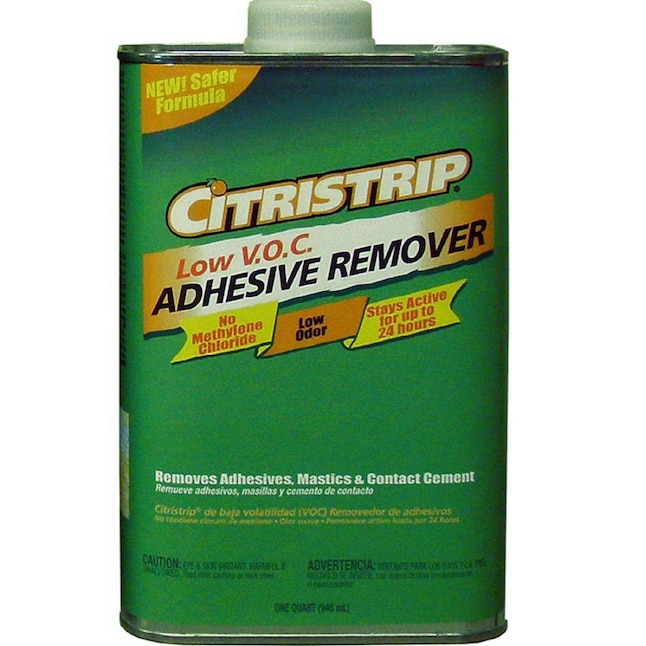
Citristrip is a gel-based paint and varnish remover known for its citrus scent and “no harsh fumes” label. It contains chemicals like N-Methyl-2-pyrrolidone (NMP), which help break down paint and finishes. While safer than many old-school strippers, it’s still a chemical solvent. When you’re done using Citristrip, you have a mixture of:
- Used gel (with dissolved paint/varnish)
- Leftover product in the can
- Dirty rags, brushes, or scrapers
Throwing these in the regular trash or washing them down the sink can harm pipes, pollute water, and break local laws. Even “low-odor” or “natural” paint strippers can cause problems if disposed of incorrectly.
Environmental And Legal Risks
Citristrip waste can:
- Contaminate groundwater if it leaks from landfills
- Damage septic systems and wastewater plants
- Harm fish and wildlife if released into streams
- Release volatile organic compounds (VOCs) into the air
Most cities treat paint strippers as household hazardous waste (HHW). Fines for improper disposal can reach $1,000 or more in some areas. It’s not just about being green—it’s about following the law.
Types Of Citristrip Waste
Disposing of Citristrip isn’t one-size-fits-all. The right method depends on what you’re dealing with. Here are the main categories:
1. Used Citristrip Gel (after Paint Removal)
This is the thick, sticky mixture you scrape off after the product has done its job. It usually contains old paint or varnish.
2. Leftover Unused Citristrip
Sometimes you have leftover Citristrip in the original container. This is still “active” chemical.
3. Dirty Rags, Paper Towels, And Brushes
These are tools or materials soaked with Citristrip—sometimes with paint, sometimes just the gel.
4. Empty Citristrip Containers
What if the can or bottle is empty? Is it regular trash or special waste?
Each type needs a different approach. Mixing them up is risky and can lead to dangerous reactions.

Credit: citristrip.com
How To Dispose Of Used Citristrip Gel
After stripping paint, you’re left with globs of used Citristrip. This material is messy, sticky, and full of dissolved paint or finish. Here’s how to handle it safely.
Step 1: Scrape Up All Gel
Use a metal or plastic scraper to collect all the used gel. Don’t leave any on the surface—dried residue can be hard to clean later.
Step 2: Place In A Disposable Container
Transfer the gel into a metal can or glass jar with a tight-fitting lid. Don’t use plastic bags—Citristrip can eat through some plastics over time.
Step 3: Seal The Container
Make sure the lid is tight. Label the container “Used Citristrip—Contains Paint Remover. ”
Step 4: Store Safely
Keep the sealed container in a cool, dry place, away from children and pets. Don’t leave it in sunlight or near heat sources.
Step 5: Take To A Household Hazardous Waste Facility
Never throw used Citristrip gel in the trash or pour it down the drain. Take it to your local household hazardous waste (HHW) collection site. These facilities are set up to handle solvents, strippers, and paint waste.
Many cities hold HHW drop-off days. Some areas have year-round facilities. Check your city or county’s waste department website for times and locations.
Example: New York City’s Safe Disposal Events
NYC holds regular “SAFE Disposal” events for solvents and chemicals. In 2023, over 10,000 gallons of paint and solvents were collected in one borough alone.
Step 6: Document Your Drop-off
Some HHW sites give you a receipt. Keep it for your records—especially if you’re a contractor or business.
Extra Tip: Don’t Mix With Other Chemicals
Never combine used Citristrip with other waste (like paint thinner or bleach). Mixing can cause dangerous fumes or even explosions.
Disposing Of Leftover Unused Citristrip
If you finish your project and have leftover Citristrip, don’t keep it “just in case” for years. Old product can thicken, lose effectiveness, or leak.
Option 1: Use It Up
The best way to avoid disposal is to use up the product. Offer leftovers to a friend or neighbor who’s doing a similar project.
Option 2: Store Properly For Later Use
If you’ll use Citristrip soon, keep it:
- In the original container, tightly sealed
- Away from heat, sunlight, or freezing temperatures
- Out of reach of children and pets
Check the expiration date. Most Citristrip products last 2–3 years if stored correctly.
Option 3: Take To Hazardous Waste Collection
If you won’t use it, treat it like used gel. Take it—sealed in its original container—to your local HHW facility.
Option 4: Participate In Product Swap Events
Some cities run household chemical swap events where you can give away or pick up usable products for free. This keeps chemicals out of landfills and helps neighbors.
How To Dispose Of Citristrip-soaked Rags, Paper Towels, And Brushes
Many people forget that tools used with Citristrip can also be hazardous. Rags, paper towels, and brushes soaked with paint remover can start fires if not handled correctly.
Why Rags Are Dangerous
Oily and solvent-soaked rags can self-ignite. Even though Citristrip is less flammable than some strippers, it can still be a fire risk, especially in hot weather or a closed trash can.
Step 1: Dry Out Rags
Spread rags, towels, or paper on a non-combustible surface (like metal or concrete) outdoors. Let them air dry fully.
Step 2: Store In A Metal Container
Once dry, place rags in a metal can with a tight lid. Label the can “Citristrip Soaked Rags—Hazardous Waste. ”
Step 3: Take To Hazardous Waste Facility
Dispose of the can at your HHW collection site. Do not put solvent-soaked rags in regular trash.
What About Brushes And Scrapers?
- If reusable: Clean with mineral spirits or soap and water, following all disposal rules for wash water.
- If disposable: Let dry, then handle as you would rags.
Pro Tip: Never Ball Up Wet Rags
Bunched-up wet rags create heat and can catch fire. Always spread them out to dry.
Can You Pour Citristrip Down The Drain?
Short answer: No. Pouring Citristrip down the sink, toilet, or storm drain is dangerous and often illegal.
What Happens If You Pour It Down The Drain?
- It can damage pipes, especially older homes with PVC.
- The chemicals can kill helpful bacteria in septic systems.
- Wastewater plants may not remove all solvents, allowing them into rivers and lakes.
- You could face fines if caught.
Even one cup of Citristrip can harm thousands of gallons of water.
What About Small Spills?
Clean up spills with paper towels and treat them as hazardous waste. Never rinse into the sink.
Credit: www.lowes.com
Disposing Of Empty Citristrip Containers
Once your Citristrip can or bottle is empty, you might wonder if it’s safe to throw away.
Step 1: Let It Air Out
Leave the container open outdoors (away from kids/pets) for a few days. This helps any residue evaporate.
Step 2: Check Local Rules
Some cities allow empty, dry containers in regular trash. Others require them to go to HHW collection.
Step 3: Recycle Only If Allowed
Most Citristrip containers are metal cans. Check if your recycling program accepts empty, dry paint cans. If not, use HHW drop-off.
Insider Tip: Never Crush Or Puncture Cans
Pressurized residue can spray out and cause injury.
Comparison: Citristrip Disposal Vs. Traditional Paint Strippers
To see why proper disposal matters, here’s how Citristrip compares to traditional methylene chloride-based strippers.
| Feature | Citristrip | Traditional Stripper |
|---|---|---|
| Active Ingredient | NMP, Citrus Terpenes | Methylene Chloride |
| Odor | Mild, citrus scent | Very strong, chemical |
| Disposal Category | Hazardous Waste | Hazardous Waste |
| Can Go in Regular Trash? | No | No |
| Special Fire Risk | Low (but possible) | High |
Citristrip is safer to use but must still be disposed of carefully.
Local Disposal Laws And How To Find Them
Disposal rules for products like Citristrip vary by city, county, and state. Some areas have strict fines, while others offer free drop-off.
How To Check Your Local Laws
- Search for your city or county’s household hazardous waste program online.
- Call your local waste management office.
- Ask at big hardware stores—they often have info on chemical disposal.
Examples Of Local Rules
- California: All paint removers are hazardous waste—even if “natural.”
- Texas: Some areas allow dried, empty containers in regular trash; others do not.
- Chicago: Must use city HHW events for all solvents.
Never guess—always check. Laws change, and what worked last year might be illegal now.
What Not To Do: Common Citristrip Disposal Mistakes
Learning from others’ mistakes can save you time, money, and trouble. Here are errors to avoid:
1. Pouring Down Sinks Or Storm Drains
Even a small amount can pollute water and harm plumbing.
2. Tossing In Regular Trash
Most states ban paint strippers from landfills. It can cause fires in garbage trucks.
3. Burning Citristrip Waste
Never try to burn rags or containers. The fumes are toxic.
4. Ignoring Local Rules
Assuming “it’s just citrus” is dangerous and can lead to heavy fines.
5. Mixing With Other Chemicals
Combining Citristrip with other solvents or cleaners can create poisonous gases.
6. Storing In Plastic Bags
Citristrip can dissolve some plastics, causing leaks and spills.
The Right Way To Clean Up After Citristrip
Proper disposal starts with good cleanup. Here’s how to leave your workspace safe and chemical-free.
Step 1: Remove All Gel And Waste
Don’t let residue dry on surfaces. Scrape everything into your waste container.
Step 2: Wipe Down Surfaces
Use a damp cloth to clean wood, metal, or concrete. Dispose of the cloth as hazardous waste.
Step 3: Wash Tools Carefully
Wash metal and plastic tools in a bucket of warm, soapy water—never in the kitchen sink. Pour the wash water into a sealed container for HHW drop-off.
Step 4: Ventilate The Area
Open windows and run fans to remove any lingering vapors.
Step 5: Store Leftover Product Safely
Seal the Citristrip can tightly. Store upright, away from heat, in a locked cabinet.
What To Do If You Accidentally Spill Citristrip
Accidents happen. If you spill Citristrip on the floor, driveway, or grass, act fast.
Step 1: Contain The Spill
Use sand, cat litter, or sawdust to soak up liquid. Don’t use water, which can spread chemicals.
Step 2: Scoop Up Absorbent
Shovel the dirty sand or litter into a metal can or sealed bag.
Step 3: Dispose As Hazardous Waste
Take the contaminated material to your local HHW facility.
Step 4: Clean The Area
Wipe with a damp rag (disposed of as hazardous waste). Do not rinse with a hose.
Step 5: Check For Damage
Some driveways or lawns may need repair if damaged by solvents.
Handling Large Quantities (contractors & Workshops)
If you use Citristrip regularly for work, you’ll generate larger amounts of waste. The rules are stricter for businesses than for homeowners.
Requirements For Businesses
- Track all hazardous waste (keep records).
- Store in labeled, fireproof containers.
- Arrange for regular pickup by licensed hazardous waste haulers.
- Never dump in regular trash or drains.
Penalties For Non-compliance
Fines can reach $10,000+ per violation for businesses. Insurance may refuse to cover damages if you dispose of solvents illegally.
Tip: Train Your Staff
Make sure every worker knows the rules for handling and disposing of Citristrip and similar chemicals.
Citristrip Alternatives And Their Disposal
Some people look for “greener” paint removers. Here’s how their disposal compares to Citristrip.
| Product Type | Main Ingredient | Disposal Method | Hazard Level |
|---|---|---|---|
| Citristrip | NMP, Citrus Terpenes | HHW Drop-Off | Moderate |
| Soy-Based Stripper | Soy Methyl Esters | HHW (usually) | Low-Moderate |
| Methylene Chloride Stripper | Methylene Chloride | HHW Only | High |
| Mechanical Removal (Sanding, Heat Gun) | None (physical only) | Regular Trash (dust/masks) | Low |
Even “natural” strippers (soy, citrus, etc. ) Are often treated as hazardous by cities because they dissolve paint and may contain small amounts of harmful chemicals.

Credit: www.eighthundredfurniture.com
How To Find Your Local Hazardous Waste Facility
Don’t know where your nearest HHW drop-off is? Here’s how to locate it:
- Search “household hazardous waste [your city]” online.
- Use the Earth911 database for US locations.
- Check your city’s public works or sanitation website.
- Ask at your local hardware store.
Most facilities accept paint strippers, paint, solvents, batteries, and more.
Additional Tips For Safe Citristrip Disposal
- Always wear gloves and eye protection when handling waste.
- Keep waste containers upright—never on their side.
- Never store chemicals above food or water supplies.
- If you smell strong fumes, ventilate the area and move waste outdoors.
- Don’t transport hazardous waste in the passenger area of your car—use the trunk.
What Beginners Often Miss
- Labeling Waste Properly: Many people forget to label waste containers. This can confuse HHW workers and cause delays or accidents.
- Checking Expiry Dates: Using old, thickened Citristrip is less effective and harder to dispose of. Always check the date before starting a project.
- Not Planning Disposal Before Starting: Always check local HHW drop-off days before you begin stripping paint. Don’t let waste pile up for months.
- Underestimating Fire Risk: Even “green” paint removers can start fires if rags are balled up and left in a hot garage.
When In Doubt, Ask
If you’re not sure about the rules in your area, contact your city’s hazardous waste office. Never guess—rules change, and ignorance is not an excuse in most states.
For more information on hazardous waste disposal, see the EPA Household Hazardous Waste page.
Frequently Asked Questions
What Happens If I Accidentally Throw Citristrip In The Trash?
If you toss Citristrip or used gel in regular trash, it could leak into landfills, pollute groundwater, or start a fire in garbage trucks. In many places, this is illegal and can lead to fines.
Can I Dilute Citristrip With Water And Pour It Out?
No. Diluting Citristrip doesn’t make it safe for drains or the environment. The chemicals remain hazardous even when mixed with water.
Is It Safe To Reuse Containers That Held Citristrip?
Do not reuse empty Citristrip containers for food, drinks, or storage. Even after cleaning, chemical residue can be harmful.
What Should I Do If I Get Citristrip On My Skin Or Clothes?
Wash skin immediately with soap and water. Remove contaminated clothes and wash them separately. If irritation persists, contact a doctor.
Are There Eco-friendly Alternatives To Citristrip?
Some products use soy or lactic acid as main ingredients, but most still require hazardous waste disposal. Mechanical options (like sanding) are safest, but can create dust hazards, especially with old lead paint.
Make Citristrip Disposal Safe And Simple
Disposing of Citristrip doesn’t have to be stressful or confusing. The key is to treat all paint removers as hazardous waste, use sealed containers, and always check your city’s rules. A little planning means you protect your home, your health, and the planet.
Next time you tackle a paint removal project, you’ll know exactly what to do with every rag, brush, and drop of leftover gel. Safe disposal isn’t just a legal obligation—it’s the smart choice for everyone.