
Fleas are small, fast-moving pests that can quickly turn your living room into a source of frustration. If you’ve discovered fleas on your sofa, you’re not alone. Many people think fleas only bother pets, but these insects can hide deep in your furniture, bite humans, and multiply rapidly.
Ignoring fleas is never a good idea—they don’t go away on their own, and the longer you wait, the bigger the infestation becomes. The good news is, with a systematic approach, you can get rid of fleas on your sofa and reclaim your home’s comfort.
This guide gives you a complete, step-by-step plan to remove fleas from your sofa, prevent them from returning, and protect your family and pets. You’ll find practical advice, science-backed solutions, and tips that even experienced homeowners often overlook. Whether you’re dealing with a mild annoyance or a full-blown infestation, this article will help you tackle the problem with confidence.
Understanding Fleas On Sofas
Fleas are tiny parasitic insects—adults are only about 2-3 mm long and are reddish-brown. They feed on blood, usually from pets like dogs and cats, but they will also bite humans. Sofas provide the perfect hiding spot for fleas: warmth, fabric fibers, and easy access to hosts.
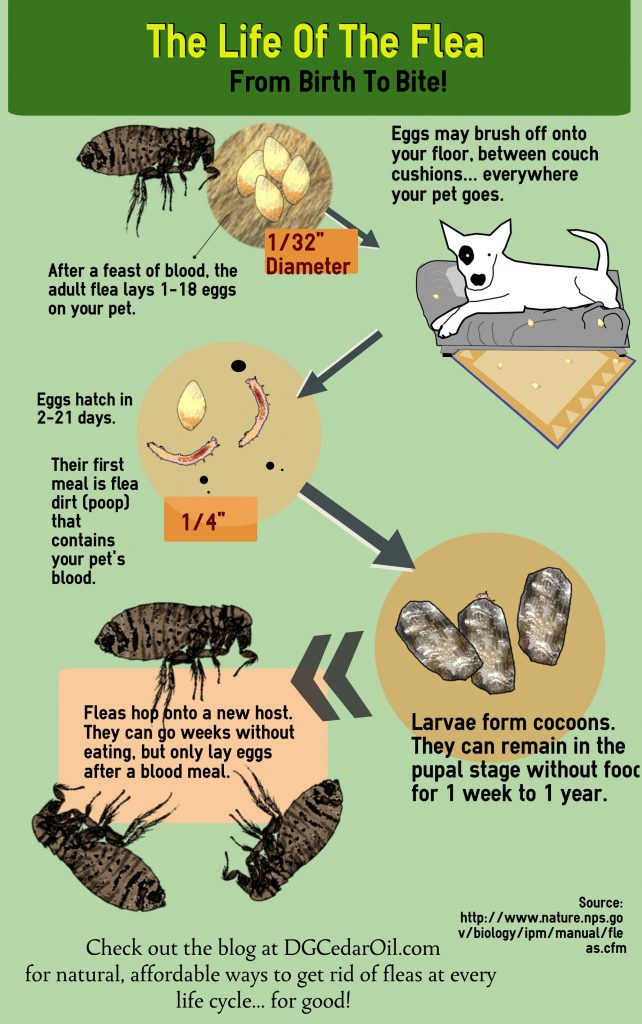
One important detail: fleas rarely live on people or pets full-time. Instead, they lay eggs in your environment—especially in soft furnishings. A single female flea can lay up to 50 eggs per day, so a small problem can quickly escalate.
How Fleas Infest Sofas
- Eggs and larvae fall off your pet and land in sofa cushions or fabric seams.
- Larvae feed on organic debris, including adult flea feces, in the dark spaces of your sofa.
- After developing, adult fleas emerge and seek a host to feed on.
- The cycle continues unless interrupted.
Signs Of Fleas In Your Sofa
Knowing whether you truly have fleas is the first step. The following clues can help you confirm an infestation:
- Itchy bites on your legs, arms, or feet after sitting on the sofa.
- Tiny black specks (flea dirt) on the sofa fabric—these are flea droppings, which turn red when wet.
- Fleas jumping—you might spot them moving quickly when you disturb the cushions.
- Pets scratching more than usual on or near the sofa.
- Small white eggs or larvae in seams and under cushions (hard to see without a magnifying glass).
Many people mistake flea bites for mosquito bites. Flea bites are usually clustered and very itchy, with a red halo around the bite site.
Credit: www.chewy.com
Immediate Steps: What To Do First
If you suspect fleas, act quickly. Here’s what you should do right away:
- Vacuum your sofa thoroughly, including under and between cushions. Use a crevice tool for seams.
- Empty the vacuum outside the house, or the fleas could escape back into your home.
- Wash all removable covers and throws in hot water (at least 130°F/54°C).
- Keep pets off the sofa until the problem is controlled.
- Inspect pets for fleas and treat them if needed.
This first round of cleaning removes many adult fleas, eggs, and larvae. However, it’s not enough to solve the problem completely.
Deep Cleaning Your Sofa
Surface cleaning is only the start. Flea eggs and larvae hide deep inside cushions and seams. To truly get rid of fleas, you need to clean thoroughly and repeatedly.
How To Vacuum Effectively
Not all vacuuming is equal. Here’s how to make it count:
- Use a vacuum with strong suction and a HEPA filter.
- Go slowly over every part of the sofa, including under cushions and along seams.
- Repeat vacuuming daily for at least 2 weeks, since new fleas can hatch during this time.
- Don’t forget to vacuum the floor area under and around the sofa.
Steam Cleaning
Fleas, eggs, and larvae die at temperatures above 95°F (35°C). A steam cleaner can reach deep into upholstery, killing fleas that survive vacuuming.
- Use the steam cleaner on all sofa surfaces, paying special attention to cracks.
- Let the sofa dry completely before use.
Washing And Drying
Wash all removable fabric in hot water and dry on high heat. High temperatures kill all stages of fleas.
- Pillows, blankets, slipcovers, and pet beds should all be included.
- If you cannot remove the covers, spot clean with a hot, damp cloth and soap.
Cleaning Leather Sofas
If your sofa is leather, fleas are less likely to thrive but can hide in seams.
- Use a vacuum and wipe seams with a damp cloth.
- Avoid too much water, as it can damage leather.
- Use a leather-safe cleaner for extra cleaning.
Using Flea Sprays And Powders
Sometimes, cleaning alone is not enough. Flea sprays and powders can help eliminate fleas that survive the first round of cleaning. There are two main types:
- Chemical sprays: These often contain insecticides like permethrin or pyrethroids.
- Natural sprays: Made from essential oils or other plant extracts.
Choosing The Right Product
Not all flea sprays are safe for all sofa types. Here’s a comparison:
| Product Type | Safe for Fabrics | Safe for Pets | Effectiveness |
|---|---|---|---|
| Chemical Spray | Most fabrics (test first) | Not while wet | High |
| Natural Spray | All fabrics | Usually safe | Moderate |
| Borax/Baking Soda | Most fabrics | Safe (keep pets away during treatment) | Moderate |
Test any spray on a small, hidden area of your sofa before applying it everywhere.
How To Apply Flea Spray
- Remove pets and children from the room.
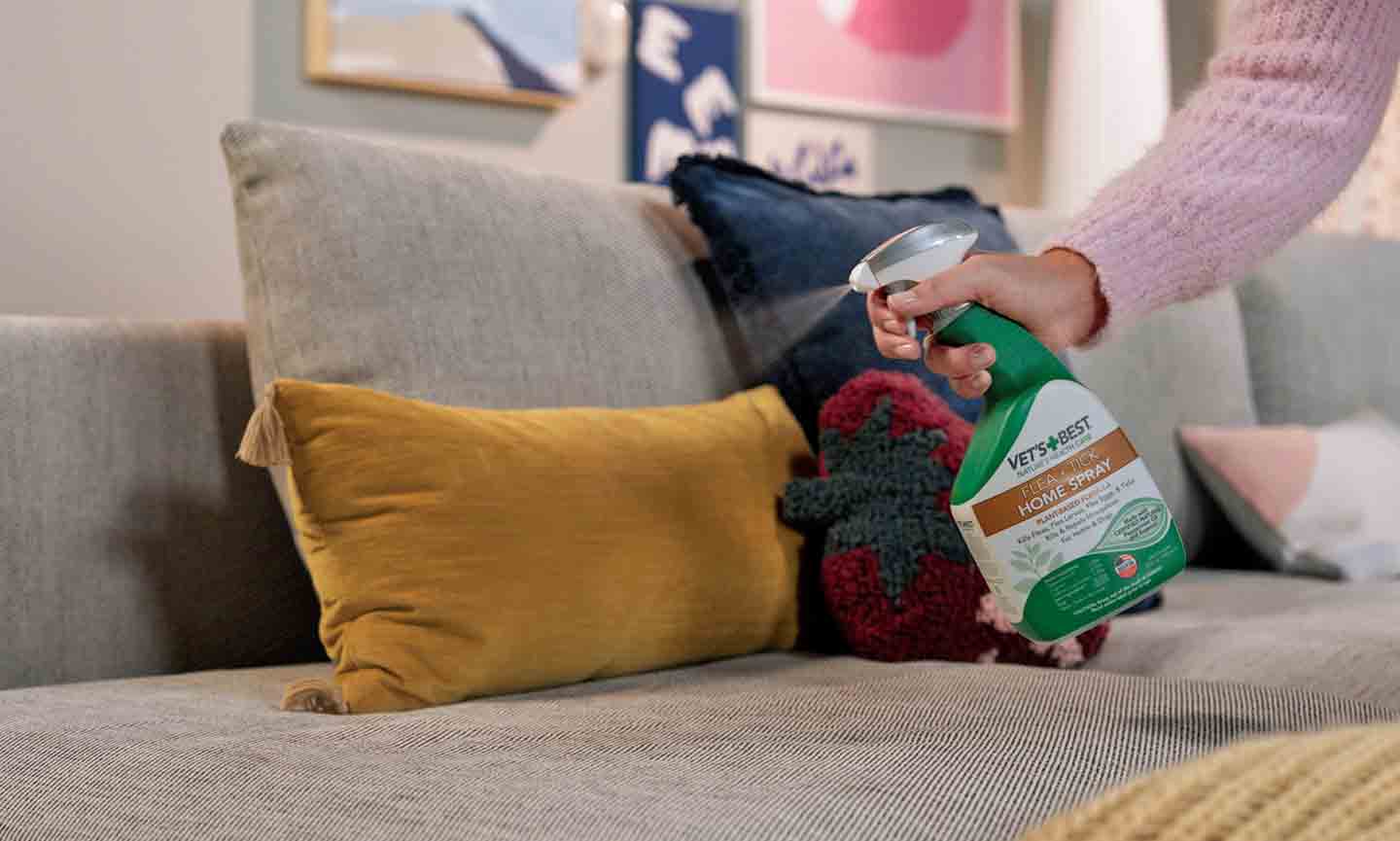
- Spray lightly over all sofa surfaces, focusing on seams and under cushions.
- Let the sofa dry completely before use.
- Repeat as directed on the product label.
Natural sprays often need more frequent application but are safer for sensitive homes.
Flea Powders
Some people use diatomaceous earth or borax as a natural powder to kill fleas. These work by drying out flea bodies.
- Sprinkle a thin layer over the sofa.
- Leave for several hours (or overnight).
- Vacuum thoroughly to remove all powder.
Important: Only use food-grade diatomaceous earth; the pool-grade type is harmful if inhaled.
Treating Pets And Preventing Reinfestation
Even the cleanest sofa will be reinfested if your pets carry fleas. Treat all pets at the same time as you clean your home.
Pet Flea Treatments
Most veterinarians recommend these:
- Topical treatments (applied to the skin)
- Oral medications
- Flea collars
Never use dog flea products on cats—they can be toxic.
Washing Pet Bedding
Wash all pet bedding in hot water at least once a week until the flea problem is gone.
Grooming
Brush pets daily with a flea comb to remove adult fleas. Dip the comb in soapy water to kill fleas.
Regular Vet Checks
Sometimes, fleas cause allergies or skin infections in pets. If you notice hair loss, redness, or sores, visit your vet.
Natural And Home Remedies
Many people want to avoid chemicals, especially if they have children, pets, or allergies. Some natural methods can help control fleas:
Vacuum With Baking Soda
Sprinkle baking soda over the sofa, work it into the fabric with a brush, then vacuum after an hour. Baking soda helps loosen flea eggs and dirt.
Salt
Fine table salt can dehydrate fleas and larvae. Sprinkle on the sofa, leave overnight, then vacuum.
Essential Oils
Some oils, like lavender, cedarwood, and eucalyptus, repel fleas. However, essential oils can be toxic to pets if used incorrectly. Always dilute and avoid direct contact with animals.
Lemon Spray
Slice a lemon, boil it in water, let it steep overnight, and strain. Spray lightly on the sofa. The citrus scent repels fleas.
Diatomaceous Earth
This natural powder (see above) is safe for most homes but can be messy. Use food-grade only.
Trap Fleas With Light
At night, place a small lamp near the sofa with a shallow dish of soapy water below. Fleas jump toward the light and drown in the water.
Non-obvious tip: Always combine natural methods with regular vacuuming for best results. Alone, these remedies rarely solve a heavy infestation.
Professional Pest Control
If you’ve tried everything and fleas keep returning, it may be time to call a professional exterminator. This is especially important if:
- The infestation is large or has lasted more than a month.
- You see fleas in multiple rooms.
- You or your pets are getting sick from bites.
What To Expect
- Professionals often use a combination of insecticides and growth regulators.
- They may treat not just the sofa but all soft furnishings and carpets.
- You might need to leave your home for several hours during treatment.
While professional treatment costs more, it is often the fastest way to end a severe infestation.
Credit: www.dgcedaroil.com
Preventing Future Flea Problems
Once you’ve removed fleas, preventing their return is essential. Here’s how to keep your sofa (and home) flea-free:
Regular Cleaning
- Vacuum sofas, carpets, and pet bedding weekly.
- Wash removable covers and blankets often.
Ongoing Pet Protection
- Keep pets on monthly flea prevention all year.
- Check pets regularly for fleas, especially after walks or outdoor play.
Limit Access
- If possible, keep pets off sofas, or use washable pet covers.
- Block access to wild animals (like stray cats or raccoons) that might carry fleas.
Outdoor Care
- Treat your yard for fleas if your pets go outside.
- Mow lawns and remove piles of leaves or debris where fleas may hide.
Early Intervention
At the first sign of fleas—itchy pets, bites, or black specks—start cleaning and treatment right away. Early action prevents big infestations.
Insider insight: Flea eggs can survive for months in dry, protected spots. Even after the adults are gone, vacuum regularly for at least 6 weeks to break the flea life cycle.
Common Mistakes To Avoid
Even careful homeowners make mistakes when fighting fleas. Avoid these pitfalls:
- Stopping too soon—It takes at least 2-4 weeks to break the flea life cycle. Don’t stop cleaning after just a few days.
- Missing hidden spots—Fleas hide deep in seams, under cushions, and in cracks.
- Only treating pets—You must treat both the animal and the environment.
- Ignoring pet bedding—Flea eggs collect where your pet sleeps.
- Using too much spray or powder—Overuse can damage fabric or create health risks, especially for children or pets.
- Relying on a single method—Combine cleaning, pet treatment, and sprays for best results.
How Long Does It Take To Get Rid Of Fleas?
Complete flea removal usually takes 2 to 8 weeks. The exact time depends on:
- The size of the infestation
- How often you clean
- Whether all pets are treated
- If eggs are present in hidden spots
Most people see a big improvement in the first week if they follow all steps. However, new fleas may appear for several weeks as eggs hatch.
Cost Comparison: Diy Vs Professional Treatment
Here’s a comparison of average costs:
| Method | Estimated Cost | Effectiveness | Time Required |
|---|---|---|---|
| DIY Cleaning/Sprays | $20–$100 | Good (if thorough) | 2–8 weeks |
| Professional Exterminator | $150–$400+ | Very High | 1–2 visits |
| Pet Treatments | $10–$50 per pet | Essential | Ongoing monthly |
DIY methods cost less but require time and persistence. Professional help is faster and more reliable for severe infestations.
When To Seek Medical Help
Flea bites are itchy but usually harmless. However, you should see a doctor if:
- Bites become infected (red, swollen, pus).
- You have an allergic reaction—hives, trouble breathing, or severe swelling.
- Your pet has hair loss, skin sores, or seems ill.
In rare cases, fleas can carry diseases such as typhus or tapeworms. If you have concerns, consult your healthcare provider.
Non-obvious Tips For Success
Most guides repeat the same advice, but here are two extra insights:
- Vacuum at different times of day—Fleas are more active when there is vibration or heat. Vacuum after sitting on the sofa to catch newly active fleas.
- Rotate sofa cushions—This exposes hidden eggs and larvae, making cleaning more effective.
Also, consider using a flea growth regulator spray (found at pet stores), which prevents flea eggs and larvae from maturing. This is rarely mentioned but can dramatically speed up elimination.
Additional Resources
If you want to learn more about flea biology, life cycles, or treatment methods, visit the Wikipedia page on fleas for detailed scientific information.
Frequently Asked Questions
What Is The Fastest Way To Get Rid Of Fleas On A Sofa?
The fastest way is to combine thorough vacuuming, hot washing of covers, and a pet-safe flea spray. Treat all pets at the same time. Repeat these steps daily for at least two weeks to break the flea life cycle.
Are Homemade Remedies Effective For Sofa Fleas?
Homemade remedies like baking soda, salt, and lemon spray can help reduce flea numbers, especially for small infestations. However, they are less effective than commercial sprays for severe problems and should always be combined with regular cleaning and pet treatments.
Can Fleas Live In Leather Sofas?
Fleas are less likely to thrive in leather because it lacks fibers for eggs and larvae to hide. However, they can still hide in seams and under cushions. Regular vacuuming and cleaning are still needed.
How Do I Know If All The Fleas Are Gone?
If you no longer see fleas, black specks, or get bites after sitting on the sofa for several days, you’re likely flea-free. Continue cleaning for at least two weeks after the last sign to ensure eggs don’t hatch.
Is It Safe To Use Flea Sprays With Children And Pets?
Many flea sprays are safe after they dry, but always read the label. Remove children and pets before spraying and air out the sofa before use. For sensitive homes, choose natural or pet-safe products and consult your vet if unsure.
—
Getting rid of fleas on your sofa takes effort, but a systematic approach always wins. With regular cleaning, the right products, and ongoing prevention, you can enjoy a comfortable, flea-free home again. Stay persistent, address all possible sources, and remember—early action is the best defense against a long-term infestation.

Credit: www.youtube.com