
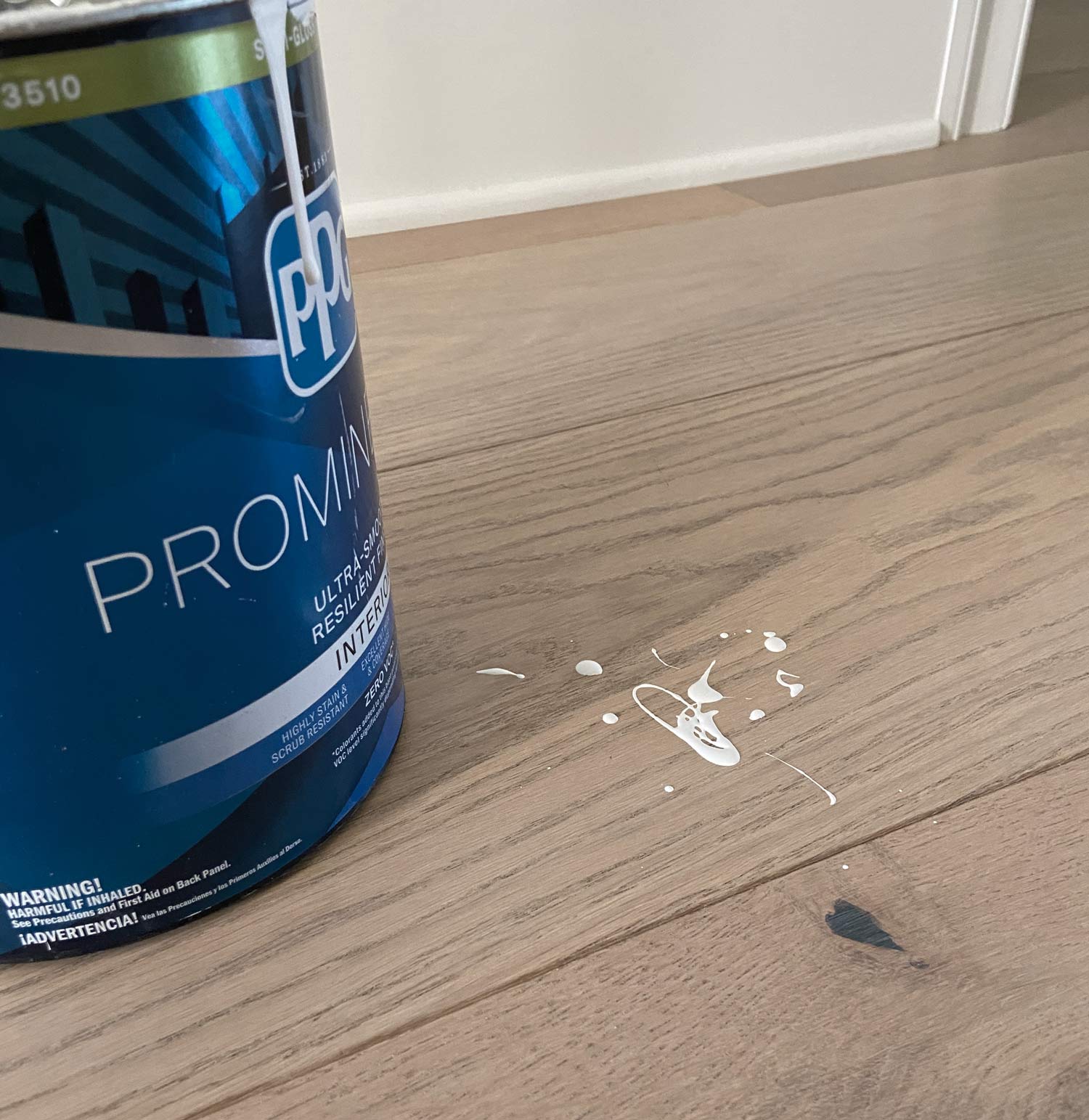
If you’ve ever painted a room, furniture, or trim, you probably know the sinking feeling that comes when you spot dried paint on your beautiful hardwood floor. Even a small drip can seem like a disaster, especially if you love the natural look of wood. But don’t worry—removing dry paint from hardwood floors is possible, and you can do it without damaging the wood or the finish. Whether you’re dealing with a few tiny splatters or a big spill that went unnoticed, the right approach will help you restore your floor’s original beauty.
In this article, you’ll learn safe, proven methods to get dry paint off hardwood floors. You’ll also discover what tools and products work best, what mistakes to avoid, and some key tips that even experienced DIYers sometimes miss. From gentle solutions for fresh spills to heavy-duty tactics for stubborn, old paint, you’ll find everything you need to tackle this common problem.
Let’s dive in and get your floors looking their best again.
Understanding The Problem: Why Dry Paint Is Tricky On Hardwood
Hardwood floors are both strong and delicate. Their finish protects the wood, but it can also be scratched or dulled by harsh chemicals or rough tools. When paint dries on hardwood, it bonds tightly to the surface. Unlike tile or laminate, wood can absorb paint, especially if the finish has worn thin. This means that removing dried paint is about more than just scraping—it’s about choosing methods that work without causing permanent damage.
It’s also important to know what type of paint you’re dealing with. Water-based paints (like latex or acrylic) are more forgiving, while oil-based paints can be tougher to remove. Each needs a slightly different approach. Fresh paint is always easier to clean, but even old, dried paint can be handled with patience and the right steps.
Assessing The Situation Before You Start
Before grabbing any tools or cleaners, stop and look at your paint problem closely. Here are some questions to answer:
- How much paint is on the floor? Is it just a few drops, or a larger area?
- How thick is the paint? Thin splatters are easier to remove than thick, layered spills.
- What type of paint was used? If you know, this will help you choose the best removal method.
- How old is the paint? The longer it’s been there, the harder it may be to remove.
- What is the condition of your floor’s finish? If it’s worn, you’ll need to be extra careful.
Taking a few minutes to answer these questions will help you avoid common mistakes—like using harsh chemicals on a delicate surface, or scrubbing too hard and scratching the wood.
Tools And Materials You’ll Need
Having the right tools and materials makes the job safer and easier. You probably have some of these at home already. Here’s a list of essentials and why they matter:
- Plastic putty knife or scraper: Gentle on wood, good for lifting dry paint
- Old credit card or plastic spatula: For delicate scraping
- Soft cloths or rags: For wiping and cleaning
- Mild dish soap: Safe, gentle cleaning power
- Warm water: Helps soften water-based paint
- Rubbing alcohol (isopropyl alcohol): Effective on latex paint
- Acetone or nail polish remover: For stubborn oil-based paint, but use sparingly
- Olive oil or mineral oil: Softens paint without harming the finish
- Fine steel wool (0000 grade): Only for tough spots, use with care
- Goo Gone or commercial paint remover: Use products designed for hardwood floors
- Cotton swabs: Precise application for small spots
- Vacuum cleaner or soft broom: For cleaning before and after
Never use metal scrapers, rough sandpaper, or strong solvents unless you’re prepared to refinish the area. These can do more harm than good.
Step-by-step Methods To Remove Dry Paint From Hardwood Floors
There’s no single right way to remove dry paint from hardwood. The best method depends on the type of paint, how long it’s been there, and your floor’s finish. Here are the most effective techniques, from gentlest to strongest.
1. Try Gentle Scraping First
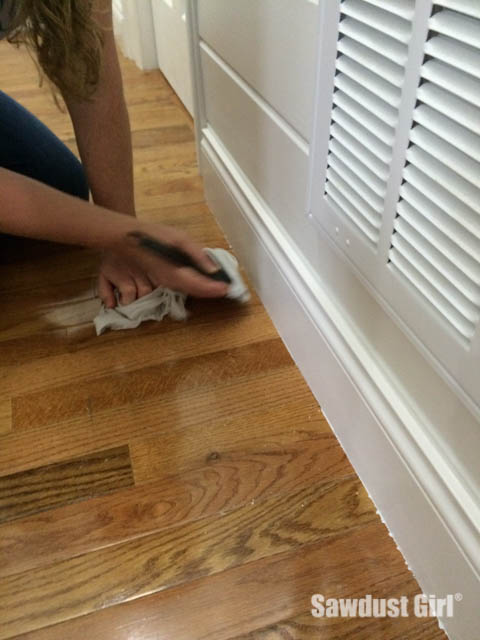
Start with the least aggressive method. Use a plastic putty knife, old credit card, or plastic spatula to gently lift the edge of the dried paint. Hold the tool at a low angle and push under the paint. If it starts to lift easily, continue until all paint is gone.
Tips:
- Work slowly to avoid scratching the wood.
- Wipe away loose paint chips with a damp cloth.
- If paint doesn’t budge, don’t force it—try another method.
2. Use Warm Soapy Water For Water-based Paint
If the paint is latex or acrylic, warm, soapy water can help soften it. Mix a few drops of mild dish soap in a bowl of warm water. Dip a soft cloth or sponge in the solution, wring it out, and place it over the paint spot. Let it sit for 5-10 minutes.
After soaking, try gently scraping with your plastic tool again. Repeat as needed. This works best for thin spots and recent spills.
Non-obvious Insight: Many people rush this step, but letting the cloth sit for a full 10 minutes makes a big difference.
3. Remove Stubborn Paint With Rubbing Alcohol
For paint that doesn’t respond to soapy water, rubbing alcohol is a safe, effective option for latex paint. Apply a small amount to a soft cloth or cotton swab. Dab it onto the paint and let it sit for a few minutes. The alcohol will break down the paint’s bond.
Once the paint softens, gently rub or scrape it away. Wipe the area with a clean, damp cloth to remove any residue.
Practical Tip: Always test rubbing alcohol in a hidden spot first. Some old finishes can dull or discolor.
4. Olive Oil Or Mineral Oil For Delicate Finishes
If you’re worried about damaging your floor’s finish, olive oil or mineral oil can help. Apply a small amount directly to the paint spot. Let it sit for 10-15 minutes.
The oil helps loosen the paint without harming the wood or finish. After soaking, use a plastic scraper to lift the paint. Wipe away any oily residue with a clean, dry cloth.
Non-obvious Insight: This is especially helpful for antique or wax-finished floors where harsh chemicals are risky.
5. Acetone Or Nail Polish Remover For Oil-based Paint
Oil-based paints are tougher to remove. If the above methods don’t work, acetone (found in nail polish remover) can help. Moisten a cotton swab or cloth with acetone and dab it onto the paint. Let it work for a few minutes, then scrape gently.
Warning: Acetone can damage some finishes. Always test in an inconspicuous area first, and use sparingly. Wipe the area with a damp cloth after removing the paint.
6. Commercial Cleaners And Paint Removers
There are products designed specifically for removing paint from wood, like Goo Gone or specialty paint removers. Make sure the product is safe for hardwood floors. Follow the instructions on the label.
Apply a small amount to the paint, let it sit as directed, then wipe or scrape away. Clean the area thoroughly afterward.
Pro Tip: Avoid using generic paint strippers unless they are labeled safe for wood floors. Some products can strip the finish or discolor the wood.
7. Fine Steel Wool For Stubborn Spots
If a tiny bit of paint remains, use 0000 grade steel wool. Wet the steel wool with mineral spirits or oil and gently rub the spot in the direction of the wood grain.
Only use steel wool as a last resort, and never on soft or easily scratched finishes. Clean and buff the area after.
8. Sanding As A Last Resort
If all else fails, light sanding may be necessary. Use extra-fine sandpaper (220 grit or higher) and sand only the paint spot, not the surrounding wood. Wipe away dust with a damp cloth, and touch up with wood finish if needed.
Caution: Sanding removes the finish along with the paint, so you’ll need to refinish the area. Try every other method first.
:max_bytes(150000):strip_icc()/how-to-clean-paint-off-wood-floors-5181299-08-fd00e444af35410da9764e0afe3d70b3.JPG)
Credit: www.thespruce.com
Table: Comparison Of Paint Removal Methods For Hardwood Floors
Here’s a quick guide comparing the main methods for removing dry paint from hardwood:
| Method | Best For | Risk Level | Time Needed | Finish Safety |
|---|---|---|---|---|
| Gentle Scraping | Fresh splatters, thin layers | Low | Quick | Very Safe |
| Soapy Water | Latex/acrylic, recent paint | Very Low | 10-20 min | Very Safe |
| Rubbing Alcohol | Stubborn latex paint | Low | 15-30 min | Safe (with test) |
| Olive/Mineral Oil | Delicate finishes, antiques | Very Low | 15-30 min | Very Safe |
| Acetone | Oil-based paint | Moderate | 15-30 min | Test before use |
| Paint Remover | Heavy, old paint | Varies | 30+ min | Check product label |
| Steel Wool | Tiny stubborn spots | Moderate | Quick | Use with care |
| Sanding | Last resort, thick paint | High | 15-60 min | Removes finish |
Preventing Damage: What Not To Do
Many people make mistakes when trying to remove dry paint from hardwood. Here are some common errors to avoid:
- Don’t use metal scrapers or knives. These can scratch or gouge the wood.
- Don’t pour solvents directly on the floor. Always apply to a cloth or swab first.
- Don’t use harsh chemicals (like paint thinner) without checking. Some can damage the finish or bleach the wood.
- Don’t scrub hard with rough pads or sandpaper. This can dull or remove the finish.
- Don’t ignore residue. Always clean up after using chemicals to prevent long-term damage.
Special Considerations For Different Types Of Hardwood Floors
Not all hardwood floors are the same. Your approach may need to change based on the type of wood and the finish.
Finished Vs. Unfinished Hardwood
- Finished hardwood (sealed with polyurethane or varnish) is more protected but can still be damaged by strong chemicals or rough tools.
- Unfinished hardwood is much more absorbent. Avoid liquids and solvents, as they can stain or warp the wood.
Engineered Vs. Solid Hardwood
- Engineered hardwood has a thin wood layer on top. Be extra gentle—sanding or harsh chemicals can remove the finish or top layer.
- Solid hardwood is thicker and can handle light sanding, but still requires caution.
Waxed Or Oiled Floors
- Waxed floors: Do not use water, alcohol, or acetone. Stick to mineral oil or a product designed for waxed wood.
- Oiled floors: Use oil-based cleaning solutions. Avoid water and strong solvents.
Table: Best Paint Removal Methods By Floor Type
This comparison shows which techniques are safest for different hardwood floor types.
| Floor Type | Safe Methods | Methods to Avoid |
|---|---|---|
| Finished (Polyurethane) | Scraping, soapy water, rubbing alcohol, oil | Strong solvents, sanding (unless last resort) |
| Unfinished | Plastic scraping, minimal oil | Water, alcohol, acetone, paint remover |
| Engineered | Scraping, soapy water, gentle oil | Sanding, harsh chemicals |
| Waxed | Mineral oil, gentle scraping | Water, alcohol, acetone |
| Oiled | Scraping, oil-based cleaners | Water, strong solvents |
Credit: sawdustgirl.com
Handling Large Or Old Paint Spills
If you’re facing a large area of dried paint or a spill that’s been there for months (or even years), patience is key. Here’s how to approach bigger jobs safely:
- Divide the area into sections. Work on one small part at a time to avoid spreading chemicals or damaging more wood.
- Use soaking methods. For water-based paint, lay damp cloths over the paint for longer—up to 30 minutes. For oil-based paint, use oil or acetone as described, but in small areas.
- Repeat as needed. Large spills may require several rounds of soaking and scraping.
- After each section, clean thoroughly. Remove any residue before moving to the next area.
Expert Tip: Trying to rush a big job can lead to mistakes. Take breaks and check your progress often.
What To Do If The Finish Is Damaged
Sometimes, no matter how careful you are, the floor’s finish gets scratched or dulled. Here’s how to handle it:
- Buff the spot. Use a soft, dry cloth to rub the area and restore some shine.
- Apply a matching wood finish or polish. For small spots, a touch-up pen or wood marker can help hide scratches.
- Refinish the area. For larger damage, you may need to lightly sand and re-coat with polyurethane or wax.
If you’re unsure, consult a flooring professional for advice.
How To Prevent Paint Spills On Hardwood Floors
The best way to deal with paint on hardwood is to prevent it in the first place. Here are smart steps for your next painting project:
- Use painter’s tape along edges. This creates a barrier between the floor and the wall or trim you’re painting.
- Lay down canvas or plastic drop cloths. Cover the entire floor area you’re working near, not just the baseboards.
- Clean as you go. Wipe up any fresh drips immediately with a damp cloth.
- Keep a damp cloth nearby. For fast cleanup of any accidents.
- Avoid overloading brushes and rollers. Less paint on your tools means less risk of drips.
Real-world Examples And Mistakes To Avoid
Even careful people make mistakes when trying to remove paint from hardwood. Here are a few true-to-life examples:
- Using paint thinner on a waxed floor: One homeowner tried this and ended up with a large, dull patch that needed professional refinishing.
- Scraping aggressively with a metal tool: This can leave permanent scratches that look worse than the paint spot.
- Ignoring a paint spill for months: Old paint bonds more strongly and can soak into the grain, sometimes requiring expert help.
Non-obvious Insight: Sometimes, using a little patience—like letting oil or water soak for 20 minutes—does more good than any tool or chemical.
Credit: plankandpillow.com
When To Call A Professional
Most small paint spills can be handled at home. However, call a flooring professional if:
- The paint covers a very large area
- The wood is antique or highly valuable
- You’re unsure about the type of finish
- Previous attempts have left visible damage
A professional can assess the situation and use specialized tools to fix the problem with minimal risk.
Additional Resources
For more detailed information about hardwood floor care, check out the National Wood Flooring Association’s tips at WoodFloors.org.
Frequently Asked Questions
How Can I Tell If The Paint Is Water-based Or Oil-based?
Water-based paint (like latex) usually cleans up with water and has a less glossy finish. Oil-based paint is shinier and feels stickier when dried. If you’re not sure, dab a cloth with rubbing alcohol and touch the paint—if it softens, it’s likely water-based.
Will Rubbing Alcohol Damage My Hardwood Floor?
Rubbing alcohol is generally safe for sealed hardwood, but always test in a hidden area first. Some older finishes can discolor or dull with alcohol exposure. Use a soft cloth and avoid soaking the wood.
What If I Accidentally Scratch The Wood While Removing Paint?
If you make a small scratch, buff the area with a soft cloth and apply a wood polish or touch-up marker. For deeper scratches, you may need to lightly sand and re-coat the spot with wood finish.
Can I Use A Hairdryer Or Heat Gun To Soften Dry Paint?
A hairdryer on a low setting can help soften paint, making scraping easier. Be careful not to overheat the wood, as high heat can damage the finish or warp the boards. Never use a heat gun unless you are experienced.
Is It Safe To Use Magic Erasers On Hardwood Floors?
Magic erasers can remove some paint spots, but they are mildly abrasive. Use them only on sealed hardwood and test first in a hidden area. Rub gently to avoid dulling the finish.
Restoring your hardwood floor from a dry paint accident is possible with the right approach and a little patience. By using gentle, proven methods and avoiding common mistakes, you can keep your floor looking beautiful for years to come. If you ever feel unsure, don’t hesitate to seek expert advice—your hardwood floors are worth the extra care.