
Air fryers have become a must-have kitchen tool for people who love quick, crispy meals without the guilt of deep frying. Their promise is simple: less oil, less mess, and delicious results. But to get the best from your air fryer, you need to know more than just “push the button and wait.” There are important rules that help you cook safely, make tastier food, and keep your air fryer working for years. Whether you are a beginner or already have some experience, these 25 rules will help you master your air fryer and avoid common mistakes.
1. Read The Manual First
Every air fryer model is a little different. Before you use your new appliance, take time to read the user manual. It will explain the controls, safety features, and cleaning steps specific to your machine. Skipping this can lead to mistakes, like using the wrong settings or missing important care tips. Many people damage their air fryer simply because they don’t follow the instructions from the start.
You’ll also find helpful information about maximum basket capacity, how to safely remove hot trays, and which parts are dishwasher-safe. Some brands add useful tips for first-time users, such as how to avoid the “new appliance smell” and how to run a “clean cycle” before first use.
Reading the manual doesn’t take long, but it helps you avoid problems that can ruin your air fryer or even void the warranty.
2. Preheat When Needed
Some recipes ask you to preheat your air fryer, just like an oven. Preheating takes only 2-5 minutes, but it can make a big difference, especially for foods that need a crispy outside, like fries or chicken wings. Not all air fryers need preheating, but check your manual and recipe. Preheating helps food cook evenly from the start.
If you skip preheating when it’s required, your food may turn out soggy or may need extra time to cook through. For delicate items, like thin fish fillets or homemade chips, preheating ensures that the surface sears quickly and locks in moisture.
Some air fryers have a “preheat” button, while others require you to run the machine empty for a few minutes. If you’re unsure, err on the side of preheating—especially for recipes where texture matters.
3. Don’t Overcrowd The Basket
Air fryers need hot air to move around the food. If you stack or pack food too tightly, it cooks unevenly—some parts may be raw while others are burnt. Always keep some space between pieces. For example, when making fries, do not fill the basket more than halfway. If you need more food, cook in batches.
Overcrowding is a common mistake, especially when preparing meals for several people. Even if you’re in a rush, remember that stacking food blocks the air. For breaded foods or anything meant to be crisp, overcrowding will lead to disappointment. For example, chicken nuggets touching each other won’t brown properly where they connect.
If you want to cook a big batch, keep food warm in the oven while you finish the rest.
4. Shake Or Flip Food Halfway
To get that golden, even crunch, most foods need to be shaken or turned halfway through cooking. This is especially true for items like fries, nuggets, and vegetables. Open the basket, give it a shake, or use tongs to flip the pieces. This simple step prevents soggy spots and ensures even browning.
Some air fryers beep halfway to remind you to do this. If not, set your own timer. For larger foods, like pork chops or fish fillets, use a spatula or tongs to flip them gently. For fries or vegetable chunks, a quick shake is enough.
If you skip this step, you may find one side too brown and the other not cooked through.
5. Use A Little Oil (but Not Too Much)
One of the main benefits of an air fryer is using less oil. But many foods need a light oil spray to get crispy. Use a spray bottle to mist the food, not the basket. Too much oil can cause smoke and make food greasy. For most recipes, 1-2 teaspoons are enough.
Oiling the food—not the basket—also prevents sticking without harming the non-stick coating. For example, cut potatoes tossed with a teaspoon of oil before air frying will brown and crisp much better. For breaded foods, a quick mist of oil on top right before cooking gives the best color.
If you’re cooking something fatty, like chicken wings, you can often skip the oil altogether.
6. Avoid Aerosol Cooking Sprays
Many store-bought cooking sprays (like PAM) contain chemicals that can damage the air fryer’s non-stick coating. Instead, use a refillable spray bottle with pure oil, such as olive or avocado oil. This protects your basket and keeps your food healthy.
Aerosols often have additives that create a sticky layer, making cleaning harder over time. If you don’t have a spray bottle, dip a paper towel in oil and wipe it over the food or basket. This small change protects your air fryer and avoids weird flavors.
Also, pure oils can handle the high heat of air frying better than most blended cooking sprays.
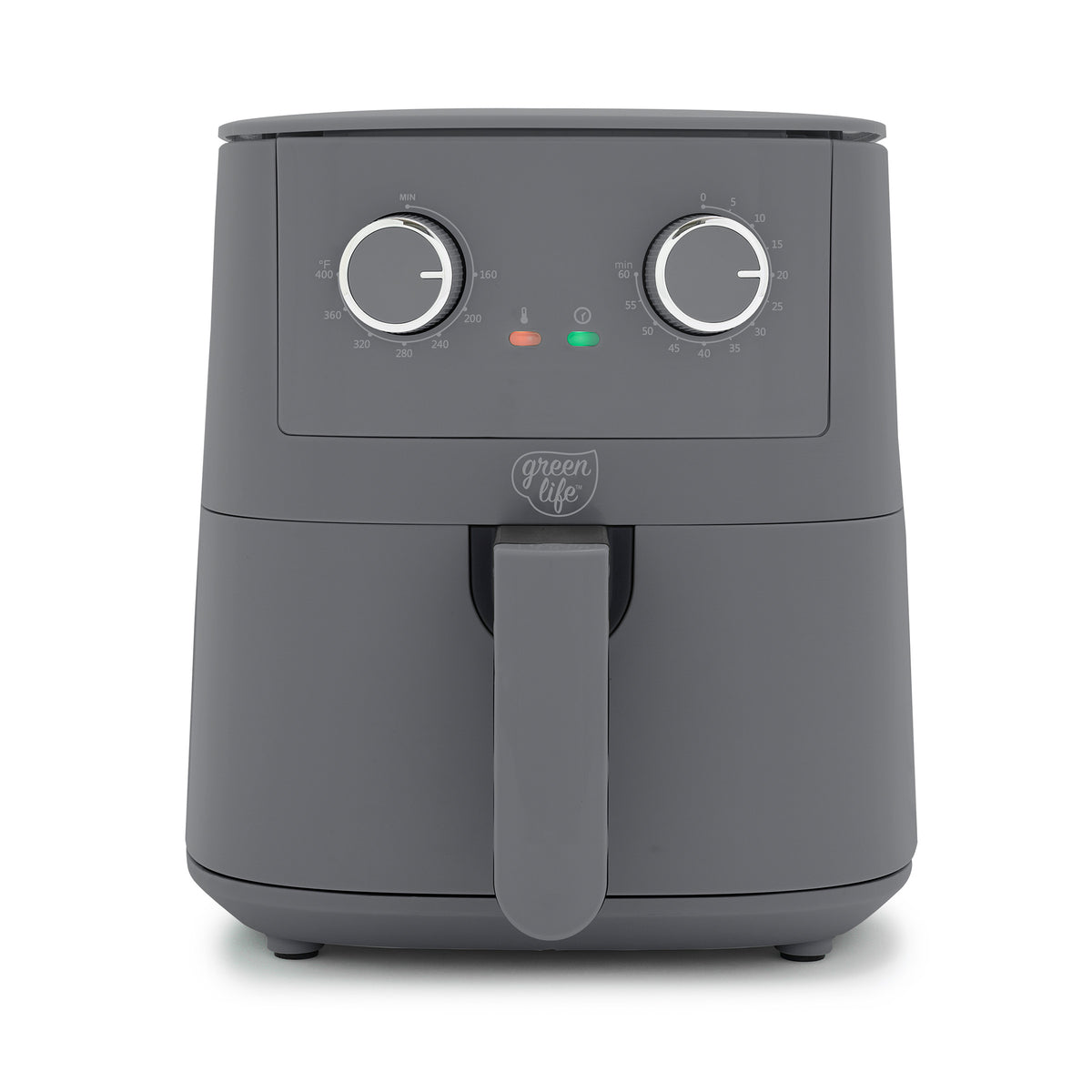
Credit: www.greenpan.us
7. Cut Food Evenly
If you want your food to cook at the same rate, cut items into equal sizes. For example, slice potatoes the same thickness for fries. Uneven pieces mean some will burn while others stay raw. Taking a few extra seconds to cut food evenly saves you a lot of trouble.
Uniform sizes are especially important for proteins like chicken breast or fish, which can dry out if overcooked. For vegetables, try to keep pieces roughly the same, so they finish together. If you’re using a mix, like carrots and zucchini, start with the hardest vegetable first, then add softer ones later in the cooking process.
8. Pat Food Dry Before Cooking
Excess moisture on food can steam it instead of crisping it. After washing vegetables or marinating meat, use a paper towel to dry the surface. This helps the air fryer do its job—making food crunchy, not soggy.
Wet surfaces prevent browning. For example, after rinsing chicken wings, pat them dry before seasoning. The difference is clear: dry wings get crispy, wet wings steam. For marinated foods, let them drain in a colander or on a rack for a few minutes before air frying.
9. Don’t Air Fry Wet Batters
Air fryers are not made for liquid batters like those for tempura or beer-battered fish. The batter will drip off and make a mess. Instead, use dry coatings like breadcrumbs, panko, or seasoned flour for the best results.
If you crave battered foods, try dipping items in flour, egg, and then breadcrumbs for a crunchy crust. Some recipes suggest freezing battered foods for 15 minutes before air frying to help coatings stick. Avoid pouring sauces or liquid batters in the basket, as they’ll burn and create smoke.
10. Watch Cooking Times Closely
Air fryers cook fast. If you follow oven or deep fryer times, you may end up with burnt food. Most air fryer recipes need less time, usually 20-30% shorter than the oven. Start checking your food a few minutes before the recipe says it’s done.
This saves you from overcooking.
For example, chicken tenders that take 20 minutes in an oven may be done in 13-15 minutes in an air fryer. Set a timer for a few minutes less than the recipe calls for and check often. With practice, you’ll develop an instinct for the perfect timing.
11. Use The Right Temperature
Different foods need different temperatures. For example, chicken wings get crispy at 400°F, but delicate fish fillets may need just 350°F. Always follow your recipe’s guidance. If you use too high a temperature, the outside may burn before the inside cooks.
If you want to experiment, start at a lower temperature and increase as needed. For baked goods, a lower temperature helps them rise and cook without burning. For frozen foods, higher heat gives a crispy finish, but always check the inside for doneness.
12. Keep It Clean
Oil and food crumbs build up quickly in the air fryer. Clean the basket and tray after every use, and wipe the inside of the machine weekly. This keeps your food tasting good, prevents smoke, and extends the life of your air fryer. For stubborn grease, soak parts in warm, soapy water before scrubbing.
Don’t forget to clean under the heating element, where crumbs can hide. Use a non-abrasive sponge to avoid scratching surfaces. Some baskets are dishwasher-safe—check your manual. A clean air fryer not only cooks better but also prevents odd smells and fire risk.
13. Do Not Use Parchment Paper Unwisely
Parchment paper can help with sticky or messy foods, but only use it when there’s enough food on top to hold it down. Otherwise, the hot air can blow the paper into the heating element, causing a fire risk. Never preheat your air fryer with parchment paper inside.
If you want to use parchment paper, buy sheets made for air fryers with holes for air flow. Always trim paper to fit your basket and avoid edges sticking up. Parchment is great for cookies, fish, or anything that tends to stick, but only when used safely.
14. Be Careful With Cheese
Melting cheese can drip and burn in the air fryer, making cleanup hard and sometimes causing smoke. If your recipe has cheese, add it near the end of cooking. For items like grilled cheese, use a toothpick to hold the bread closed and keep cheese inside.
For loaded nachos or cheesy toast, cook the base first, then add cheese for just the last few minutes. Watch closely—cheese goes from melted to burnt quickly. If you’re making stuffed items, like jalapeño poppers, freeze them for a few minutes before air frying to keep cheese in place.
15. Don’t Cook Foods With Too Much Fat
Very fatty meats, like some sausages or bacon, can cause the air fryer to smoke because excess fat drips onto the heating element. If you cook fatty foods, empty the grease tray often and keep the area well-ventilated. For best results, choose leaner cuts.
You can also line the bottom of the basket with a thin slice of bread or a silicone mat to catch grease. If your air fryer starts to smoke, pause cooking and check for grease buildup. For bacon, try laying the strips flat and cooking in smaller batches.
16. Use The Right Accessories
Many air fryer brands sell racks, skewers, and baking pans made for their models. These help you cook more food at once or try new recipes, like cakes or kebabs. Only use accessories made for your air fryer’s size, as the wrong ones can block airflow or damage the basket.
Non-stick silicone mats are great for sticky foods, while grill racks let you cook two layers at once. Avoid using metal accessories not made for air fryers, as they may scratch or not fit properly. Always check that accessories are heat-safe and easy to clean.

Credit: instantpot.com
17. Let Food Rest After Cooking
Just like with grilling or baking, letting air-fried food rest for 2-3 minutes after cooking helps juices settle and texture improve. This is especially true for meats and baked goods. Don’t rush to serve—patience makes food taste better.
Resting allows heat to finish cooking the inside gently without drying out the surface. For example, air-fried steak or chicken breast that rests before slicing stays juicier. For baked items, resting helps them set and makes removing them from the basket easier.
18. Avoid Overloading With Wet Marinades
Marinades add flavor, but wet foods can drip and cause splatter. If you marinate meat or vegetables, let them drain well before putting them in the basket. This reduces mess and helps food crisp up properly.
For best results, pat marinated foods dry before adding a dry rub or coating. Too much marinade will drip off and burn, leaving a sticky mess. If you want a saucy finish, brush sauces on in the last few minutes of cooking.
19. Learn Your Air Fryer’s Hot Spots
Most air fryers have hot spots—areas that cook faster than others. Over time, you’ll notice which parts of the basket brown food more quickly. Rotate or rearrange food during cooking to avoid burnt or underdone spots.
Test your air fryer by cooking a tray of bread cubes or marshmallows and see which areas brown first. Knowing your hot spots helps you arrange food for best results. Rotate or swap food positions halfway through longer cooking times.
20. Don’t Ignore The Smell
If you smell burning, smoke, or plastic, stop the air fryer right away. Burning food can happen if crumbs are left from earlier meals or if the machine is overloaded. A plastic smell could mean a new air fryer is still burning off manufacturing residue, which usually fades after a few uses. Always check before restarting.
If the smell doesn’t go away, clean the basket and tray carefully and let the air fryer run empty for a few minutes before using it again. Never ignore strong odors—they may signal a problem that could damage your appliance or ruin your food.
21. Check Food For Doneness
Air fryers can cook food quickly, but don’t trust looks alone. Use a food thermometer for meats, especially chicken and pork, to be sure they reach safe temperatures. For chicken, 165°F is the minimum. This small step prevents food poisoning.
Even if food looks golden on the outside, it may be undercooked inside, especially for thick pieces. For cakes or breads, insert a toothpick in the center to check for doneness. Safe cooking means checking, not guessing.
22. Store The Air Fryer Properly
Let your air fryer cool completely before storing it. Wrap the cord loosely and keep it in a dry place. Storing it while still wet or hot can damage the machine and reduce its lifespan.
If you have a small kitchen, consider storing accessories inside the basket. Always unplug the air fryer before moving or cleaning. Careful storage keeps your air fryer safe and ready for the next meal.
23. Try Reheating Leftovers
Air fryers are great for reheating pizza, fries, or fried chicken. They keep things crispy, unlike microwaves. Use a lower temperature (300°F) for 3-5 minutes to warm food without burning it.
Leftover spring rolls, samosas, or breaded fish regain their crunch in the air fryer. For best results, spread leftovers in a single layer. If food starts to dry out, add a tiny mist of oil before reheating.
24. Do Not Block The Air Vents
Air fryers push out hot air as they cook. Always keep the air vents clear, and don’t place the machine against a wall. Blocking vents can cause overheating and damage the machine. Leave at least 5 inches of space around your air fryer.
Check for dust or grease buildup on vents and clean them regularly. Good airflow keeps the motor cool and helps cook food evenly. If your air fryer has a rear vent, avoid placing it near curtains or anything that could block hot air.
25. Experiment, But Keep Notes
Every air fryer cooks a bit differently. Try new recipes, but write down times and temperatures that work well for your model. This way, you’ll create your own recipe book and get perfect results every time.
Jot down what worked and what didn’t—cooking times for your favorite snacks, the best temperature for fish, or which accessories fit your basket. Over time, these notes save you time and prevent repeating mistakes. Personal experience is the best teacher for mastering your air fryer.
Air Fryer Cooking Times: Quick Reference
Cooking times can be confusing, especially for beginners. Here is a comparison of common foods and their suggested air fryer times and temperatures. This can help you avoid overcooking or undercooking your meals.
| Food | Temperature (°F) | Time (minutes) | Tip |
|---|---|---|---|
| French Fries (fresh) | 400 | 15-20 | Shake halfway |
| Chicken Wings | 400 | 20-25 | Flip once |
| Salmon Fillets | 350 | 8-12 | Check early |
| Vegetables (mixed) | 375 | 12-15 | Spray oil lightly |
| Frozen Nuggets | 400 | 10-12 | No oil needed |
These are starting points. Your air fryer’s power, basket size, and personal taste may change the perfect timing. Always check food a few minutes early until you learn what works best for your model.
.png?v=1768625629860&options=w_870,h_700)
Credit: www.greenpan.us
Comparing Air Fryer Vs. Deep Fryer
Many people wonder how air frying stacks up against traditional deep frying. Here’s a side-by-side look at the key differences:
| Feature | Air Fryer | Deep Fryer |
|---|---|---|
| Oil Needed | 1-2 tsp (often optional) | 2-4 cups (mandatory) |
| Calories in Finished Food | Lower | Higher |
| Cleanup | Easy | Messy |
| Smell | Minimal | Strong |
| Cooking Time | Faster or similar | Faster or similar |
| Texture | Crispy, but lighter | Very crispy, heavier |
While deep fryers make classic crispy food, air fryers offer a lighter, healthier result with much less oil and hassle. The air fryer’s lighter texture is perfect for everyday meals, while deep frying is best saved for special occasions.
Air Fryer Accessories: Which Are Worth It?
Not every accessory is useful for everyone. Here’s a quick look at some popular add-ons and when they make sense:
| Accessory | Usefulness | When to Buy |
|---|---|---|
| Baking Pan | Great for cakes, casseroles | If you bake often |
| Grill Rack | Can cook more at once | For families, batch cooking |
| Skewers | Perfect for kebabs | If you grill meat/veggies |
| Silicone Mat | Keeps basket clean | If you cook sticky foods |
Accessory sets are popular but buy only what you’ll use. For example, if you only reheat fries and chicken, you don’t need extra pans. But if you love baking or grilling, these extras expand your air fryer’s abilities.
Two Insights Most Beginners Miss
- Air fryers are not zero-oil cookers. Many people believe you never need oil. In reality, using a small amount of oil is the secret to a crispy, golden finish. Skip the oil, and your food may taste dry or rubbery. Even vegetables benefit from a tiny oil mist.
- Recipes are just starting points. Your air fryer’s size, wattage, and basket shape all change how food cooks. If your meal isn’t coming out right, adjust temperature or time by small amounts. Keep notes so you don’t repeat mistakes. Don’t be afraid to tweak your process—personal adjustments make all the difference.
Another tip: Preheating and keeping food spaced out are both easy to forget but make a huge difference in results.
Frequently Asked Questions
How Do I Stop My Air Fryer From Smoking?
Smoking often happens when cooking fatty foods and the grease hits the heating element. To reduce smoke, empty the drip tray often, use less oil, and avoid overcrowding. For extra fatty foods, place a small piece of bread under the basket to soak up drips.
Can I Cook Frozen Food In An Air Fryer?
Yes, you can air fry frozen nuggets, fries, and vegetables directly from the freezer. Add 2-4 minutes to the normal cooking time and shake or flip halfway for even results. No need to defrost first.
Why Does My Food Turn Out Soggy?
Soggy food is usually caused by overcrowding or not drying food before cooking. Always leave space for air to circulate, use a little oil, and pat ingredients dry before starting.
Is It Safe To Air Fry Raw Meat?
It’s safe to air fry raw meat if you check the internal temperature. Use a thermometer to ensure chicken and pork reach 165°F and beef reaches at least 145°F. Don’t guess—checking keeps you safe.
Where Can I Find More Air Fryer Recipes And Tips?
For more recipes and in-depth guidance, visit Consumer Reports. They review models and share tips for every skill level.
Air fryers make home cooking easier, faster, and healthier. By following these 25 rules, you avoid common mistakes and get the best results every time. With a little practice and curiosity, your air fryer can become the most reliable tool in your kitchen.
Happy cooking!