
Gas stoves are the heart of many kitchens. They make cooking fast and easy. But over time, the grates on your gas stove can collect grease, burned food, and stubborn stains. Cleaning gas stove grates is more than just about good looks—it’s about safety and better cooking.
Dirty grates can cause uneven heating and even bad smells. But the idea of scrubbing thick, baked-on messes can feel overwhelming. The good news? With the right approach, even the toughest grime can be removed, and your grates can look nearly new again.
If you’ve ever wondered how professionals clean gas stove grates or why your cleaning efforts don’t seem to work, you’re not alone. There are tricks, tools, and products that make a big difference. This guide will show you step-by-step methods, practical tips, and answers to common questions.
Whether your grates are made of cast iron, steel, or coated with enamel, you’ll learn how to clean them safely and thoroughly.
Why Clean Gas Stove Grates Regularly?
It’s easy to ignore dirty stove grates. After all, they’re just for holding pots, right? But the reality is, keeping gas stove grates clean brings multiple benefits:
- Better heating: Clean grates allow even heat flow to your pans.
- Improved taste: Old food and grease can burn, creating bad smells and flavors.
- Longer life: Dirt and burnt food can damage the grate’s surface over time.
- Safer cooking: Built-up grease can increase the risk of fire.
Most people don’t realize that grease buildup is a fire hazard. According to the National Fire Protection Association, cooking equipment is a leading cause of house fires in the United States. Regular cleaning reduces this risk and keeps your kitchen healthier.
Types Of Gas Stove Grates And Why It Matters
Not all grates are made the same. Understanding your grate type helps you choose the best cleaning method.
Cast Iron Grates
These are heavy, durable, and often uncoated. They need gentle cleaning, as harsh scrubbing can damage the surface.
Enamel-coated Grates
These have a shiny surface that resists rust. You can use stronger cleaners, but avoid anything that scratches.
Steel Grates
Lighter and sometimes chrome-coated, steel grates clean up quickly but can rust if left wet.
Why Material Matters
Each type reacts differently to cleaning products and scrubbing methods. For example, steel wool can scratch enamel, and soaking cast iron too long can cause rust. Always check your stove’s manual if you’re not sure.
Preparing To Clean: What You Need
Before starting, gather all your supplies. Having everything ready saves time and prevents mistakes.
You will need:
- Dish soap (degreasing type works best)
- Baking soda
- White vinegar
- Non-abrasive scrubbing pads or sponges
- Old toothbrush or soft brush
- Rubber gloves
- Plastic bag (large, sealable)
- Ammonia (optional, for heavy-duty cleaning)
- Old towels or rags
- Bucket or sink for soaking
Some people like using commercial stove cleaners. These can be effective but may have strong fumes. Always read the instructions and open a window when using chemicals.
Safety Tips Before Cleaning
Safety matters when working with gas stove grates:
- Turn off the gas: Make sure all burners are off and cool.
- Disconnect if possible: If your grates are connected to burners, check your manual for safe removal.
- Ventilate: Open a window if using strong cleaners or ammonia.
- Wear gloves: Protect your hands from grease and chemicals.
An often-missed tip: Place a towel under your workspace to catch drips and crumbs.

Credit: www.thekitchn.com
Step-by-step: How To Clean Gas Stove Grates
Cleaning grates can be simple or require more effort, depending on the mess. Here’s a complete process, from basic to deep cleaning.
1. Basic Daily Cleaning
For light dirt or after each use:
- Remove grates from the stove.
- Fill your sink with hot water and add a few drops of dish soap.
- Soak the grates for 10-15 minutes.
- Scrub with a sponge or soft brush.
- Rinse and dry thoroughly before putting them back.
Tip: Drying is important to prevent rust, especially for cast iron grates.
2. Removing Tough Grease And Burnt-on Food
If grates are greasy or have stuck food:
- Make a paste with baking soda and water (about 3 parts baking soda to 1 part water).
- Spread the paste on grates, especially on tough spots.
- Let it sit for 20-30 minutes.
- Scrub with a non-abrasive pad or toothbrush.
- Rinse with warm water.
Baking soda acts as a gentle abrasive and helps lift off stubborn grime without scratching.
3. Deep Cleaning With Soaking
For heavy buildup:
- Fill a sink or bucket with very hot water and dish soap.
- Submerge grates completely and let them soak for at least 1 hour (overnight for tough stains).
- Use a brush to scrub away loosened dirt.
- Rinse and dry.
A hidden trick: Add half a cup of white vinegar to the soak. This helps cut through grease faster.
4. Heavy-duty Cleaning With Ammonia
If nothing else works, ammonia can clean even the dirtiest grates. Use this method with care:
- Place each grate in a large zip-top plastic bag.
- Add about ¼ cup of ammonia.
- Seal the bag and leave it outside (not in your kitchen) overnight.
- Ammonia fumes will loosen all grime.
- Open the bag in a well-ventilated area, remove the grate, and rinse thoroughly with hot water.
Never mix ammonia with other cleaners. The fumes are strong, so avoid breathing them in.
5. Cleaning Grates With Enamel Coating
For enamel-coated grates, avoid harsh scrubbers:
- Use the baking soda paste or dish soap and water.
- Soak and gently scrub.
- If needed, use a little vinegar but rinse well.
6. Rust Removal For Cast Iron Grates
If your cast iron grates have rust:
- Scrub the rusty area with a steel wool pad (only if uncoated).
- Rinse and dry completely.
- Rub a thin layer of vegetable oil on the surface to protect from more rust.
Some people forget the oil step, but it prevents future rust and keeps your grates looking good.
Comparing Cleaning Methods: Speed, Cost, And Effectiveness
Not sure which cleaning method is best for your situation? Here’s a simple comparison:
| Method | Time Required | Cost | Effectiveness | Safe for All Grates? |
|---|---|---|---|---|
| Daily Soapy Water | 15–20 min | Low | Good for light dirt | Yes |
| Baking Soda Paste | 30–45 min | Low | Very good for moderate grime | Yes |
| Vinegar Soak | 1–2 hours | Low | Great for grease | Yes (rinse well) |
| Ammonia Bag | 8–12 hours | Medium | Excellent for heavy buildup | No (avoid for coated grates) |
| Commercial Cleaner | 30–60 min | Medium–High | Varies by product | Check label |
Mistakes People Make When Cleaning Stove Grates
Many people unknowingly damage their stove grates or waste time because of these common errors:
- Using metal scouring pads on enamel: This scratches the surface, making future cleaning harder.
- Not rinsing off cleaners: Leftover soap or chemicals can burn when cooking, creating fumes.
- Skipping drying: Wet grates, especially cast iron, will rust.
- Using bleach: Bleach can weaken metal and leave dangerous residues.
- Leaving grates in ammonia too long: This can affect color or cause pitting.
Some beginners think more scrubbing means better cleaning. In truth, soaking and using the right cleaner saves effort and protects your grates.
How Often Should You Clean Gas Stove Grates?
How frequently you clean depends on how much you cook:
- Light cooking (1–2 times a week): Clean once a month.
- Regular cooking (3–5 times a week): Clean every 1–2 weeks.
- Heavy use (daily or messy dishes): Wipe after each use, deep clean weekly.
If you spill something sticky or greasy, clean it as soon as possible. Old spills become harder to remove and can attract bugs.
Alternative Cleaning Solutions
Some people prefer natural or eco-friendly solutions. Here are a few that work well:
Lemon Juice
Lemon is a natural degreaser and deodorizer. Mix lemon juice with baking soda for a fragrant cleaning paste.
Hydrogen Peroxide And Baking Soda
For stubborn stains, sprinkle baking soda on the grate and spray with hydrogen peroxide. Let it foam, then scrub after 10 minutes.
Commercial Degreasers
Products like Krud Kutter or Simple Green are strong but safer than oven cleaners. Always check if they’re safe for your grate type.
Steam Cleaning
If you own a handheld steam cleaner, it can loosen burned food quickly. Just be careful with enamel, as sudden temperature changes might crack the coating.
Caring For Your Grates After Cleaning
Proper care helps your grates stay clean longer and avoid damage.
- Dry completely: Use a towel or air dry before placing grates back.
- Apply oil to cast iron: A thin oil layer prevents rust.
- Avoid harsh scrubbing: Gentle cleaning is better for coatings.
- Check for cracks or chips: Damaged grates can break during cooking.
A tip many skip: Every few months, check the burner heads under the grates. Clean them if needed to prevent uneven flames.
Stove Grate Cleaning: Diy Vs Professional Services
Some people hire professionals to clean their stoves, especially for very dirty grates. But is it worth it? Here’s a comparison.
| Factor | DIY Cleaning | Professional Service |
|---|---|---|
| Cost | Low (under $10) | High ($50–$150+) |
| Time | 1–2 hours (hands-on) | 30–60 min (service time) |
| Results | Very good if done carefully | Professional, deep clean |
| Convenience | Have to do it yourself | No effort, but must schedule |
| Risks | Possible damage if not careful | Insured and experienced |
Most homeowners find DIY cleaning is enough if done regularly. For very old, greasy grates, a professional may save time and restore appearance.
How To Keep Grates Clean Longer
After you’ve cleaned your stove grates, you’ll want them to stay clean. Here’s how:
- Wipe after every use: A quick wipe with a damp cloth removes fresh spills.
- Use burner liners: These catch drips before they reach the grates.
- Cook with lids when possible: This reduces splatter.
- Clean up spills quickly: Don’t let food bake on.
- Inspect grates weekly: Spot clean any sticky areas.
An insight many overlook: High heat can bake on oils and make them harder to remove. Cooking at medium heat reduces sticky messes.
:max_bytes(150000):strip_icc()/how-to-clean-stove-grates-5217124-Hero-ea5edbb2253d4b22b6eb52e2a3d04824.jpg)
Credit: www.thespruce.com
When To Replace Gas Stove Grates
No matter how well you clean, grates don’t last forever. Replace your stove grates if you notice:
- Deep cracks or warping
- Large areas of rust that don’t scrub off
- Broken or missing coating
- Grates no longer sit flat
Using damaged grates is risky. They can break during cooking, causing spills or burns. Replacement grates are available from most stove brands.
Environmental Impact Of Cleaning Products
Many cleaners contain chemicals that can harm the environment. If you want a greener kitchen:
- Use baking soda and vinegar instead of harsh chemicals.
- Avoid products with phosphates or bleach.
- Dispose of ammonia and other chemicals properly—never down the drain.
For more eco-friendly cleaning tips, check the EPA Safer Choice program for approved products.
Real-life Examples: Cleaning Success Stories
Let’s look at two quick examples:
Maria’s Cast Iron Grates: Maria cooks daily and noticed black stains and a greasy feel. She tried dish soap but it didn’t work. So, she made a baking soda paste and let it sit overnight. The next morning, with a soft brush, most stains were gone. For a few tough spots, she used vinegar and saw fizzing action lift the grime.
Sam’s Enamel Grates: Sam’s grates had burnt sugar from a holiday meal. He used a commercial degreaser but it left a sticky feel. He then soaked his grates in hot water and baking soda, gently scrubbing with a sponge. The grates came out clean, and he learned not to use strong chemicals on enamel next time.
Maintenance Tips For Busy Cooks
If you have little time, here’s how to keep your grates in shape:
- Keep a spray bottle of vinegar under the sink for quick cleaning.
- Use a toothbrush to reach corners and under the grate.
- Clean one grate at a time during busy weeks—no need to do all at once.
- Let grates soak while you clean other parts of the kitchen.
A tip many busy cooks miss: Even five minutes a week prevents long cleaning sessions later.
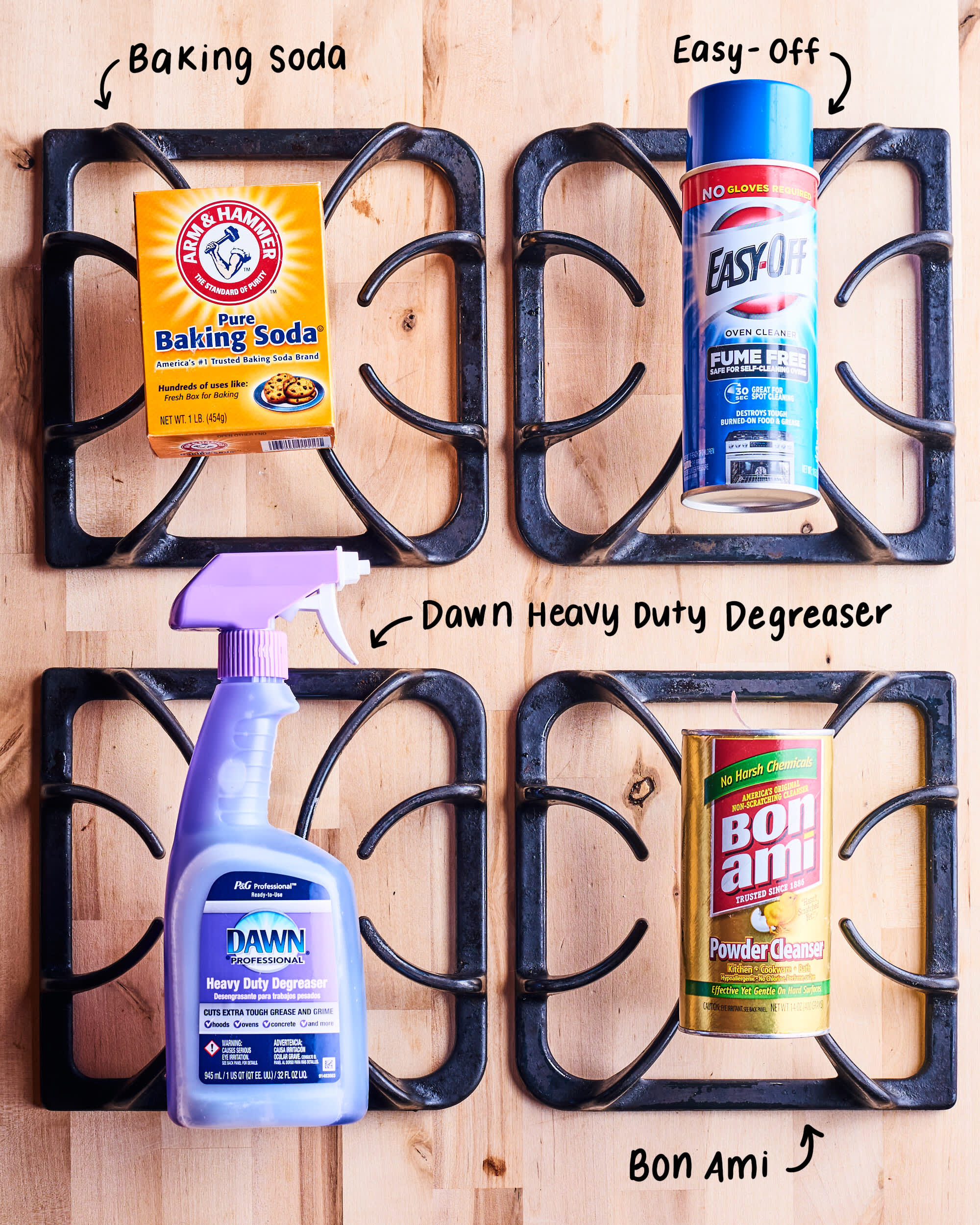
Credit: www.thekitchn.com
Signs Your Cleaning Method Is Not Working
How Do You Know If You Need A New Approach?
- Grates stay sticky even after scrubbing.
- Black marks transfer to pots and pans.
- Grates smell bad when heated.
- Rust returns quickly after cleaning.
If you see these signs, try soaking longer, using a different cleaner, or switching to a soft brush instead of a sponge.
Frequently Asked Questions
Why Do My Gas Stove Grates Get Dirty So Fast?
Grease, food spills, and heat combine to create sticky, baked-on messes. Cooking with oil or high heat causes more buildup. Wiping grates after each use slows down how fast they get dirty.
Can I Put My Gas Stove Grates In The Dishwasher?
Some enamel-coated grates are dishwasher safe, but many manufacturers do not recommend it. High heat and harsh detergents can damage the coating or make grates rust. Always check your stove’s manual.
What Should I Do If My Grates Are Rusty?
Scrub off loose rust with a steel wool pad (for uncoated cast iron). Dry completely and rub with a little vegetable oil. If rust returns often, your grates may need replacement.
Is Ammonia Safe For All Stove Grates?
Ammonia works well for uncoated and some steel grates, but can damage enamel or painted surfaces. Always use in a well-ventilated area and never mix with other cleaners. Rinse grates thoroughly.
How Can I Make Cleaning Gas Stove Grates Easier?
Clean up spills quickly, wipe grates weekly, and soak them regularly. Using liners and lower cooking temperatures can also reduce mess. Always dry grates well after cleaning.
Gas stove grates can look tough to clean, but with the right steps, tools, and a little patience, you can keep them in top shape. Regular care not only makes your kitchen look better but also keeps your food tasting great and your cooking safe.
Remember, the best cleaning method is the one that fits your stove type and your lifestyle.