
Flattening a table top can turn a rough, uneven surface into a beautiful, smooth, and usable piece of furniture. Whether you are restoring an old dining table, building a new coffee table, or repairing a workbench, knowing how to flatten a table top is an essential woodworking skill.
Uneven table tops can lead to wobbly glasses, difficult writing surfaces, and an unattractive finish. Yet, many people feel intimidated by the process, especially when facing warped, cupped, or twisted wood. The truth is, with the right tools, knowledge, and patience, anyone can flatten a table top at home.
This guide will walk you through every step—from understanding why tables warp, to choosing tools, to advanced flattening techniques. You’ll get practical tips, learn about common mistakes, and discover insights that most beginners miss. By the end, you’ll feel confident to tackle your own project and achieve a professional-looking result.
Why Table Tops Become Uneven
Before you start flattening, it’s helpful to know what causes a table top to warp or become uneven. Wood is a natural material. It expands and contracts with changes in humidity and temperature. The main issues you’ll see are:
- Cupping: The board curves across the width, forming a shallow “U” shape.
- Bow or Crown: The board bends along its length.
- Twist (Wind): One corner of the board is higher than the opposite, creating a twisted surface.
Other causes include poor storage, not sealing both sides of the wood, or building with wood that is too wet or too dry. Even the way boards are glued together can affect flatness over time.
Understanding these issues helps you choose the best flattening method. For example, a cupped board may need a different approach than a twisted one.
Tools And Materials Needed
Flattening a table top can be done with hand tools, power tools, or a mix of both. Your choice depends on the size of the table, your budget, and the finish quality you want.
Here are the main tools and materials:
- Hand Planes: A No. 5 or No. 6 jack plane for rough flattening, and a No. 7 or No. 8 jointer plane for final smoothing.
- Random Orbital Sander: For removing tool marks and fine sanding.
- Belt Sander: Useful for aggressive material removal on large tables.
- Router and Sled (Router Flattening Jig): For very uneven or large surfaces.
- Scrapers: For removing small high spots.
- Clamps: To hold the table top steady while you work.
- Straightedge or Winding Sticks: For checking flatness.
- Moisture Meter: To check wood moisture content.
- Dust Mask and Hearing Protection: For safety.
- Vacuum or Shop Vac: To keep the workspace clean.
You don’t need every tool on this list, but the right combination makes the job easier and the results better.
Preparing The Table Top
A good result starts with preparation. Skipping this step can ruin your work later.
- Remove hardware: Take off legs, brackets, or any metal parts.
- Clean the surface: Remove dirt, glue, or finish with a scraper or sandpaper.
- Check moisture content: Wood should be at 6-8% moisture for indoor furniture. Too wet or too dry wood will warp again after flattening.
- Mark high and low spots: Use a pencil to shade the surface, then run a straightedge across. Where the pencil stays, the surface is low; where it disappears, it’s high.
Pro tip: Many beginners forget to check the table top for nails or screws before starting. Hitting metal with a plane or router bit can damage your tool and the table.
Methods For Flattening A Table Top
There are several ways to flatten a table top. The best method depends on your tools, the table size, and how uneven the surface is.
Hand Plane Method
Using a hand plane is a classic technique. It requires patience and skill but gives beautiful results.
- Secure the table: Clamp it to a sturdy workbench.
- Set your plane for a light cut: Start with a jack plane for rough flattening.
- Plane across the grain: This removes high spots quickly. Work in diagonal passes.
- Check often: Use winding sticks and a straightedge to monitor progress.
- Switch to a jointer plane: For finer cuts and long, smooth strokes.
- Final passes with the grain: For a smooth finish.
Beginner insight: Don’t try to remove all the material at once. Many new woodworkers take too deep a cut and end up with gouges.
Power Sander Method
A belt sander or random orbital sander can help, especially for small bumps.
- Start with coarse grit (40-60): Move evenly, keeping the sander flat.
- Mark the surface: Pencil lines help you see what’s left to sand.
- Progress to finer grits: 80, 120, then 180 for final smoothing.
- Vacuum between grits: Remove dust for a cleaner finish.
Common mistake: Pushing down hard on the sander. Let the tool’s weight do the work to avoid dips.
Router Sled (flattening Jig) Method
For very warped or large table tops, a router sled is the most accurate method.
- Build or buy a sled: This holds your router above the table on rails.
- Secure the table: Level the top on a stable surface.
- Use a flattening bit: Move the router in overlapping passes.
- Check depth often: Don’t remove too much at once.
- Sand after routing: To remove tool marks.
Advanced tip: Dust collection is critical. Router flattening makes a lot of chips and fine dust.
Planing Machine (thickness Planer)
If your table top is small enough and you have access to a thickness planer, this can save time.
- Flatten one face first: Use a hand plane or jointer.
- Run through the planer: Flatten the other side.
- Alternate faces: This prevents removing too much from one side.
Most home planers can’t handle wide table tops, so this method is less common for large pieces.
Checking Flatness
No matter which method you use, checking your work is key.
- Winding sticks: Place these on opposite sides of the table to check for twist.
- Straightedge: Move it across the surface in different directions.
- Light test: Shine a light behind the straightedge; gaps show low spots.
- Feel with your hand: Sometimes your fingers catch bumps your eyes miss.
Real-world example: Furniture makers often use a combination of tools—planing first, then sanding for final smoothness.
Table: Comparing Flattening Methods
Below is a comparison of the main methods for flattening a table top:
| Method | Best For | Skill Level | Time Required | Finish Quality |
|---|---|---|---|---|
| Hand Plane | Small/medium tables, fine work | Intermediate/Advanced | High | Excellent |
| Power Sander | Minor unevenness | Beginner | Medium | Good |
| Router Sled | Very warped/large tables | Intermediate | High | Excellent |
| Thickness Planer | Small, manageable tops | Beginner/Intermediate | Low | Very Good |
:max_bytes(150000):strip_icc()/102763564-8c4484bb717c4b9d9cbd2e1f12e112f0.jpg)
Credit: www.woodmagazine.com
Dealing With Severe Warping Or Damage
Sometimes, the table top is too damaged for basic flattening. Deep warps, cracks, or cupping may need extra steps.
Removing And Regluing Boards
If the table top is made of several boards, you may need to:
- Cut apart the boards: Use a track saw or circular saw.
- Joint the edges: Make sure each edge is perfectly straight.
- Re-glue the boards: Clamp tightly, let cure.
- Flatten the whole top again: As above.
This is more work but saves a beautiful piece from the trash.
Filling Cracks And Voids
Some cracks can be filled rather than cut out.
- Epoxy resin: Fills gaps and stabilizes the wood.
- Wood filler: Good for small cracks.
- Matching sawdust and glue: For invisible repairs.
Pro insight: Never try to flatten a severely cracked table top without stabilizing the cracks first. The cracks can grow or ruin your tools.
How To Avoid Common Mistakes
Flattening a table top can go wrong if you miss key details. Here are common mistakes and how to avoid them:
- Skipping moisture check: Flattening wood that’s too wet or dry leads to future warping. Use a moisture meter.
- Ignoring grain direction: Planing against the grain causes tear-out. Always pay attention to the wood’s “feel.”
- Rushing the process: Removing too much at once can create dips or a thin, weak table.
- Not checking flatness often: Small mistakes compound. Check with every few passes.
- Forgetting to support the table: A wobbly table moves, causing uneven results.
- Using dull tools: Sharp blades and sandpaper give cleaner, safer results.
- Neglecting safety: Wear a dust mask, goggles, and hearing protection.
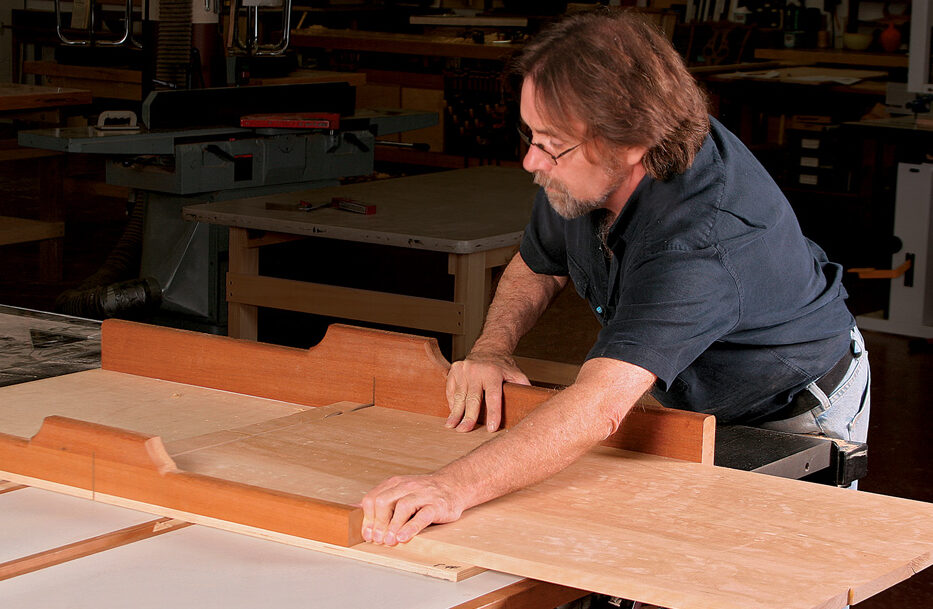
Credit: www.finewoodworking.com
Sanding And Preparing For Finish
Once the table top is flat, sanding prepares the surface for stain, paint, or clear finish.
- Start coarse, finish fine: Move from 80 grit up to 180 or 220 grit sandpaper.
- Sand with the grain: This avoids visible scratches.
- Vacuum between grits: Keeps abrasive dust from scratching the wood.
- Raise the grain: Wipe with a damp cloth, let dry, then sand lightly with fine grit. This prevents roughness after finishing.
Extra tip: Always inspect in bright light. Swirl marks or scratches are easier to fix before finishing.
Table: Sandpaper Grits And Their Uses
Choosing the right sandpaper grit is crucial for a smooth finish.
| Grit | Use | Result |
|---|---|---|
| 40-60 | Heavy material removal | Removes rough spots, tool marks |
| 80-100 | General smoothing | Prepares for finer sanding |
| 120-150 | Pre-finish sanding | Smooths surface |
| 180-220 | Final sanding | Ready for finish |
Finishing The Table Top
A flat table top deserves a good finish. This protects the wood and brings out its beauty.
Choosing A Finish
- Polyurethane: Durable, water-resistant, and available in gloss, semi-gloss, and satin.
- Oil finish: Penetrates the wood, gives a natural look.
- Varnish: Good for outdoor tables; resists moisture.
- Lacquer: Fast-drying, high-gloss finish.
Application Tips
- Read the label: Follow the manufacturer’s instructions.
- Apply thin coats: Thick coats can run or bubble.
- Sand lightly between coats: With 320-grit or finer sandpaper.
- Let cure fully: Don’t rush; the finish gets harder over several days.
Non-obvious insight: Always finish the underside of the table top, even if it won’t be seen. This balances moisture movement and keeps the top flat over time.
Maintenance To Keep Your Table Flat
Flattening is only the start. Proper maintenance keeps your table top flat for years.
- Control humidity: Use a dehumidifier in damp areas; avoid placing the table near radiators or air conditioners.
- Use coasters and placemats: Prevent moisture rings and heat damage.
- Clean with a damp cloth, not soaking wet: Standing water causes swelling.
- Inspect regularly: Tighten screws and check for movement.
Expert tip: Store your table top flat or upright, never leaning at an angle, if you need to move it for storage.
Table: Do’s And Don’ts For Table Top Care
Proper care is essential. Here’s a quick reference for what to do and avoid.
| Do | Don’t |
|---|---|
| Keep humidity stable | Expose to direct sunlight for long periods |
| Finish both sides | Leave spills to soak in |
| Use felt pads under objects | Place hot pans directly on wood |
| Clean with mild soap | Use abrasive cleaners |
When To Seek Professional Help
Some table tops are beyond DIY repair, especially valuable antiques or those with major structural damage. If you find:
- Deep splits through the entire thickness
- Severe twisting that won’t flatten
- Historical or sentimental value
It’s best to contact a professional woodworker or restorer. They have the experience and tools to save your table without risking more damage.

Credit: www.reddit.com
Advanced Techniques: Flattening With Minimal Thickness Loss
One fear when flattening is removing too much wood. Here are techniques for flattening while keeping the table thick and strong:
- Spot flattening: Only remove high spots, not the whole surface.
- Inlay or patch repair: Fill deep voids with matching wood or epoxy instead of sanding down the whole surface.
- Steam bending: For mild cupping, clamping and steaming may flatten the wood without much material loss.
Non-obvious insight: For very large tables, it’s sometimes better to accept a tiny amount of unevenness than to weaken the table by removing too much wood.
Real-world Example: Flattening A Warped Dining Table
Let’s look at a practical example. Suppose you have a 6-foot-long oak dining table that has cupped and twisted slightly over time.
- Assessment: Using winding sticks, you see a 1/8-inch twist from corner to corner.
- Preparation: Remove the legs, check for hidden screws, and clean the surface.
- Method: Build a simple router sled from scrap plywood and 2x4s. Secure the table on sawhorses and shim until stable.
- Flattening: Use a 1-1/2-inch router bit. Take shallow passes, checking often.
- Sanding: Start with 80 grit on a random orbital sander, then move to 120 and finish with 180.
- Finishing: Apply three thin coats of polyurethane, sanding lightly between coats.
- Result: The table is flat, smooth, and ready for family meals for years to come.
Frequently Asked Questions
How Flat Does A Table Top Need To Be?
For most uses, a table top should be flat within 1/16 inch across its width and length. For fine woodworking or writing tables, strive for even less—about 1/32 inch. Small dips or rises are usually not noticeable in daily use.
Can I Flatten A Table Top Without Power Tools?
Yes, you can. A sharp hand plane and patience are all you need. Clamp the table well and use winding sticks and a straightedge to check your progress. Hand planing is quiet, satisfying, and gives a beautiful finish, but it takes more time and skill.
Why Does My Table Top Keep Warping After Flattening?
Wood moves with changes in humidity. If you only finish one side, or if your home’s humidity swings wildly, the table may warp again. Always finish both sides and keep the table in a climate-controlled area. Check wood moisture before flattening; it should be 6-8% for indoor tables.
What Is The Best Finish For A Kitchen Table Top?
Polyurethane is a top choice for kitchen tables. It’s durable, water-resistant, and easy to clean. Choose a food-safe version if you prepare food directly on the surface. Oil finishes look beautiful but need more frequent maintenance.
Where Can I Learn More About Flattening And Woodworking?
There are many online guides and videos on woodworking. A trusted resource is Wikipedia’s woodworking article, which covers tools, techniques, and safety in detail.
Flattening a table top may seem challenging, but with careful steps and attention to detail, you can restore or build a table that looks stunning and lasts for years. The satisfaction of running your hand over a perfectly smooth, flat surface is worth every minute of effort.