
Cooling a room with no windows is a real challenge, especially in hot climates or during summer. Many people face this problem in basements, interior rooms, or small apartments where air doesn’t flow easily. Without natural ventilation or sunlight, these spaces can become stuffy, making it hard to focus, sleep, or even relax. But the good news is, there are practical and creative ways to lower the temperature, improve comfort, and even save on energy bills.
This guide explores smart methods to cool a windowless room, from using the right appliances to simple tricks that people often overlook. Whether you rent, own, or just want temporary solutions, you’ll find ideas for every budget. Let’s look at how to create a cool, pleasant environment—even if your room has no windows at all.
Understanding The Heat Problem In Windowless Rooms
Rooms without windows often have poor air circulation and limited ways for heat to escape. Appliances, electronics, and even body heat can raise the temperature quickly. Since sunlight isn’t the main issue, the heat comes from inside—making it important to reduce internal heat sources and find ways to move warm air out.
Another key factor is humidity. Without windows, moisture can build up, making the air feel warmer and heavy. High humidity also makes sweat evaporate slowly, so your body’s natural cooling system doesn’t work as well.
Some rooms are built underground or in the center of a building. These spaces may stay cooler at first, but once they heat up, the warmth can linger for hours or even days. That’s why a combination of strategies works best.
Mechanical Cooling: Best Devices For Windowless Rooms
When natural airflow isn’t possible, mechanical cooling is your main tool. But not every device works equally well in a windowless space. Here are the main options, with their pros, cons, and practical tips.
1. Portable Air Conditioners (without External Venting)
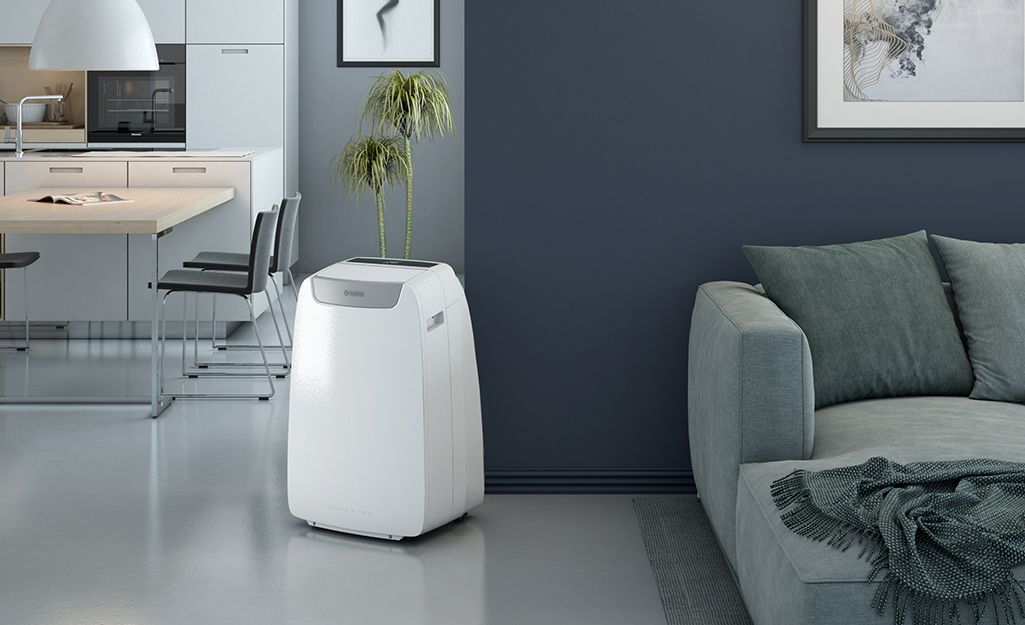
Most portable AC units need a window to vent hot air outside. However, some newer models use evaporative cooling or have special hoses that can vent through doors or drop ceilings.
If your room connects to another space with better airflow, you can direct the hose there, but never vent into another closed room—the heat will just move around.
- Pros: Powerful cooling, some models remove humidity.
- Cons: Need to handle water drainage; may be noisy; require a place to vent hot air.
2. Ventless Air Coolers (evaporative Coolers)
These devices, sometimes called swamp coolers, pull in warm air and pass it over water-soaked pads. The air cools as water evaporates, then blows back into the room.
- Best for: Dry climates (low humidity).
- Not ideal for: Already humid rooms (can make it feel hotter).
- Pros: Low energy use; no vent needed; adds moisture if the air is dry.
- Cons: Less effective in humid environments; need regular cleaning.
3. Fans (ceiling, Pedestal, Tower)
Fans don’t lower the room’s temperature, but they move air, making you feel cooler by helping sweat evaporate. In a windowless room, use fans to circulate air between rooms or push warm air toward an open door.
- Tip: Place a bowl of ice in front of a fan for a simple “homemade” air cooler.
- Tip: Use oscillating fans to avoid blowing air directly on people for long periods (can dry out eyes/skin).
4. Mini-split (ductless) Air Conditioners
If you own your space or want a permanent solution, a ductless mini-split system is highly effective. These systems have an indoor unit (mounted on the wall) and an outdoor compressor. The connecting tubes can run through walls or ceilings, not windows.
- Pros: Quiet, efficient, excellent cooling, can also heat in winter.
- Cons: Requires installation and an outdoor unit; higher upfront cost.
5. Dehumidifiers
Humidity makes a room feel much hotter. A dehumidifier pulls water out of the air, which can make the space feel cooler and more comfortable—even if the temperature doesn’t drop much.
- Tip: Empty the water tank regularly to prevent mold and bacteria.
- Bonus: Less humidity helps clothes and electronics last longer.
6. Air Circulators
These are special fans designed to move air throughout a whole room, not just in one direction. Brands like Vornado make air circulators that create a “vortex” effect, evening out the temperature and reducing hot spots.
- Best placement: Near doors or vents to help fresh air flow in.
Comparing Cooling Devices For Windowless Rooms
Here’s a comparison to help you choose the right device for your needs:
| Device Type | Cooling Power | Humidity Control | Installation | Noise Level |
|---|---|---|---|---|
| Portable AC (no vent) | High | Yes (some models) | Medium | Medium-High |
| Evaporative Cooler | Medium | Adds moisture | Low | Low |
| Mini-Split AC | Very High | Yes | High | Low |
| Fan/Air Circulator | Low | No | Low | Low |
| Dehumidifier | Indirect | Yes | Low | Low-Medium |
Reducing Internal Heat Sources
Lowering the temperature isn’t just about cooling—it’s also about reducing the heat that builds up. Many people overlook these steps, but they make a real difference, especially in small or crowded rooms.
1. Turn Off Unnecessary Electronics
Computers, TVs, chargers, and lamps all produce heat, even when not in use. Unplug devices or use smart power strips to cut off “phantom” electricity.
2. Use Led Lighting
Traditional bulbs (especially incandescent) can get very hot. LED bulbs produce much less heat and use less energy, keeping the room cooler and saving on bills.
3. Limit Cooking And Hot Water Use
If possible, avoid cooking or using hot water in or near the windowless room during the hottest parts of the day. Microwaves, air fryers, or slow cookers produce less heat than ovens or stovetops.
4. Block Heat From Adjacent Rooms
If your windowless room shares walls with sunny spaces, heat can transfer through the walls. Close doors, use door sweeps, or add insulation where possible.
5. Manage People And Pets
The more people or pets in a room, the warmer it gets. If you have group meetings or events, try to schedule them during cooler hours.
Improving Airflow And Ventilation
Without windows, air movement is limited. But with a few smart techniques, you can still create better ventilation and prevent stale air.
1. Use Doors Strategically
Keep doors open as much as possible to let cooler air in and hot air out. If privacy is needed, open them for a few minutes every hour to refresh the air.
2. Create An Air Path With Fans
Place one fan facing into the room from a cooler area, and another facing out toward a hallway or open door. This pushes hot air out and brings cool air in, even without windows.
3. Install A Door Vent Or Transfer Grille
A transfer grille is a vent that lets air flow through closed doors. It’s easy to install and helps balance air between rooms.
4. Use An Inline Duct Fan
If you have access to an HVAC duct, an inline duct fan can pull cool air into the room or push hot air out. These fans are quiet and can be placed in the ceiling or wall ducts.
5. Add A Whole-house Ventilation System
For long-term solutions, consider a heat recovery ventilator (HRV) or energy recovery ventilator (ERV). These systems exchange stale indoor air for fresh outdoor air, even in sealed rooms. Installation costs more, but air quality and comfort improve significantly.

Credit: www.digsdigs.com
Controlling Humidity For Extra Comfort
Humidity makes a windowless room feel much hotter. Controlling moisture is often the missing piece in cooling strategies.
1. Run A Dehumidifier
As mentioned before, a good dehumidifier can lower relative humidity by 30-50%. This makes the air feel up to 4°F (2°C) cooler, according to the Environmental Protection Agency.
2. Fix Water Leaks And Dampness
Check for plumbing leaks, wet walls, or floors. Even small leaks can raise humidity and lead to mold. Use waterproof sealant on walls if the room is below ground level.
3. Dry Clothes Outside The Room
Never hang wet clothes or towels in a windowless room—they release moisture as they dry, raising humidity quickly.
4. Use Moisture Absorbers
Products like silica gel, calcium chloride, or special “damp rid” containers absorb water from the air. Place them in corners or near problem spots for extra help.
5. Vent Bathrooms And Kitchens
If your windowless room is near a bathroom or kitchen, keep those doors closed when using hot water, and run exhaust fans to pull moisture out.
Smart Design And Decor Choices
The way you design and decorate a room can have a big impact on how hot it feels. Small changes in color, material, and layout help keep things cool.
1. Choose Light Colors
Walls and ceilings painted in light colors reflect heat, while dark colors absorb and hold it. White, cream, or pale blue are good choices for a cooler feeling.
2. Use Minimal Fabric And Heavy Materials
Carpets, thick curtains, and upholstered furniture trap heat and hold moisture. Go for tile, laminate, or bare floors, and light cotton or linen for bedding.
3. Rearrange Furniture
Move bulky furniture away from walls to let air flow around the room. Avoid blocking vents or doors with large pieces.
4. Add Indoor Plants (with Caution)
Some plants, like snake plants and peace lilies, can help clean the air. But too many plants can add humidity, so keep it balanced.
5. Use Reflective Or Cooling Materials
Special cooling paints and reflective wall panels can lower surface temperatures. These products are more common in commercial buildings but are now available for homes as well.
Nighttime Cooling Strategies
Rooms often cool down at night, but without windows, it’s harder to take advantage. These methods help you sleep better and keep the room comfortable until morning.
1. Pre-cool The Room
If you have access to cooler air in the evening, run fans or AC before bedtime to lower the temperature as much as possible.
2. Use Breathable Bedding
Cotton sheets, bamboo pillows, and light blankets allow air to move around your body, which helps you stay cool.
3. Try A Cooling Mattress Pad
Some pads use gel or special fabrics to draw heat away from your body. They don’t cool the whole room, but they can make sleep much more comfortable.
4. Sleep Lower
Heat rises, so sleeping on a lower bed frame or even on the floor can be cooler than sleeping high up.
5. Keep Appliances Off
Turn off electronics and unplug chargers before bed—these small heat sources add up overnight.
Temporary And Emergency Cooling Solutions
Sometimes you need to cool a windowless room quickly, even if you don’t have the perfect equipment. Here are a few creative, short-term fixes.
1. Cold Packs And Wet Towels
Place ice packs or cold, wet towels in front of a fan. As air passes over them, it cools down, acting like a mini air conditioner.
2. Mist Bottles
Lightly mist your skin with water and use a fan to speed up evaporation. This method cools your body, not the room, but can be very refreshing.
3. Block Sun And Heat From Adjacent Spaces
If sunlight heats the rooms next door, cover those windows with blackout curtains or reflective film. Less heat next door means less heat “leaks” into your windowless space.
4. Use Battery-powered Or Usb Fans
In a power outage, small fans powered by batteries or USB power banks can help circulate air and keep you cool for a few hours.
5. Emergency Ac Units
Some portable AC units can be vented through a wall, drop ceiling, or even a dryer vent. In emergencies, a little creative thinking can make these options work.
Long-term Improvements For Permanent Cooling
If you plan to use your windowless room for years, it’s worth investing in permanent changes that make cooling easier and more efficient.
1. Insulate Walls And Ceilings
Proper insulation keeps heat out in summer and holds warmth in winter. Use foam panels or spray insulation for best results.
2. Seal Gaps And Cracks
Check for leaks around doors, vents, and the ceiling. Sealing these gaps keeps hot air out and cool air in.
3. Add A Ceiling Fan
Even without windows, a ceiling fan can move air efficiently. Choose a reversible model for year-round comfort (cool in summer, warm in winter).
4. Upgrade To Smart Thermostats
If your room is connected to central air, a smart thermostat can optimize cooling when the room is in use, saving energy and keeping temperatures steady.
5. Build A Passive Ventilation System
If possible, add a passive vent (a duct or tube) that connects to another space with better airflow. Even a small vent can make a big difference over time.
Energy Efficiency: Saving Money While Staying Cool
It’s easy to waste energy trying to cool a windowless room. Here are ways to stay cool without high bills.
1. Use Timers And Smart Plugs
Set ACs, fans, and dehumidifiers to run only when needed. Smart plugs let you control devices from your phone, so you never forget to turn them off.
2. Maintain Appliances
Clean filters on ACs, dehumidifiers, and fans monthly. Dirty filters block airflow and make machines work harder, using more energy.
3. Replace Old Units
Newer cooling appliances are much more efficient. Look for Energy Star labels—they often use 20–30% less energy than older models.
4. Cool Only The Used Area
If you only use part of the room, block off unused sections with curtains or partitions. Focus cooling on where you spend the most time.
5. Monitor Temperature And Humidity
A simple digital thermometer and humidity gauge help you see what works and when to adjust your cooling plan.
Health And Safety Considerations
Keeping a windowless room cool isn’t just about comfort—it’s also about health and safety. Poor ventilation, high temperatures, and humidity can create risks.
1. Prevent Mold And Bacteria Growth
Warm, damp rooms are perfect for mold. Check for musty smells, and clean surfaces regularly. Use a dehumidifier to keep moisture below 50%.
2. Avoid Overheating And Heat Exhaustion
Prolonged high temperatures can cause heat exhaustion or worse. Drink water, take breaks, and don’t rely only on fans if the room gets very hot.
3. Watch For Carbon Monoxide
Never use gas-powered generators, heaters, or grills inside a windowless room. These produce dangerous gases that can build up quickly.
4. Ensure Fire Safety
Don’t overload electrical outlets with cooling devices. Use surge protectors and follow manufacturer instructions for each appliance.
5. Fresh Air Matters
If the room feels stuffy, spend time in fresh air when possible. Poor air quality can cause headaches, allergies, or sleep problems.
Real-world Examples And Case Studies
Many people have successfully cooled windowless rooms with a mix of these methods. Here are two examples that highlight practical solutions.
Case Study 1: Home Office In A Basement
John converted his basement into a home office but struggled with heat and humidity. He installed a mini-split AC and a dehumidifier, switched to LED lights, and used a ceiling fan. Within a week, the room was comfortable even on hot days, and his energy bill dropped by 18%.
Case Study 2: Interior Bedroom In A City Apartment
Maria’s bedroom had no windows and got very hot at night. She used a combination of a portable AC vented through a drop ceiling, a fan to move air from the hallway, and breathable cotton bedding. She also painted the walls a pale blue and got rid of her heavy rug.
Her room now stays cool enough for restful sleep.
Credit: evapolar.com
Common Mistakes To Avoid
Even with the best intentions, some choices can make cooling harder. Here’s what to watch out for:
- Using evaporative coolers in humid rooms (they make things worse).
- Blocking airflow with furniture or clutter.
- Running fans without opening doors or vents (just circulates hot air).
- Ignoring humidity (can feel hotter even if the temperature is lower).
- Overloading circuits with too many devices at once.
Practical Tips For Instant Relief
Sometimes you need quick fixes. Here are a few tricks:
- Keep a spray bottle of water in the fridge for misting yourself.
- Place your pillowcases or sheets in the freezer for 10 minutes before bed.
- Wear light, loose-fitting clothing indoors.
- Drink cold water often to help your body stay cool from the inside.
- Avoid caffeine and alcohol, which can dehydrate you.
Credit: www.wallauer.com
Advanced Solutions: When You Need Maximum Cooling
For rooms that must stay cool (like server rooms, home gyms, or workshops), advanced solutions may be needed:
- Install a dedicated AC or ventilation system with professional help.
- Use thermal cameras to find hot spots on walls or ceilings.
- Add thermal insulation panels or radiant barriers.
- Consider a split-level floor to allow heat to rise and escape more easily.
Comparing Cooling Strategies For Different Room Types
Not all windowless rooms are the same. Here’s a summary of what works best for common types:
| Room Type | Best Cooling Method | Special Notes |
|---|---|---|
| Basement | Mini-split AC, dehumidifier | Check for water leaks |
| Interior Bedroom | Portable AC, fans, light bedding | Use breathable fabrics |
| Home Office | Air circulator, LED lights | Unplug devices when not in use |
| Server Room | Dedicated AC, ventilation | Monitor temperature closely |
| Workshop/Gym | Fans, dehumidifier | Schedule workouts during cooler hours |
Frequently Asked Questions
What Is The Best Way To Cool A Room With No Windows?
The best way is to combine a portable AC or mini-split system with fans and a dehumidifier. Also, reduce internal heat sources and improve air movement by keeping doors open or installing vents.
Can I Use An Evaporative Cooler In A Windowless Room?
Only if your climate is dry and the room’s humidity is low. In humid environments, evaporative coolers can make the room feel hotter.
How Can I Improve Air Quality In A Windowless Room?
Use a dehumidifier and air circulator. Open doors regularly, use air-purifying plants (in moderation), and consider a portable air purifier to remove dust and allergens.
Is It Safe To Sleep In A Windowless Room?
Yes, if the room has good ventilation and isn’t too hot. Keep the door open when possible, avoid gas-powered devices, and monitor humidity to prevent mold.
Do Cooling Paints Or Reflective Panels Really Work?
Yes, they can lower surface temperatures by reflecting heat. They’re not a substitute for AC or fans, but they help keep rooms cooler, especially in hot climates. For more research on cooling paints, check out this Cool Roof resource.
Creating a cool, comfortable windowless room takes a little effort, but the benefits are worth it. With the right tools and strategies, you can enjoy a pleasant space all year round—no windows required.