
Mattress indentation is a common problem that can ruin your sleep and cause back pain. Many people wake up feeling tired and sore, and often, the culprit is a sagging mattress. Over time, mattresses develop dips where you sleep the most.
These dents can make it hard to get comfortable and even lead to health problems. But don’t rush to buy a new mattress just yet. There are several practical ways to fix mattress indentation and extend the life of your bed.
This guide will walk you through everything you need to know about mattress indentation—from understanding why it happens to step-by-step solutions you can try at home. We’ll also cover when it’s time to replace your mattress, offer tips to prevent future sagging, and answer common questions people have about this issue. By the end, you’ll have a clear plan to restore your mattress and improve your sleep.
What Causes Mattress Indentation?
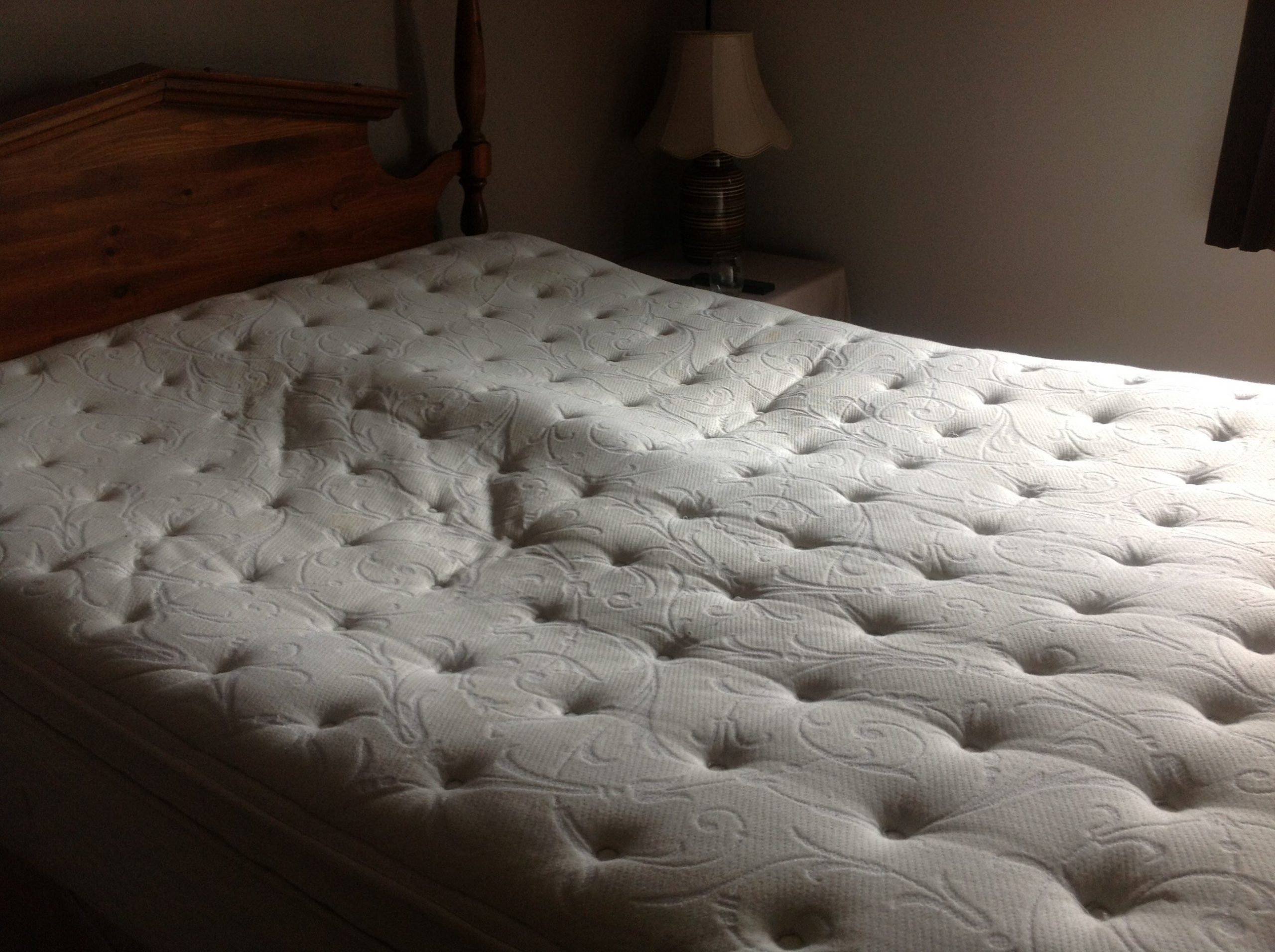
Mattress indentation is more than just a small dip. It’s a visible and physical depression in the mattress surface, often found where your body lies night after night. Understanding what causes these dents is the first step to fixing them.
Main Causes
- Material Wear and Tear: Most mattresses use materials like memory foam, latex, or innerspring coils. Over time, these materials lose their ability to bounce back, especially if they are low-density or not high quality.
- Weight Concentration: If you sleep in the same spot every night, your body weight presses down on the same area. This repeated pressure creates a body impression.
- Lack of Support: If your bed frame or box spring is weak or broken, it can’t support the mattress evenly. This allows certain spots to sink.
- Moisture and Heat: Sweat and humidity can soften mattress materials, especially memory foam, making them more likely to compress.
- Mattress Age: Most mattresses are designed to last 7 to 10 years. After this time, even the best mattress will likely develop some sagging.
Example: The Memory Foam Problem
A popular material, memory foam, is loved for its comfort but is also prone to indentation. A 2021 study found that 43% of memory foam mattress owners noticed visible dips within five years of use.
Signs Your Mattress Has Indentation
It’s not always easy to spot the early signs of mattress indentation. However, some clues can help you recognize the problem before it gets worse.
- You feel like you are rolling into a “hole” or “valley” in the mattress.
- You wake up with aches, pains, or stiffness, especially in your back or hips.
- Your mattress looks uneven, with visible dips or low spots.
- When you run your hand across the surface, you feel a difference in height.
- You sleep better in a different bed.
If you notice any of these signs, it’s time to take action.
How To Check Mattress Indentation Depth
Before you try to fix your mattress, it’s important to measure the indentation. This tells you how serious the problem is and helps if you need to claim a warranty.
Measuring Steps
- Remove bedding: Strip off sheets, blankets, and mattress protectors.
- Lay a straight object: Use a broomstick or yardstick and place it across the mattress surface, over the suspected dip.
- Measure the gap: Use a ruler to measure the space between the stick and the lowest point of the dip.
Most mattress companies consider an indentation of 1.5 inches or deeper as a warranty issue. Shallower dips can often be fixed at home.
Quick Fixes For Mattress Indentation
Not all mattress dents require a new bed. Here are some practical ways to fix mattress indentation and improve your sleep comfort.
1. Rotate And Flip Your Mattress
- Rotate: Turn the mattress 180 degrees so the head becomes the foot. This spreads wear more evenly.
- Flip: If your mattress is double-sided (check your manufacturer), flip it over so you sleep on the other side.
Regular rotation every 3-6 months can prevent and reduce dips.
2. Add A Mattress Topper
A mattress topper is a thick layer (usually 2–4 inches) of foam, latex, or fiber placed on top of your mattress. It adds comfort and evens out the surface, making dents less noticeable.
- Choose a high-density foam topper for best support.
- Make sure the topper covers the full mattress size.
Mattress toppers are a quick and affordable fix, especially for minor indentations.
3. Use Pillows Or Foam Inserts
Place foam inserts or folded towels under the dip, between the mattress and the box spring or bed base. This lifts the sagging area and provides extra support.
- For best results, use firm foam cut to the size of the dip.
- Avoid using soft materials, as they will compress quickly.
This method works best for small, localized dents.
4. Try Steam And Sunlight
Memory foam mattresses can sometimes be “revived” with a bit of heat and moisture.
- Use a garment steamer or steam iron (with a cloth between the iron and mattress) to gently steam the dipped area.
- Let the mattress dry in the sun for a few hours. Sunlight can help foam regain its shape.
Caution: Don’t soak the mattress. Too much moisture can cause mold.
5. Improve Bed Support
Check your bed frame and foundation. If slats are broken or spaced too far apart, the mattress will sag.
- Replace or repair broken slats.
- Use a bunkie board (a thin, solid board) between the mattress and foundation for even support.
A strong base is key for preventing and fixing indentations.
6. Redistribute Filling (for Pillow-top Mattresses)
If you have a pillow-top or fiber-filled mattress, try redistributing the filling:
- Unzip the cover if possible and fluff the filling by hand.
- Shake and pat the mattress to move the material back into place.
This can make the surface more even and comfortable.
7. Vacuum The Mattress
For mattresses with air pockets or layers, vacuuming can help fluff up compressed areas.
- Use a vacuum with an upholstery attachment.
- Gently lift and release the fabric in the sagging area.
This method is most effective for fiber or pillow-top mattresses.
8. Use Mattress Helpers
Some companies sell mattress helper products—special foam or inflatable supports placed under the mattress. These lift sagging spots and can extend the life of your bed.
- Choose a size that matches your mattress.
- Place the helper under the dip, between the mattress and base.
This is a more specialized solution but can be very effective.
9. Diy Methods: Cardboard Or Plywood
For a budget fix, place a piece of cardboard or plywood under the sagging part of the mattress. This adds firmness and reduces the feel of the dip.
- Use smooth, clean material to avoid damaging the mattress.
- Replace as needed, since these materials can break down over time.
10. Let The Mattress Rest
If you have a guest bed or another place to sleep, let your regular mattress “rest” for a few days. This gives the materials time to expand back to their original shape, especially for memory foam.
Credit: johnryanbydesign.co.uk
Long-term Solutions For Mattress Indentation
Quick fixes can help, but they’re not always permanent. If your mattress keeps sagging, consider these longer-term solutions.
Upgrade Your Support System
A weak foundation is a common cause of mattress dips. Here’s how different bases compare:
| Support Type | Pros | Cons |
|---|---|---|
| Box Spring | Affordable, easy to find | Can wear out, uneven support |
| Slatted Base | Good airflow, simple design | Gaps can cause sagging |
| Platform Bed | Excellent support, modern look | Heavier, can be expensive |
| Bunkie Board | Improves support, inexpensive | May not fit all beds |
Switching to a solid platform or adding a bunkie board can make a big difference.
Replace Worn-out Parts
If your bed frame or box spring is old, it may need replacing. Check for:
- Broken slats
- Bent metal
- Noisy springs
Replacing these parts is often cheaper than buying a whole new mattress.
Invest In A High-quality Mattress
If your mattress is over 8 years old and has deep indentations, it may be time to invest in a new one. When shopping for a new mattress, look for:
- High-density foam (at least 4 lbs/ft³ for memory foam)
- Strong coil count (for innersprings, at least 600 coils in a queen size)
- Reinforced edges for better shape retention
High-quality mattresses may cost more upfront, but they last longer and resist indentation.
Warranty Claims
If your mattress is still under warranty, check the terms. Most warranties cover indentations deeper than 1. 5 inches.
- Take clear photos of the indentation with a ruler for proof.
- Contact the manufacturer and provide the required information.
Most companies will repair or replace your mattress if the claim is valid.
Professional Mattress Repair
Some upholstery and mattress repair companies can fix deep dents by re-stuffing or adding new support layers.
- Ask for a quote before agreeing to repairs.
- Compare the cost with buying a new mattress.
Professional repair makes sense if you have a high-end or specialty mattress.
Preventing Mattress Indentation
Fixing a sagging mattress is helpful, but prevention is even better. Here are steps you can take to keep your mattress in good shape.
Rotate And Flip Regularly
As mentioned earlier, rotating and flipping your mattress every 3-6 months spreads wear and reduces pressure points.
Use A Mattress Protector
A mattress protector keeps out sweat, dust, and spills. This protects the materials inside and reduces softening.
Maintain Even Weight Distribution
If two people sleep on the mattress, try switching sides every few weeks. This helps avoid deep dips on one side.
Choose The Right Foundation
Make sure your bed frame or foundation is strong and fits your mattress size. Avoid using an old or mismatched base.
Keep The Mattress Dry
Moisture can weaken mattress materials. Use a dehumidifier if you live in a humid area, and air out your mattress on sunny days.
Don’t Jump Or Stand On The Mattress
Excess pressure from jumping or standing can damage the internal structure and cause premature sagging.
Replace Worn-out Toppers And Pads
Old mattress toppers can compress and create uneven pressure. Replace them when they lose their shape.
Know When To Replace
No mattress lasts forever. If you’ve tried all the fixes and still have deep dips, it’s time to shop for a new one.
Credit: www.stlbeds.com
How Different Mattress Types Handle Indentation
Some mattresses are more prone to indentation than others. Here’s how different types compare:
| Mattress Type | Indentation Resistance | Average Lifespan |
|---|---|---|
| Memory Foam | Moderate | 7–10 years |
| Latex | High | 10–12 years |
| Innerspring | Low–Moderate | 5–8 years |
| Hybrid | Moderate–High | 8–10 years |
| Pillow-Top | Low | 5–7 years |
Latex mattresses are the most resistant to indentation, while pillow-top and innerspring models are more likely to sag.
Common Mistakes When Fixing Mattress Indentation
Many people try to fix mattress dips but make mistakes that make the problem worse. Here’s what to avoid:
Using The Wrong Materials
Soft materials like old towels or blankets compress quickly and won’t fix the dip. Always use firm foam or solid boards.
Ignoring The Bed Base
Even the best mattress will sag if the bed frame is weak. Check the base before blaming the mattress.
Overheating The Mattress
Using too much heat (like a hair dryer or steam cleaner) can damage foam or glue inside the mattress.
Waiting Too Long
The longer you leave a deep dip, the harder it is to fix. Address small dents quickly before they get worse.
Not Checking The Warranty
Many people don’t realize their mattress is still under warranty. Always check before trying DIY fixes that could void it.
When To Replace Your Mattress
It’s tempting to keep fixing a sagging mattress, but sometimes replacement is the best option. Here’s how to know when it’s time:
- The indentation is deeper than 1.5–2 inches and affects sleep.
- The mattress is more than 8–10 years old.
- You wake up sore or tired every day.
- Quick fixes only work for a short time.
- The mattress has other issues, like broken springs, mold, or odors.
A new mattress is an investment in your health and sleep quality.
Real-world Examples
Example 1: Memory Foam Mattress, 6 Years Old
Sarah noticed a dip in her queen-size memory foam mattress after six years. She measured the indentation at 1. 2 inches—not quite enough for a warranty claim. She rotated the mattress, added a 3-inch high-density foam topper, and placed a bunkie board underneath.
The dip was much less noticeable, and her back pain improved.
Example 2: Innerspring Mattress, 9 Years Old
Mike’s innerspring mattress had a deep sag in the middle. He tried adding foam inserts, but the dip came back quickly. After checking the bed frame and realizing some slats were broken, he replaced them. This helped a little, but the mattress was still uncomfortable.
Since it was over nine years old, he decided to buy a new hybrid mattress with stronger edge support.

Credit: abc7chicago.com
How Mattress Indentation Affects Sleep And Health
A sagging mattress does more than just feel uncomfortable. It can:
- Cause poor spinal alignment
- Lead to back, hip, and shoulder pain
- Disrupt sleep and cause frequent waking
- Increase the risk of pressure sores in people with limited mobility
A 2020 survey by the National Sleep Foundation found that 63% of people with mattress sagging reported worse sleep quality and more pain than those with newer mattresses.
Extra Tips For A Longer-lasting Mattress
- Air out your mattress every few months to prevent moisture buildup.
- Use a vacuum to remove dust and allergens that can damage materials.
- Avoid placing heavy objects (like suitcases) on the mattress for long periods.
- Choose a mattress with a longer warranty for peace of mind.
Frequently Asked Questions
How Deep Does A Mattress Indentation Have To Be For A Warranty Claim?
Most mattress warranties cover indentations of 1.5 inches or deeper. Measure with a straight edge and ruler for proof. Always check your specific warranty terms.
Can A Mattress Topper Fix Deep Indentations?
A mattress topper can make the surface feel smoother and more comfortable, but it won’t fix very deep dips. For indentations over 1. 5 inches, a topper is usually a temporary solution.
What Is The Best Type Of Mattress To Avoid Indentation?
Latex mattresses and high-density memory foam are the most resistant to sagging. Look for models with strong support layers and reinforced edges.
Does Flipping Help All Types Of Mattresses?
No. Many modern mattresses are one-sided and should not be flipped. Always check the manufacturer’s instructions. Rotation (head to foot) is safe for most mattresses.
Can I Use Plywood Under My Mattress To Fix A Dip?
Yes, a piece of plywood can add firmness and reduce sagging, especially for innerspring mattresses. Make sure it’s smooth and fits the bed frame to avoid damage.
Improving your mattress takes time and care, but with the right steps, you can enjoy better sleep and avoid the cost of an early replacement. If you want to learn more about mattress care and sleep health, visit the Sleep Foundation for detailed research and advice.
With regular attention and these practical tips, you can fix mattress indentation, prevent future problems, and wake up refreshed every day.