
Concrete floors are strong, affordable, and found in many homes, offices, and industrial spaces. But bare concrete can look cold, feel hard, and even create dust. Covering your concrete floor can solve these problems—giving you a better look, feel, and function.
Still, choosing the right way to cover concrete is not always simple. There are many options, each with its own pros, cons, and costs. Some covers are perfect for homes, while others are better for workshops or basements. This guide will help you understand all the best ways to cover concrete floors, with practical advice, step-by-step methods, and real-life tips that even beginners can follow.
If you want to make your concrete floor warmer, more beautiful, or just easier to clean, you’ll find everything you need right here. We’ll compare different floor coverings, explain their strengths and weaknesses, and help you avoid common mistakes. You’ll also find helpful tables, real examples, and answers to the most frequent questions.
Whether you want a quick DIY fix or a stylish long-term solution, you’ll be ready to choose with confidence.
Why Cover Concrete Floors?
Concrete floors are tough, but they have some clear downsides. They are often cold and uncomfortable, especially in winter. Bare concrete can attract dust and dirt, which is hard to clean. It can also crack, get stained, or look dull over time. In living areas, concrete might make the whole room feel less welcoming.
Covering your concrete floor solves these issues. A good floor covering can:
- Make the space warmer and softer
- Improve the look and style of the room
- Protect the concrete from damage
- Reduce noise and echoes
- Make cleaning easier
Some coverings even add value to your home or office. But with so many choices, it’s important to pick the right one for your needs, budget, and space.
Main Options For Covering Concrete Floors
There are many ways to cover concrete floors. Each option has its own look, feel, price, and installation process. Below, you’ll find the most popular choices, with details on their benefits, drawbacks, and best uses.
1. Ceramic Or Porcelain Tile
Ceramic and porcelain tiles are classic choices for kitchens, bathrooms, and even living rooms. They offer a clean, stylish look and come in countless colors and patterns.
Pros
- Waterproof and easy to clean
- Very durable
- Many design choices
Cons
- Can feel cold and hard
- Installation takes skill and time
- Grout lines need maintenance
Best For
Bathrooms, kitchens, entryways, and any area that gets wet or dirty.
Installation Tips
- Always check that the concrete is level and clean.
- Use a waterproof membrane if moisture is a concern.
- Allow the tile adhesive to fully cure before grouting.
2. Vinyl Plank Flooring
Vinyl planks are popular for their wood-like look and comfort underfoot. Modern vinyl is waterproof, scratch-resistant, and easy to install.
Pros
- Soft and warm compared to tile
- Easy click-lock installation
- Affordable and stylish
Cons
- Can fade in direct sunlight
- Not as durable as tile or stone
- Some types need a flat subfloor
Best For
Basements, bedrooms, living rooms, and anywhere you want a wood look without the cost.
Installation Tips
- Use a moisture barrier if installing in a basement or damp area.
- Make sure the floor is flat and clean before starting.
- Leave a small gap at walls for expansion.
3. Laminate Flooring
Laminate flooring gives you the look of wood or stone with a tough, easy-to-clean surface. It’s a good middle ground between vinyl and hardwood.
Pros
- Many designs and colors
- Scratch-resistant and easy to clean
- Quick installation with click-lock systems
Cons
- Not fully waterproof (can swell if wet)
- Needs an underlayment for moisture and sound
- May feel hollow without proper installation
Best For
Living rooms, bedrooms, and areas away from water.
Installation Tips
- Always use a vapor barrier over concrete.
- Acclimate planks in the room for at least 48 hours.
- Stagger seams for a stronger floor.
4. Engineered Hardwood
Engineered hardwood is made of real wood on top, with a stable core underneath. It looks and feels rich but can handle the changes in temperature and moisture better than solid wood.
Pros
- Real wood appearance
- More stable than solid hardwood
- Can be glued, nailed, or floated
Cons
- More expensive than laminate or vinyl
- Sensitive to moisture (choose waterproof types for basements)
- Needs careful installation
Best For
Living rooms, bedrooms, and main floors where you want a high-end look.
Installation Tips
- Use a moisture barrier and underlayment.
- Check moisture levels in the concrete first.
- Follow manufacturer guidelines for acclimation.
5. Carpeting
Carpet is warm and soft, making it a favorite for bedrooms and family rooms. It also reduces noise.
Pros
- Soft underfoot and warm
- Many colors and textures
- Absorbs sound
Cons
- Can trap dust and allergens
- Hard to clean if stained
- Not good in damp areas
Best For
Bedrooms, playrooms, and basements (if dry).
Installation Tips
- Always install a vapor barrier or waterproof pad.
- Make sure concrete is dry and clean.
- Use tack strips along the walls for a tight fit.
6. Epoxy Coatings
Epoxy floor coatings are popular for garages, workshops, and basements. They create a strong, glossy surface that resists chemicals and stains.
Pros
- Highly durable
- Resists oil, water, and stains
- Many color and texture options
Cons
- Can be slippery when wet
- Needs careful surface prep
- Strong smell during application
Best For
Garages, workshops, basements, and commercial spaces.
Installation Tips
- Clean and etch the concrete first.
- Fill cracks and holes before starting.
- Apply in a well-ventilated area.
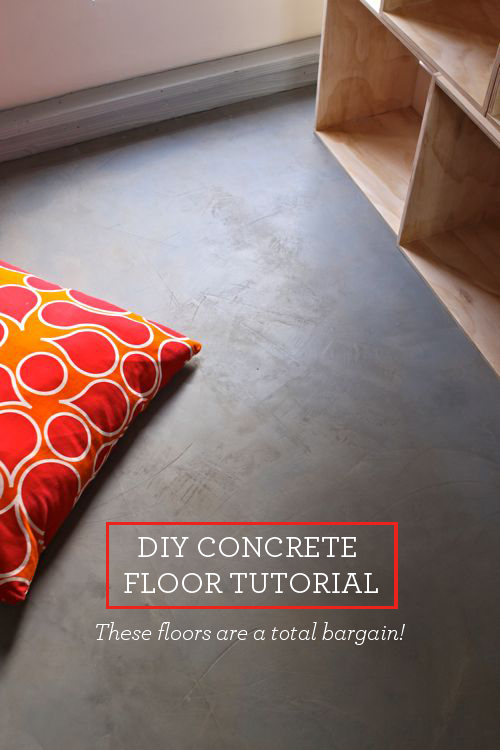
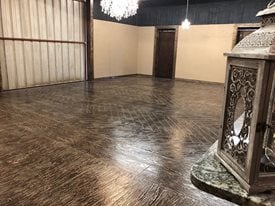
7. Stained Or Polished Concrete
Staining or polishing your concrete gives it a unique, modern look. It’s a good way to upgrade without adding another layer.
Pros
- Custom colors and finishes
- Very durable and easy to clean
- Cost-effective for large areas
Cons
- Concrete must be in good condition
- Some stains can fade if exposed to sun
- Hard and cold underfoot
Best For
Lofts, basements, retail spaces, and modern homes.
Installation Tips
- Repair cracks and grind the surface smooth.
- Test stains on a small area first.
- Seal the floor for extra protection.
8. Rubber Flooring
Rubber tiles or rolls are soft, safe, and easy to clean. They are often used in gyms, playrooms, and workspaces.
Pros
- Cushioned and slip-resistant
- Absorbs noise and impact
- Easy to install and replace
Cons
- Limited style options
- Can smell rubbery at first
- May fade outdoors
Best For
Home gyms, playrooms, garages, and workshops.
Installation Tips
- Clean the concrete well before laying rubber.
- Use double-sided tape or adhesive for a secure fit.
- Leave space at walls for expansion.
9. Interlocking Floor Tiles
Interlocking tiles made from plastic, rubber, or vinyl are a fast and flexible way to cover concrete. They simply snap together, with no glue or nails.
Pros
- Easy DIY installation
- Removable and reusable
- Good for uneven floors
Cons
- Gaps can let water through
- Limited design options
- Not as solid as other covers
Best For
Basements, garages, laundry rooms, and rental spaces.
Installation Tips
- Sweep and mop the floor before starting.
- Start in one corner and work outwards.
- Trim edges with a utility knife for a clean fit.
10. Sheet Linoleum
Linoleum is made from natural materials and comes in large sheets. It’s a classic, eco-friendly option for many homes.
Pros
- Soft and warm
- Eco-friendly and biodegradable
- Resists stains and bacteria
Cons
- Can be damaged by water if not sealed
- Limited modern styles
- Needs professional installation for best results
Best For
Kitchens, mudrooms, and homes with allergies.
Installation Tips
- Make sure the concrete is clean and smooth.
- Use the right adhesive for linoleum.
- Roll the floor with a heavy roller to remove bubbles.
11. Cork Flooring
Cork is soft, natural, and insulating. It’s becoming more popular for bedrooms and quiet rooms.
Pros
- Very soft and quiet
- Good for insulation
- Sustainable and hypoallergenic
Cons
- Prone to dents and scratches
- Needs sealing to prevent water damage
- Limited color choices
Best For
Bedrooms, offices, and spaces where comfort matters.
Installation Tips
- Use a moisture barrier under cork tiles or planks.
- Seal the top layer after installation.
- Avoid dragging heavy furniture across cork.
12. Floating Wood Or Laminate Tiles
Floating floors are installed above the concrete without glue or nails. They’re easy for DIYers and reduce sound.
Pros
- Quick installation
- Hides small flaws in the concrete
- Easy to replace or remove
Cons
- Can feel “bouncy” if not installed well
- Not waterproof
- Needs good underlayment
Best For
Living rooms, bedrooms, and rental units.
Installation Tips
- Always use a foam or cork underlayment.
- Check for flatness before starting.
- Leave expansion gaps at walls.
13. Paint Or Concrete Sealer
Concrete paint or sealer is a simple, affordable way to protect and color your floor. It’s best for utility spaces.
Pros
- Very low cost
- Quick DIY project
- Resists stains and dust
Cons
- Wears off in high-traffic areas
- Needs regular touch-ups
- Limited style options
Best For
Basements, laundry rooms, and storage areas.
Installation Tips
- Clean and dry the floor before painting.
- Use two coats for best coverage.
- Allow full drying time between coats.
Comparing Concrete Floor Coverings
To make the best choice, it helps to compare key factors: cost, durability, comfort, and style. Here’s a quick look at how the most popular coverings stack up:
| Floor Covering | Cost (per sq ft) | Durability | Comfort | Style Options |
|---|---|---|---|---|
| Ceramic/Porcelain Tile | $2 – $10 | Very High | Low | Many |
| Vinyl Plank | $2 – $7 | High | Medium | Many |
| Laminate | $1.50 – $5 | Medium | Medium | Many |
| Engineered Hardwood | $4 – $12 | High | High | Many |
| Carpet | $1 – $6 | Low-Medium | Very High | Many |
| Epoxy Coating | $3 – $7 | Very High | Low | Some |
| Stained/Polished Concrete | $2 – $8 | High | Low | Many |
| Rubber Flooring | $2 – $8 | High | High | Few |
| Interlocking Tiles | $3 – $9 | Medium | Medium | Some |
| Linoleum | $3 – $7 | Medium | High | Some |
| Cork | $4 – $9 | Medium | Very High | Few |
| Floating Wood/Laminate | $2 – $8 | Medium | Medium | Many |
| Paint/Sealer | $0.50 – $2 | Low | Low | Few |
Preparing Concrete Floors For Coverings
Most problems with floor coverings come from poor preparation. Even the best material can fail if you skip key steps. Here’s how to get your concrete floor ready:
1. Clean The Surface
Remove all dust, dirt, oil, and old paint. Use a strong cleaner and rinse well. Any leftover grime can stop adhesives from sticking.
2. Check For Moisture
Concrete can let water rise up from below. Tape a piece of plastic to the floor for 24–48 hours. If water collects underneath, fix the moisture issue before covering the floor. Use a vapor barrier or sealant if needed.
3. Repair Cracks And Holes
Fill cracks with concrete patch or epoxy. Smooth out any rough or uneven spots. Most coverings need a flat, solid base.
4. Level The Floor
If the floor isn’t level, use a self-leveling compound. This avoids problems with floating floors, tiles, or laminates.
5. Let The Floor Dry
Never cover a damp floor. Wait until the concrete is fully dry before starting.
Credit: designmom.com
Step-by-step Methods For Popular Coverings
Here are clear steps for installing three of the most common floor coverings: vinyl plank, ceramic tile, and epoxy coating.
Vinyl Plank Installation
- Clean the floor and check for moisture.
- Lay a vapor barrier if needed.
- Start in a corner and lay the first plank, using spacers at the wall.
- Click planks together, staggering seams for a natural look.
- Cut end pieces with a utility knife.
- Remove spacers and install baseboards.
Ceramic Tile Installation
- Mark the center of the room and lay out tiles for a dry fit.
- Mix thin-set mortar and spread with a notched trowel.
- Set tiles in place, using spacers.
- Cut tiles as needed for edges.
- Let mortar dry, then apply grout.
- Clean off extra grout and seal if needed.
Epoxy Coating Application
- Sweep and mop the floor, removing all oil and stains.
- Etch the surface with an acid solution, rinse, and let dry.
- Mix epoxy according to package instructions.
- Roll on the first coat, then let dry.
- Apply a second coat or add color flakes if desired.
- Let the epoxy cure before walking or placing items on it.
Common Mistakes To Avoid
Even experienced DIYers make errors when covering concrete. Here are some costly mistakes and how to avoid them:
- Skipping moisture tests: This can lead to mold, warped floors, or adhesive failure.
- Ignoring cracks and holes: These can cause tiles to crack or floating floors to move.
- Not allowing for expansion: Most coverings need a small gap at walls to expand and contract.
- Using the wrong adhesive: Some glues are not made for concrete or for the covering material you choose.
- Poor cleaning: Even a little dust can keep floors from sticking well.
Real-life Examples
Many people have improved their spaces by covering concrete. For example, one homeowner turned a cold basement into a cozy family room using vinyl plank and a thick underlayment. Another business owner used epoxy in their garage, cutting cleaning time in half.
In a playroom, rubber tiles made the space safer for kids, and the tiles could be replaced one by one if damaged.
These stories show that the right covering can make a big difference, not just in looks but in how a space feels and functions.
Maintenance Tips For Each Covering
Proper care keeps your floor looking good and lasting longer. Here’s a quick guide:
| Floor Covering | Basic Maintenance | Deep Cleaning | Longevity (years) |
|---|---|---|---|
| Tile | Sweep and mop | Scrub grout | 20–50+ |
| Vinyl Plank | Sweep; damp mop | Non-abrasive cleaner | 10–20 |
| Laminate | Vacuum; dry mop | Slightly damp mop | 10–20 |
| Engineered Hardwood | Vacuum; dry mop | Refinish top layer | 20–30 |
| Carpet | Vacuum often | Steam clean | 8–15 |
| Epoxy | Sweep; mop | Degreaser as needed | 10–20 |
| Stained/Polished Concrete | Dust mop | Buff and reseal | 20–30 |
| Rubber | Sweep; mop | Mild detergent | 10–20 |
| Linoleum | Sweep; damp mop | Special cleaner | 20–40 |
| Cork | Vacuum; dry mop | Reseal as needed | 10–25 |
| Paint/Sealer | Sweep; mop | Repaint as needed | 2–5 |

Credit: www.thegardenglove.com
When To Call A Professional
DIY can save money, but sometimes it’s best to get help. Call a pro if:
- The floor has serious cracks or moisture issues.
- You want a perfect tile or hardwood finish.
- The floor must meet special codes (for example, in a business).
- You’re unsure about tools or safety.
Professional installers have the right equipment and experience, and they often guarantee their work. For special projects like epoxy, stained concrete, or large tile jobs, hiring a pro is often worth the cost.
Non-obvious Insights For Beginners
- Underlayment matters more than you think. Many beginners focus only on the top layer, but the underlayment (foam, cork, or plastic sheet) can affect warmth, noise, and even how long your floor lasts. Skipping it or choosing the wrong type is a common mistake.
- Expansion gaps are essential. Even hard floors like laminate or engineered wood need a tiny gap at the wall to expand and contract with temperature changes. If you skip this, you may see buckling or warping months later.
- Moisture is not always obvious. Even if your floor feels dry, hidden moisture can rise over time. Always test and use moisture barriers, especially in basements and ground floors.
Credit: www.concretenetwork.com
How To Choose The Right Covering
Picking the best floor covering depends on your needs. Here are some questions to ask yourself:
- Is the room damp or dry?
- Do you want a soft or hard surface?
- How much traffic will the floor get?
- What’s your budget?
- Do you want to install it yourself, or hire a pro?
- Is style or function more important?
If you’re unsure, visit a local flooring store and see samples in person. You can also find more advice at the Floor Covering Weekly for industry news and trends.
Frequently Asked Questions
What Is The Cheapest Way To Cover A Concrete Floor?
Painting or sealing is usually the most affordable method. Concrete paint or sealer costs as little as $0. 50 per square foot. It’s a good option for utility rooms or when you want a quick, low-cost fix.
Can You Install Hardwood Directly Over Concrete?
Solid hardwood is not recommended over concrete because it can absorb moisture and warp. Engineered hardwood is better because it’s more stable. Always use a moisture barrier and underlayment.
How Do I Stop Moisture From Coming Through My Concrete Floor?
First, test for moisture using a plastic sheet. If moisture is present, use a vapor barrier or sealant before adding any covering. In some cases, you may need to improve drainage outside or install a sump pump.
Is Epoxy Coating Slippery When Wet?
Epoxy can be slippery, but you can add anti-slip flakes or sand to the top layer. This creates texture and reduces the risk of slipping, especially in garages or wet areas.
What Is The Best Covering For A Basement Concrete Floor?
Vinyl plank, carpet tiles (with a waterproof pad), or epoxy coatings are usually best for basements. Always check for moisture and use a vapor barrier to prevent mold or damage.
Covering concrete floors is one of the smartest ways to transform your space—making it warmer, quieter, and more stylish. With the right preparation and choice of material, you can create a floor that looks and feels great for years to come.
Remember to consider your needs, test for moisture, and don’t rush the prep work. The perfect floor is not just about what you see on top—it’s also about what’s underneath.