
Concrete floors are strong, practical, and modern, but when acid stains go wrong, they can look dull, damaged, or even unsightly. Many people love acid-stained concrete for its rich, mottled look. However, over time, stains, spills, and dirt can build up, and incorrect cleaning can do more harm than good. If you want your acid stained concrete floors to look their best for years, you need the right cleaning approach. This guide gives you everything you need, step by step, from the basics to expert tips.
Understanding Acid Stained Concrete Floors
Acid staining is more than just coloring concrete. The process uses a chemical reaction between acid and minerals in the concrete. This creates unique, permanent color variations. Unlike paint, the color penetrates the surface and becomes part of the floor.
Acid stains are popular in homes, restaurants, stores, and garages because they are durable and stylish.
But there’s a catch: these floors are more sensitive to some cleaners and methods. Using the wrong products can ruin the color, damage the finish, or even expose the concrete. That’s why cleaning acid-stained concrete is different from regular concrete or tile.
What Makes Acid-stained Floors Special?
- Unique look: No two floors are exactly alike.
- Permanent color: The stain is part of the concrete, not just on top.
- Porous surface: If not sealed, concrete absorbs moisture and spills.
- Needs care: Some cleaners can strip the finish or fade the color.
Knowing these facts helps you avoid common mistakes and keep your floor beautiful.
What Causes Stains And Dirt On Acid Stained Concrete?
Even the best-sealed acid-stained floors can get dirty. Common sources of stains and dirt include:
- Foot traffic: Grit, dust, and sand scratch the surface and dull the shine.
- Spills: Coffee, wine, oil, and other liquids can leave marks if not cleaned quickly.
- Water spots: Hard water can cause white spots or mineral deposits.
- Improper cleaning: Using harsh chemicals or too much water can damage the finish.
Understanding the main sources of problems helps you target your cleaning and prevention efforts.
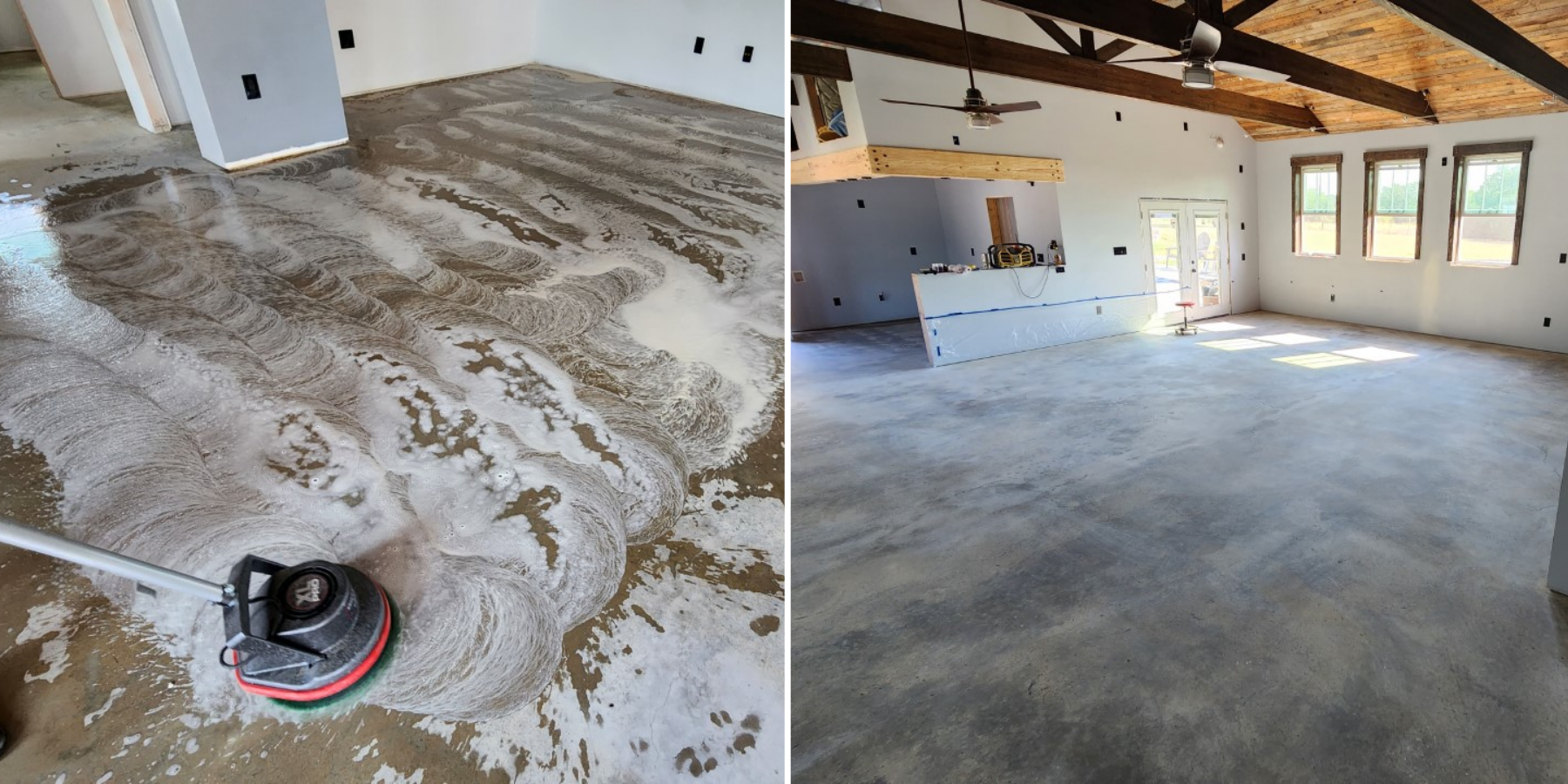
Credit: directcolors.com
Safety First: Preparing To Clean
Before you start cleaning, make sure you have the right safety gear and tools. Acid-stained concrete is generally safe to clean, but some products and methods can be dangerous if used incorrectly.
Essential Safety Gear
- Rubber gloves: Protects your hands from cleaners and stains.
- Safety glasses: Shields your eyes from splashes.
- Ventilation: Open windows and doors to allow fresh air, especially if using chemicals.
- Non-slip shoes: Wet floors can be slippery.
Tools And Materials You Need
Have these items ready before you begin:
- Soft-bristle broom or dust mop
- Vacuum (with brush attachment)
- Microfiber mop
- Bucket
- PH-neutral cleaner (very important—never use bleach or ammonia)
- Spray bottle
- Soft towels or rags
- Warm water
- Wet/dry shop vacuum (optional, for large spaces)
- Sealer (if you need to reapply after cleaning)
Choosing the right cleaner is critical. Only use pH-neutral cleaners designed for acid-stained concrete. Avoid strong chemicals—they can ruin the finish.
Step-by-step Guide: How To Clean Acid Stained Concrete Floors
Follow these steps for regular cleaning, deep cleaning, and dealing with tough stains. Each step is important to keep your floor in top condition.
1. Dry Cleaning: Remove Dust And Debris
Start with dry cleaning to prevent scratching the surface when you mop.
- Sweep the floor with a soft-bristle broom or use a dust mop.
- For corners and edges, use a vacuum with a brush attachment.
- Do this at least once a week or more in high-traffic areas.
Tip: Never use a stiff broom or metal brush; they can scratch the surface.
2. Wet Cleaning: Mop With Care
Now it’s time to clean with water and a mild cleaner.
- Fill a bucket with warm water and add a small amount of pH-neutral cleaner (follow the label instructions).
- Dampen a microfiber mop in the solution and wring out well. Don’t let the mop drip.
- Mop in small sections, rinsing the mop often.
- For tough spots, spray cleaner directly on the area and gently scrub with a soft towel.
- After cleaning, go over the floor with a mop dampened only with clean water to remove any cleaner residue.
Important: Avoid using too much water. Concrete is porous, and standing water can seep in and cause problems.
3. Dry The Floor Properly
After mopping, dry the floor quickly.
- Use clean towels or a dry mop to remove any moisture.
- For large spaces, a wet/dry shop vacuum can help.
- Make sure the floor is completely dry before walking on it.
Extra Insight: Leaving water to air dry can cause mineral spots or dull areas, especially in hard water regions.
4. Spot Cleaning: Dealing With Stubborn Stains
Some stains need extra attention.
- For spills (coffee, wine, oil): Blot immediately with a clean towel. Do not rub.
- For sticky or greasy spots: Use a little extra pH-neutral cleaner and a soft towel.
- For water spots or mineral deposits: Mix a small amount of white vinegar with water (1:10 ratio), dampen a towel, and gently wipe the spot. Rinse the area with clean water, then dry.
Caution: Test vinegar on a small area first. Do not use it on large areas—it can react with the acid stain.
5. Deep Cleaning: When Regular Cleaning Isn’t Enough
Sometimes, floors need a deep clean, especially after a party, construction project, or months without attention.
- Remove all furniture and rugs from the area.
- Sweep and vacuum thoroughly.
- Use a pH-neutral floor cleaner mixed with warm water.
- Scrub with a soft mop or a soft-bristle brush (never metal).
- For large floors, work in sections, so cleaner doesn’t dry on the surface.
- Rinse each section with clean water and dry immediately.
- Inspect for stubborn stains and repeat spot cleaning as needed.
Practical Example: In a restaurant, deep cleaning once a month helps remove food and drink buildup and keeps the floor looking fresh.
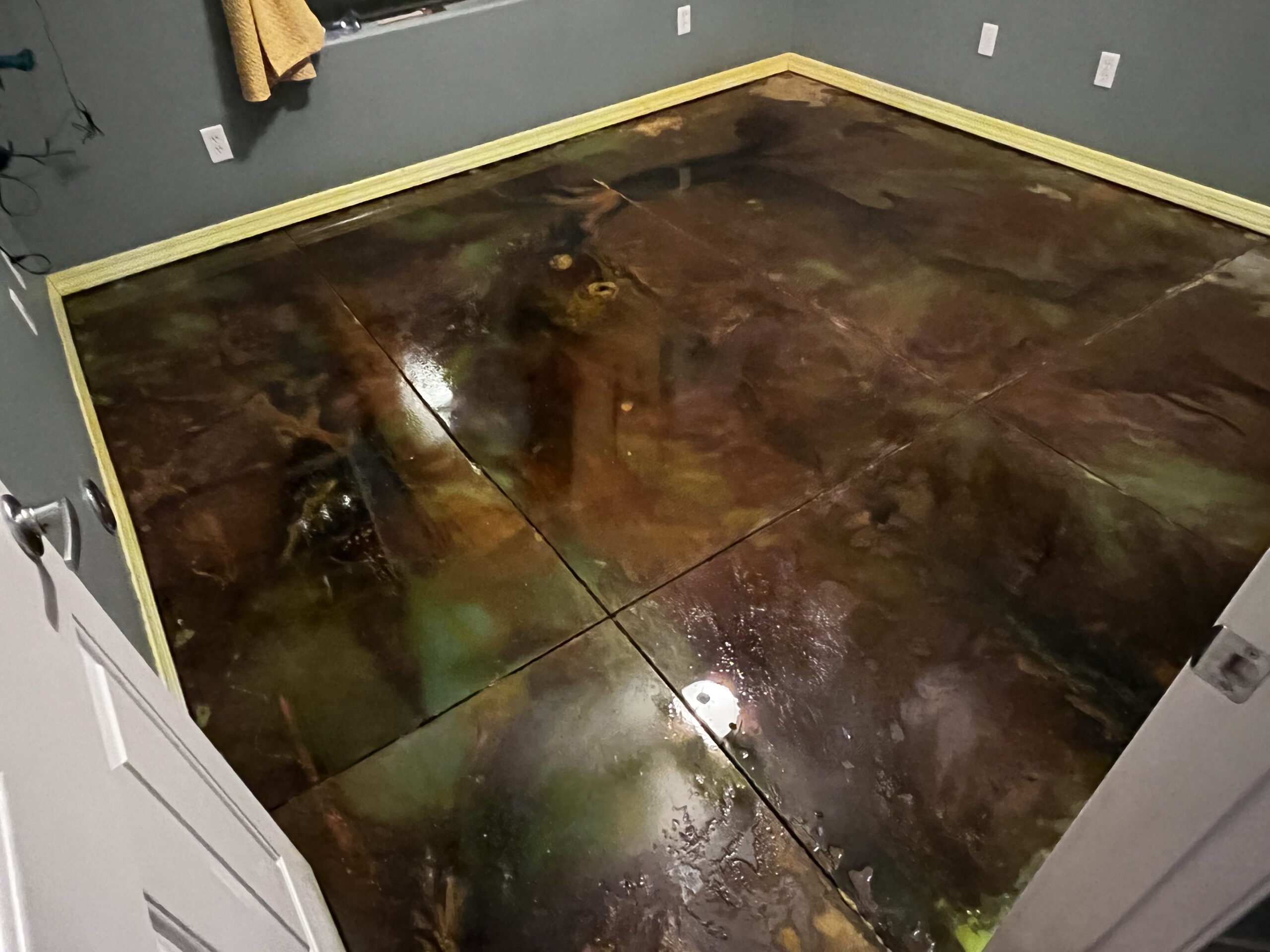
Credit: directcolors.com
How To Maintain Acid Stained Concrete Floors
Cleaning is only part of the process. Regular maintenance keeps your floor looking beautiful and lasting for years.
Apply A Sealer
A sealer protects the floor from spills, stains, and wear. Over time, the sealer can wear down and needs to be reapplied.
- Most floors need resealing every 1–3 years, depending on traffic.
- Use a sealer made for acid-stained concrete.
- Clean the floor well and let it dry before applying the sealer.
- Follow the manufacturer’s instructions for drying time before walking on the floor.
Non-Obvious Insight: If you see dull areas or water soaks in quickly, it’s a sign the sealer is wearing off.
Use Floor Wax Or Polish (optional)
Some people like to use a floor wax or polish for extra shine and protection. This is optional but can help in high-traffic or commercial areas.
- Use only wax made for stained concrete.
- Apply thin, even layers and let each layer dry completely.
Preventative Care
You can prevent most problems with a few simple habits:
- Place mats at entryways to catch dirt and grit.
- Use felt pads under furniture legs.
- Wipe up spills immediately.
- Avoid dragging heavy items across the floor.
Extra Tip: In kitchens, use a rug near sinks or stoves to catch splashes and reduce wear.
Common Mistakes To Avoid
Many people accidentally damage their acid-stained floors by making these mistakes:
- Using harsh chemicals: Bleach, ammonia, and strong acids can strip the color and ruin the finish.
- Too much water: Soaking the floor can cause the sealer to lift and let stains penetrate.
- Scrubbing with metal brushes: Always use soft materials to avoid scratches.
- Skipping the sealer: Without a sealer, the floor is unprotected and ages quickly.
- Ignoring small stains: Even small spills can become big problems if not cleaned up right away.
Comparing Cleaning Methods
To help you choose the right cleaning method, here’s a look at the pros and cons of common approaches:
| Cleaning Method | Best For | Risks |
|---|---|---|
| Dry Sweep & Mop | Everyday dirt and dust | Misses sticky stains |
| pH-Neutral Cleaner | General cleaning | Few, if used correctly |
| Vinegar Solution | Mineral deposits (spot only) | Can dull finish if overused |
| Harsh Chemicals | Never recommended | Severely damages stain and sealer |
How To Remove Tough Stains Without Damaging The Floor
Some stains are stubborn and need extra care. Here’s how to tackle them while protecting your floor:
Oil Stains
- Blot up excess oil with a paper towel.
- Sprinkle baking soda over the spot and let it sit for 10–15 minutes.
- Sweep away the powder, then clean with a pH-neutral cleaner and a damp towel.
Rust Stains
- Use a cleaner labeled safe for acid-stained concrete (many rust removers are too strong).
- Apply to the spot, let it sit for a few minutes, then scrub gently with a soft brush.
- Rinse well and dry.
Food Or Drink Stains
- Clean up spills immediately.
- For dried stains, use a little extra cleaner and let it sit for 2–3 minutes before wiping.
Important Note: Never use abrasive powders or scouring pads—they can scratch and remove the stain color.
Comparing Commercial Cleaners For Acid Stained Concrete
Not all commercial floor cleaners are safe for acid-stained concrete. Here’s a comparison of popular options:
| Brand | pH Level | Safe for Acid-Stained? | Notes |
|---|---|---|---|
| Simple Green Floor Cleaner | Neutral | Yes | Widely available, gentle formula |
| Pine-Sol | Alkaline | No | Can dull or strip finish |
| Fabuloso | Neutral | Yes | Safe for sealed floors |
| Vinegar | Acidic | Spot only | Test small area first |
Pro Tip: Always test any cleaner in a hidden spot before using it on the whole floor.
How Often Should You Clean Acid Stained Concrete Floors?
Regular cleaning helps prevent buildup and stains. Here’s a simple schedule:
- Sweep or dust mop: 2–3 times per week (more in busy areas)
- Wet mop with pH-neutral cleaner: Once per week, or as needed
- Spot cleaning: Immediately when spills or marks appear
- Deep cleaning: Every 1–3 months, depending on use
- Resealing: Every 1–3 years
Non-Obvious Insight: Skipping regular dry cleaning means grit acts like sandpaper, wearing down the protective sealer much faster.
What To Do If The Floor Looks Faded Or Damaged
Over time, acid-stained floors can lose shine or color, especially in high-traffic areas. Here’s how to restore them:
- Clean the floor thoroughly.
- Let it dry completely.
- Apply a fresh coat of sealer, following the manufacturer’s instructions.
- For badly faded or damaged areas, you may need to re-stain. This is a job for a professional, as it requires stripping old sealers and carefully matching colors.
Warning: DIY restaining can cause uneven colors and visible lines. Always test products and methods first.
Environmental Factors That Affect Cleaning
Your local environment can change how you clean and care for acid-stained concrete.
- Humid climates: Floors stay damp longer; dry them thoroughly to prevent mold.
- Hard water: Leaves white spots; rinse with distilled water if possible.
- High-traffic areas: Need more frequent cleaning and resealing.
- Outdoor floors: Face more dirt, rain, and UV fading; use outdoor-rated sealers and clean more often.
When To Call A Professional
Sometimes, DIY cleaning isn’t enough. Call a professional if:
- The stain is deeply etched or burned into the concrete.
- The sealer is peeling or yellowing.
- There are large, stubborn stains you can’t remove.
- The floor needs complete restaining or refinishing.
Professionals have tools and products that can fix serious problems without further damage.
Cost Considerations: Diy Vs. Professional Cleaning
Cleaning and maintaining acid-stained concrete is usually affordable. However, costs can rise if you need professional help or special products.
| Cleaning Task | DIY Cost (Approx.) | Professional Cost |
|---|---|---|
| Regular Cleaning | $10–$30 per month | $100–$200 per visit |
| Deep Cleaning | $20–$50 per session | $200–$400 per visit |
| Resealing | $0.30–$0.80 per sq. ft. | $1.50–$3.00 per sq. ft. |
| Restaining | Not recommended | $3.00–$8.00 per sq. ft. |
Experience-Based Tip: Most homeowners can do regular and deep cleaning themselves, but it’s worth hiring a pro for major restoration.
Real-world Example: Cleaning Acid Stained Concrete In A Busy Restaurant
Imagine a busy restaurant with acid-stained floors in the dining area. Every day, hundreds of people walk across the floor, and spills happen often.
- Staff sweep the floor twice a day to remove grit and crumbs.
- Wet mopping with a pH-neutral cleaner is done every night after closing.
- Tough stains (wine, oil) are blotted immediately and spot cleaned.
- Once a month, the manager schedules a deep clean and checks for dull spots.
- The floor is resealed every 18 months.
Result: The floor stays beautiful, shiny, and easy to clean, making a great impression on customers.
Where To Learn More
If you want to dive deeper into the chemistry of acid staining or see advanced restoration techniques, check out this Wikipedia article on concrete stains for more details.
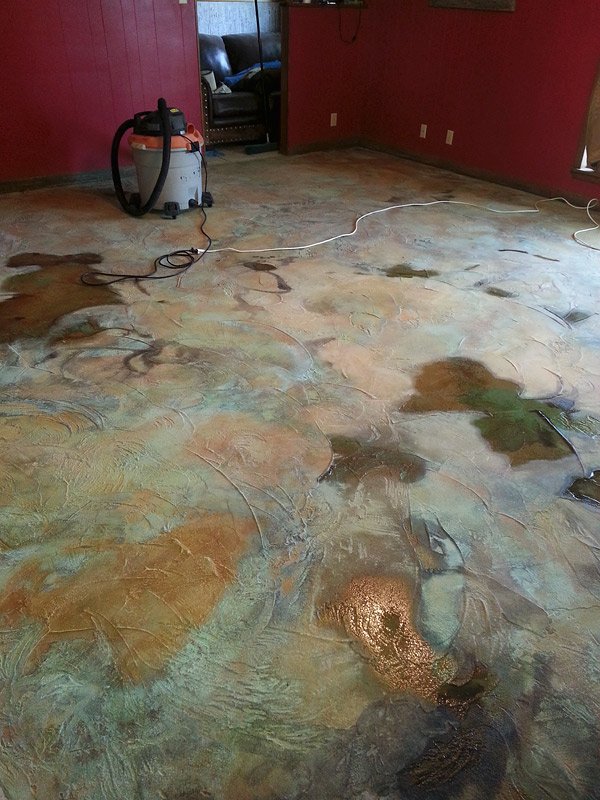
Credit: www.concretedecor.net
Frequently Asked Questions
How Do I Know If My Cleaner Is Safe For Acid-stained Concrete?
Only use pH-neutral cleaners labeled safe for sealed concrete. Avoid anything with bleach, ammonia, or strong acids. Always test new products in a small, hidden area first.
Can I Use Vinegar Or Baking Soda To Clean Acid-stained Concrete?
Vinegar is acidic and can dull the finish if used too much. It’s safe for spot cleaning hard water stains in a very diluted mix. Baking soda is alkaline and should only be used for spot cleaning greasy stains, not for general cleaning.
How Often Should I Reseal My Acid-stained Concrete Floor?
Most floors need resealing every 1–3 years. High-traffic areas and outdoor spaces may need it more often. Signs you need resealing include dull spots, water absorbing quickly, or the floor looking dry.
What Should I Do If My Acid-stained Floor Gets Scratched?
For small scratches, clean the area and apply a new layer of sealer. For deep scratches or damaged color, you may need to call a professional to restain and reseal that section.
Are Steam Mops Safe For Acid-stained Concrete?
No, steam mops are not recommended. High heat and moisture can break down the sealer and damage the stain. Stick to damp mopping with pH-neutral cleaners.
Keeping your acid stained concrete floors clean isn’t hard, but it does require the right approach. With the steps and tips in this guide, you can protect your investment and enjoy beautiful, long-lasting floors for years to come. The key is regular care, quick attention to spills, and using the right products. With a little effort, your floors can be a highlight of your home or business.