
Changing the look of your home can be exciting, but sometimes the cost and effort of replacing floor tiles is simply too high. Many people want a new style or updated color for their floors, but feel stuck with what they have. If you think changing your floor tile color means a full renovation, you’re not alone. The good news is, you don’t need to remove or replace your existing tiles to make a big difference. There are proven methods to update the color of your floor tiles that work for both ceramic and porcelain, and they don’t require professional skills.
In this guide, you’ll discover the most effective and practical techniques to change floor tile color without replacing. You’ll get step-by-step instructions, learn about important materials, and find out how to avoid mistakes beginners often make. By the end, you’ll know exactly how to transform your tile floors in a cost-friendly, long-lasting way.
Whether you want a quick refresh or a complete color change, this article will walk you through every detail.
Understanding Your Existing Tile
Before starting, it’s critical to know what kind of tile you have. Floor tiles can be ceramic, porcelain, natural stone, or even vinyl. Most color-changing methods work best on ceramic or porcelain tiles. These tiles have a hard, non-porous surface that can accept paint, stain, or coating if prepared properly.
Check if your tile has a glossy finish. Glossy tiles need extra preparation because paint and stain won’t stick well. If you’re unsure about your tile type, take a small sample to a local hardware store. Understanding your tile helps you pick the right method and avoid wasting time and money.
Why Change Floor Tile Color?
Many homeowners want to change floor tile color for reasons like:
- Outdated tile colors that no longer match their style
- Discoloration or stains that won’t clean off
- Wanting a modern look without replacing the tiles
- Preparing a home for sale to attract buyers
Changing color is also much cheaper than installing new tiles. For example, painting or staining a 200 sq. ft. floor may cost $100–$300, while replacing tiles could cost $2,000 or more. You also avoid the mess, noise, and days of work that come with tile removal.
Main Methods To Change Floor Tile Color
There are several reliable methods to change the color of your floor tiles without removing them. Each method has unique benefits and is best for certain situations. Let’s look at these in detail.
1. Tile Paint
Tile paint is a special coating made to stick to ceramic or porcelain surfaces. It’s the most popular way to change tile color and works well on floors, especially in bathrooms or kitchens.
How To Use Tile Paint
- Clean the tiles. Remove all dirt, dust, and grease with a tile cleaner or degreaser.
- Sand the surface. Use fine sandpaper (220 grit) to roughen the surface. This helps paint stick.
- Apply a bonding primer. This improves adhesion and prevents peeling.
- Paint the tiles. Use a small roller or brush. Apply two thin coats, allowing full drying between coats.
- Apply a sealer. A clear polyurethane or epoxy sealer makes the paint last longer.
Pros And Cons
| Pros | Cons |
|---|---|
| Easy for DIY | May chip if not sealed well |
| Wide color choices | Not as durable as new tile |
| Affordable | Needs proper prep |
Non-obvious Insight
Many beginners skip bonding primer or don’t wait for paint to dry fully before sealing. This often leads to peeling or uneven color. Don’t rush the drying times listed on your products.
2. Tile Stencils And Patterns
If you want to add both color and design to your tile floor, stencils are a great choice. You can create patterns like Moroccan, geometric, or even a “faux rug” look.
How To Use Tile Stencils
- Prepare the floor as you would for painting.
- Paint the base color first and let it dry.
- Tape the stencil securely over a tile.
- Apply accent color with a small roller or foam brush.
- Move the stencil to the next tile, repeating the pattern.
- Seal the floor with a clear topcoat.
Why People Love Stencils
Stencils let you keep the original tile texture, but completely change its style. You can customize patterns and colors to match your home.
Common Mistake
Not securing the stencil tightly causes paint to bleed under the edges, making designs look messy. Use painter’s tape and press the stencil down firmly each time.
3. Epoxy Coatings
Epoxy is a two-part resin that creates a very hard, glossy finish. It’s often used on garage floors, but high-quality products are made for home tile floors too.
Steps To Apply Epoxy
- Clean and degrease the tiles thoroughly.
- Lightly sand the surface.
- Mix epoxy resin and hardener as directed.
- Pour and spread epoxy across the floor with a notched trowel or roller.
- Let cure for at least 24 hours.
Durability Comparison
Epoxy is stronger than paint and resists water, stains, and scratches better. It’s a good choice for high-traffic areas.
Table: Paint Vs. Epoxy For Tile Color Change
| Feature | Tile Paint | Epoxy Coating |
|---|---|---|
| Durability | Good | Excellent |
| Finish | Matte or satin | Glossy |
| Drying Time | 4–8 hours per coat | 24–48 hours |
| Application Difficulty | Easy | Moderate |
| Price (per 100 sq. ft.) | $40–$80 | $100–$200 |
Insider Tip
Epoxy floors can be slippery when wet. If you’re doing a bathroom or entryway, add a non-slip additive to the epoxy before applying.
4. Tile Dye And Stain
For a more natural look, especially with stone-look ceramic or porcelain, you can use tile dye or stain. These soak into the tile surface and create a semi-transparent color, letting some texture show through.
Using Tile Dye Or Stain
- Clean and lightly sand the tile.
- Apply dye or stain with a sponge or rag. Work in small sections.
- Wipe off excess to control color intensity.
- Let dry, then apply a sealant.
Key Advantage
Stains and dyes last longer than paint because they soak into the tile. They’re perfect for earthy tones or rustic looks.
What Beginners Miss
Dyes and stains are permanent. Test your color on a hidden tile first. Once applied, you can’t easily remove or lighten the color.
5. Peel-and-stick Tile Decals
If you want a fast, removable solution, consider peel-and-stick tile decals. These are vinyl stickers designed to fit over existing floor tiles. They come in many patterns and colors.
How To Use Tile Decals
- Clean the tile and let it dry.
- Peel off the backing of the decal.
- Align and stick the decal to the tile surface, pressing out air bubbles.
- Trim edges with a sharp knife if needed.
Pros And Cons
- Pros: Fast, no mess, easy to remove or update, no fumes.
- Cons: Not as durable as paint or epoxy, may peel in high-traffic or wet areas.
Table: Long-term Durability By Method
| Method | Expected Lifespan | Best For |
|---|---|---|
| Tile Paint | 2–5 years | Low/medium traffic |
| Epoxy Coating | 5–10 years | High traffic |
| Tile Stencils | 2–5 years | Decorative areas |
| Tile Dye/Stain | 5–8 years | Natural look |
| Tile Decals | 6–18 months | Temporary update |
Smart Use
Decals are perfect for renters or people who want a seasonal or trendy look, but not a permanent change.
Preparing Your Floor For Color Change
Preparation is the most important step, no matter which method you choose. Skipping or rushing prep is the top reason DIY tile color changes fail.
Cleaning
All surfaces must be completely free of dirt, oil, and soap scum. Use a strong tile cleaner or degreaser. Rinse well and let dry.
Repairing
Check for cracks, chips, or missing grout. Fill cracks with tile filler and let it cure. Re-grout if needed. Painting or coating over damaged tiles will not look good and won’t last.
Sanding
Lightly sanding the tile gives it a “tooth” so paint, stain, or epoxy will stick. Use a sanding block or orbital sander with fine-grit sandpaper. After sanding, vacuum and wipe away all dust.
Taping And Protecting
Cover baseboards, walls, and any areas you don’t want colored with painter’s tape and drop cloths. This saves hours of cleanup later.
Choosing The Right Products
Selecting quality products is important for both looks and durability. Here’s what to look for in your materials:
Tile Paint
- Choose a paint labeled “tile and tub” or “multi-surface enamel”
- Avoid latex wall paint; it won’t last on floors
- Popular brands: Rust-Oleum Tile Paint, Valspar Cabinet & Tile Paint
Primer
- Use a bonding primer made for glossy surfaces
- Zinsser and Kilz both make strong options
Sealant
- Water-based polyurethane for low-odor, indoor use
- Epoxy sealer for maximum protection (can yellow over time in sunlight)
Epoxy Kits
- Look for “floor” or “tile” epoxy, not just garage kits
- Some kits include color flakes for texture and grip
Tile Decals
- Buy from reputable brands with good reviews
- Check for waterproof and scratch-resistant features
Stain Or Dye
- Only buy products made for ceramic or porcelain—not wood stains
A Quick Product Comparison
Products sold as “tile paint” or “tile epoxy” may cost more than regular paint, but the results last much longer. Saving money on cheap paint usually means redoing your floor sooner.
Step-by-step Guides For Each Method
Let’s break down the application process for each main method. Follow these steps for the best results.
How To Paint Floor Tiles
- Clear the room. Move all furniture and rugs.
- Vacuum and mop the floor.
- Repair cracks and re-grout if needed.
- Sand the tiles lightly.
- Wipe dust away with a damp cloth.
- Tape off edges and protect walls.
- Apply bonding primer. Let dry as directed.
- Paint tiles with a roller or brush. Allow first coat to dry.
- Apply second coat if needed.
- Let paint cure for 24 hours.
- Apply clear sealer for extra durability.
- Wait 2–3 days before walking on the floor.
How To Use Epoxy
- Ventilate the area (epoxy has strong fumes).
- Clean, repair, and sand tiles.
- Mix epoxy carefully, following package instructions.
- Pour and spread with a roller or trowel.
- Work quickly—epoxy sets fast.
- Let cure for at least 24 hours before walking on it.
How To Stain Or Dye Tiles
- Clean and sand as usual.
- Apply stain/dye with a sponge, cloth, or brush.
- Wipe off excess immediately for lighter color.
- Let dry (usually 1–2 hours).
- Apply clear sealer.
How To Install Tile Decals
- Clean and dry each tile.
- Peel backing off the decal.
- Align carefully with tile edges.
- Press and smooth from center outwards.
- Trim edges if needed.
How To Stencil Tiles
- Paint base color first if desired.
- Let dry completely.
- Tape stencil over tile.
- Roll or dab stencil paint over opening.
- Carefully lift stencil straight up.
- Move stencil to next tile and repeat.
- Seal when dry.
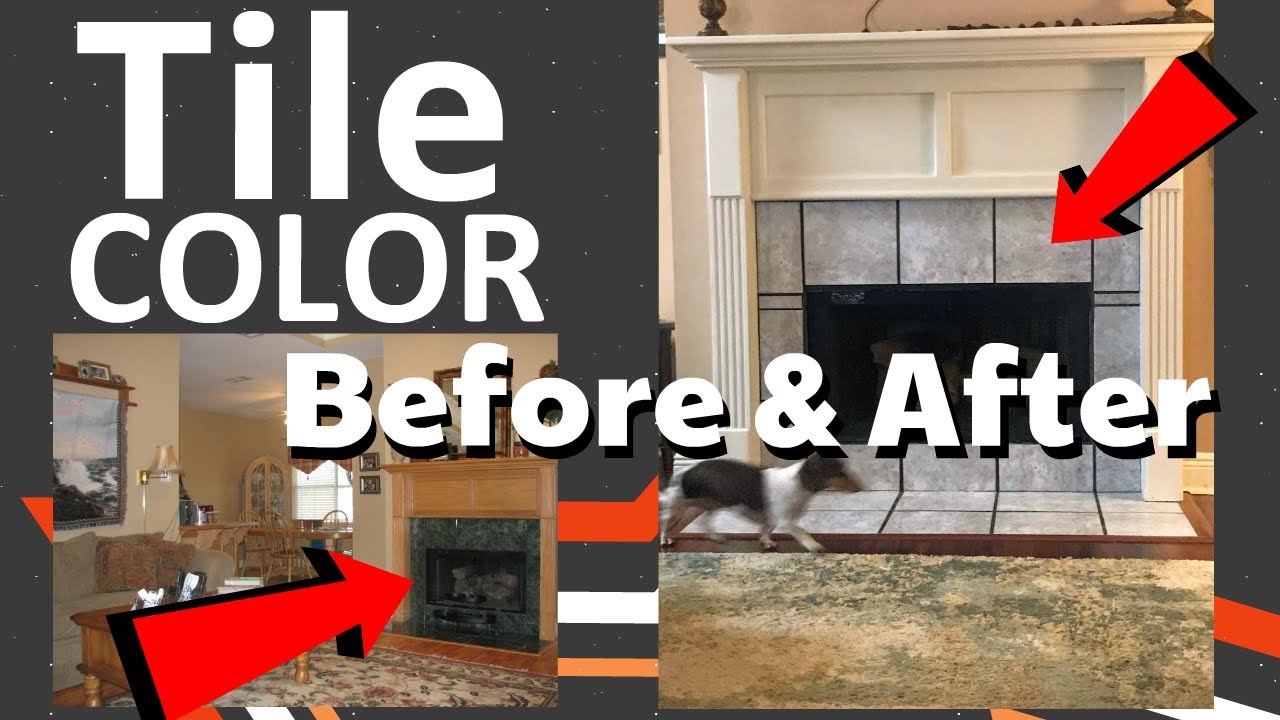
Credit: www.youtube.com
How To Choose The Best Method For Your Home
The right method depends on your needs, floor condition, and budget.
- Want a permanent, durable solution? Choose tile paint or epoxy.
- Love patterns or want to get creative? Use stencils and paint.
- Need a quick, reversible change? Try peel-and-stick decals.
- Like natural stone look? Go with a stain or dye.
Also, think about traffic level. For high-traffic areas (hallways, kitchens), epoxy lasts longest. For bathrooms, make sure your coating is water-resistant.
Maintenance After Changing Tile Color
Your new tile color will last longer with proper care:
- Use a soft mop and mild cleaner (no bleach or harsh chemicals)
- Place rugs in entryways to catch dirt
- Avoid dragging furniture across the floor
- Reapply sealer every 2–3 years for painted or stained tiles
Epoxy floors need little maintenance, but watch for scratches in heavy-use spots. Tile decals can be replaced easily if they get damaged.
Common Mistakes And How To Avoid Them
- Skipping prep: Not cleaning or sanding enough leads to peeling.
- Wrong products: Using wall paint or wood stain doesn’t last on tile.
- Rushing dry times: Each layer needs to dry completely.
- Ignoring ventilation: Fumes from paint and epoxy can be strong.
- No sealer: Paint or stain without a topcoat wears off quickly.
When Not To Change Tile Color
Some tiles are not good for color changes:
- Loose or broken tiles: Replace them first.
- Natural stone: Needs special products, not standard paint or stain.
- Heated floors: Some coatings can trap heat or become damaged.
If your tile is heavily damaged or you want a completely different surface (like wood or carpet), replacing may be the better choice.

Credit: www.youtube.com
Cost Comparison: Color Change Vs. Replacement
Changing the color of your tile is almost always cheaper than replacement. Here’s a quick look at typical costs for a 200 sq. ft. floor:
- Painting: $100–$250 (paint, primer, sealer)
- Epoxy: $200–$400 (kit, tools)
- Stencils: $150–$300 (paint, stencils, sealer)
- Tile decals: $100–$350
- Replacement: $2,000–$4,000 (tiles, labor, removal, disposal)
You also save time—most color change methods take 1–2 days, compared to 4–7 days for tile replacement.
Real-life Example
A homeowner in Florida had beige ceramic tiles that were stained and outdated. Instead of replacing, she used tile paint and a stencil pattern, spending $180 and two weekends. The result was a modern, gray-and-white patterned floor that lasted over three years with no touch-ups needed.
Safety Tips
Always wear gloves, a mask, and eye protection when sanding or using chemicals. Open windows and doors for ventilation. If you have pets or children, keep them away from the work area until all products are dry.
Where To Learn More
For more in-depth tips and examples, visit the Wikipedia page on Tiling for background on tile surfaces and history.

Credit: www.reddit.com
Frequently Asked Questions
Can I Change The Color Of Floor Tiles In A Bathroom Or Kitchen?
Yes, you can use tile paint, epoxy, or decals in bathrooms and kitchens. Just make sure the products are water-resistant and follow all prep steps. Seal the surface well to prevent water from getting under the coating.
How Long Does Painted Or Stained Tile Last?
With proper prep and sealer, painted or stained tile floors last 2–5 years in most homes. Epoxy coatings can last even longer—up to 10 years in low-traffic areas. Touch up or reapply sealer as needed for best results.
Will The New Color Peel Or Chip?
Peeling or chipping happens when surfaces are not cleaned, sanded, or primed well. Using high-quality products and letting each layer dry fully prevents most problems. High-traffic zones may need extra sealer.
Can I Use Wall Paint On Floor Tiles?
No, standard wall paint is not made for tile floors. It will peel, scratch, and wear off quickly. Always use tile paint or epoxy designed for floors.
Are These Methods Safe For Homes With Children Or Pets?
Once fully dry, tile paint, epoxy, and decals are safe for children and pets. Keep them away from the work area during application and drying. Choose low-VOC or water-based products for lower fumes.
Changing your floor tile color without replacing is easier and cheaper than you may think. With the right method, good prep, and careful application, you can enjoy a fresh new look that lasts for years—all without the mess and expense of new tiles.