
Building your own tool box is a rewarding project. It’s more than just filling a container with tools—it’s about creating a system that supports your projects, repairs, and creativity for years. Whether you’re a homeowner, a hobbyist, or someone just starting out, a well-built tool box saves time, money, and frustration.
Many people buy random tools over the years, but without a plan, they end up with clutter or missing essentials. This guide helps you build a complete, practical tool box from scratch, with smart choices and expert tips.
Understanding Your Needs
Before buying or assembling anything, you must know what you’ll use your tool box for. Are you planning for general home repairs, woodworking, automotive work, or another specialty? Each requires different tools. For most people, a basic home tool box covers 80% of common tasks: assembling furniture, fixing leaks, hanging pictures, or tightening bolts.
Take a moment to walk through your home. List typical repairs or projects you face in a year. For example, you might need to:
- Hang shelves or curtain rods
- Fix loose cabinet handles
- Replace door locks
- Unclog drains
If you focus on a trade (like electrical or plumbing), note those specific needs. This small step prevents wasted money and helps you build a box that actually works for you.
Choosing The Right Tool Box
Your tools are only as organized and protected as the box you store them in. Tool boxes come in many shapes, sizes, and materials. Choosing the right one is as important as the tools themselves.
Main Types Of Tool Boxes
Here’s a comparison of popular tool box types:
| Type | Material | Capacity | Best For |
|---|---|---|---|
| Plastic Tool Box | Plastic | Light-Medium | Home Use, Portability |
| Metal Tool Box | Steel/Aluminum | Medium-Heavy | Durability, Garage |
| Tool Bag | Fabric/Nylon | Light | Quick Jobs, Easy Carry |
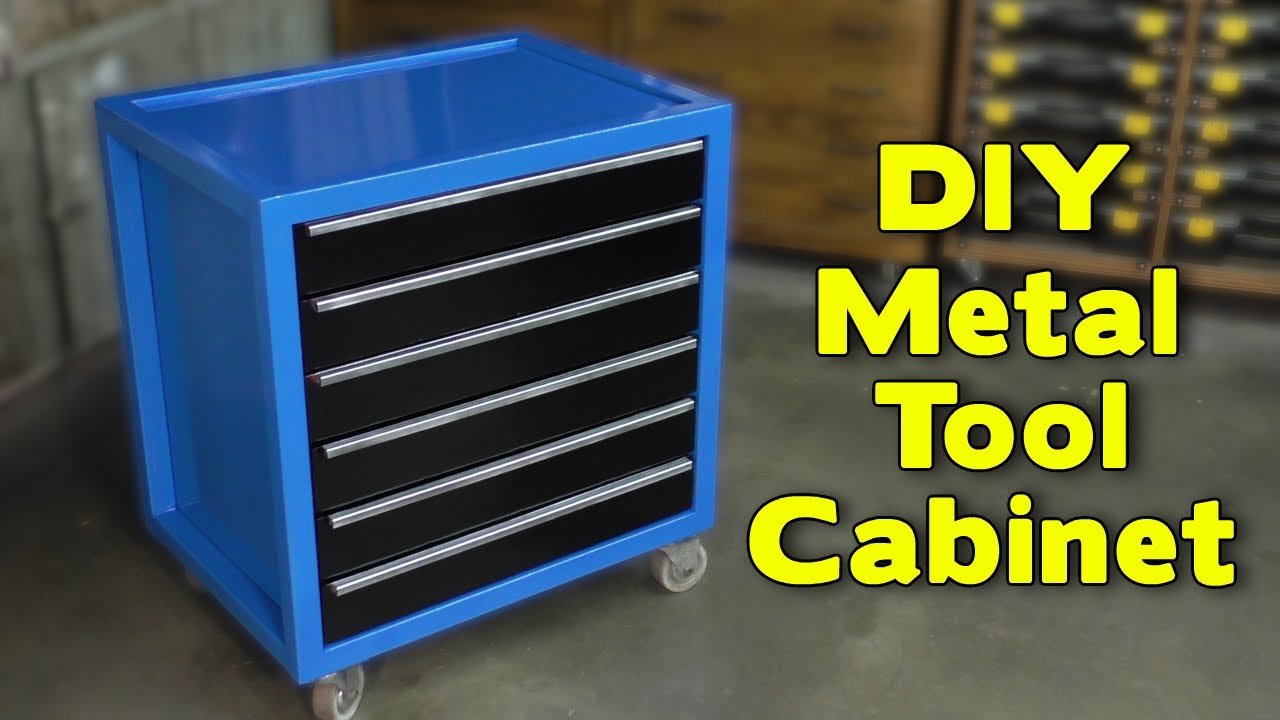
| Rolling Tool Chest | Steel | Large | Workshops, Pros |
For most people starting out, a medium-sized plastic or metal tool box (16-24 inches) is ideal. It’s portable, affordable, and fits essential tools. If you travel between locations, consider a tool bag with a shoulder strap.
Key Features To Look For
- Sturdy handle for carrying weight
- Removable tray for small items
- Lockable lid for safety
- Weather resistance if used outdoors
Pro tip: Never buy a tool box smaller than you need. Tools multiply over time, and a cramped box makes everything harder to find.
Essential Tools For Every Tool Box
A tool box is only as useful as what’s inside. The tools below are the backbone of any general-purpose tool box. These cover 90% of typical repairs and projects.
1. Hammer
A 16-ounce claw hammer is the most versatile choice. It’s heavy enough for most tasks but light enough for control. You’ll use it for driving and removing nails, tapping pieces together, or light demolition. Wooden or fiberglass handles absorb shock better than metal.
2. Screwdriver Set
Screws are everywhere—furniture, electronics, fixtures. A set with both Phillips (cross-shaped) and slotted (flat) heads in multiple sizes is essential. Magnetic tips help hold screws, making work easier. For most households, a multi-bit screwdriver with interchangeable heads saves space.
3. Adjustable Wrench
An adjustable wrench (8 or 10-inch) fits nuts and bolts of many sizes. It’s perfect for plumbing, assembling furniture, or bike repairs. Quality matters—a cheap wrench slips and rounds off hardware.
4. Pliers (slip-joint And Needle Nose)
Pliers grip, bend, pull, or cut wire. Slip-joint pliers handle bigger objects, while needle nose pliers are perfect for tight spaces and delicate tasks. If you plan to work with electronics, add a wire cutter.
5. Tape Measure
A 25-foot tape measure covers almost any home project, from measuring rooms to marking wood. Choose one with a lock and durable case. Metric and imperial markings are helpful.
6. Utility Knife
A retractable utility knife cuts everything: boxes, carpet, rope, drywall. Always keep spare blades in your tool box—dull blades are dangerous.
7. Level
A bubble level (9 or 12-inch) ensures pictures, shelves, and appliances are straight. Laser levels are great but not necessary for beginners.
8. Hex Key (allen Wrench) Set
Many flat-pack furniture and bikes use hex screws. A standard and metric set (L-shaped or folding) covers most needs. Look for a set with a holder to keep them organized.
9. Socket Set
A 1/4-inch or 3/8-inch drive socket set (with ratchet and common socket sizes) makes quick work of nuts and bolts. Even a small set is a huge time saver for car and bike repairs.
10. Adjustable Pliers (channel Lock)
Adjustable pliers grip large pipes, jar lids, or stubborn bolts. They’re especially handy for plumbing and quick fixes.
11. Handsaw
A 12-16 inch handsaw cuts wood, plastic, or even drywall. It’s handy for small projects where power saws are overkill.
12. Flashlight Or Headlamp
Many repairs happen in dark corners. A compact LED flashlight or headlamp makes work safer and easier. Check batteries regularly.
13. Electrical Tester
A non-contact voltage tester keeps you safe when working with wiring. It tells you if an outlet, wire, or switch is live.
14. Assorted Fasteners
Keep a small box with nails, screws, picture hangers, wall anchors, and washers. It saves last-minute trips to the hardware store.
15. Safety Gear
Safety glasses and work gloves prevent injuries. Earplugs and dust masks are good additions if you do loud or dusty work.
16. Duct Tape
This universal fixer holds, seals, and patches almost anything temporarily. Buy a quality brand—cheap tape fails quickly.
17. Utility Scissors
Heavy-duty scissors cut materials regular scissors can’t: wire ties, rope, plastic packages, and more.
18. Putty Knife
A 2-inch flexible putty knife is useful for filling holes, scraping paint, or removing caulk.
19. Small Pry Bar
A flat pry bar removes nails, lifts moldings, or opens crates. Choose one small enough for your tool box.
20. Pen, Pencil, Or Marker
Always keep a permanent marker or carpenter’s pencil handy for labeling or marking measurements.
21. Zip Ties
Plastic zip ties bundle cables, secure loose items, or make quick fixes. They take almost no space.
22. Super Glue Or Epoxy
Not just for crafts—super glue repairs ceramics, plastics, and more. For tougher jobs, keep a small tube of two-part epoxy.
23. Measuring Square
A speed square or small combination square helps mark straight lines and check angles. Essential for woodworking and precise repairs.
24. Small Adjustable Spanner
A small adjustable spanner (wrench) handles nuts and bolts too large for your main wrench, especially in tight spots.
25. Tool Storage Organizer
A compartment box keeps fasteners, blades, and small parts organized and easy to find.
Extra insight: Many beginners forget to add safety gear and fasteners, then end up stopping projects midway to buy them. Always include these basics in your first tool box.
Power Tools: When To Add Them
Hand tools are enough for most small jobs. But as your skills grow, you’ll want to add a few power tools. These save time and effort, especially for frequent repairs or DIY projects.
Essential Power Tools For Beginners
- Cordless Drill/Driver – Drills holes and drives screws. Choose one with a lithium-ion battery, variable speed, and a set of bits.
- Jigsaw – Cuts curves and shapes in wood, plastic, and metal.
- Orbital Sander – Smooths wood and painted surfaces.
- Oscillating Multi-Tool – Cuts, sands, scrapes, and more with different attachments.
Tip: Start with a drill/driver. It’s the most used power tool in any home.
Corded Vs Cordless
Cordless tools offer more freedom, but corded tools cost less and never run out of power. For home use, a cordless drill is nearly always the best first purchase.
Credit: www.youtube.com
Organizing Your Tool Box
A well-organized tool box saves time and keeps your tools in good condition. Clutter leads to lost or damaged tools.
Smart Organization Strategies
- Use the removable tray for small tools (screwdrivers, pliers, tape measure).
- Store large tools (hammer, saw, wrench) at the bottom.
- Keep fasteners and small parts in a separate compartment box.
- Group related tools together (electrical testers with tape, pliers with wrenches).
- Place safety gear on top for quick access.
Regular Maintenance
Check your tool box every few months. Clean out dirt, replace broken tools, and refill consumables (batteries, fasteners, tape). This habit keeps your kit ready for any task.
Common mistake: Many people toss tools back in a hurry and forget to restock consumables. Make it a habit to check after every big project.
Upgrading And Expanding Your Tool Box
Your first tool box covers most household needs. But as you take on new projects, you’ll want to add specialty tools.
When To Upgrade
- When you take on bigger projects (renovations, building furniture)
- If you start a new hobby (woodworking, electronics, plumbing)
- After repeated rentals/borrowing—a sign it’s time to buy your own
Examples Of Specialty Additions
- Stud finder for hanging heavy items on walls
- Pipe wrench for plumbing tasks
- Torx screwdriver set for electronics or cars
- Precision screwdriver set for small electronics and eyeglasses
- Digital caliper for measuring thickness and inner/outer diameters
Don’t rush to buy everything at once. Add as you go, based on real needs.
Tool Quality: What To Spend And Where To Save
Buying tools can be expensive, but you don’t need to buy top-of-the-line brands for everything. Here’s a guide to spending smart.
| Tool Type | Spend More | Save |
|---|---|---|
| Hammer | ✔️ | |
| Screwdriver Set | ✔️ | |
| Adjustable Wrench | ✔️ | |
| Measuring Tape | ✔️ | |
| Fasteners | ✔️ | |
| Utility Knife | ✔️ | |
| Pliers | ✔️ | |
| Safety Gear | ✔️ |
Spend more on tools that get daily use or where safety is a concern (hammer, screwdriver, pliers, wrench). Save on items like utility knives, measuring tapes, or fasteners—mid-range brands work fine.
Insider advice: Avoid “100-piece” cheap tool kits. These often include many low-quality, rarely used pieces and break easily.
Safety Tips For Using And Storing Tools
Safety matters as much as the tools you use. Injuries often happen not from big mistakes, but small oversights.
- Always wear safety glasses when cutting, hammering, or using power tools.
- Use work gloves for heavy, sharp, or rough materials.
- Keep tools clean and dry to prevent rust and slippage.
- Never use a damaged tool—replace it immediately.
- Store sharp tools (knives, saws) with blades retracted or covered.
- Keep your tool box out of reach of children and lock it if necessary.
- Unplug power tools when changing bits or blades.
Beginner insight: Most accidents happen from using the wrong tool for the job. If you’re unsure, stop and research the correct tool or technique.
Common Beginner Mistakes To Avoid
Building a tool box seems simple, but many people make mistakes that cost time and money.
- Buying too many tools at once – Start with essentials and add as you go.
- Choosing the cheapest option – Cheap tools break easily and can be dangerous.
- Ignoring organization – A messy tool box slows you down and damages tools.
- Forgetting safety gear – Injuries can happen anytime.
- Not maintaining tools – Rusty, dull, or dirty tools are less effective.
- Neglecting to restock – Always check fasteners, batteries, and blades before starting.
- Improper storage – Leaving tools in damp areas causes rust.
Being aware of these mistakes saves you frustration and money.
Real-world Example: Starter Tool Box For A New Homeowner
Imagine you’ve just moved into your first home. You want a tool box that handles most repairs without overbuying. Here’s a practical setup:
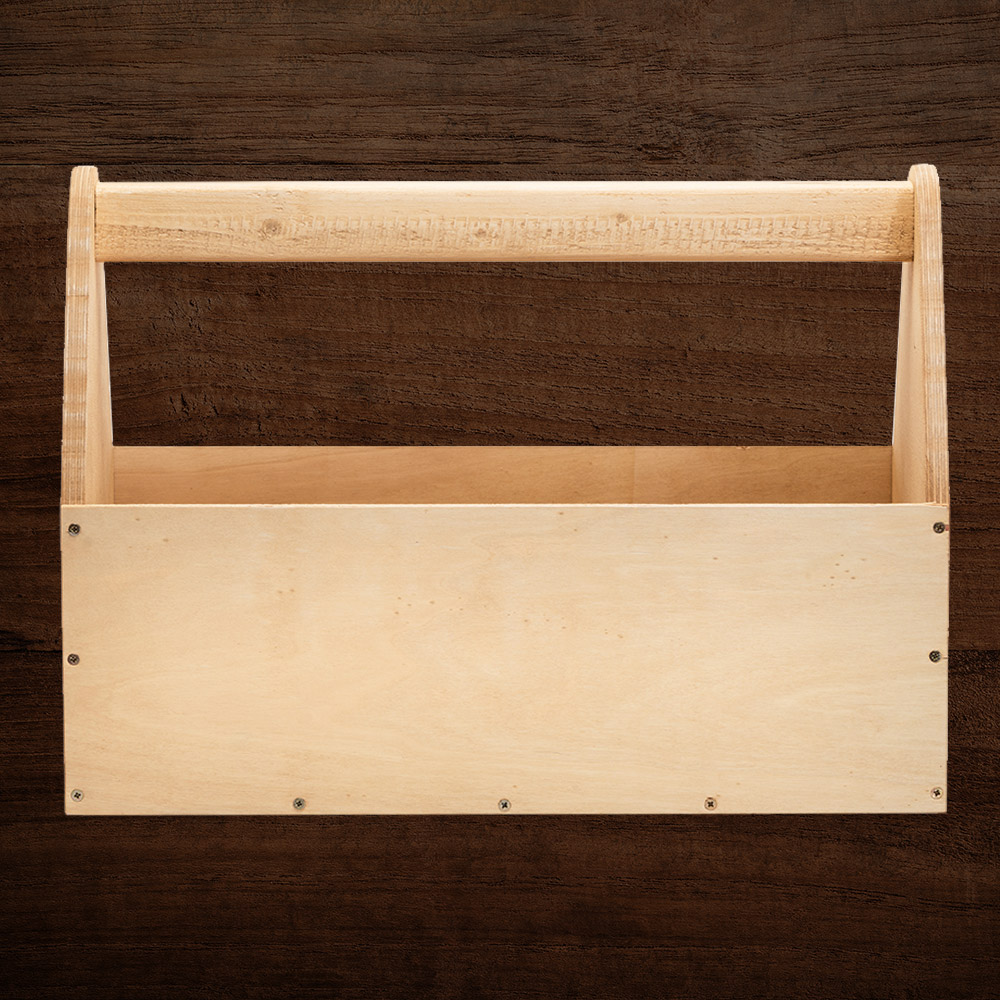
- 16-inch plastic tool box with removable tray
- 16 oz. Claw hammer
- 6-in-1 screwdriver
- 8-inch adjustable wrench
- Slip-joint pliers and needle nose pliers
- 25 ft. tape measure
- Retractable utility knife with spare blades
- 9-inch bubble level
- Hex key set (metric and standard)
- Small socket set
- Duct tape roll
- Compartment box with assorted nails, screws, anchors
- Safety glasses and gloves
- LED flashlight
- 2-inch putty knife
- Permanent marker
- A few zip ties and super glue
This setup costs around $100–$150 (in the US) and fits in a single box. It covers 95% of the repairs and projects you’ll face.
Credit: www.homedepot.com
Sustainability And Tool Longevity
Many people overlook tool care, but it extends the life of your investment and is better for the environment.
- Wipe tools clean after use, especially if exposed to water or chemicals.
- Oil moving parts (pliers, wrenches) occasionally to prevent rust.
- Sharpen cutting tools (utility knives, saws) as needed.
- Recycle or donate old or unused tools to local charities or tool libraries.
Extra tip: Investing in a few quality, long-lasting tools is more eco-friendly than replacing cheap ones every year.
Resources For Learning More
Building skills with your tools is just as important as owning them. There are many resources for beginners:
- Free DIY classes at local hardware stores
- Video tutorials on YouTube
- Home improvement books at your library
- Forums and websites like Family Handyman for tips and projects
Learning how to use your tools properly builds confidence and saves money on professional repairs.
Credit: www.youtube.com
Frequently Asked Questions
What Is The Most Important Tool In A Tool Box?
The most important tool depends on your needs, but for most people, the screwdriver set and hammer get the most use. These tools solve the widest range of everyday problems.
How Much Should I Spend On My First Tool Box?
A practical starter tool box costs around $100–$150 in the US. This covers quality basics without overbuying. Focus on essential tools first and add more as you need them.
Should I Buy A Pre-made Tool Kit Or Build My Own?
Building your own tool box allows you to choose quality tools and avoid unnecessary items. Pre-made kits can be convenient but often include low-quality or rarely used tools.
How Do I Prevent My Tools From Rusting?
Keep tools dry and clean after use. Store them in a box with a tight lid, and add a small silica gel pack to absorb moisture. Occasionally oil moving parts like pliers and wrenches.
What Is The Biggest Mistake People Make When Building A Tool Box?
The most common mistake is buying too many tools at once or choosing the cheapest options. Start with essentials, focus on quality, and upgrade as your needs grow.
Building a tool box is a smart investment in your home, your confidence, and your future projects. With the right tools, smart organization, and safe habits, you’ll be ready for almost any repair or creative idea life throws your way.