
A natural gas stove is a common choice for many homes, but sometimes you may need to switch to propane. This can happen if you move to a rural area, add a backup fuel source, or want to use your stove off the grid. While the idea might sound simple, converting a natural gas stove to propane involves more than just swapping a hose. If you do not understand the process, you could risk safety, damage your stove, or void its warranty.
This article explains every step and detail about converting a natural gas stove to propane. You’ll learn how these fuels differ, which parts need changing, what tools and safety gear are required, and whether you should attempt the job yourself.
We’ll also cover common mistakes, legal requirements, and how to test your stove after conversion. If you are thinking about making the switch, read carefully—this guide can help you avoid costly errors and make an informed choice.
How Natural Gas And Propane Stoves Work
Natural gas and propane are both common fuels for stoves, but they are not the same. Knowing the differences helps you understand why conversion is necessary.
Key Differences
- Natural gas is lighter than air, while propane is heavier.
- Propane has a higher energy content, burning hotter than natural gas.
- The gas pressure for each fuel is different. Natural gas stoves use a lower pressure (about 7″ W.C., or water column), while propane stoves need higher pressure (about 11″ W.C.).
Stoves are designed for the specific pressure and flow rates of each fuel. Using the wrong fuel without proper conversion can cause incomplete combustion, dangerous leaks, or poor performance.
Why Stoves Are Built For One Fuel
The main parts that differ are the orifices (small holes where gas comes out), regulators, and sometimes the burner valves. Each part controls how much gas is released and mixed with air. Using the wrong orifice size or regulator can lead to yellow flames, soot, or even explosions.
Why Convert A Natural Gas Stove To Propane?
You might need to convert for several reasons:
- No natural gas supply: Some areas, especially rural regions, do not have natural gas lines, but propane is available.
- Portability: Propane tanks are portable, making the stove useful for RVs, cabins, or outdoor kitchens.
- Emergency backup: Propane stores well and can provide cooking ability during disasters when natural gas lines are shut off.
- Cost and availability: In some cases, propane is cheaper or more reliable to get.
- Property changes: If you move and your new house uses propane, you may want to keep your old stove.
These practical reasons make conversion appealing, but the process requires care and the right approach.
Can All Natural Gas Stoves Be Converted?
Not every stove can be converted from natural gas to propane. Here’s what you should check:
- Manufacturer’s instructions: Look for a label or manual. Some stoves are “dual-fuel” and designed for conversion, while others are not.
- Conversion kit availability: You need a kit made for your model. If no kit exists, conversion may be unsafe or impossible.
- Warranty and legal rules: Some manufacturers void the warranty if you convert. Local laws may also require a licensed technician for the job.
If you’re not sure, contact the manufacturer or a certified technician before you begin.
What You Need Before Starting
Preparation is key for a safe and successful conversion. Gather these items:
Tools
- Screwdrivers (Phillips and flathead)
- Adjustable wrench
- Nut driver set
- Pipe thread sealant (approved for gas)
- Soft brush and soapy water (for leak testing)
- Flashlight
Safety Gear
- Work gloves
- Safety glasses
- Fire extinguisher nearby
Conversion Kit
Every conversion kit should include:
- Propane orifices (usually brass fittings)
- Propane regulator (if not already present)
- Step-by-step instructions
Use only parts approved for your stove’s make and model.
Understanding Orifices And Regulators
Before you start, it’s helpful to know how orifices and regulators work.
Orifices
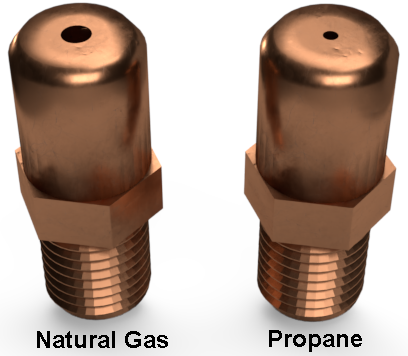
The orifice is a small opening where gas enters the burner. For propane, the hole is much smaller than for natural gas because propane is under higher pressure and burns hotter. Using the wrong orifice can cause unsafe flame sizes or carbon buildup.
Regulators
A regulator controls the gas pressure entering your stove. Propane needs higher pressure than natural gas, so the regulator must be changed or adjusted. Some stoves have built-in convertible regulators, but others require a different part.
Step-by-step Guide: Converting A Natural Gas Stove To Propane
Here is a practical guide. If you feel unsure at any step, stop and call a professional.
1. Read The Manual
Always begin by reading your stove’s owner’s manual. Look for conversion instructions and warnings. If you don’t have the manual, search for your stove’s model number online or contact the manufacturer.
2. Gather Tools And Parts
Lay out all tools, safety gear, and the conversion kit. Check that all parts match your stove’s model.
3. Disconnect Power And Gas
- Unplug the stove from the wall (if electric ignition).
- Turn off the gas supply valve.
- Disconnect the natural gas line safely.
Never work on a stove that is connected to power or gas.
4. Remove Existing Orifices
- Open the stove top or remove burners to access the orifices.
- Use a nut driver or wrench to unscrew each natural gas orifice.
- Set aside the old orifices in case you need to convert back later.
5. Install Propane Orifices
- Thread in the new propane orifices from the conversion kit.
- Tighten gently—do not over-tighten, as brass can strip easily.
6. Adjust Or Replace The Regulator
- Find the regulator (usually at the rear or underneath).
- Some regulators have a cap you flip or a screw to adjust for propane.
- If required, replace the regulator with the one from the kit.
7. Adjust Burner Air Shutters
Propane needs more air to burn cleanly.
- Locate the air shutter near each burner.
- Open the shutter slightly wider for propane.
- This helps produce a blue flame instead of yellow (yellow means incomplete combustion).
8. Connect To Propane Supply
- Attach the propane hose and regulator to your stove.
- Use pipe thread sealant on threaded connections.
- Tighten securely but do not overtighten.
9. Test For Leaks
- Mix water with a few drops of dish soap.
- Brush the solution onto all connections.
- Turn on the propane supply briefly.
- Watch for bubbles—any bubbling means a leak. Tighten and test again.
10. Check Burner Flames
- Plug the stove back in (if electric ignition).
- Light each burner.
- Look for a steady blue flame. Yellow or flickering flames mean you need to adjust the air shutter or check the orifices.
11. Test Oven (if Applicable)
- If your stove has an oven, repeat the orifice and regulator adjustment for the oven burner.
- Test the oven for even heating and proper ignition.
12. Final Safety Check
- Sniff for gas odors.
- Double-check all connections.
- Keep the manual handy for troubleshooting.
If you detect any leaks, turn off the propane and call a technician.

Credit: www.amazon.com
Comparison: Natural Gas Vs. Propane For Cooking
To see how the two fuels compare, here’s a quick look at the main factors:
| Factor | Natural Gas | Propane |
|---|---|---|
| Energy per Cubic Foot | 1,037 BTU | 2,516 BTU |
| Storage | Piped to home | Tanks (portable) |
| Pressure | 7″ W.C. | 11″ W.C. |
| Cost (varies by region) | Often cheaper | Can be more expensive |
| Common Uses | Urban/suburban homes | Rural, off-grid, RVs |
Propane burns hotter and is portable, but may cost more in some areas.
When To Call A Professional
While some handy people can do this job, there are times when professional help is wise or required:
- Your stove is under warranty and DIY work will void it.
- You are not comfortable working with gas.
- Local codes require a licensed installer.
- You detect leaks or the flame is not correct after conversion.
A professional will also have tools to measure gas pressure and ensure everything is safe.
Common Mistakes To Avoid
Many beginners miss important steps. Here are mistakes to watch for:
- Using the wrong orifices: Not all propane orifices are the same size. Make sure yours match your stove’s model.
- Skipping the regulator: Propane needs a different pressure. Failing to swap or adjust the regulator can be dangerous.
- Not checking for leaks: Even a tiny leak can lead to fire or explosion. Always test.
- Ignoring air shutters: If you don’t adjust them, you’ll get yellow flames and soot.
- Not reading the manual: Each stove is different. Follow your specific instructions.
Legal And Safety Considerations
Changing the fuel source of a stove involves safety regulations:
- In some states or cities, only licensed gas fitters can do the job.
- Insurance may not cover damage from unlicensed conversions.
- If you rent, check with your landlord before making changes.
- Always keep records of the conversion for future maintenance or resale.
Check your local building codes before starting.
What If You Want To Convert Back To Natural Gas?
If you later want to switch back to natural gas, you’ll need to reverse the process:
- Replace the propane orifices with the original natural gas ones.
- Reset or replace the regulator for natural gas.
- Adjust the air shutters back to the original position.
- Test all connections for leaks.
Keep all original parts labeled and stored safely for this purpose.
Cost Of Converting A Natural Gas Stove To Propane
The cost can vary based on your stove and whether you hire a professional.
- Conversion kit: $20–$80, depending on brand and stove type.
- Labor (if professional): $100–$250, depending on location and complexity.
- Additional materials: $10–$30 for tools or sealant.
Compared to the cost of a new propane stove ($500–$1,500), conversion is usually much cheaper.
Diy Vs. Professional Conversion: What To Consider
Here’s a quick overview to help you decide:
| Aspect | DIY | Professional |
|---|---|---|
| Cost | Lower | Higher |
| Time | 1–3 hours | 1–2 hours |
| Safety | Depends on your skill | Expert-level |
| Warranty Protection | Usually voided | Often maintained |
| Code Compliance | Risk of violation | Meets legal codes |
If you are confident in your skills and local laws allow it, DIY is possible. Otherwise, a professional is safer.
How To Test Your Stove After Conversion
After conversion, you must check that the stove works properly:
- Burner flames: They should be blue and steady. Yellow or orange tips mean you need to adjust the air or check for blockages.
- Oven performance: Bake or broil something to test even heating.
- Gas odor: There should be no smell of gas around the stove.
- Ignition: The stove should light quickly and easily.
If anything seems off, turn off the propane and check all steps again.
Maintaining Your Propane Stove
Converted stoves need regular checks:
- Clean burners and orifices every few months.
- Check hose and connections for wear or leaks.
- Store propane tanks outdoors, upright, and away from heat.
- Have a technician inspect the system annually.
Proper care extends the life of your stove and keeps it safe.
Real-world Example: Converting A Popular Stove Model
Consider the GE JGBS30 (a popular freestanding range). The manufacturer offers a conversion kit and instructions. The process involves:
- Removing grates, burners, and orifices.
- Replacing the orifices with ones from the kit.
- Flipping a cap on the regulator from “NAT” to “LP.”
- Adjusting air shutters as detailed in the manual.
Most users report the job takes about 2 hours with basic tools. After conversion, they notice faster boiling and hotter flames, but also a need for more careful flame adjustment to prevent burning food.
Credit: www.propane101.com
Propane Conversion Kit Features To Look For
Not all kits are equal. Look for these features:
- Model-specific parts: Universal kits often do not fit well.
- Clear instructions: Good kits have step-by-step guides with diagrams.
- Labeling: Each orifice should be labeled for its burner location.
- Regulator included: Some kits require you to buy the regulator separately.
- High-quality materials: Brass or stainless steel parts last longer.
Ask the seller if you are unsure which kit fits your stove.
Safety Tips For Using Propane Indoors
Propane is safe when handled well, but follow these rules:
- Always use your stove in a well-ventilated area.
- Install a carbon monoxide detector near your kitchen.
- Never use propane stoves to heat your home.
- Check hoses and connections each time you replace the tank.
- If you smell gas, shut off the supply and ventilate the area.
Environmental Impact: Propane Vs. Natural Gas
Both fuels are fossil fuels, but there are environmental differences:
- Propane is considered a “cleaner” fuel. It emits less carbon monoxide and soot.
- Natural gas produces less CO2 per unit of energy, but leaks can release methane—a potent greenhouse gas.
Neither is perfect, but propane’s portability makes it useful for off-grid or backup situations.
Troubleshooting Common Issues After Conversion
If you notice problems after converting, try these solutions:
Weak Or Small Flames
- Check that the regulator is set for propane.
- Make sure the propane tank is full.
- Inspect for blocked orifices.
Yellow Or Flickering Flames
- Adjust the air shutters for more air.
- Clean the burners and check for debris.
Burner Won’t Light
- Check the ignition system (spark or pilot).
- Make sure gas is reaching the burner (listen for flow).
Strange Odor
- Test for leaks with soapy water.
- Call a technician if you can’t find the source.
Most problems are caused by missed steps during conversion or dirty parts.
Summary: Is Propane Conversion Worth It?
Switching your natural gas stove to propane is a practical way to keep your appliance working when you move, upgrade your kitchen, or need off-grid cooking. With the right kit and careful attention to detail, many people can do the job safely. However, if you doubt your skill or local laws are strict, hiring a professional is wise. Always test for leaks, adjust air shutters, and check your flame color for safe and efficient cooking.
For more details about gas appliance conversion, you can check this resource: Wikipedia: Gas appliance conversion.
Frequently Asked Questions
What Happens If I Use A Natural Gas Stove With Propane Without Converting?
This is unsafe. The flame will be too large and hot, risking fire or explosion. The stove will not burn cleanly, causing carbon buildup and possibly releasing dangerous gases.
Can I Convert My Stove Back To Natural Gas After Switching To Propane?
Yes, if you keep the original parts. You’ll need to reinstall the natural gas orifices, reset the regulator, and adjust the air shutters back to their original positions.
Do I Need A Professional To Convert My Stove?
It depends on your local laws and your skill level. Some areas require a licensed installer. If you’re not confident, professional help is safer.
How Do I Know If My Stove Can Be Converted?
Check your owner’s manual or the manufacturer’s website. Only stoves labeled as “convertible” or “dual-fuel” should be converted. If no conversion kit is available for your model, do not attempt the switch.
Is Propane More Expensive Than Natural Gas?
In many areas, yes. Propane is often more costly per BTU, but the difference depends on your location and supplier. The main advantage of propane is portability and off-grid use.
Switching fuel types can extend your stove’s usefulness, but do it with care, preparation, and respect for safety.

Credit: www.youtube.com