
When you walk into a garden shop, the shelves often display two types of clay pots: some with a shiny, smooth finish, others with a more earthy, rough look. These are known as glazed and unglazed clay pots. To the beginner, they might look like simple choices of style. But their differences run much deeper. Choosing between glazed and unglazed clay pots can affect plant health, maintenance needs, and even your home’s air quality. This article will help you fully understand each type, so you can make confident choices for your plants, your style, and your life.
What Are Glazed And Unglazed Clay Pots?
At their core, both glazed and unglazed clay pots start as simple clay, shaped and fired at high temperatures. But what happens after that firing makes all the difference.
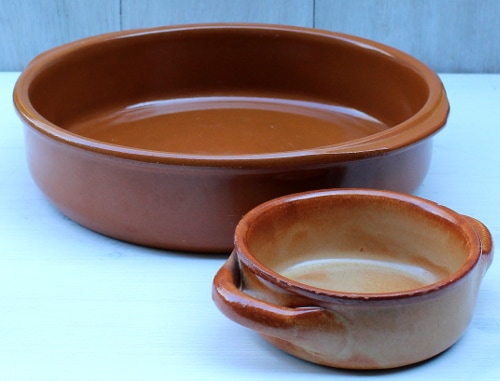
Unglazed clay pots (often called terracotta) are left in their natural state. They have a warm, reddish-brown color, sometimes with slight color variations. Their surface is rough and porous. They feel earthy, even a little chalky in your hands.
Glazed clay pots get an extra step. Before their final firing, a glass-like coating (the glaze) is added. This coating can be clear, shiny, colored, or even patterned. The result is a smooth, often glossy surface that feels much less porous and more refined.
This simple difference—glaze or no glaze—changes almost everything about the way the pot behaves, from how it interacts with water to how it looks in your home.
How Clay Pots Are Made
Understanding the making of both pot types helps you appreciate their strengths and weaknesses.
- Clay Shaping: Both start with natural clay, shaped by hand or mold.
- Drying: The shaped clay dries until firm but not fully hard.
- First Firing (Bisque): The pot is fired at a moderate temperature. This removes water and strengthens the clay.
- Glazing (Glazed Pots Only): For glazed pots, a liquid glaze is painted or sprayed on.
- Second Firing: Glazed pots are fired again, melting the glaze into a glassy coating. Unglazed pots skip this step.
The glazing process seals the clay, making it almost waterproof. This is why glazed pots feel smooth and often look brighter than unglazed ones.
Water And Air Movement
One of the most critical differences between glazed and unglazed clay pots is how they manage water and air.
Unglazed Clay Pots
Unglazed pots are porous. Water moves through their walls, which means:
- Soil dries out faster. Water evaporates not just from the top, but through the sides.
- Better airflow. Oxygen can reach roots more easily.
- Reduces root rot risk. Because the soil rarely stays soggy, roots are less likely to rot.
But there’s a downside: plants may need more frequent watering, especially in hot or dry climates.
Glazed Clay Pots
Glazed pots are non-porous. The glaze acts like a shell:
- Holds water longer. Moisture stays inside the pot, so the soil dries out more slowly.
- Less airflow. Roots get less oxygen from the sides.
- Higher root rot risk. If you overwater, the pot can trap excess moisture.
This makes glazed pots good for people who forget to water, or for plants that like steady moisture.
Appearance And Style
The look of your pot matters—sometimes as much as function.
Unglazed Clay Pots
- Natural, rustic look.
- Warm, reddish-brown color.
- Fits well with boho, cottage, or Mediterranean styles.
- Develops a patina over time (white or greenish marks from minerals or algae).
Unglazed pots rarely come in bright colors, but their earthy feel is timeless.
Glazed Clay Pots
- Wide range of colors and patterns.
- Shiny or matte finishes.
- Can mimic stone, marble, or modern designs.
- Stay cleaner-looking over time (patina doesn’t form as easily).
If you want to match your pot to your room or garden style, glazed pots offer almost endless options.
Weight, Durability, And Handling
Both pot types are made of clay, but the glaze changes their strength and feel.
Weight
- Both are heavy compared to plastic or resin pots.
- Glazed pots are sometimes a little heavier due to the glaze layer.
Durability
- Unglazed pots can absorb water, making them freeze and crack in cold weather.
- Glazed pots resist water absorption, so they’re often more frost-resistant. But if the glaze cracks, the pot can fail quickly.
Handling
- Unglazed pots feel rougher, which can give you a better grip.
- Glazed pots can be slippery, especially when wet.
If you need to move pots often, consider weight and surface texture.
Suitability For Different Plants
Not all plants want the same thing from their pots. The choice between glazed and unglazed makes a real difference.
Plants That Thrive In Unglazed Clay Pots
- Succulents and cacti: They like dry soil and hate “wet feet.”
- Herbs (like rosemary, thyme): Prefer good drainage and drier conditions.
- Mediterranean plants: Lavender, sage, and others that evolved in rocky, dry climates.
Unglazed pots help these plants by keeping their roots from staying too wet.
Plants That Prefer Glazed Clay Pots
- Tropical plants: Ferns, peace lilies, calatheas, and others enjoy consistent moisture.
- African violets: Sensitive to drying out.
- Indoor plants in dry climates: Glazed pots slow evaporation, helping the soil stay damp.
The less porous wall means less watering for these thirsty plants.
Maintenance And Cleaning
How you care for your pots can affect plant health and the look of your home.
Cleaning Unglazed Clay Pots
- Absorb stains: Mineral deposits, algae, and mold can soak into the clay.
- Need scrubbing: A stiff brush and vinegar or bleach solution help remove stains.
- Soak before reuse: Old soil and salts can stay inside. Soaking in water helps leach these out.
Cleaning Glazed Clay Pots
- Easy to wipe: The slick surface resists stains.
- Less soaking: Most dirt stays on the outside and cleans off with water and mild soap.
- Watch for cracks: If the glaze cracks, water can get in and cause damage.
Glazed pots are lower maintenance, but always check for chipped areas.
Cost Differences
Price is not just about looks—it’s also about production.
- Unglazed clay pots are usually cheaper. They skip the glazing step and use less energy.
- Glazed pots cost more, sometimes much more, especially for hand-painted or artistic pieces.
For large gardens or many pots, unglazed may save you money. But for statement pieces, glazed is worth the investment.
Environmental Impact
Both types of clay pots are more eco-friendly than plastic, but there are differences.
Unglazed Clay Pots
- Natural materials: Usually just clay and water.
- Biodegradable: If broken, they return to the earth.
- Lower energy use: Fewer steps in production.
Glazed Clay Pots
- Glaze chemicals: Some glazes use minerals and metals, which may not be fully eco-friendly.
- Higher firing temperature: Second firing uses more energy.
- Long lifespan: Last longer if not cracked.
If you’re aiming for the lowest environmental footprint, unglazed has a slight edge.
Common Problems And How To Avoid Them
No pot is perfect. Here are some typical issues and solutions.
Unglazed Pot Problems
- Efflorescence: White crust forms from minerals in water. Solution: Use distilled water or scrub regularly.
- Cracking in winter: Freezing water expands. Solution: Bring pots indoors or don’t water in freezing weather.
- Salt buildup: Fuzzy white spots from fertilizers. Solution: Soak and scrub with vinegar before reuse.
Glazed Pot Problems
- Glaze cracks (crazing): Age or impact can cause fine cracks. Solution: Handle with care, avoid sudden temperature changes.
- Root rot from overwatering: Less evaporation means water stays longer. Solution: Use a well-draining soil and only water when needed.
- Chipping: Dropping or banging can chip the glaze. Solution: Place gently, use pot feet or mats.
Using The Right Pot For The Right Place
Where you place your pot also affects the best choice.
Outdoor Use
- Unglazed pots: Great for hot, dry places (Arizona, Mediterranean climates). But protect in winter.
- Glazed pots: Better for wet or cold climates, as they resist rain and freezing better.
Indoor Use
- Unglazed pots: Good for sunny windows where soil dries quickly.
- Glazed pots: Ideal for air-conditioned or dry homes, as they keep moisture in.
Decorative Uses
- Glazed pots shine as centerpieces or in formal gardens.
- Unglazed pots blend naturally into informal, rustic, or cottage-style spaces.
Potting Soil And Drainage
The right pot is only part of the equation. How you use soil and drainage is just as important.
- Unglazed pots: Drain faster, so use richer soil or add water-retaining agents (like coco coir).
- Glazed pots: Hold water, so use well-draining soil (add sand or perlite).
Always use a drainage hole if possible. Without it, both pot types can drown roots.

Credit: www.researchgate.net
Comparison Of Key Features
To quickly compare the main differences, see the table below:
| Feature | Glazed Clay Pots | Unglazed Clay Pots |
|---|---|---|
| Water Retention | High | Low |
| Airflow to Roots | Lower | Higher |
| Appearance | Colorful, Shiny | Natural, Rustic |
| Maintenance | Easy to clean | Needs scrubbing |
| Cost | Higher | Lower |
When To Choose Glazed Clay Pots
Some situations call for glazed clay pots:
- You want to decorate with color or patterns.
- You’re planting moisture-loving species.
- You live in a dry climate or forget to water often.
- You want easy cleanup.
Remember, glazed pots can also work outdoors, but check that they’re frost-resistant.
When To Choose Unglazed Clay Pots
Unglazed clay pots are better when:
- You’re growing succulents, cacti, or Mediterranean herbs.
- You prefer a natural look.
- You need pots that “breathe” and dry out quickly.
- You have lots of pots and want to keep costs low.
If you garden in a cold region, bring unglazed pots inside before freezing weather.
Real-world Examples
Let’s look at two home gardeners and how their choices played out.
Example 1: Sarah and Her Cacti
Sarah lives in Nevada. She loves succulents and cacti but kept losing them to root rot. After switching from glazed pots to unglazed terracotta, her plants thrived. The porous walls dried out soil quickly, matching her plants’ natural needs.
Example 2: Marcus and His Ferns
Marcus lives in a Chicago apartment. His ferns kept turning brown in unglazed pots because the soil dried out too fast in his heated home. He moved them to glazed pots, and the extra moisture helped his ferns stay lush and green.
These stories show that the “best” pot is the one that matches your plant and environment.
Advanced Tips For Clay Pot Use
Here are two insights many beginners miss:
- Pre-soaking Unglazed Pots: Before first use, soak unglazed pots in water for a few hours. This prevents them from sucking moisture out of the potting mix, which can stress new plants.
- Sealing the Inside: If you love the look of unglazed pots but want slower drying, you can seal the inside with a breathable pot sealant. This gives you the rustic look with a bit more moisture control.
Comparison Of Pros And Cons
Below is a side-by-side summary to help decide at a glance.
| Type | Pros | Cons |
|---|---|---|
| Glazed Clay Pots |
|
|
| Unglazed Clay Pots |
|
|
Credit: antonellacaputo.weebly.com
How To Make The Best Choice
Ask yourself these questions before buying:
- What plant are you potting? Match the pot to the plant’s moisture needs.
- Where will the pot live? Indoors, outdoors, sunny, or shady spots can affect drying speed.
- How much maintenance do you want? Glazed pots are lower care; unglazed need more attention.
- What style do you prefer? Rustic or colorful? Match your space.
If you’re unsure, start with one of each and observe how your plants respond.
Safety And Health Considerations
A less obvious aspect is how these pots can affect your health and your plants’.
- Lead in glaze: Some old or imported glazed pots may use glazes with lead or other harmful metals. Always buy from reputable sources for food or edible plants.
- Mold in unglazed pots: Because they stay damp and porous, unglazed pots can sometimes grow mold. Clean regularly and give them sun to dry out.
For more safety information, you can check resources like the Wikipedia Lead Glaze page.
Potting And Repotting Tips
Switching pots? Here’s how to avoid mistakes:
- Soak new unglazed pots before use.
- Use drainage material (like pebbles or mesh) at the bottom.
- Choose the right soil for your plant and pot type.
- Water carefully after repotting to avoid shock.
- Check root health when moving from one pot type to another.
Switching from glazed to unglazed may mean more frequent watering, and vice versa.
Long-term Care And Replacement
Clay pots can last many years with proper care.
- Rotate pots so all sides get sun (prevents mold and uneven fading).
- Store unglazed pots indoors during winter.
- Repair small chips with waterproof glue, but replace pots with large cracks.
- Clean regularly to keep both your pots and plants healthy.
If you notice slow plant growth, check if the pot type matches your plant’s needs.
Frequently Asked Questions
How Do I Know If My Pot Is Glazed Or Unglazed?
Check the outside and inside surface. Glazed pots have a shiny, glass-like coating, usually colored or patterned. The inside may also be smooth and shiny. Unglazed pots feel rough, look matte, and are the natural color of clay—usually reddish or brown.

Credit: www.reddit.com
Do I Need To Water Plants More In Unglazed Pots?
Yes. Unglazed pots lose water through their walls, so soil dries faster. You may need to water your plants more often, especially in hot or dry conditions.
Can I Use Glazed Pots For Succulents?
You can, but be careful. Glazed pots keep soil wet longer, which succulents do not like. Use a very well-draining soil and water only when the soil is fully dry. If possible, choose unglazed for these plants.
Are Glazed Pots Safe For Growing Vegetables Or Herbs?
Most modern glazed pots are safe. But some old or imported pots may use glazes with lead or other harmful metals. Always buy food-safe pots from reputable sellers if you plan to grow edible plants.
How Do I Clean White Stains Off Unglazed Clay Pots?
Soak the pot in a mixture of water and vinegar (about 1:1 ratio) for 30 minutes, then scrub with a stiff brush. Rinse well before reusing. This helps remove mineral deposits and salt buildup.
Final Thoughts
Choosing between glazed and unglazed clay pots is more than a style decision. It affects how your plants grow, how much work you do, and even the look and feel of your space. Glazed pots offer color, easy care, and slow drying, perfect for indoors or tropical plants. Unglazed pots bring natural beauty and great airflow, making them ideal for dry-loving plants and outdoor gardens.
The best choice depends on your plant, your climate, and your taste. Start with the basics, learn from your plants, and don’t be afraid to experiment. With a little care, both types of clay pots can help you build a thriving, beautiful garden—inside or out.