
Copper Vs Stainless Steel Pans
Choosing the right cookware is not just about style or price. It’s about how your food tastes, how easy it is to cook, how much time you spend cleaning up, and even your health. Two of the most popular materials for pans are copper and stainless steel. Both have passionate fans. Both look great in a kitchen. But their differences go much deeper than appearance.
If you’ve ever wondered why chefs reach for one pan and home cooks prefer another, you’re not alone. Understanding the real pros and cons of copper vs stainless steel pans can help you make better choices—whether you’re buying your first set or upgrading after years of cooking.
Let’s explore how these two materials stack up in every way that matters.
What Makes A Good Pan?
Before comparing copper and stainless steel, it helps to know what makes a pan “good.” Most cooks care about these qualities:
- Heat conduction – How evenly and quickly the pan heats up.
- Responsiveness – How fast the pan reacts when you change the heat.
- Durability – How long the pan lasts with regular use.
- Maintenance – How easy it is to clean and keep looking good.
- Reactivity – Whether the material reacts with acidic or alkaline foods.
- Weight and comfort – How heavy the pan feels in your hand.
- Price – How much you need to spend for good results.
Not every cook values the same things. Some want the very best performance, while others want easy care. Still, these seven points show what to look for in any type of pan.
Key Features Of Copper Pans
Copper pans are legendary in professional kitchens. But what makes them so special? Here are the main features:
Outstanding Heat Conduction
Copper is the most thermally conductive common cookware material, second only to silver. That means copper pans heat up very fast and cook food evenly. Hot spots are almost never a problem, making it easier to control the temperature.
Quick Responsiveness
Turn up the flame and a copper pan gets hotter in seconds. Lower the heat and it cools quickly. This responsiveness is perfect for delicate sauces or recipes where timing matters, such as caramel or chocolate.
Distinctive Appearance
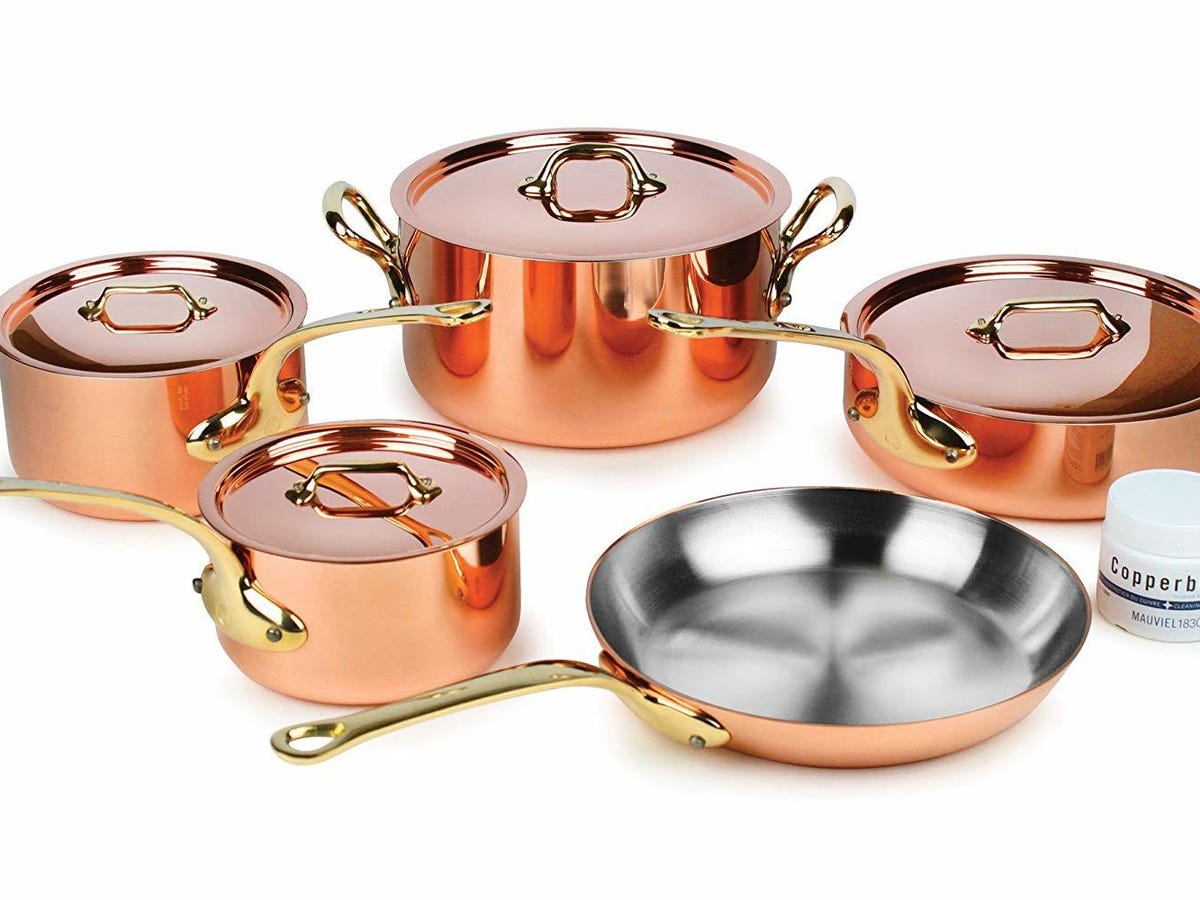
Copper pans have a rich, reddish-gold color that looks beautiful in any kitchen. Over time, they develop a patina—a soft, aged look—that many cooks love. If you prefer a shiny look, you can polish them.
Lining Materials
Pure copper is reactive with many foods, especially acids. So, most copper pans are lined with another metal, usually tin or stainless steel. The lining protects your food and makes the pan safer.
Heirloom Durability
With proper care, copper pans can last for generations. In fact, many antique copper pans are still used today. However, they do require a bit more attention than other materials.
Key Features Of Stainless Steel Pans
Stainless steel pans are the workhorses of home kitchens and restaurants. Here’s why:
Corrosion Resistance
Stainless steel is famous for being non-reactive and rust-resistant. It doesn’t stain, corrode, or change the taste of your food. This makes it a safe choice for cooking anything, from tomatoes to wine sauces.
Low Maintenance
Unlike copper, stainless steel pans require little special care. They don’t tarnish and can often go in the dishwasher. Scratches and marks may appear, but they rarely affect performance.
Multi-layer Construction
Pure stainless steel is a poor heat conductor. That’s why most stainless steel pans have a core of aluminum or copper sandwiched between layers of steel. This improves heat distribution while keeping the benefits of steel.
Modern Look
Stainless steel pans have a sleek, silver appearance that fits any kitchen style. They don’t develop a patina like copper, so they always look modern and clean if properly maintained.
Affordable Durability
Quality stainless steel pans are tough and long-lasting. They resist warping, can handle high heat, and won’t chip or peel. They’re also widely available at many price points.
Cooking Performance Compared
To decide between copper and stainless steel, you need to know how each material performs in the kitchen. Let’s compare the most important points.
Heat Conduction And Distribution
Copper is one of the best heat conductors. It spreads heat evenly across the whole pan, so you’re less likely to burn food in one spot and undercook in another. This is a huge advantage for recipes where temperature control matters.
Stainless steel, by itself, is not a good conductor. However, most modern stainless steel pans have an aluminum or copper core to fix this. They still don’t heat quite as evenly as pure copper, but the difference is smaller with good-quality pans.
Responsiveness To Heat Changes
When you adjust the heat, copper pans respond almost instantly. This lets you fix mistakes fast or adjust for delicate foods. It’s why professional chefs use copper for sauces and sugar work.
Stainless steel pans with a multi-layer core are less responsive. They hold onto heat a bit longer, which can be good for browning meat but tricky for sauces.
Cooking Versatility
Copper pans are perfect for tasks that need careful temperature control, like making custards, caramel, or sauces. However, they are usually not nonstick, so they’re not ideal for eggs or pancakes unless very well seasoned.
Stainless steel pans are more versatile for everyday cooking. They’re great for browning, sautéing, boiling, and even baking in the oven. Most can go from stove to oven with no problem.
Reactivity With Food
Unlined copper can react with acidic foods (like tomatoes, vinegar, or citrus) and change the taste or even color of your dish. This is why most copper pans are lined. Tin is traditional, but wears out over time and needs to be replaced.
Stainless steel lining is now common and more durable.
Stainless steel is almost completely non-reactive. You can cook any food in it without worry.
Weight And Handling
Copper pans are usually heavier than stainless steel pans of the same size. However, they’re not as heavy as cast iron. The weight gives a feeling of quality, but some cooks find them tiring to lift, especially in larger sizes.
Stainless steel pans are lighter, especially with aluminum cores. They’re easy to handle, even for people who have trouble with heavy cookware.
Durability And Lifespan
Copper pans can last a lifetime or more, but only with proper care. The lining (tin, usually) can wear out and must be re-tinned. Stainless steel lining is tougher but can sometimes separate if the pan is damaged.
Stainless steel pans are very durable. The metal doesn’t wear away, and there’s no lining to replace. However, they can warp if overheated when empty, especially cheaper models.
Cleaning And Maintenance
How you care for your pans makes a big difference. Let’s see how copper and stainless steel compare.
Cleaning Copper Pans
Copper tarnishes over time. The outside develops a green or brown patina, which is harmless but changes the look. You can polish copper with a special cleaner or a mix of lemon and salt if you want it shiny.
Inside, tin-lined copper pans need gentle cleaning. Avoid metal utensils or abrasive pads, as tin is soft. If the lining gets scratched, it may need professional repair.
Stainless steel-lined copper pans are easier to clean, but you should still avoid harsh scrubbing.
Never put copper pans in the dishwasher. The chemicals can damage both the copper and the lining.
Cleaning Stainless Steel Pans
Stainless steel is much easier to maintain. Most can go in the dishwasher, though hand washing keeps them looking new longer. Use a soft sponge or brush. For stuck-on food, soak the pan first or use a paste of baking soda and water.
Discoloration (rainbow stains) can happen, but these don’t affect performance. They can be removed with vinegar or special cleaners.
No need to polish. Stainless steel stays shiny with normal washing.
Cost And Value For Money
Price is a big factor when choosing cookware. Here’s what you can expect.
Copper Pans
Good quality copper pans are expensive. Prices can range from $100 to over $500 for a single pan, depending on the thickness, size, and brand. Antique or handcrafted pans cost even more.
Why so costly? Copper is a valuable metal, and making pans from it takes skill. These pans are often considered an investment and can be passed down through generations.
Stainless Steel Pans
Stainless steel pans are more affordable. Prices start around $30 and go up to $300 for high-end sets. Multi-layer pans with copper or aluminum cores cost more than single-layer models, but are still cheaper than pure copper.
They offer great value for home cooks, especially since they last so long.

Credit: chefskissathome.com
Health And Safety Aspects
Cookware safety is a concern for many families. Let’s look at the facts.
Copper Pans
Unlined copper can release copper into food, which is unhealthy in large amounts. That’s why almost all copper pans are lined. Tin is safe but soft. Stainless steel is tough and non-reactive.
Never use damaged or unlined copper pans for cooking. If you see copper exposed inside, stop using the pan until it’s repaired.
Stainless Steel Pans
Stainless steel is one of the safest cookware materials. It doesn’t react with food, and high-quality pans don’t leach metals. Only if deeply scratched or damaged could tiny amounts of nickel or chromium possibly enter food, but this is extremely rare.
For people with nickel allergies, look for “nickel-free” stainless steel.
Environmental Impact
Many cooks care about the environment. How do copper and stainless steel pans compare in terms of eco-friendliness?
Copper Pans
Copper is a natural, recyclable metal. Old pans can be melted and reused. However, mining and refining copper does use energy and resources.
Many copper pans are handmade in small batches, which can be more eco-friendly than mass production. Also, because they last so long, they create less waste over time.
Stainless Steel Pans
Stainless steel is also highly recyclable. In fact, much of today’s stainless steel is made from recycled metal. Production is energy-intensive, but the pans last a long time and can be recycled at the end of their life.
Both materials are better than nonstick pans coated with Teflon, which can flake off and are not recyclable.
Credit: www.cnet.com
Visual Comparison: Copper Vs Stainless Steel
To make things clearer, here’s a side-by-side look at the main differences between copper and stainless steel pans.
| Feature | Copper Pan | Stainless Steel Pan |
|---|---|---|
| Heat Conduction | Excellent | Good (with core) |
| Responsiveness | Very fast | Moderate |
| Durability | High (with care) | Very high |
| Maintenance | High (polishing, re-tinning) | Low (dishwasher safe) |
| Reactivity | Reactive (if unlined) | Non-reactive |
| Weight | Heavy | Medium |
| Price | Expensive | Affordable |
| Appearance | Classic, patina develops | Modern, always shiny |
When Should You Choose Copper Pans?
Copper pans are not for everyone, but there are times when they’re the best choice.
Ideal Uses For Copper Pans
- Sauces and Candy Making – When you need perfect temperature control, nothing beats copper. French chefs often use copper for sauces, jams, and caramel.
- Delicate Proteins – Fish and eggs cook beautifully in a well-seasoned copper pan.
- Showpiece Cooking – If you love cookware that looks as good as it cooks, copper adds elegance to your kitchen.
Who Should Avoid Copper Pans?
- People who don’t want to spend time polishing or maintaining pans.
- Anyone on a tight budget—copper is an investment.
- Cooks who want dishwasher-safe convenience.

Credit: prudentreviews.com
When Should You Choose Stainless Steel Pans?
For most home cooks, stainless steel is the best all-around choice. Here’s why.
Ideal Uses For Stainless Steel Pans
- Everyday Cooking – Sautéing, browning, boiling, simmering, frying—it does it all.
- Acidic Foods – Tomato sauce, lemon chicken, wine reductions all cook safely.
- Busy Cooks – If you want pans you can put in the dishwasher and not worry about, stainless steel is perfect.
Who Should Avoid Stainless Steel Pans?
- Cooks who want the absolute best heat control for delicate sauces.
- People who dislike cleaning stuck-on food (unless you use lots of oil or a nonstick pan for those tasks).
Common Mistakes When Choosing Cookware
Buying cookware can be confusing. Here are mistakes to avoid:
- Choosing based on looks alone. Beautiful pans may not suit your cooking style.
- Ignoring pan thickness. Thin pans (of any material) heat unevenly and warp.
- Buying all one material. Most pro chefs use a mix—copper for sauces, stainless for general use, and nonstick for eggs.
- Forgetting about handles and lids. Comfort and fit matter as much as the metal.
- Not considering your stove type. Induction stoves need magnetic pans. Most copper pans don’t work unless they have a special base.
Real-world Examples
Professional Chef
A chef in a French restaurant uses copper saucepans for beurre blanc (butter sauce) because even a 5-degree change can ruin the sauce. At home, the same chef uses stainless steel pans for most meals—like browning chicken or boiling pasta—because it’s easier to clean and can go in the dishwasher.
Home Cook
A home baker loves making fudge and caramel in a copper pan because it never burns. But when making spaghetti sauce or chili, she uses stainless steel because it’s safer with tomatoes and easier to clean after a big meal.
How To Tell Quality In Both Types
Not all copper or stainless steel pans are created equal. Here’s what to look for:
Quality Copper Pans
- Thick walls (2.5–3mm). Thicker means better heat control.
- Solid, riveted handles. They last longer.
- Even lining. Tin or stainless should cover the inside fully.
- Reputable brands. Mauviel, Falk, Matfer Bourgeat are top choices.
Quality Stainless Steel Pans
- Multi-layer base or full-clad. Three or five layers are best.
- Heavy feel. Avoid thin, lightweight pans—they warp easily.
- Well-fitted lids and handles.
- Clear labeling. “18/10” stainless means high nickel and chromium, which is durable.
Data Table: Typical Prices And Lifespan
Here’s what you can expect to pay and how long each type will last.
| Type | Average Price Range | Expected Lifespan | Maintenance Needed |
|---|---|---|---|
| Copper Pan | $100–$500 | 50+ years (with care) | Polishing, re-tinning (if needed) |
| Stainless Steel Pan | $30–$300 | 20–50 years | Minimal, occasional stain removal |
Special Care Tips For Each Material
For copper pans:
- Dry immediately after washing to prevent water marks.
- Use wooden or silicone utensils with tin-lined pans to avoid scratches.
- Store with care—avoid stacking heavy pans on top of copper.
For stainless steel pans:
- Let the pan heat up before adding oil to prevent sticking.
- To remove stuck food, fill with water and simmer for a few minutes.
- Avoid using high heat for long periods when empty—this can warp the pan.
Are There Hybrid Pans?
Yes! Some brands offer stainless steel pans with a copper core. These give you much of the heat control of copper, with the easy care of stainless steel. They cost more than regular stainless steel, but less than pure copper. This is a good option for cooks who want the best of both worlds.
Final Thoughts
When it comes to copper vs stainless steel pans, there’s no single winner. Copper is the top choice for heat control, beauty, and tradition, but it requires more care and is expensive. Stainless steel is versatile, easy to maintain, and affordable for most home cooks. The best kitchens often have both types for different jobs.
If you value precision and don’t mind a bit of extra work, invest in a few key copper pans for sauces and candy. If you want long-lasting, fuss-free cookware for daily meals, stainless steel is your friend. And if you’re curious to learn more about the science behind these metals, check out this detailed guide on cookware materials.
Choose based on your cooking style, your budget, and what makes you excited to cook. Good pans make cooking more fun—and delicious.
Frequently Asked Questions
What Foods Should Not Be Cooked In Copper Pans?
Acidic foods like tomatoes, vinegar, or citrus can react with unlined copper and cause a metallic taste. Always use lined copper pans for these dishes. If your copper pan’s lining is worn or damaged, avoid using it until it’s repaired.
Can Stainless Steel Pans Go In The Dishwasher?
Most stainless steel pans are dishwasher safe. However, hand washing is recommended to keep them looking shiny and new. Avoid harsh detergents, which can cause discoloration over time.
How Do I Know If My Copper Pan Needs Re-tinning?
If you see copper showing through on the inside of your pan (instead of the silver-colored tin or steel), it’s time to have it re-tinned. Cooking with exposed copper can be unsafe.
Are Copper Pans Safe For Induction Stoves?
Most traditional copper pans do not work on induction stoves unless they have a magnetic stainless steel bottom. Check with the manufacturer if you’re unsure.
Which Pan Is Better For Searing Meat: Copper Or Stainless Steel?
Stainless steel pans are usually better for searing meat. They retain heat well and develop a good crust. Copper pans can be used, but their quick responsiveness means you need to watch the temperature carefully to avoid burning.