
A gas stove is one of the most important appliances in many kitchens. It is reliable, efficient, and lets you cook a wide range of meals. But when you notice gas leaking from the burner, it becomes a serious safety risk. The smell of gas, hissing sounds, or weak flames are warning signs you cannot ignore. Many people do not realize how common these leaks are—or how quickly a small issue can become dangerous.
In this article, you will learn why gas leaks happen at the burner, how to spot them, and what steps to take if you suspect a leak. You will also discover how to prevent future leaks and decide when you need professional help.
By understanding these details, you protect your home, your loved ones, and your peace of mind.
Why Gas Stoves Leak Gas From The Burner
A gas stove works by sending gas through pipes and valves to the burner, where it mixes with air and ignites. If any part of this system fails, a leak can occur. Burner leaks are especially dangerous because they often happen close to open flames.
Common Causes Of Burner Leaks
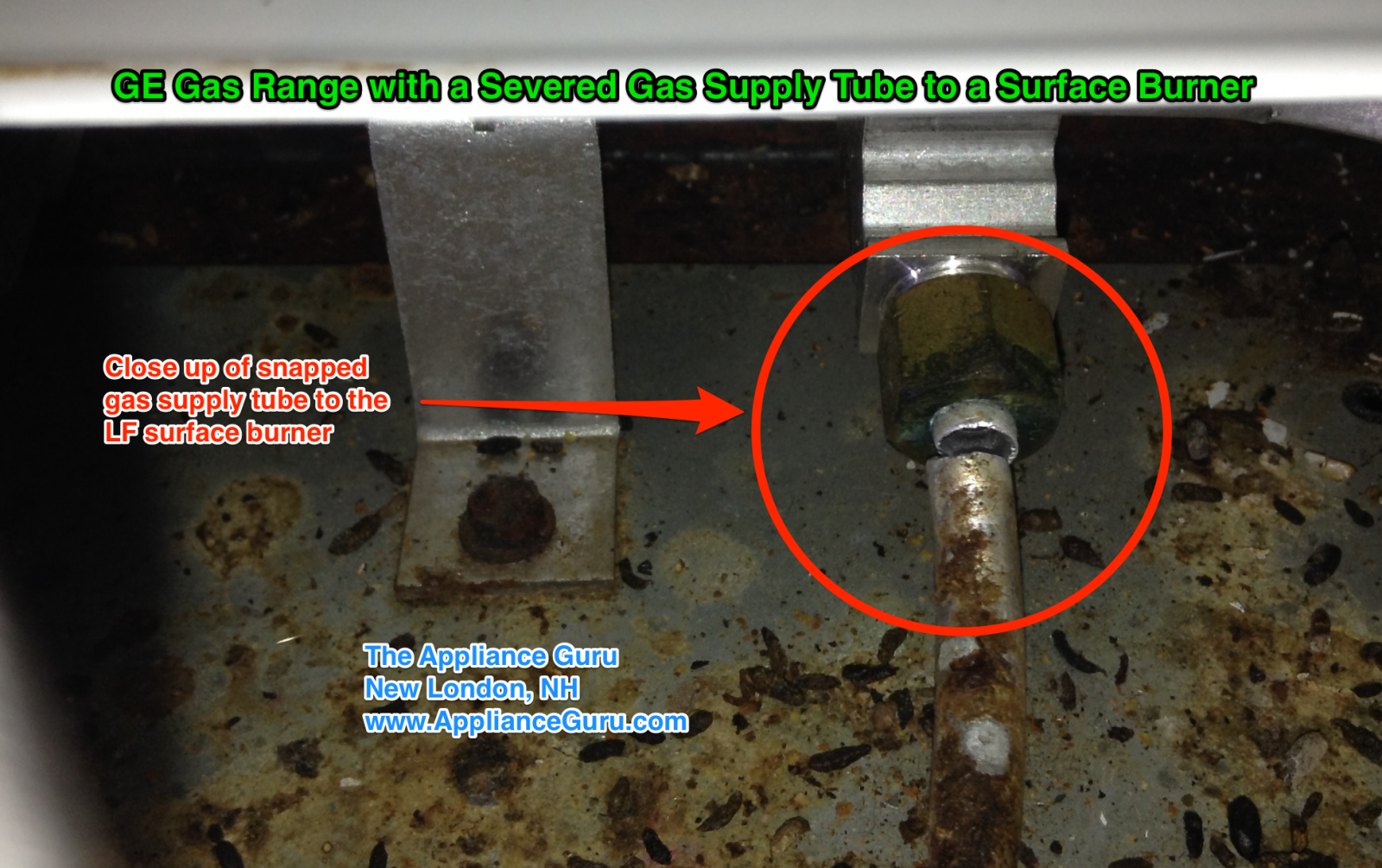
- Loose connections: If the pipe or hose attaching to the burner is not tight, gas escapes before reaching the flame. Over time, vibrations from regular use can loosen fittings, especially if the stove is moved for cleaning or repairs. Even a small gap at a connection point can let out enough gas to create a serious hazard.
- Damaged burner parts: Rust, cracks, or bends in the burner can make small gaps where gas leaks out. Burners are often made of metal, which can degrade after years of heat and moisture exposure. For example, a cast iron burner head may develop fine cracks invisible to the eye but still leak gas.
- Worn out seals or gaskets: These rubber or silicone pieces can dry out or crack, especially with age, letting gas seep through. Exposure to high heat, cleaning chemicals, and even oil can speed up this process. Gaskets are often overlooked during routine cleaning, but they play a crucial role in keeping gas contained.
- Clogged burner holes: When food or grease blocks the holes, gas may find other paths to escape, including cracks or seams. Many people clean only the stove top, forgetting that residue inside the burner head can cause pressure to build up and force gas out where it should not go.
- Faulty control valves: The valve that controls gas flow may wear out, no longer closing completely and causing leaks. This can happen due to frequent use, or if the valve is forced or turned too hard over time. Sometimes, cheap or old stoves use valves with plastic parts that degrade faster.
- Improper installation: Incorrect assembly can leave gaps, especially if the stove was recently serviced or moved. If a professional did not install the stove, connections might not be secure. Even a small misalignment in the gas line can lead to a slow, hard-to-detect leak.
Understanding The Risks
Gas is highly flammable. Even a small leak near a burner can ignite quickly. Besides fire, natural gas and liquefied petroleum gas (LPG) can cause carbon monoxide poisoning if they do not burn completely. Some leaks are slow and hard to notice, making them even more dangerous over time.
One detail many overlook is that gas can accumulate in small spaces, like under a stove or inside cabinets. Even if you ventilate the room, gas can stay trapped and create an explosion risk if a spark occurs. Also, if you have pets or small children, they may be more sensitive to gas exposure, showing symptoms before adults do.
Never underestimate the risk, even if the leak seems minor.
Signs Your Gas Stove Is Leaking Gas From The Burner
Recognizing a leak early can save lives. Look for these signs:
- Smell of gas: Most home gas has a strong, rotten egg odor added for safety. If you notice this smell even briefly while the stove is off, take it seriously.
- Hissing sound: Gas escaping from a small hole often makes a soft hiss. The sound is sometimes faint, especially during busy times in the kitchen, so try listening in a quiet moment.
- Weak or uneven flames: Flames should be blue and steady. Orange, yellow, or flickering flames can signal a leak or partial blockage. A flame that “dances” or pops is not normal and should be checked.
- Burner won’t light: If you smell gas but the burner does not ignite, gas is escaping somewhere. This can also mean gas is leaking around the burner base instead of through the holes.
- Physical symptoms: Headaches, nausea, or dizziness while cooking can mean you’re inhaling leaking gas. Children and elderly people may show symptoms first.
- Visible damage: Check for cracks, rust, or loose parts around the burner. Sometimes, you may see black soot around the burner base, which can be a sign of incomplete combustion due to a leak.
Sometimes, you may notice only one or two signs. Even if you are unsure, treat every suspicion seriously. Gas leaks can be intermittent, so pay attention to small changes that happen over time.
Step-by-step: What To Do If You Suspect A Gas Leak
If you think your gas stove is leaking from the burner, act quickly but calmly. Your actions can prevent accidents.
1. Turn Off The Stove Immediately
Shut off all burners and the main gas supply if possible. Do not try to relight the burner. Even if you think the leak is small, turning off the gas supply at the main valve is the safest action.
2. Avoid Flames And Sparks
Do not use matches, lighters, or any electrical switches (including light switches). Sparks can ignite the gas. This includes appliances like toasters and even cell phones in some cases. If you need light, use a flashlight that is already on and keep it away from the stove.
3. Open Windows And Doors
Ventilate the area to let the gas escape. Fresh air reduces the risk of fire or poisoning. If you have a ceiling fan that is already on, leave it running, but do not switch on any new devices.
4. Evacuate If Necessary
If the smell is strong or you feel unwell, leave the house and call emergency services from outside. Do not try to “tough it out”—your safety comes first.
5. Call A Professional
Contact your gas company or a licensed technician to inspect and repair your stove. Do not try to fix leaks yourself if you are not trained. Professionals have special equipment to find and fix leaks safely.
6. Do Not Use The Stove Until It Is Repaired
Using a leaking stove, even “just once,” is extremely risky. Wait for an all-clear from a qualified technician before resuming use.
How To Locate The Source Of A Gas Burner Leak
Finding the exact spot where gas leaks from the burner helps with safe repairs. Only try this if the smell is mild, and you feel safe.
Soap Solution Test
Mix a little dish soap with water in a spray bottle. Spray it on the burner area, especially around connections. If you see bubbles forming, gas is leaking there. You can also use a small brush to apply the solution if a spray bottle is not available. Watch carefully—sometimes bubbles grow slowly.
Visual Inspection
Check for:
- Loose fittings: Wiggle the connections gently to see if any move easily.
- Cracked or rusted metal: Look closely at the burner head and base. Even a small crack can cause a leak.
- Worn gaskets: These usually appear as thin rings at joints. If they look dry, sticky, or are missing pieces, replace them.
Listen For Hissing
A soft, steady hiss near the burner usually means a leak. Try listening with your ear a safe distance away, or use a cardboard tube to help direct sound to your ear.
Never use an open flame to check for leaks. This is extremely dangerous.
Sometimes, leaks are hidden behind panels or under the cooktop. If you cannot find the source after these tests, stop and call a professional—do not disassemble the stove further without training.

Credit: www.reddit.com
Repairing A Gas Burner Leak: What’s Possible At Home
Some minor leaks have simple fixes. Others require a professional. Here is how to handle common problems.
Tightening Loose Connections
If you find a loose nut or fitting, use a wrench to tighten it carefully. Do not over-tighten, as this can cause damage. If you are unsure how tight is “enough,” it’s better to ask a technician than risk breaking a fitting.
Replacing Worn Seals And Gaskets
Most stoves use rubber or silicone gaskets to prevent leaks. If you see cracks or dryness, replace these parts. Buy only manufacturer-approved replacements. Using the wrong gasket can make the leak worse, as not all gaskets handle gas safely.
Cleaning Burner Holes
If the burner holes are clogged, turn off the gas, remove the burner, and clean with a brush or pin. Do not use water on electrical parts. Let everything dry fully before reassembling. Regular cleaning prevents pressure build-up and keeps flames burning correctly.
When To Stop And Call A Professional
- If you cannot find the leak after basic checks
- If the leak returns after your fix
- If you see damage to main gas lines or valves
- If you do not feel confident at any step
Never risk your safety to save time or money. Professional repairs may seem costly, but your health and property are worth far more.
Professional Repair And Inspection
A licensed technician uses tools and training you do not have at home. They can:
- Pressure test the gas lines for hidden leaks
- Replace or repair valves, hoses, and burners
- Test the stove after repairs for safety
Most gas companies offer emergency response if you have a major leak. Some even provide annual safety checks. Scheduling these checks is a smart way to catch problems early, especially if your stove is more than five years old.
What To Expect During A Professional Inspection
The technician will:
- Ask about when you noticed the leak and any recent changes to the stove or kitchen
- Check connections, valves, and burners for damage, looseness, or wear
- Use a gas detector to measure leaks, which finds even tiny leaks you cannot smell
- Suggest repairs or part replacements based on what they find
Repairs can cost $50 to $300, depending on parts and labor. But safety is always worth the price. Some technicians also offer written reports for insurance claims or landlord records, which can be helpful if you rent.
Credit: www.reddit.com
Preventing Gas Leaks From The Burner
Prevention is easier and safer than repair. Follow these steps for peace of mind.
Regular Maintenance
- Clean burners weekly to avoid blockages. Even a quick wipe-down after each use can help.
- Check for loose fittings or worn seals every month. Look underneath and behind the stove as well, if possible.
- Schedule a pro inspection once a year. Annual checks catch problems you might miss.
Safe Installation
- Have new stoves installed by licensed professionals. Ask for proof of certification if unsure.
- Use only approved hoses and connectors. Cheap or off-brand parts are more likely to fail.
- Never move the stove without checking all connections. After moving, test for leaks using the soap solution method.
Smart Use Habits
- Do not let pots boil over—food spills block holes. Clean up spills quickly to prevent buildup.
- Turn off the burner fully after cooking. Double-check that the control knob is in the off position.
- Do not lean on or bump the stove, which may loosen parts. Teach children not to play near the stove.
Replace Old Parts
Burners, hoses, and seals wear out after 5–10 years. Replace them before they fail. If you notice rust or corrosion, do not wait for a leak to appear—replace the part.
Know The Warning Signs
Teach everyone in your home to recognize the smell of gas and what to do. Practice evacuation with your family so everyone knows how to respond quickly.
One practical tip: Mark the main gas shut-off valve with a bright sticker or tag. In an emergency, you or anyone else can find it fast.
Types Of Gas Used In Home Stoves
Most homes use natural gas or liquefied petroleum gas (LPG). Each has unique risks.
| Type of Gas | Main Component | Smell Added? | Common in | Special Risks |
|---|---|---|---|---|
| Natural Gas | Methane | Yes (Mercaptan) | City pipelines | Carbon monoxide if incomplete burn |
| LPG (Propane/Butane) | Propane, Butane | Yes (Mercaptan) | Bottled tanks | Heavier than air; collects low |
Knowing which gas you use helps with emergency response and choosing the right parts. For example, LPG leaks may settle near the floor, so check low places and do not store LPG cylinders indoors.
How Gas Burner Leaks Differ From Other Stove Leaks
Not all gas leaks are the same. Leaks can occur at different points.
| Leak Location | Signs | Danger Level | Typical Fix |
|---|---|---|---|
| Burner | Smell, weak flames, hiss at top | Very high (open flame) | Replace gasket, tighten fitting |
| Hose | Smell near back, visible cracks | High | Replace hose |
| Valve | Gas smell when off | High | Replace valve |
| Main line | Whole kitchen smells | Very high (large volume) | Professional repair only |
Leaks at the burner are often the most dangerous because they are closest to ignition points. With a burner leak, even a small spark from static electricity can cause a fire.
How Common Are Gas Stove Burner Leaks?
It is hard to know exact numbers, as many leaks go unreported. But in the United States, the National Fire Protection Association (NFPA) reports that gas stoves cause about 4,200 house fires each year. About 43% of those fires start at the cooking surface—including burners.
A 2022 study found that 1 in 10 gas stoves tested in homes had some type of leak, most often at the burner or connector. Older stoves and poorly maintained units were at higher risk.
Many leaks are small and never result in fire, but they still pose health risks. Even low-level leaks can cause headaches, fatigue, and other symptoms over time. In apartment buildings, a leak in one unit can affect neighbors through shared walls or ventilation.
Credit: appliantology.org
Real-world Example: A Hidden Burner Leak
Maria, a mother of two, smelled a faint gas odor in her kitchen for weeks. She ignored it because her stove “worked fine. ” One day, the flame on her front burner turned yellow and started making a popping sound.
She called a technician, who found a cracked burner head leaking gas. The fix cost $120, but Maria was lucky—ignoring the signs could have caused a fire.
Many people do not connect small changes in flame color or sound with leaks. Always check if something seems different.
Another example: In one apartment, a tenant noticed her cat refused to enter the kitchen. She later learned that animals can sometimes sense gas before humans do. Her stove had a slow leak at the burner base, which was fixed after a quick inspection.
The Dangers Of Ignoring A Burner Gas Leak
Some people believe a “small” leak is no big deal. This is a mistake. Even a tiny leak can lead to:
- Fire or explosion: Gas is extremely flammable, especially near open flames. Even a static spark from synthetic clothing can ignite gas.
- Carbon monoxide poisoning: Incomplete burning creates this deadly gas. Carbon monoxide is especially dangerous because it is odorless and can build up even with minor leaks.
- Health effects: Breathing in small amounts can cause headaches, nausea, or worse. Over time, exposure may affect the nervous system and worsen breathing problems.
- Legal issues: Landlords can be fined for unsafe appliances; insurance may not cover gas-related fires if you ignored leaks. In some cities, tenants can break leases if gas leaks are not fixed.
Never wait to see if a leak “goes away. ” Gas leaks only get worse.
How To Choose A Safe Gas Stove
If you need to buy a new stove, some features help prevent leaks.
Key Safety Features
- Flame failure protection: Automatically shuts off gas if the flame goes out. This prevents unburned gas from accumulating if a pot boils over or the flame is blown out.
- Sealed burners: Less likely to leak if a spill or blockage occurs. Sealed burners also make cleaning easier and reduce the chance of food getting into the gas channels.
- Sturdy control knobs: Less likely to loosen and leak. Cheap plastic knobs can crack or break, allowing gas to escape when you think the stove is off.
- CSA or UL certification: Shows the stove meets safety standards. Always look for certification marks when buying.
- Clear manufacturer warranty: Good brands stand behind their products. Warranties give you support if something fails early.
Comparing Features
| Feature | Low-End Stove | High-End Stove |
|---|---|---|
| Flame Failure Device | No | Yes |
| Sealed Burners | Sometimes | Yes |
| Certification | Not always | Always |
| Warranty | 1 year | 2–5 years |
Investing in a better stove can help you avoid leaks for years to come. Ask the store to demonstrate safety features before you buy, and read reviews from real users for extra confidence.
What Most People Miss About Gas Burner Leaks
There are two things many homeowners do not realize:
First, gas can leak even if you do not smell it. Not everyone can detect the odorant used in gas, and sometimes wind or ventilation carries the smell away. If you notice headaches, dizziness, or sleepy feelings after cooking, get your stove checked.
Second, leaks often get worse with time. A small, slow leak today can become a fast, dangerous leak tomorrow if ignored.
One more insight: Even if you use your stove every day, problems can develop slowly. Regular use does not mean everything is safe—sometimes daily wear hides damage until it becomes urgent.
Legal And Insurance Considerations
In the US, landlords must provide safe appliances. If you rent and report a leak, your landlord is required to fix it quickly. If they do not, you can contact your local housing authority.
Homeowners’ insurance may not cover damage from a leak if you knew about it and did nothing. Always keep records of repairs and inspections.
If you are a landlord, you are responsible for regular maintenance and prompt repairs. Failing to address a reported leak can result in fines or lawsuits. Tenants: Always put your repair requests in writing to protect your rights.
For more on safety codes, see the NFPA Education website.
Frequently Asked Questions
What Should I Do First If I Smell Gas From My Stove Burner?
Turn off the stove and the main gas supply right away. Open windows and doors to let out the gas. Avoid anything that can make a spark, such as light switches. If the smell is strong, leave your home and call emergency services.
Is It Safe To Use The Stove If The Leak Seems Small?
No. Even a small leak can be dangerous. Gas can build up and cause a fire or explosion. Do not use the stove until a professional has checked and repaired it.
Can I Repair A Leaking Gas Burner Myself?
You can sometimes tighten a loose fitting or replace a worn gasket if you have experience. But most repairs—especially to valves or lines—should be done by a licensed technician to ensure safety.
How Often Should I Inspect My Gas Stove For Leaks?
Check your stove at least once a month for loose parts, strange smells, or weak flames. Schedule a professional safety inspection every year, especially for older stoves.
What Is The Difference Between A Gas Smell And Carbon Monoxide?
Gas smells like rotten eggs because of an added chemical. Carbon monoxide is odorless and invisible. If your burner is leaking and the flame is weak or yellow, you may also have a carbon monoxide risk.
A gas burner leak is a problem you cannot ignore. Quick action, regular maintenance, and knowing the signs keep your kitchen safe. Stay alert and make safety your top priority every day.