
Cast iron cookware has been trusted by home cooks and chefs for hundreds of years. In recent decades, enameled cast iron has become just as popular as traditional bare cast iron. Both types have their fans, but also raise many questions for people thinking about adding these heavy pans to their kitchen. If you’re curious about how cast iron and enamel cast iron work, how they compare, and which one is better for your cooking style, this guide is for you.
Many people worry about seasoning, cleaning, health concerns, and even the best brands to buy. Others ask how these pans hold up over time, and whether they’re really worth the investment. Let’s explore the most common questions about cast iron and enameled cast iron cookware, so you can cook with confidence and get the most from these classic kitchen tools.
What Is Cast Iron Cookware?
Cast iron cookware is made from a single piece of iron, melted and poured into a mold. This creates pans, skillets, Dutch ovens, and griddles that are extremely strong and durable. The surface of bare cast iron is rough and porous. To prevent rust and create a nonstick effect, cast iron is coated with seasoning—a layer of baked-on oil.
Key Features Of Cast Iron
- Heavy and thick: Holds heat well and distributes it evenly.
- Versatile: Can go from stovetop to oven, and works for frying, baking, roasting, and more.
- Long-lasting: Can last for generations with proper care.
- Nonstick when seasoned: Becomes smoother and food releases easily after repeated seasoning.
Cast iron is famous for its ability to develop a natural nonstick surface, but only with time and use. The seasoning improves as you cook with oils and fats, creating a smooth, dark patina.
What Is Enameled Cast Iron?
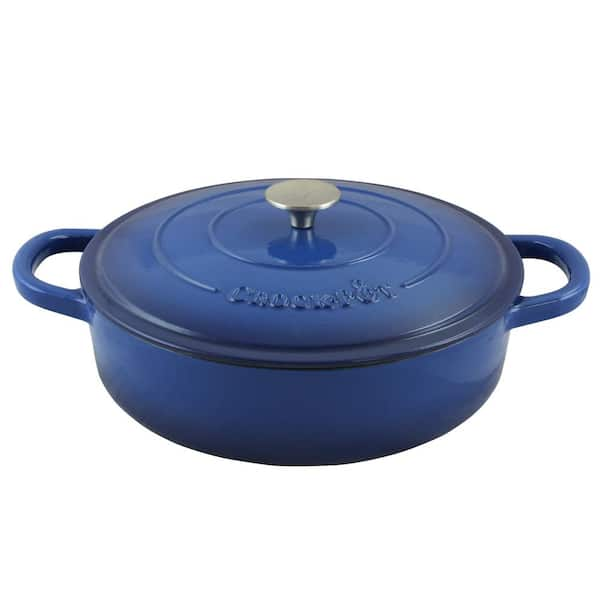
Enameled cast iron is cast iron coated with a smooth, hard layer of glass-like enamel. This colorful coating seals the iron, so it won’t rust and never needs seasoning. Brands like Le Creuset, Staub, and Lodge are well-known for these pans.
Key Features Of Enameled Cast Iron
- No seasoning required: The enamel protects the iron and prevents rust.
- Bright colors and glossy finish: Adds beauty to your kitchen and table.
- No metallic taste: Food flavors stay pure, even with acidic recipes.
- Easier to clean: Most stains and food residues wipe off easily.
Enameled cast iron is often chosen for Dutch ovens, braisers, and saucepans. The enamel layer is usually white or cream on the inside, but some brands use black enamel for more browning.

Credit: www.ebay.com
Cast Iron Vs. Enameled Cast Iron: Main Differences
Both types of cookware are made from cast iron, but their surfaces and care needs are very different. Here is a direct comparison:
| Feature | Bare Cast Iron | Enameled Cast Iron |
|---|---|---|
| Surface | Seasoned iron | Porcelain enamel |
| Rust Resistance | Needs seasoning, can rust | Does not rust |
| Nonstick | Develops with seasoning | Not nonstick, but smooth |
| Oven Safe | Yes | Yes |
| Acidic Foods | Can strip seasoning | Safe for acids |
| Dishwasher Safe | No | Not recommended |
Enameled cast iron solves some maintenance problems but has its own limits. For example, you can cook tomato sauce in enameled cast iron with no fear, but doing so in bare cast iron can harm the seasoning.
How To Season And Care For Cast Iron
Many beginners feel nervous about seasoning cast iron. In reality, it’s simple if you follow a few easy steps. Seasoning means applying a thin layer of oil to the pan and heating it until it bonds to the iron.
How To Season Cast Iron
- Wash the pan with hot water and a little soap (only for new pans or heavy cleaning).
- Dry the pan completely with a towel or over low heat on the stove.
- Rub a thin layer of oil (such as vegetable oil or flaxseed oil) over the whole surface.
- Place the pan upside-down in an oven at 450°F (230°C) for one hour. Put foil under it to catch drips.
- Let the pan cool in the oven before storing.
Each use adds more seasoning. Frying foods in oil or fat is the fastest way to build a smooth surface.
Daily Care Tips
- Avoid soaking cast iron in water.
- Dry thoroughly after washing.
- Rub a little oil on the surface before storing.
- For stuck-on food, use a scraper or a paste of salt and oil.
Common mistake: Using too much oil when seasoning. This can make the pan sticky instead of smooth. Always use a very thin layer.
Cleaning And Maintaining Enameled Cast Iron
Enameled cast iron is easier to care for, but it still needs attention to keep the finish in good shape.
How To Clean Enameled Cast Iron
- Let the pan cool before washing. Sudden changes in temperature can crack the enamel.
- Wash with warm water, mild soap, and a soft sponge.
- For stains, soak with warm water and baking soda.
- Avoid metal scouring pads, which can scratch the enamel.
Some brands say their pans are dishwasher safe, but hand washing is gentler and helps the pan last longer.
Extra Care Tips
- Do not use high heat when the pan is empty.
- Avoid dropping or banging the pan, as enamel can chip.
- If food burns on, fill the pan with water and simmer to loosen it.
Non-obvious insight: Even though enamel is tough, it can become dull if you use too much abrasive cleaning or stack pans without protection.
Cooking Differences: Cast Iron Vs. Enameled Cast Iron
Both types of cookware hold heat well, but they behave differently when you cook.
Heat Retention And Browning
Bare cast iron is famous for superior browning. The seasoned surface gets very hot and creates a sear on steaks, chicken, and vegetables.
Enameled cast iron also browns food, but the enamel layer slightly reduces direct contact, which means it may not get quite as crisp as bare cast iron.
Cooking Acidic Foods
Tomatoes, vinegar, and wine can damage the seasoning on bare cast iron. Enameled cast iron is safe for all ingredients, making it better for recipes like chili, tomato sauce, or fruit cobblers.
Nonstick Performance
Well-seasoned cast iron can rival nonstick pans for eggs or pancakes, but enameled cast iron is not nonstick. Food can stick, especially if you use little oil.
Tip: Preheat your enameled cast iron and use enough fat to reduce sticking.
Health And Safety: Is Cast Iron Or Enameled Cast Iron Better?
Many people choose cast iron for its reputation as a health-safe material. There are some important points to consider:
Iron Leaching
Bare cast iron can add small amounts of iron to your food, which is helpful if you need more iron in your diet. However, cooking acidic foods or leaving them in the pan can cause more iron to leach out, possibly affecting taste.
Enameled cast iron does not add iron to food. The enamel creates a barrier between the iron and your meal.
Coating Safety
Enameled cast iron uses a glass coating, not chemicals like Teflon. Most reputable brands use lead-free and cadmium-free enamel, but always check the manufacturer’s claims, especially for cheaper or off-brand products.
Overlooked fact: Some very old enameled cookware (before the 1970s) may contain unsafe materials. If you inherit vintage pieces, research their safety before using them.
Price And Value: Is Cast Iron Or Enameled Cast Iron Worth It?
The price of cast iron and enameled cast iron varies widely. Here’s how they compare:
| Type | Average Price (10-12 inch skillet) | Brands | Longevity |
|---|---|---|---|
| Bare Cast Iron | $20–$50 | Lodge, Victoria | Decades, even centuries |
| Enameled Cast Iron | $60–$300+ | Le Creuset, Staub, Lodge | Decades with care |
Bare cast iron is often much cheaper and can last longer with less risk of surface damage. Enameled cast iron is more expensive because of the enamel process and the colors, but for some cooks, the easy cleaning and beauty are worth the higher price.
Credit: www.homedepot.com
Most Common Questions About Cast Iron And Enameled Cast Iron
Let’s tackle the biggest questions people have when deciding between these two cookware types.
1. Which Is Better For Everyday Cooking?
Both types can handle almost any task, but the best choice depends on your habits:
- If you cook a lot of acidic foods, enameled cast iron is better.
- If you want a pan for searing and high-heat frying, bare cast iron is ideal.
- For baking bread, both types work, but bare cast iron gives a crispier crust.
Pro tip: You don’t have to choose just one. Many cooks use both types for different recipes.
2. Why Is My Cast Iron Sticky Or Rusty?
Sticky cast iron usually means too much oil was used when seasoning. Use less oil and bake the pan longer to fix it. Rust happens if the pan is left wet or stored in a humid place. Scrub off the rust with steel wool, rinse, dry, and reseason.
3. Can I Use Soap On Cast Iron?
Yes, but sparingly. Modern dish soaps won’t hurt a well-seasoned pan. Use soap to remove heavy smells or residue, but don’t soak the pan or use harsh detergents.
4. Can Enameled Cast Iron Go In The Dishwasher?
Most brands say their pans can go in the dishwasher, but the harsh environment can dull the enamel over time. Hand washing is safer and keeps the finish bright.
5. Do I Need To Season Enameled Cast Iron?
No. The enamel surface is already sealed. However, some enameled pans have black enamel interiors that benefit from a light oiling, but this is not true seasoning.
Best Brands For Cast Iron And Enameled Cast Iron
Not all brands are equal. Here are some trusted names:
Bare Cast Iron
- Lodge: Made in the USA, affordable, available worldwide.
- Victoria: Colombian brand with smooth finishes.
- Smithey and Field Company: Premium, smooth, modern pans.
Enameled Cast Iron
- Le Creuset: French-made, many colors, high quality.
- Staub: French, dark enamel interior, great for browning.
- Lodge: More affordable, made in China.
Insider tip: If you’re on a budget, buy a simple Lodge bare cast iron skillet. It will perform almost as well as luxury brands for most tasks.
Common Myths And Misunderstandings
Many myths surround these classic pans. Let’s clear up a few:
- Myth: You can’t use soap on cast iron. (Truth: A little soap is fine for cleaning.)
- Myth: Enameled cast iron is nonstick. (Truth: It’s smooth, but not nonstick.)
- Myth: Cast iron is too heavy for everyday use. (Truth: While heavy, many cooks find the weight manageable, especially for bigger meals.)
- Myth: If you scratch the enamel, the pan is ruined. (Truth: Small chips on the outside are mostly cosmetic. Interior chips can lead to rust, but the pan is still usable with care.)
Surprising fact: Many people think only old, blackened cast iron pans are good. In reality, a new pan will work just as well after a few weeks of use and seasoning.
How To Choose: Key Questions To Ask Before Buying
Before you buy, consider:
- What will you cook most? Sauces, stews, and acidic foods favor enameled pans.
- How much do you want to spend? Bare cast iron is more affordable.
- Do you mind seasoning? If you want low-maintenance, go enamel.
- Will you use it for bread or pizza? Bare cast iron gives the best crust.
- Do you care about appearance? Enameled pans come in many colors.
Practical Cooking Tips For Cast Iron And Enameled Cast Iron
For Cast Iron
- Always preheat slowly to avoid warping.
- Use enough oil or fat, especially for eggs and pancakes.
- Never pour cold water into a hot pan—it can crack.
For Enameled Cast Iron
- Let the pan heat up with the burner for even heat.
- Don’t use high heat for long periods; medium works for most recipes.
- Protect the enamel by avoiding metal utensils and stacking pans.
Non-obvious insight: Both types of pans benefit from gentle handling and patience—rushing preheating or using high heat can cause food to stick or burn.
Troubleshooting: Common Problems And Solutions
Food Sticking To The Pan
- For cast iron, add more seasoning layers and preheat before cooking.
- For enameled cast iron, always use enough oil or butter and avoid very high heat.
Enamel Discoloration
- Try a paste of baking soda and water, or soak with diluted vinegar. Avoid bleach, which can weaken the enamel.
Pan Smells
- Heat the empty pan in the oven at 400°F for 20 minutes to remove odors.
Rust Or Chipped Enamel
- For rust, scrub and reseason.
- For chipped enamel, avoid using the pan for long soaks or high-acid recipes if the chip is inside.
Environmental Impact And Sustainability
Cast iron cookware is very sustainable. It can last for generations, reducing waste. Even if a pan is damaged, it can be recycled as scrap metal.
Enameled cast iron also lasts decades if cared for. However, the enamel process uses more resources and energy. Still, both types are much greener than cheap nonstick pans that need replacing every few years.
Tip: Buying second-hand cast iron is a smart, eco-friendly choice.
Unique Uses For Cast Iron And Enameled Cast Iron
These pans do more than just fry eggs or make stew.
- Cast iron: Perfect for baking cornbread, pizza, or even cakes.
- Enameled cast iron: Ideal for no-knead bread, slow-cooked roasts, and serving dishes right at the table.
Some people use small cast iron skillets as serving plates or even for camping.
Cleaning Mistakes To Avoid
- Never soak cast iron in water overnight.
- Don’t use steel wool on enamel (it scratches the surface).
- Avoid stacking enameled pans without padding between them.
Practical tip: Store your cast iron with a paper towel inside to absorb moisture.
Storing Cast Iron And Enameled Cast Iron
- Store cast iron in a dry place, lightly oiled.
- For enameled pans, stack with felt or cloth between pieces to prevent chipping.
- Hanging pans is a good option if you have space.

Credit: www.reddit.com
Frequently Asked Questions
What Is The Main Difference Between Cast Iron And Enameled Cast Iron?
Bare cast iron is made from solid iron and needs regular seasoning to stay rust-free and nonstick. Enameled cast iron has a glass-like enamel coating that prevents rust and removes the need for seasoning. However, it is less nonstick and can chip if dropped.
Can You Use Metal Utensils On Cast Iron And Enameled Cast Iron?
You can use metal utensils on bare cast iron—they won’t hurt the seasoned surface. For enameled cast iron, it’s safer to use wood, silicone, or plastic to avoid scratching the enamel.
Why Do Some Foods Taste Metallic In Cast Iron?
This usually happens when cooking acidic foods (like tomato sauce) in bare cast iron. The acid reacts with the iron, adding a metallic taste and damaging the seasoning. Enameled cast iron avoids this problem.
Is Cast Iron Safe For Glass Stovetops?
Cast iron and enameled cast iron can be used on glass stovetops, but move them gently to avoid scratching or cracking the glass. Always lift, never slide, these heavy pans.
What’s The Best Way To Restore An Old Rusty Cast Iron Pan?
Scrub off the rust with steel wool or a wire brush, wash, dry, and reseason several times. Even very rusty pans can be brought back to life with patience and elbow grease. For more details, check resources like Wikipedia.
Cast iron and enameled cast iron cookware are more than just pots and pans—they’re investments in better cooking and food. With the right care, both types can deliver decades of delicious meals and even become treasured family heirlooms. Whether you choose bare or enameled, you’re joining a long tradition of cooks who appreciate simple, reliable, and beautiful tools in the kitchen.