
Getting rid of old cabinets might sound simple—just take them out and throw them away, right? In reality, the process is more complex. Cabinets are often bulky, heavy, and made from materials that need special handling. Tossing them in the trash may not be allowed, and it’s almost never the best choice for your wallet or the environment.
If you’re planning a kitchen remodel, updating a bathroom, or even clearing out an old workshop, knowing how to dispose of old cabinets the right way is essential.
There are many options, and each comes with its own costs, benefits, and responsibilities. Some methods help the environment, some save you money, and others are about following local laws. This guide will walk you through everything you need to know—step by step, with practical advice, real-world examples, and solutions for every type of cabinet.
Whether your cabinets are made of solid wood, particle board, or metal, you’ll find clear instructions here. By the end, you’ll know exactly what to do, what to avoid, and how to make the process as smooth as possible.
Understanding Your Cabinets: Materials And Conditions
Before you decide how to dispose of old cabinets, it’s important to understand what you’re dealing with. Not all cabinets are the same. The material and condition of your cabinets affect what you can do with them.
Common Cabinet Materials
- Solid wood: Durable, can often be reused, refinished, or recycled.
- Plywood: Layered wood; sometimes reusable but not as valuable as solid wood.
- Particle board/MDF: Made from compressed wood particles; cheaper and harder to recycle.
- Metal: Found in industrial or modern kitchens; usually recyclable.
- Plastic laminate: Usually a particle board core with a plastic surface; difficult to recycle.
Assessing The Condition
- Good condition: Can be donated, reused, or sold.
- Fair condition: Sometimes suitable for donation or repurposing.
- Poor condition: Likely best for recycling or disposal.
Non-obvious insight: Sometimes, only part of a cabinet is reusable. Even if the cabinet as a whole looks worn out, hardware like hinges and handles can be saved and reused.
Local Regulations: Why They Matter
Every city or county has different rules for disposing of large items like cabinets. Ignoring these rules can lead to fines or extra fees.
- Many areas do not allow you to put large furniture or construction debris on the curb.
- Some locations require you to separate materials (wood, metal, etc.) For recycling.
- Special permits may be needed for hauling or dumping.
Pro tip: Always check your city’s website or call your local sanitation department before you start. This can save you money and prevent legal trouble.
Main Methods For Disposing Of Old Cabinets
There is no single “best” way to get rid of old cabinets. The right method depends on your location, budget, time, and the cabinets’ condition. Here are the main options, explained in detail.
1. Reuse And Repurposing
Best for: Cabinets in good or fair condition, creative homeowners, and those looking to save money.
How To Reuse
- Move cabinets to another room (garage, basement, laundry).
- Use parts for new projects (shelves, storage benches).
- Upcycle into furniture (TV stands, workbenches).
Practical example: A homeowner turned old kitchen cabinets into garage storage, saving hundreds of dollars on new shelving.
Non-obvious insight: Cabinet doors make excellent, sturdy tabletops for small benches or outdoor projects.
2. Donation
Best for: Cabinets that are still sturdy and in usable shape.
Where To Donate
- Local charities (like Habitat for Humanity ReStores)
- Community centers or schools
- Churches or shelters
- Online donation groups (Facebook Marketplace, Freecycle)
How To Prepare For Donation
- Remove all hardware (or leave attached if requested).
- Clean thoroughly.
- Check with the donation center for guidelines (some only accept full sets or certain sizes).
Tip: Keep all screws and brackets in a labeled bag taped to the cabinet.
3. Selling Old Cabinets
Best for: Higher-quality cabinets, specialty pieces, or those in excellent condition.
Where To Sell
- Online marketplaces (Craigslist, Facebook Marketplace, eBay)
- Local building material shops
- Architectural salvage stores
How To Maximize Value
- Take clear, well-lit photos.
- List detailed measurements and material information.
- Be honest about wear and tear.
Market data: According to a 2023 survey, used solid wood cabinets can fetch 20–40% of their original price if in good condition.
4. Recycling
Best for: Cabinets made from recyclable materials (metal, some woods).
What Can Be Recycled
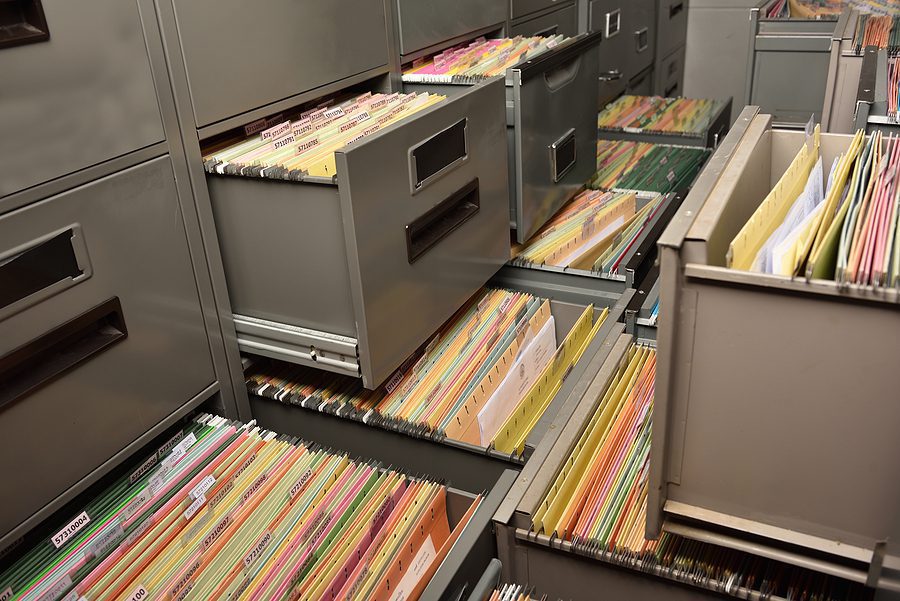
- Metal cabinets: Scrap metal is valuable and widely accepted.
- Solid wood: Can sometimes be chipped and used for mulch or fuel.
- Hardware: Metal handles and hinges are recyclable.
How To Recycle
- Remove non-recyclable parts (plastic, glass, laminate).
- Separate materials by type.
- Bring to a local recycling facility.
Non-obvious insight: Some construction recycling centers charge less for sorted materials, so separating wood from metal can save you money.
5. Bulk Trash Pickup
Best for: Cabinets that can’t be reused, donated, or recycled.
How It Works
- Schedule a bulk pickup with your local sanitation department.
- Place items on the curb on the designated day.
- Follow rules for size, weight, and preparation (remove doors, separate materials).
Warning: Some cities limit the number of pickups per year or charge extra for construction debris.
6. Renting A Dumpster
Best for: Large remodels, multiple cabinets, or when you have lots of debris.
Choosing The Right Size
- 10-yard dumpster: Good for small jobs (single kitchen).
- 20-yard dumpster: Suitable for full-home remodels.
Cost Comparison
| Dumpster Size | Approximate Cost (USD) | Holds About |
|---|---|---|
| 10-yard | $250–$450 | 3 pickup truck loads |
| 20-yard | $350–$600 | 6 pickup truck loads |
Tip: Fill the dumpster efficiently by breaking cabinets down into flat pieces.
7. Hauling Services
Best for: When you want convenience and don’t have the time or means to transport cabinets yourself.
What To Look For
- Licensed and insured haulers
- Clear pricing (per item, weight, or load)
- Eco-friendly disposal (some haulers recycle or donate for you)
Example: National companies like 1-800-GOT-JUNK? and local junk haulers offer cabinet removal, but prices vary widely.
8. Landfill Disposal
Best for: Cabinets that cannot be reused, recycled, or donated.
Steps To Take
- Check if your local landfill accepts construction debris.
- Transport cabinets yourself or hire a hauler.
- Pay any required fees.
Cost data: Tipping fees in the US average $55 per ton (2022 EPA data), but can range from $30–$120.
Important: Landfills should be the last resort because of environmental impact.
Comparing Disposal Methods
Let’s look at a quick comparison of the most common disposal methods, focusing on cost, effort, and environmental impact.
| Method | Cost | Effort | Eco-Friendly? |
|---|---|---|---|
| Reuse | Low | Medium | Yes |
| Donate | Free/Low | Medium | Yes |
| Sell | Earns Money | High | Yes |
| Recycle | Low/Some Fees | Medium | Yes |
| Bulk Pickup | Free/Low | Low | No/Some |
| Dumpster | Medium/High | Low | No/Some |
| Hauler | High | Very Low | No/Some |
| Landfill | Medium | Medium | No |
Credit: accushred.net
Preparing Your Cabinets For Disposal
No matter which method you choose, proper preparation makes disposal easier, safer, and sometimes cheaper.
Steps To Remove Cabinets Safely
- Empty all items: Remove dishes, food, tools, or anything inside.
- Disconnect plumbing or electrical: If the cabinet has a sink or wiring.
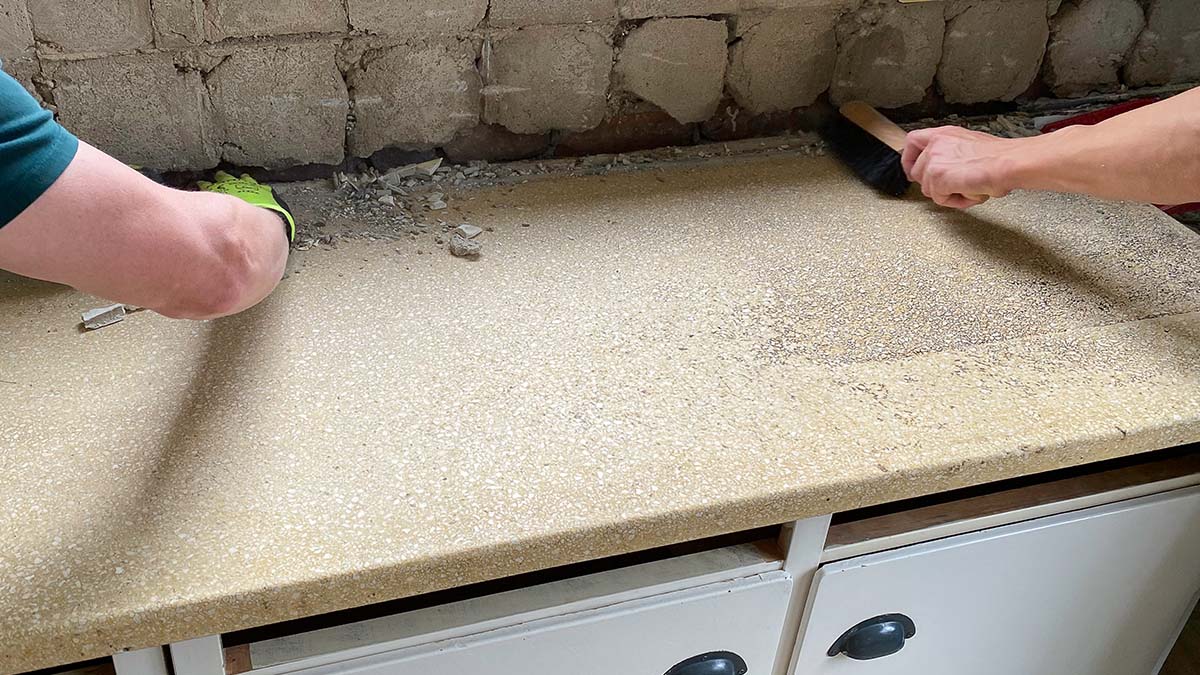
- Remove doors and drawers: Makes cabinets lighter and easier to move.
- Detach from the wall: Use a drill or screwdriver. Watch for hidden screws.
- Break down large cabinets: Cut into smaller parts if you’re using a dumpster or bulk pickup.
- Clean surfaces: Wipe down to remove grease or dirt, especially for donation.
Non-obvious insight: Save all screws and hardware—they’re useful for future projects or for the new owner.
Handling Hazardous Materials
Older cabinets (especially from before 1978) may have lead paint or asbestos (in glue or laminate). If you suspect this, do not cut or sand the cabinets. Contact a professional for safe removal. For more information, see the EPA’s lead safety page.
Mistakes To Avoid When Disposing Of Old Cabinets
Even experienced homeowners make mistakes when getting rid of cabinets. Here are the most common ones:
- Ignoring local rules: This can lead to fines or your cabinets sitting on the curb for weeks.
- Not separating materials: Many recycling centers only accept sorted items.
- Damaging reusable parts: Rough removal can ruin cabinets that could be donated or sold.
- Overestimating dumpster size: Renting a large dumpster “just in case” is costly.
- Forgetting about hazardous materials: Disturbing lead paint or asbestos is dangerous.
- Leaving behind mess: Old screws, glue, and wood scraps can harm pets or children.
Pro tip: Take photos of your cabinets before removal if you plan to sell or donate. Clean, undamaged cabinets are much easier to give away.
Credit: www.1800gotjunk.com
Creative Ideas For Repurposing Old Cabinets
If you like DIY projects, old cabinets are full of possibilities. Here are some creative ideas:
- Garage or basement storage: Perfect for tools, paint, or sports gear.
- Garden shed organizers: Weatherproof with exterior paint.
- Kids’ play kitchen: Sand and repaint for safe, fun toys.
- Pet feeding stations: Cut an opening for bowls and add hooks for leashes.
- Craft room workbench: Add a countertop and wheels for mobility.
Non-obvious insight: Even damaged cabinets can be cut down into smaller pieces for shelving or wall art.
Environmental Impact: Why Responsible Disposal Matters
Millions of cabinets end up in landfills each year, contributing to waste and pollution. Cabinets made from particle board or MDF can release formaldehyde and other chemicals as they break down. Recycling or reusing cabinets keeps valuable materials out of landfills and reduces the need for new resources.
- According to the EPA, construction and demolition waste made up 600 million tons in the US in 2018—more than twice the amount of all municipal solid waste.
- Reusing one set of cabinets saves the energy and materials needed to produce a new set.
Key takeaway: Responsible disposal helps the planet and your community.
How To Choose The Best Disposal Option For Your Needs
With so many choices, how do you decide? Here’s a simple process:
- Assess cabinet condition: If they’re in good shape, donate or sell. If not, recycle or dispose.
- Check local rules: Find out what’s allowed in your area.
- Set your budget: Some options are free, others cost money.
- Consider your timeline: Need cabinets gone fast? Hire a hauler or use bulk pickup.
- Think about convenience: Are you able to move heavy items or do you need help?
Decision-making example: If you’re remodeling a kitchen and want to finish quickly, renting a small dumpster may be best. If you have time and the cabinets are nice, try selling or donating first.
Step-by-step Process: Disposing Of Cabinets From Start To Finish
- Plan ahead: Decide your disposal method before demolition starts.
- Contact local authorities or facilities: Ask about rules, fees, and schedules.
- Prepare cabinets for removal: Empty, clean, and remove hardware.
- Safely remove cabinets: Use proper tools and get help if needed.
- Transport or arrange pickup: Depending on your chosen method.
- Follow through: Make sure the cabinets are properly disposed of, not left on the curb or in your yard.
Credit: rubbishgo.com.au
Real-world Examples
- Sarah’s kitchen remodel: Sarah donated her old oak cabinets to a local Habitat for Humanity ReStore. She received a tax deduction and helped a family in need.
- Mike’s garage upgrade: Mike reused his kitchen cabinets in the garage, adding value to his home and saving on new storage.
- Linda’s eco-friendly project: Linda separated metal handles and hinges for recycling, and used the wood to build a workbench.
These stories show that disposing of old cabinets can be more than just throwing them away—it’s a chance to help others, save money, and be kind to the planet.
Frequently Asked Questions
Can I Just Put My Old Cabinets On The Curb For Trash Pickup?
This depends on your local rules. Many cities do not allow large items or construction debris in regular trash. You may need to schedule a bulk pickup or take the cabinets to a recycling center.
How Do I Know If My Cabinets Can Be Donated?
Most donation centers accept cabinets that are sturdy, clean, and not water-damaged. Cabinets with all parts (doors, drawers) and minimal wear are best. Always call the center to confirm.
What If My Cabinets Have Lead Paint Or Asbestos?
Do not try to cut, sand, or remove these cabinets yourself. Contact a professional for testing and safe removal. Lead paint and asbestos are hazardous to your health.
Is It Worth Selling Old Cabinets Online?
If your cabinets are made from solid wood and in good condition, you can often sell them for 20–40% of their original price. Laminate or damaged cabinets are harder to sell.
What’s The Most Environmentally Friendly Way To Dispose Of Cabinets?
Reuse or donation is best, followed by recycling. Landfill disposal should be the last option. Always try to keep materials out of the landfill if possible.
Disposing of old cabinets doesn’t have to be stressful or confusing. With the right information and a bit of planning, you can make a choice that’s good for your home, your wallet, and the environment. Whether you give your cabinets a new life, help someone in need, or recycle responsibly, you’re making a smart and responsible decision.