
Can You Put An Air Fryer Under A Cabinet?
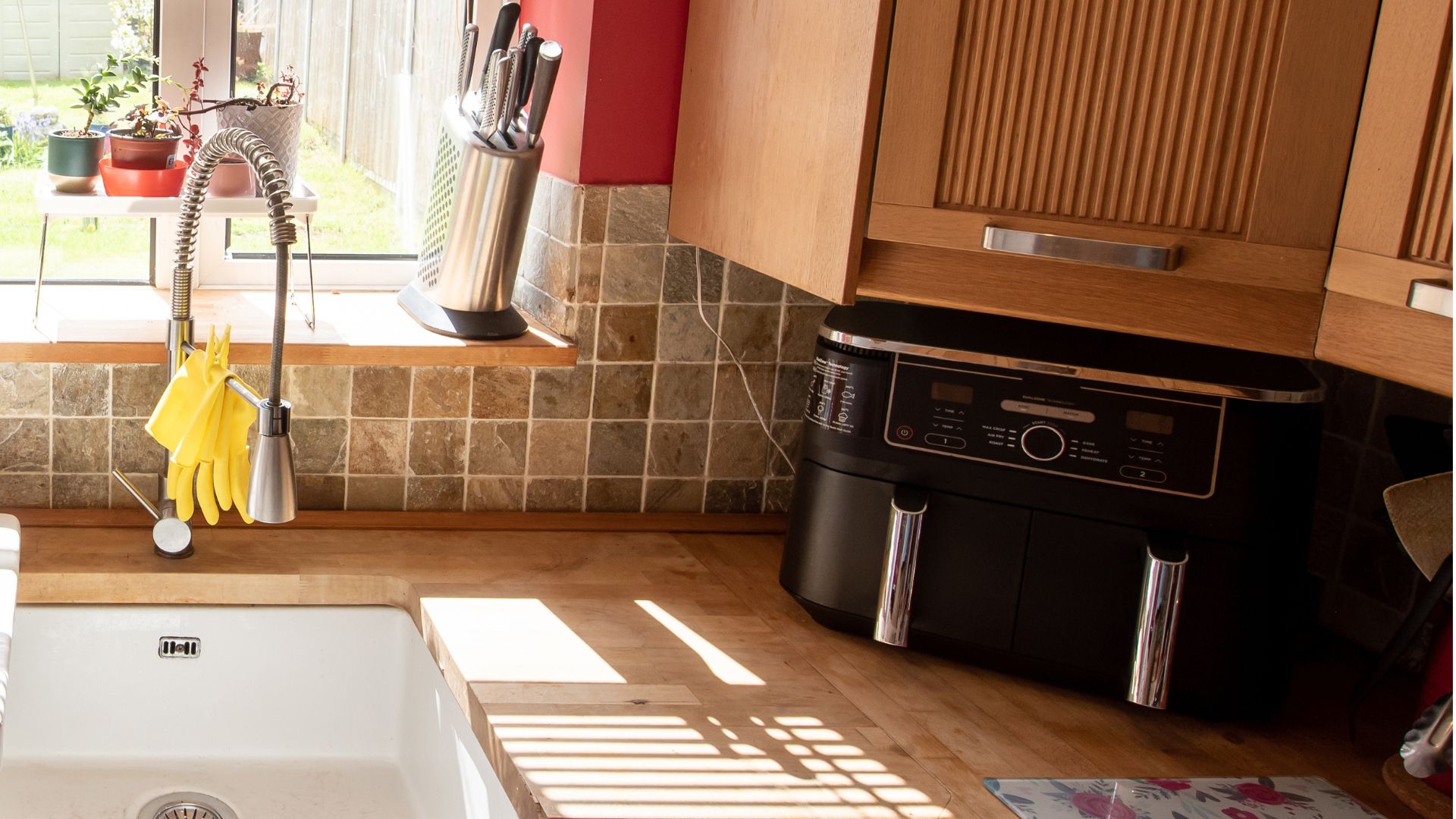
Air fryers are everywhere these days. People love them because they cook food quickly, use less oil, and make crispier snacks. But if you have a small kitchen or limited counter space, you may wonder: Can you put an air fryer under a cabinet? It seems convenient, but is it safe?
Many people do not realize that where you place your air fryer matters. The wrong spot could create a fire risk, damage your cabinets, or even ruin your appliance. In this article, you will find clear, complete answers about using an air fryer under a cabinet.
You will learn about the main risks, safety standards, alternatives, and tips for safe use. Whether you already own an air fryer or plan to buy one, this guide will help you avoid common mistakes and make smarter choices for your kitchen.
Why Placement Of An Air Fryer Matters
Air fryers are small but powerful appliances. They use a heating element and a strong fan to move hot air around your food. This process creates a lot of heat and, sometimes, steam or smoke. Placing an air fryer in the wrong spot can lead to several problems:
- Heat build-up can damage nearby surfaces, especially cabinets made from wood or laminate.
- Lack of ventilation can cause the air fryer to overheat, reducing its lifespan or causing it to shut down.
- Steam and grease from cooking can stain or warp the cabinet above.
Many people do not realize that air fryers need space around them to work safely. If you put one under a cabinet or in a tight corner, you might be putting your kitchen at risk.
How Air Fryers Work And Why They Need Space
To understand why placement is important, you need to know a bit about how air fryers work. An air fryer uses a strong heating coil (like in an oven) and a fan to blow hot air around the food. This creates a crispy texture, similar to frying but with much less oil.
The process releases a lot of heat, especially upwards and out the back. Some air fryers also have vents on the sides or rear to let out steam and hot air. If these vents are blocked or too close to a wall or cabinet, heat and steam can build up quickly.
Here are two key reasons air fryers need space:
- Ventilation: Hot air and steam need to escape safely. Without enough space, heat gets trapped, which can damage the appliance or your kitchen.
- Heat dissipation: The top, sides, and rear of the air fryer all get warm. If these surfaces are too close to cabinets, the heat can cause discoloration, warping, or worse.
A surprising fact: Some kitchen fires start when small appliances, including air fryers, are placed too close to walls or cabinets. It’s not just about making space for airflow—it’s about safety for your home.

Credit: www.reddit.com
Manufacturer Guidelines: What Do They Say?
Most air fryer brands include clear instructions about where to put the appliance. Always check the user manual before using your air fryer. Here are common guidelines from major brands:
- Philips: Needs at least 6 inches of space around all sides. Do not use under overhead cabinets.
- Ninja: Recommends 5 inches of clearance above and on all sides. Keep away from walls and cabinets.
- Instant Pot Vortex: Needs 5 inches of space on all sides. Do not block vents or place under low cabinets.
- COSORI: Advises leaving 5 inches from walls and not using under cabinets.
Some models may have different requirements. But most agree: Do not place your air fryer directly under a cabinet while cooking.
Why Manufacturers Give These Warnings
Manufacturers test their products for safety. They know how much heat and steam the appliance produces. If you ignore the spacing guidelines, you could void your warranty or, worse, create a dangerous situation.
For example, if heat from the air fryer damages your cabinet and you call for a warranty repair, the company may refuse to help if you did not follow the instructions.
What Can Go Wrong If You Put An Air Fryer Under A Cabinet?
It might look tidy to tuck your air fryer under a cabinet, but there are hidden risks. Here’s what can go wrong:
1. Cabinet Damage
Repeated heat exposure can cause wood or laminate cabinets to warp, crack, or discolor. The underside of your cabinet may show yellow marks, bubbling, or even peeling. Over time, this damage can be expensive to fix.
2. Fire Hazard
If heat and steam are trapped, the air fryer may overheat. In rare cases, this can lead to burn marks, melted plastic, or even a kitchen fire. Some insurance policies may not cover fire damage if you used the appliance incorrectly.
3. Appliance Damage
Air fryers have built-in safety features, but running them in a tight space can cause internal overheating. This may shorten the life of your air fryer or cause it to stop working.
4. Increased Smoke And Smells
When steam and smoke cannot escape, they collect under the cabinet. This can lead to lingering smells or even smoke alarms going off more often.
5. Grease And Moisture Build-up
Steam from the air fryer contains small drops of oil and water. Over time, this can leave sticky spots or stains on your cabinets, making cleaning harder.
Real-world Example
A family in Texas put their air fryer under a wooden cabinet for over a year. They noticed yellow stains and peeling paint above the appliance. Later, the cabinet started to warp, and the air fryer shut off during use.
When they checked the manual, they realized they had ignored the spacing rules and voided their warranty.
How Much Space Does An Air Fryer Need?
Every air fryer model is a bit different, but most require:
- At least 5 inches (12–15 cm) of space on all sides
- 6–8 inches (15–20 cm) of space above the appliance
- A flat, stable, heat-resistant surface
Some larger models may need even more space. Check your manual for the exact recommendation.
Common Air Fryer Clearance Recommendations
Here is a comparison of clearance guidelines from popular brands:
| Brand | Side Clearance | Top Clearance | Manual Warning |
|---|---|---|---|
| Philips | 6 inches | 6 inches | No overhead cabinets |
| Ninja | 5 inches | 5 inches | Keep away from walls |
| Instant Pot Vortex | 5 inches | 5 inches | Do not block vents |
| COSORI | 5 inches | 5 inches | Not under cabinets |
As you can see, none of these brands recommend placing the air fryer directly under a cabinet. The extra space above is just as important as the space on the sides.
Do Some Air Fryers Allow Under-cabinet Use?
A few compact models are advertised as “safe for small kitchens” or “fits under cabinets. ” However, even with these models, you must check the fine print. Most still need some clearance above to prevent heat build-up.
Some air fryers have “cool-touch” exteriors, but the heat coming out of the top vent can still be intense. Do not trust marketing claims alone—always read the manual.
One exception: There are new “under-cabinet” air fryers designed like built-in microwaves. These are rare and usually require professional installation. Standard countertop air fryers are not made for this kind of setup.
Air Fryer Venting: Where Does The Hot Air Go?
Most air fryers have one or more vents. The main vent is usually at the top or back of the appliance. When you cook, hot air and steam leave through these vents. If the vent is blocked, the appliance cannot cool itself properly.
Types Of Air Fryer Venting
- Top vent: Hot air rises straight up. Not safe for use under a cabinet.
- Back vent: Hot air blows out the rear. Needs space behind the appliance.
- Side vent: Hot air exits on the sides. Needs space on both sides.
- Combination vents: Some models have vents in multiple places.
Blocking these vents can lead to overheating, damage, or even safety shutoff. If you place your air fryer under a cabinet, the rising heat from a top vent will go directly onto the cabinet above.
Comparing Air Fryer Placement Options
To help you see the difference, here’s a simple comparison:
| Placement Location | Pros | Cons | Safety |
|---|---|---|---|
| Under Cabinet | Saves counter space | Heat damage, fire risk, hard to clean | Not recommended |
| Open Countertop | Good ventilation, easy access | Takes up space | Safe if spaced properly |
| Movable Cart | Flexible, can move for use | Need extra cart | Safe |
| Near Window/Vent Hood | Removes smoke/steam easily | Must check for power outlet | Very safe |
The safest options are always those that allow for plenty of air flow and space above the air fryer.
Practical Solutions For Small Kitchens
If you have a small kitchen, it might be tempting to tuck your air fryer under a cabinet. But there are safer solutions:
1. Use A Movable Appliance Cart
A rolling cart lets you store the air fryer when not in use and move it to a safe spot for cooking. Look for carts with a heat-resistant top.
2. Place Near A Vent Hood Or Window
Cooking near a kitchen vent hood or open window helps remove steam and smoke. This also keeps cabinets clean.
3. Pull Out The Air Fryer For Use
If you must keep the air fryer under a cabinet for storage, always pull it out to the edge of the counter before using it. Make sure there is at least 6 inches of space above and on all sides.
4. Use A Heat Shield
Some people place a heat-resistant mat or metal sheet above the air fryer to protect the cabinet. This can help with minor heat but does not solve the problem of steam and venting. It is not a replacement for proper spacing.
5. Choose A Smaller Model
If space is tight, pick a compact air fryer with lower wattage and a smaller footprint. These models release less heat but still need some clearance.
Extra Tip: Clean The Air Fryer Regularly
Built-up grease and crumbs can increase smoke and smells. Clean the basket, tray, and inside regularly to keep things safe and smelling fresh.
What About Air Fryer Ovens And Toaster Ovens?
Some air fryers are built into toaster ovens or multi-cookers. These appliances also generate a lot of heat, often more than standard basket-style air fryers. Manufacturers recommend the same or greater clearances.
Some air fryer ovens are designed to be built into cabinets (like a wall oven), but these require special installation and insulation. Never use a countertop model as a built-in.
Credit: www.womanandhome.com
Common Mistakes To Avoid
Many beginners make the same errors when setting up their air fryer. Avoid these common mistakes:
- Running the air fryer with only 1–2 inches of clearance on the sides or top. This is not enough.
- Ignoring manufacturer warnings about placement. These are there for safety.
- Leaving the air fryer pushed back under the cabinet while cooking.
- Not cleaning the air fryer regularly, leading to more smoke and steam.
- Believing a heat mat solves all problems. It helps, but does not replace proper ventilation.
Heat Damage: Real Data And Signs To Watch For
Studies show that the underside of a cabinet above a working air fryer can reach temperatures between 140°F and 190°F (60°C to 88°C) during use. Most kitchen cabinet materials are only rated for temperatures up to 120°F (49°C).
Signs of damage include:
- Yellowing or dark spots on the cabinet underside
- Peeling paint or laminate
- Warping or softening of the material
- Sticky patches from steam/grease
- Smell of burning wood or plastic
If you notice any of these, move your air fryer immediately and inspect for damage.

Credit: www.reddit.com
Insurance, Warranty, And Safety Standards
Many people do not realize that using an air fryer incorrectly can affect your home insurance and product warranty.
- If you have a fire and the insurance company finds out you ignored safety instructions, your claim may be denied.
- If your air fryer breaks down from overheating and you did not follow the manual, the manufacturer may not repair it.
Always check for UL certification or other safety marks on your appliance. These mean the product was tested for safety when used as instructed—but not if used incorrectly.
How To Safely Use An Air Fryer In Your Kitchen
To sum up, here are practical steps for safe air fryer use:
- Read the manual and follow all spacing guidelines for your model.
- Place the air fryer on a heat-resistant, stable surface with at least 5–6 inches of clearance on all sides and above.
- Never operate the air fryer directly under a cabinet or shelf.
- Clean the air fryer after each use to prevent grease and smoke build-up.
- Do not block any vents on the appliance.
- Unplug the air fryer when not in use to reduce fire risk.
- Supervise the air fryer during cooking, especially if using it near other appliances or flammable items.
What If You Have No Other Option?
If your kitchen is extremely small and you must use the air fryer under a cabinet, take these extra steps:
- Place a thick heat shield above the air fryer (such as a metal sheet or tile).
- Use the air fryer for short periods (not long roasting sessions).
- Pull the appliance out as far as possible before use.
- Never leave the air fryer running unattended.
- Monitor the cabinet for signs of heat or steam damage.
Even then, this is not recommended for regular use. Try to find a safer spot for your air fryer if possible.
Are There Alternatives To Air Fryers For Small Spaces?
If you truly cannot make space for an air fryer, consider these options:
- Convection toaster ovens: Often have better insulation and can be used safely under a cabinet if the manual allows.
- Compact convection ovens: Some are designed for small kitchens and have built-in venting.
- Microwave crispers: Special trays let you crisp food in a microwave, but with less “fried” flavor.
Check the manual for any appliance before using it in a tight spot. Safety always comes first.
Non-obvious Insights Most People Miss
- Heat rises more than you expect. Even a few inches of space above the air fryer is not enough because hot air and steam can “hug” the underside of the cabinet and spread outward, causing hidden damage.
- Humidity matters. Kitchens with poor ventilation collect more steam and grease under cabinets, making air fryer placement even riskier.
- Cabinet material makes a difference. Solid wood can handle heat better than laminate or pressed board, but all materials can eventually be damaged by repeated steam exposure.
- Seasonal changes affect risk. In summer, kitchens are hotter and cabinets can warp faster from air fryer heat.
- Older cabinets are more vulnerable. Cabinets built before 1990 often have glue or finishes that break down quickly under heat.
Real-world User Tips
Many experienced air fryer users recommend:
- Using a large trivet or silicone mat underneath for added counter protection.
- Setting a small fan nearby to help move steam away from cabinets.
- Running the kitchen exhaust fan during cooking.
- Rotating the air fryer’s position from time to time to prevent damage in one spot.
When To Call A Professional
If you notice any signs of cabinet damage or smell burning plastic/wood, stop using the air fryer in that spot. Call a kitchen contractor to assess the damage. If your air fryer is sparking, shutting off, or making unusual noises, have it checked by a technician or contact the manufacturer.
Air Fryer Placement And Kitchen Design Trends
Modern kitchens often have limited counter space and lots of cabinetry. Some designers now include a dedicated “appliance garage” or pull-out shelf for air fryers and other gadgets. If you are remodeling, ask for a heat-resistant, ventilated spot for your air fryer.
Some new air fryer models are being designed with horizontal vents or insulation to allow safer placement near cabinets, but this is still rare. Always check the manual.
More Resources
To learn more about appliance safety and fire prevention, see this article from the National Fire Protection Association.
Frequently Asked Questions
Can I Use A Heat-resistant Mat To Protect My Cabinets?
A heat-resistant mat can help protect your countertop and the underside of your cabinet from direct heat. However, it does not solve the problem of steam and hot air venting. You still need proper clearance above and around your air fryer for safe use.
Always follow your air fryer’s manual for space requirements.
What Should I Do If My Air Fryer Is Causing Discoloration On My Cabinets?
If you see yellowing, warping, or peeling on your cabinets, move your air fryer immediately to a more open space. Clean the affected area and check for deeper damage. Do not continue using the air fryer under the cabinet, as this damage will get worse over time.
Is It Safe To Use An Air Fryer Under A Metal Cabinet?
Metal cabinets can withstand higher temperatures than wood or laminate. However, heat and steam can still cause problems, including warping, rust, or peeling paint. Most manufacturers do not recommend placing air fryers under any type of cabinet, including metal.
Are There Any Air Fryer Models Designed For Under-cabinet Use?
Most countertop air fryers are not designed for under-cabinet use. There are a few built-in or “under-cabinet” models, but these require special installation and insulation. Always check the manual and look for models specifically made for this purpose. Standard air fryers should not be used under cabinets.
How Far Should An Air Fryer Be From The Wall?
Most air fryers need at least 5 to 6 inches (12–15 cm) of space from the wall and any cabinets. This allows for proper ventilation and keeps heat and steam from building up. Some larger models may need more space, so check the manufacturer’s guidelines.
Final Thoughts
Placing an air fryer under a cabinet might seem like a space-saving solution, but it comes with real risks. Heat, steam, and grease can damage your cabinets, shorten the life of your appliance, and even create fire hazards. Always follow your air fryer’s manual for safe placement.
Give the appliance plenty of space to breathe, and never operate it directly under a cabinet or shelf. If you have a small kitchen, use creative solutions like movable carts or designated countertop spots near a vent. Smart placement keeps your air fryer working safely and your kitchen looking great for years to come.