
Keeping your Electrolux front loader running smoothly is not just about using the right detergent or choosing the best wash cycle. One overlooked but essential task is cleaning the drain pump filter. Many owners do not realize that a blocked or dirty filter can cause slow draining, foul smells, error codes, and even water leaks. If left unchecked, small items like coins, lint, and buttons can clog the filter, leading to expensive repairs or a ruined laundry day. Fortunately, cleaning this filter is a task you can do at home with basic tools and a little patience.
This article will walk you through every step of cleaning the drain pump filter in your Electrolux front loader. You’ll learn when and why to clean it, detailed instructions for various models, troubleshooting tips, and what to do if you hit a snag.
We’ll also cover safety, maintenance routines, and answer common questions. You don’t need technical skills—just a willingness to keep your washer working its best.
Why Clean The Drain Pump Filter In Your Electrolux Front Loader?
Many people ask, “Is it really necessary to clean this filter? ” The answer is yes, and here’s why.
The drain pump filter acts as a guard, catching debris before it can damage your washer’s pump or clog the plumbing. Over time, items like hair, coins, lint, and even small socks can get trapped here. A clogged filter makes your washer work harder, which can reduce its lifespan or cause unexpected breakdowns.
Neglecting this simple maintenance step can lead to:
- Slow or incomplete draining after cycles
- Unpleasant odors coming from the drum
- Error codes like “E20” or “E21” on your machine display
- Water leakage from the filter area
One non-obvious insight: Even if your washer seems to run fine, a blocked filter can force the pump to overwork, wasting electricity and risking burnout. Regular cleaning prevents hidden problems and saves money in the long run.
How Often Should You Clean The Drain Pump Filter?
Electrolux recommends cleaning the filter every one to three months. The best frequency depends on how often you wash and what you’re washing.
- Heavy loads (e.g., towels, pet bedding): Clean monthly
- Light loads (e.g., office clothes): Every three months
- If you notice draining issues or odors: Clean immediately
Some owners think they should only clean the filter if there is a problem. This is a mistake. Proactive cleaning keeps your washer efficient and prevents future headaches.
Tools And Supplies Needed
You don’t need special equipment, but having the right items ready makes the process easier:
- Shallow tray or pan to catch water
- Old towels or rags for spills
- Small brush or toothbrush for scrubbing the filter
- Gloves (optional, but recommended for hygiene)
- Flashlight (helpful for dark spaces under the washer)
- Bucket (if you expect a lot of water)
Before you start, make sure you have these nearby. It’s common for more water to spill than you expect, especially if the washer stopped mid-cycle.
Safety Precautions Before Cleaning
Always put safety first when working with any electrical appliance, even for a simple task like this.
- Unplug the washer from the wall outlet. Do not rely on just turning it off.
- If your washer is hard-wired, switch off the circuit breaker.
- Wait until the drum has cooled if you recently ran a hot wash.
- Do not force open the filter cover if it feels stuck—this can break the latch.
- If the washer is full of water, drain it first using the manual drain tube (if available).
These steps prevent shocks, burns, or accidental flooding. If you’re unsure, check your Electrolux user manual for model-specific instructions.
Locating The Drain Pump Filter
In almost all Electrolux front loader models, the drain pump filter is located behind a small panel at the bottom front of the machine.
- Look for a rectangular or round flap near the floor.
- Some models have a small door you can open by hand.
- Others may need a flat screwdriver to gently pop open the panel.
If your model is different (such as stacked units or compact washers), consult your user manual or search for your specific model number online.
Example Locations
| Model Series | Filter Location | Panel Opening Method |
|---|---|---|
| Electrolux 500 Series | Front, bottom right corner | Hand-open flap |
| Electrolux 700 Series | Front, bottom left corner | Press-to-open panel |
| Electrolux Compact Models | Front, center bottom | Screwdriver (flat-head) |
Not all models have the filter in the exact same spot, so check the manual if you can’t find it right away.
Step-by-step Guide To Cleaning The Drain Pump Filter
Let’s walk through the entire process, from prep to clean-up.
1. Turn Off And Unplug The Washer
Always cut the power before starting. This protects you and the washer from accidental damage.
- Unplug from the wall.
- If your plug is hard to reach, turn off the circuit breaker.
2. Prepare Your Space
Cleaning the filter is messy, so protect your floor.
- Place old towels or rags under the front of the washer.
- Put a shallow tray or pan right under the filter door.
- Keep a bucket nearby if you expect more water.
Tip: If your washer is on a pedestal, this step is easier. If it’s on the ground, you might need to gently tilt the washer back (with help) for better access.
3. Open The Filter Access Panel
Find the panel at the bottom front.
- Gently open the flap by hand or with a screwdriver.
- Some models have a manual drain tube inside this compartment—use it to drain water first, if available.
4. Drain Excess Water
There’s usually water left in the pump.
- If there’s a tube: Pull it out, put it into your tray, and let water flow until it stops.
- If no tube: Slowly loosen the filter cap by turning it counterclockwise. Water will start trickling out—pause and let it drain into the tray before opening further.
Don’t rush; opening too quickly can flood your floor.
5. Remove The Filter
Once water stops, fully unscrew the drain pump filter.
- Pull it straight out. Some resistance is normal.
- Be careful—sharp objects like pins or glass may be inside.
6. Clean The Filter
- Use a brush or old toothbrush to scrub off lint, hair, and debris.
- Rinse under warm water.
- For sticky residue, a little dish soap helps.
- Check for trapped objects inside the filter housing (the hole in the washer).
7. Inspect The Filter Housing
- Use a flashlight to look inside where the filter sits.
- Remove any coins, socks, or debris.
- Do not push objects further in.
Tip: Some filters have a rubber gasket. Make sure it’s clean and undamaged for a good seal.
8. Reinstall The Filter
- Re-insert the filter and turn it clockwise until snug.
- Do not over-tighten—it should be firm but not forced.
9. Close The Access Panel
- Snap or screw the panel back in place.
- Wipe up any spills.
10. Plug In And Test
- Plug the washer back in.
- Run a rinse and spin cycle to check for leaks and make sure everything works.
If water leaks, tighten the filter slightly. If you hear unusual noises, stop the cycle and check the filter again.
Credit: fredsappliance.com
What To Do If The Filter Is Stuck
Sometimes, the filter can be difficult to remove. Here’s what to try:
- Make sure the washer is unplugged.
- Wiggle the cap gently side to side—do not force it hard.
- Use a towel for extra grip if it’s slippery.
- If it still won’t turn, mineral deposits may be the cause. Apply a small amount of vinegar around the cap and wait 10 minutes, then try again.
- As a last resort, contact an Electrolux technician. Forcing it can break the cap or damage the pump.
Non-obvious tip: Trying to open a stuck filter with pliers often cracks the plastic. Patience and gentle pressure are better than brute force.
Differences Between Electrolux Front Loader Models
Not all Electrolux washers are built the same. Differences can include:
- Location of the filter access (left, right, center)
- Presence of a manual drain tube (some have, some don’t)
- Filter shape (round, oval, or rectangular)
- Access method (pop-open, screw-secured)
Here’s a quick comparison for popular series:
| Feature | Classic Series | Premium Series | Compact Series |
|---|---|---|---|
| Access Door Type | Hand-open | Press-to-open | Screwdriver needed |
| Manual Drain Tube | No | Yes | No |
| Filter Shape | Round | Oval | Rectangular |
Always check your model’s manual for details. If you’ve lost it, many are available for free on the Electrolux website.
Common Problems After Cleaning The Filter
Sometimes, cleaning the filter can reveal or cause other issues. Here’s what to look for:
1. Water Leaks
If water drips from the filter area after cleaning:
- The filter may not be seated correctly. Remove and reinstall.
- Check if the rubber gasket is in place and clean.
- Inspect for cracks in the filter or housing.
2. Error Codes Persist
If error codes like E20 or E21 appear even after cleaning:
- Check for remaining debris in the filter housing.
- Inspect the drain hose for kinks or clogs.
- Run a rinse and spin cycle to clear memory.
3. Strange Noises
Unusual sounds during draining can mean:
- Debris is still inside the pump. Repeat cleaning.
- The filter is not installed properly.
- The pump is damaged (rare, but possible if left clogged too long).
If problems continue, professional service may be needed.
Signs Your Filter Needs Immediate Cleaning
Don’t wait for scheduled maintenance if you notice:
- The washer won’t drain at all
- There’s a bad smell even after running a cleaning cycle
- You hear a rattling or grinding sound
- You find water pooling in front of the washer
- Error messages appear on the display
In these cases, stop using the washer and clean the filter before your next load.
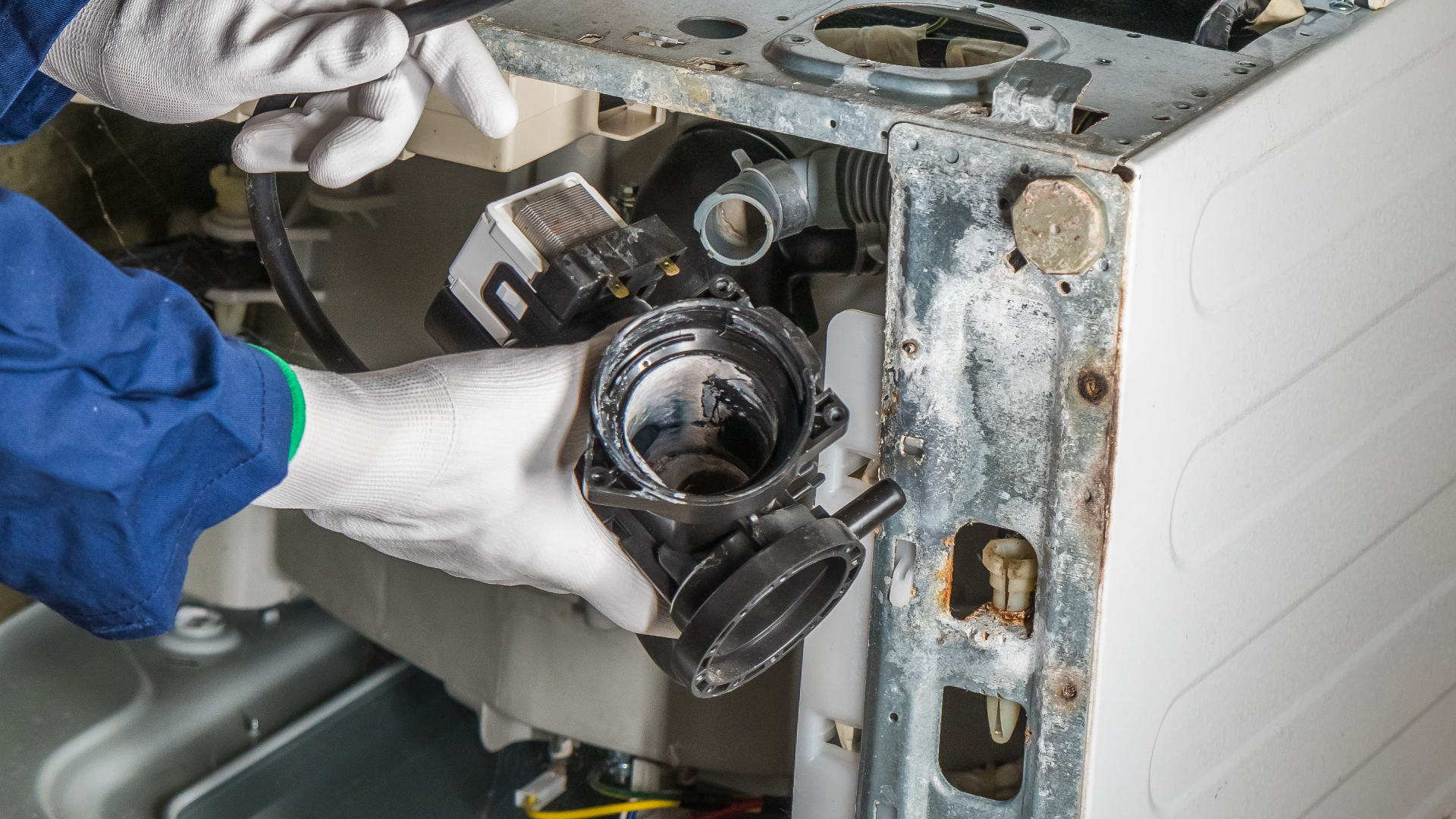
Credit: fleetappliance.com
Preventive Maintenance Tips
Regular cleaning is only part of the solution. Here’s how to keep your Electrolux front loader’s filter in top shape:
- Empty pockets before washing—coins and small objects are a major cause of clogs.
- Use a mesh laundry bag for small items like baby socks or underwire bras.
- Run a maintenance wash with hot water and vinegar monthly to reduce soap scum.
- Use the right detergent amount—too much creates excess suds and residue.
- Check the filter every 1-3 months, even if there are no problems.
- Don’t overload the washer—this increases lint and debris.
By following these habits, you’ll prevent most filter issues and extend your washer’s life.
What Happens If You Never Clean The Filter?
Some owners ignore the filter for years. Here’s what can happen:
- Washer stops draining: Clogs block water flow, leaving clothes soaking wet.
- Pump motor burns out: Overworking the pump can cause it to fail, needing expensive repairs.
- Flooding: Water backs up and leaks onto your floor, causing damage.
- Bad smells: Rotting debris breeds bacteria and mold, making your laundry stink.
- Higher energy use: The pump runs longer, raising your power bill.
In extreme cases, the cost of repair can exceed the price of a new washer. A 10-minute cleaning every few months avoids all this trouble.
Dealing With Lost Items In The Filter
Sometimes, you’ll find lost treasures (or trash) in your filter:
- Coins: Remove and clean, as these can damage the pump.
- Jewelry: Small earrings or rings often end up here.
- Buttons and pins: Remove carefully, as sharp objects can puncture the filter.
- Lint balls and hair: Common, but should be cleaned out fully.
Non-obvious tip: If you lose a small item in the washer, check the filter before calling it lost for good. Many people recover valuables this way.
When To Call A Professional
While most owners can clean the filter themselves, there are times to get help:
- The filter is stuck and won’t budge
- You see signs of mold or heavy buildup you can’t remove
- There’s a crack or leak in the filter housing
- Error codes persist after cleaning and troubleshooting
Electrolux customer service or a licensed repair technician can help with these issues. Attempting complex repairs yourself can void your warranty.
Comparing Electrolux To Other Brands
Is cleaning the drain pump filter unique to Electrolux? Not at all. Most modern front loaders—LG, Samsung, Bosch, Whirlpool—have similar filters and cleaning needs.
However, Electrolux machines often make access easier with a front panel and, on many models, a manual drain tube. Here’s a quick comparison:
| Brand | Drain Filter Location | Manual Drain Tube | User Access Difficulty |
|---|---|---|---|
| Electrolux | Front, bottom panel | Most premium models | Easy/Medium |
| Samsung | Front, bottom panel | Some models | Medium |
| LG | Front, bottom panel | Few models | Medium |
| Bosch | Front, bottom panel | No | Medium/Hard |
| Whirlpool | Front, bottom panel | Few models | Medium |
Electrolux’s design, especially with the manual drain tube, makes cleaning less messy than some competitors.
Troubleshooting After Filter Cleaning
If your washer still has problems after cleaning, try these steps:
- Washer still won’t drain: Check the entire drain hose for kinks or clogs.
- Pump runs but no water comes out: The impeller may be blocked—this needs a technician.
- Repeated error codes: Unplug for 10 minutes to reset the computer.
- Leaking persists: Remove and reinstall the filter, checking for cracks or misalignment.
If you’ve tried everything and the washer still won’t work, it’s time to call for service.
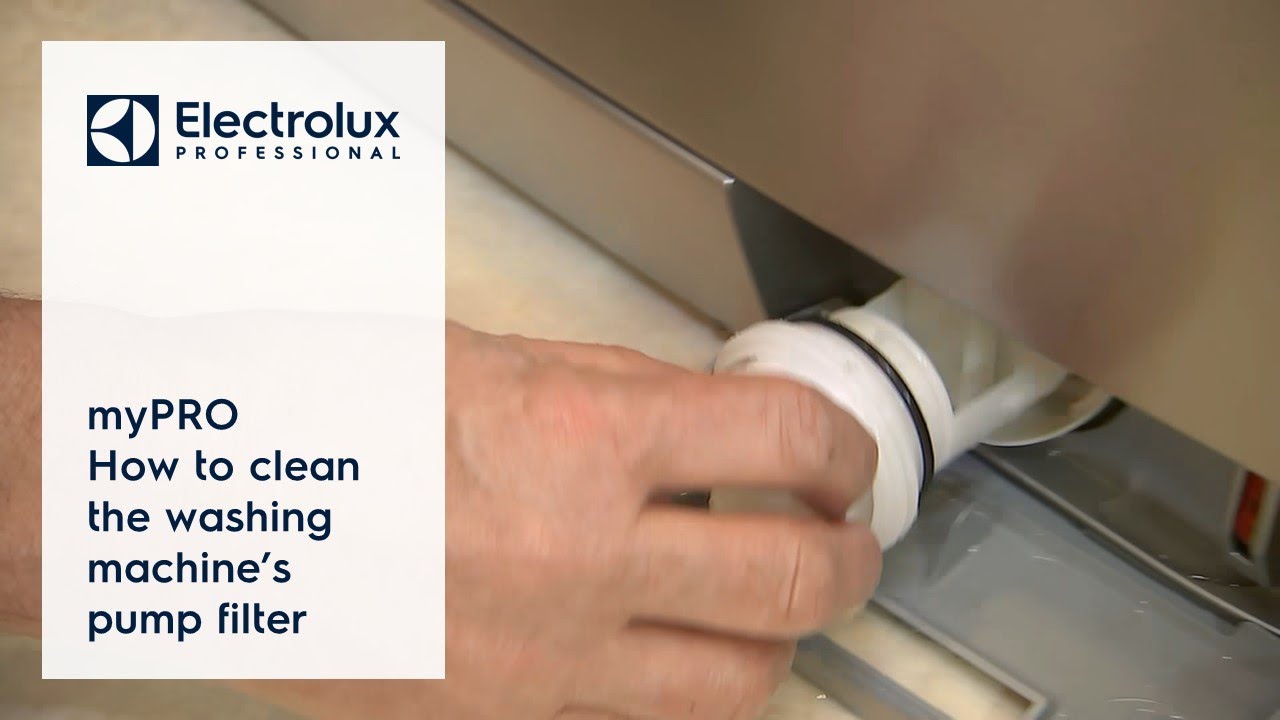
Credit: www.youtube.com
Environmental Impact Of Regular Filter Cleaning
Regular maintenance doesn’t just save money—it’s better for the environment.
- Lower energy use: A clean pump works more efficiently.
- Longer appliance life: Fewer replacements mean less waste.
- Reduced water waste: Fewer leaks or repeated cycles due to poor draining.
Simple habits like this can lower your household’s carbon footprint.
Where To Find Official Instructions
If you want more detail, or need a manual for your specific model, visit the official Electrolux website. They provide downloadable user guides and maintenance videos. For example, the official support page at Electrolux Appliances offers visual guides for many models.
Frequently Asked Questions
How Much Water Should I Expect When Opening The Filter?
Usually, you’ll see one to two cups of water. If the washer stopped mid-cycle or didn’t drain, it could be much more. Always use towels and a tray to catch spills.
What If I Can’t Find The Drain Pump Filter On My Electrolux Washer?
Check the front lower panel—most models have it there. If your model is stacked or compact, the filter may be behind a smaller or hidden panel. Always check the user manual or look up your model on the Electrolux website.
Can I Run The Washer Without The Filter Installed?
No, the filter is essential. Running without it allows debris into the pump, risking damage, leaks, and even flooding. Always reinstall the filter before using your washer.
How Do I Know If The Filter Is Sealed Properly?
After cleaning and reinstalling, run a short rinse and spin cycle with no clothes. Check for leaks around the filter door. If you see water, tighten gently or check for a damaged gasket.
Is Cleaning The Filter Covered Under Electrolux Warranty?
Routine maintenance like cleaning the filter is the owner’s responsibility and not covered by warranty. However, if the filter or its housing is defective, warranty terms may apply. Always keep records of maintenance and consult your manual for specifics.
Keeping your Electrolux front loader’s drain pump filter clean doesn’t just solve problems—it prevents them. With regular attention, you’ll enjoy years of trouble-free laundry, cleaner clothes, and lower repair bills. This simple habit is one of the best ways to protect your investment in a quality washing machine.