
Baking is full of small details that can make or break your results. One of the most common sources of confusion is the choice between a tube pan and a Bundt pan. At first glance, these pans look similar: both have a hole in the center, and both are round. But using the wrong one can mean a cake that doesn’t rise, falls apart, or just doesn’t taste right. Whether you’re a beginner baker, a home cook trying to impress, or someone curious about how equipment changes your results, understanding the difference is essential.
This article breaks down everything you need to know about tube pans and Bundt pans. You’ll learn their history, design, best uses, and what really happens if you swap one for the other. We’ll explore their pros and cons, show real examples, and help you avoid common mistakes.
By the end, you’ll know exactly which pan to choose for your next baking project and why it matters.
What Is A Tube Pan?
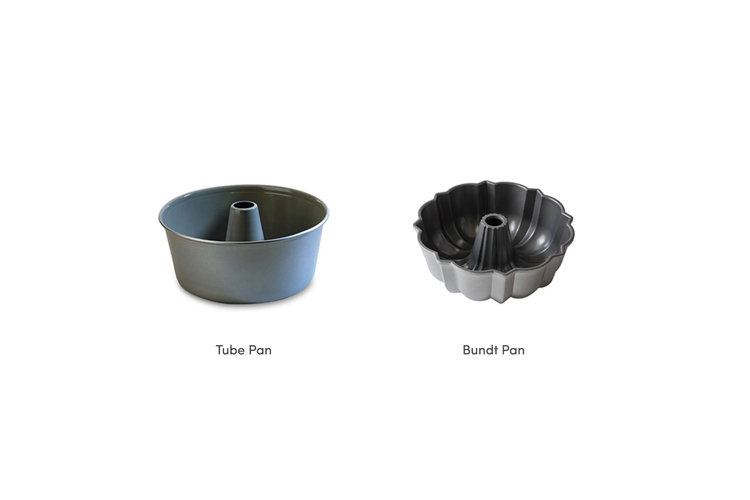
A tube pan is a round baking pan with a hollow tube in the center. The tube helps the cake bake evenly by allowing heat to reach the center. Most tube pans are made of aluminum and have high, straight sides. The classic tube pan size is 10 inches in diameter and 4 inches deep, but some are larger or smaller.
Tube Pan Design Details
- Removable Bottom: Many tube pans have a bottom that comes out. This makes it easy to remove delicate cakes without breaking them.
- Straight Sides: The sides are tall and straight, which helps cakes rise high and keeps their shape.
- No Patterns: Tube pans are plain inside, with no ridges or designs.
Common Uses For Tube Pans
The most famous cake made in a tube pan is angel food cake. This pan is also perfect for chiffon cakes, sponge cakes, and any cake that needs to rise high and stay soft. These cakes usually have lots of whipped egg whites and little or no fat. The batter needs to cling to the sides of the pan as it rises.
Why The Tube Matters
The tube in the middle increases the surface area, so heat gets into the batter from both outside and inside. This means the cake cooks faster and more evenly, which is especially important for airy batters that might collapse if baked too long.
What Is A Bundt Pan?
A Bundt pan is also round with a center tube, but it’s famous for its beautiful shapes. The pan has fluted (wavy or grooved) sides and often a decorative bottom. Bundt pans are usually made of heavy cast aluminum, and they come in many designs and sizes.
Bundt Pan Design Details
- Decorative Shapes: The inside of a Bundt pan is full of curves, ridges, and sometimes even patterns like flowers or swirls.
- Heavy Construction: Bundt pans are thicker and heavier than tube pans. This helps them hold their shape and bake evenly.
- Nonstick Coating: Most Bundt pans have a nonstick finish to help release the cake and keep the designs sharp.
Common Uses For Bundt Pans
Bundt pans are used for dense, moist cakes. Classic Bundt cakes include pound cake, coffee cake, and other rich, buttery batters. These cakes need the support of a heavy pan and don’t rely on whipped egg whites to rise.
Why The Designs Matter
The ridges and patterns are not just for looks. They increase the crust on the outside of the cake, adding texture. The heavy pan also helps prevent the cake from burning.
:max_bytes(150000):strip_icc()/file2R7IE7-7df2dba5dc5a4b879400d5fb4ea43dd4.png)
Credit: stogagirlssoccer.com
Key Differences Between Tube Pan And Bundt Pan
It’s easy to think you can use these pans for the same recipes. But their differences are more than just looks.
| Feature | Tube Pan | Bundt Pan |
|---|---|---|
| Shape | Straight sides, plain interior | Fluted sides, decorative interior |
| Material | Lightweight aluminum, sometimes removable bottom | Heavy cast aluminum, fixed bottom |
| Best for | Angel food, chiffon, sponge cakes | Pound cakes, coffee cakes, dense batters |
| Nonstick Coating | Often uncoated | Usually nonstick |
| Release Method | Loosen with a knife, push out bottom | Flip and tap out |
Let’s look at these differences in more detail.
Sides And Shape
The tube pan has high, straight sides and a simple tube. The Bundt pan has curves and ridges. These shapes affect how the cake bakes and how easy it is to remove.
Material And Weight
Tube pans are light. The removable bottom means you can lift out delicate cakes. Bundt pans are heavy to support thick batters and hold detailed designs.
What Cakes Need
Light, airy cakes need to climb the sides of the pan. Dense cakes need support and a strong crust. If you use the wrong pan, the cake might collapse or stick.
History And Origins
Understanding where these pans come from helps explain why they’re used for different cakes.
Tube Pan History
Tube pans have been around since the early 1900s. They were made for sponge cakes, which became popular as people looked for lighter desserts. The removable bottom is a key feature, making it possible to remove sticky, airy cakes without breaking them.
Bundt Pan History
The Bundt pan is a newer invention. It was created in the 1950s by Nordic Ware, a US company. The design was inspired by a European cake called Kugelhopf. When a Bundt cake recipe won the Pillsbury Bake-Off in 1966, the pan became famous overnight. Since then, Bundt pans have become a staple in American kitchens.
Credit: www.wayfair.com
How Each Pan Affects Baking Results
It’s not just about looks—each pan changes how your cake bakes.
Tube Pan Effects
- Even Baking: The thin sides and center tube make sure the cake cooks evenly. This is critical for cakes that can easily overbake or collapse.
- Rising High: Cakes can rise higher, with a soft texture.
- Delicate Removal: The removable bottom protects fragile cakes.
Bundt Pan Effects
- Shape and Crust: The heavy pan and decorative sides give a strong, golden-brown crust.
- Moisture: The thick walls keep the cake moist inside.
- Sharp Designs: The patterns create a stunning look on the finished cake.
Can You Substitute A Tube Pan For A Bundt Pan?
This is a common question. The answer depends on the recipe.
- Angel Food or Chiffon Cake: Do not use a Bundt pan. The coating is too slippery, and the cake will not rise properly.
- Pound Cake or Coffee Cake: You can use a tube pan, but the cake may not have the same crust or shape.
- Cake Mixes: If the mix says “Bundt,” use a Bundt pan for best results. If it says “angel food” or “chiffon,” use a tube pan.
Why Substitutions Fail
- Nonstick Bundt Pans: Airy cakes can’t climb the sides, so they fall.
- Tube Pans for Dense Cakes: The cake may leak out the bottom if the batter is too thin.
A non-obvious insight: The removable bottom of a tube pan can leak batter if used for thin, heavy cakes—always check your recipe first.
When To Use Each Pan
Let’s break down the best uses for each pan.
Tube Pan Is Best For:
- Angel food cake (classic)
- Chiffon cake
- Sponge cake
- Meringue-based cakes
Bundt Pan Is Best For:
- Pound cake
- Coffee cake
- Marble cake
- Spice cake
- Carrot cake (if thick batter)
Real Example
Try baking an angel food cake in a Bundt pan. The cake will stick, collapse, and lose its height. Try a pound cake in a tube pan with a removable bottom. The batter may leak, and the cake will not have crisp edges.
Pros And Cons Of Tube Pans
Every tool has strengths and weaknesses.
| Pros | Cons |
|---|---|
| Great for light, airy cakes | Not for dense batters |
| Removable bottom helps with delicate cakes | Batter can leak if too thin |
| Easy to clean | Plain shape, no designs |
| Ensures even baking | Usually not nonstick |
A tip beginners miss: Always line the bottom of a tube pan with parchment paper for extra safety with sticky batters.
Pros And Cons Of Bundt Pans
Bundt pans are popular for their style, but they have their own challenges.
| Pros | Cons |
|---|---|
| Makes beautiful, impressive cakes | Harder to remove cakes with intricate designs |
| Nonstick coating for easy release | Not good for light, airy cakes |
| Strong crust, moist inside | Heavy, takes up more space |
| Durable and long-lasting | More expensive |
A practical tip: Always grease and flour every ridge of a Bundt pan, even if it’s nonstick, to prevent sticking.
How To Prepare And Use Each Pan
Preparation is key to a perfect cake. Here’s how to get the best results.
Preparing A Tube Pan
- Do Not Grease for Angel Food: The cake needs to “climb” the sides.
- Grease for Other Cakes: For cakes with fat (like oil or butter), lightly grease and flour the pan.
- Line Bottom: Use parchment paper on the removable bottom if the batter is sticky.
- Fill: Pour batter gently to avoid knocking out air.
- Cool Upside Down: For angel food cake, cool the cake upside down on a bottle. This keeps the cake tall.
Preparing A Bundt Pan
- Grease Every Groove: Use a pastry brush to spread butter or shortening into every pattern.
- Flour the Pan: Tap out excess flour so the cake doesn’t stick.
- Pour Batter Evenly: Spread batter with a spatula for an even bake.
- Cool Before Removing: Let the cake cool 10–15 minutes, then invert and tap gently.
A non-obvious insight: Use baking spray with flour (not just oil) for Bundt pans with very detailed designs.

Credit: www.reddit.com
Care And Cleaning Tips
Taking care of your pans keeps them working well for years.
Tube Pan Care
- Wash by hand with warm, soapy water.
- Do not put in the dishwasher if it has a removable bottom (it can warp).
- Dry thoroughly to prevent rust.
Bundt Pan Care
- Avoid metal utensils to keep the nonstick coating safe.
- Wash gently with a soft sponge.
- Some pans are dishwasher safe, but handwashing keeps them looking new.
Buying Guide: How To Choose The Right Pan
Not all pans are equal. Here’s what matters most when shopping.
For Tube Pans
- Removable Bottom: Essential for angel food and chiffon cakes.
- Material: Anodized aluminum is light and doesn’t rust.
- Size: Standard is 10 inches, but check your recipe.
For Bundt Pans
- Heavyweight Aluminum: Heavier pans bake more evenly.
- Nonstick Coating: Makes removing the cake easier.
- Design: Choose a pattern you love, but remember, complex designs are harder to clean.
- Size: Most recipes use 10–12 cup capacity.
A mistake to avoid: Don’t buy a Bundt pan with a very dark coating unless your oven runs cool. Dark pans absorb more heat and can burn cakes.
Popular Brands And Models
You don’t need to buy the most expensive, but quality matters.
Top Tube Pan Brands
- Wilton: Affordable and reliable.
- Fat Daddio’s: Professional quality, anodized aluminum.
- Chicago Metallic: Sturdy, removable bottom.
Top Bundt Pan Brands
- Nordic Ware: Invented the Bundt pan, famous for quality.
- Cuisinart: Good nonstick finish.
- USA Pan: Durable, heavy pans with simple designs.
A practical note: Some off-brand pans may warp or have uneven surfaces. Stick with established brands for best results.
Common Mistakes And How To Avoid Them
Even experienced bakers sometimes make these errors:
- Greasing Tube Pan for Angel Food Cake: The batter won’t rise. Only grease for cakes with fat.
- Not Greasing Every Ridge of Bundt Pan: The cake will stick and break.
- Overfilling the Pan: Leave at least 1 inch at the top to prevent overflow.
- Using the Wrong Size: Check your recipe’s pan size. Too small, and the cake will overflow. Too big, and the cake will be flat.
- Removing Cake Too Soon: Let cakes cool as directed, or they’ll break apart.
- Washing Nonstick Pans with Abrasive Sponges: This damages the coating and makes cakes stick later.
A key insight: If your kitchen is humid, dry your pans right away to prevent rust, especially for pans without nonstick coating.
Safety Considerations
Both pans are safe if used correctly, but keep these points in mind:
- Hot Metal: Always use oven mitts. Both pans get very hot.
- Removable Bottoms: Make sure the bottom is locked in before filling a tube pan.
- Heavy Pans: Bundt pans are weighty. Support with both hands when moving.
Tube Pan Vs Bundt Pan: Which Should You Own?
If you bake often, you may want both. But if you must choose:
- Tube Pan: Essential for angel food, chiffon, and sponge cakes. If you love light, airy desserts, start here.
- Bundt Pan: Great for show-stopping cakes, pound cakes, and rich, moist batters. If you want to impress guests, a Bundt pan is a must.
For most home bakers, a Bundt pan is more versatile. You can bake almost any dense cake and even some breads. But if you want to make angel food or chiffon cakes, a tube pan is required.
Real-world Examples And Recipes
To see the difference, try these two recipes.
Angel Food Cake (tube Pan Only)
- 1 cup cake flour
- 1 1/2 cups sugar
- 12 egg whites
- 1 1/2 tsp cream of tartar
- 1/4 tsp salt
- 1 1/2 tsp vanilla
Whip egg whites with cream of tartar and salt. Gradually add sugar, then fold in flour. Pour into an ungreased tube pan. Bake at 350°F for 35–40 minutes. Cool upside down. Remove gently.
Classic Bundt Cake (bundt Pan Only)
- 3 cups flour
- 2 cups sugar
- 1 cup butter
- 4 eggs
- 1 cup sour cream
- 1/2 tsp baking soda
- 1/2 tsp salt
- 2 tsp vanilla
Cream butter and sugar, add eggs, then dry ingredients and sour cream. Spread into a greased Bundt pan. Bake at 325°F for 55–60 minutes. Cool, then invert and tap out.
You’ll see the angel food cake rises high and stays fluffy, while the Bundt cake comes out with a golden crust and beautiful pattern.
Advanced Tips For Perfect Cakes
Even if you’ve baked before, these tips can raise your game:
- Temperature Matters: Preheat your oven fully. Heavy Bundt pans take longer to heat.
- Check for Doneness: Use a skewer. For angel food cake, it should come out clean. For Bundt cakes, a few moist crumbs are fine.
- Invert Carefully: For tube pans, cool upside down. For Bundt pans, let them cool a bit before inverting, or the cake may break.
A final pro tip: If you have only one pan, you can bake most cakes in a Bundt pan—except angel food or chiffon cakes, which really do need a tube pan.
Frequently Asked Questions
What Is The Main Difference Between A Tube Pan And A Bundt Pan?
The tube pan has straight sides and a plain interior, perfect for airy cakes like angel food or chiffon. The Bundt pan has fluted, decorative sides, a heavy build, and is best for dense, moist cakes.
Can I Bake An Angel Food Cake In A Bundt Pan?
No. Angel food cake needs a plain, uncoated pan so the batter can cling to the sides and rise high. In a Bundt pan, the cake will stick, collapse, or bake unevenly.
Why Does My Cake Stick To The Bundt Pan?
Even with a nonstick coating, Bundt pans must be greased and floured in every groove. Skipping this step or removing the cake before it cools enough can cause sticking. Use a pastry brush for best results.
Is A Removable Bottom Necessary For A Tube Pan?
For delicate cakes like angel food or chiffon, a removable bottom makes it easy to remove the cake without breaking it. For denser cakes, it’s less important.
Where Can I Find More Details On Cake Pans And Baking Science?
For a deeper look at cake pan types and baking techniques, check the resources at Wikipedia.
Baking is both art and science. With the right pan, your cakes will be beautiful and delicious every time. Choose wisely, follow these tips, and enjoy your baking journey!