
Cooking can be a wonderful experience, but nothing spoils it faster than food stuck to the pan or a ruined recipe. If you’ve ever tried flipping a pancake or frying an egg only to see half of it left behind, you know the frustration. Most people quickly realize that for certain dishes, the type of pan you use makes all the difference. This is where the partnership between nonstick recipes and non stick pans becomes clear. But why do nonstick recipes actually work best with non stick pans? And what happens if you don’t use the right cookware?
Many home cooks underestimate how much pan choice can impact their results. Even the best recipe can turn into a mess if the food glues itself to the surface. Nonstick pans seem like an easy solution, but there’s more to this story.
When you understand the science, the benefits, and even the limitations, you can cook smarter—and enjoy better results every time.
Let’s explore why nonstick recipes shine with non stick pans, what makes these pans unique, and how you can use them to get the best from your kitchen. We’ll also look at mistakes to avoid, alternative options, and answer some common questions so you can cook with confidence.
What Are Nonstick Recipes?
Nonstick recipes are dishes designed to cook easily and cleanly, often with little or no added fat. They usually involve ingredients like eggs, pancakes, fish fillets, delicate crepes, or sticky sauces. These foods are well-known for their tendency to stick, tear, or burn if you use the wrong pan.
Nonstick recipes often call for low to medium heat and require a surface that releases food easily.
Many popular breakfast dishes—like omelets, French toast, and hash browns—are considered nonstick recipes. Sauces that contain sugar, like teriyaki or caramel, also need a smooth release to avoid burning. Even reheating leftovers can be easier with the right pan, especially when cheese or other sticky ingredients are involved.
Key features of nonstick recipes:
- Minimal oil or butter required
- Focus on delicate, sticky, or easily damaged foods
- Need for even heating and easy flipping or removal
It’s important to know that “nonstick” here refers to the result you want (food not sticking), not just the pan you use. The recipe itself is written to take advantage of a slippery surface, so using a non stick pan is often not just helpful, but necessary.
Why Nonstick Pans Make A Difference
Non stick pans are designed with a special coating, often PTFE (known commercially as Teflon), ceramic, or other nonstick materials. This coating creates a very smooth surface, so food doesn’t bond to the metal below. The science is simple: when food is heated, proteins and sugars react with metal pans. This causes sticking unless the surface is protected.
Non stick pans break that reaction. The coating acts as a barrier, so food releases easily. This means you can use less oil, cook at lower temperatures, and clean up with little effort. Here’s a basic comparison:
| Feature | Non Stick Pan | Traditional Pan |
|---|---|---|
| Food Release | Excellent | Poor (for sticky foods) |
| Oil Needed | Minimal | Moderate to High |
| Cleaning | Easy | Challenging |
| Best For | Eggs, Fish, Pancakes | Meats, Searing |
Non stick pans have grown in popularity because they solve everyday cooking problems. In a survey by Statista, over 60% of US households own at least one non stick pan, mainly for breakfast and light cooking.

Credit: www.ebay.com
How Nonstick Pans Improve Nonstick Recipes
The real benefit shows up when you cook nonstick recipes. Here’s how non stick pans take these dishes to the next level:
- Perfect Release: Eggs, pancakes, and crepes lift right off the pan without tearing.
- Even Browning: The smooth surface helps brown food evenly without scorching.
- Less Oil, Fewer Calories: Recipes taste lighter because you need only a small amount of fat.
- Easy Turning and Flipping: Delicate foods won’t break apart when you move them.
- Fast Cleanup: Most food residue wipes off with a towel—no scrubbing needed.
Consider making scrambled eggs. In a stainless steel pan, they’ll likely stick unless you use a lot of butter. With a non stick pan, you can use just a dab of oil and still get soft, fluffy eggs. The same is true for fish fillets, which often break or shred in regular pans.
Another example: thin pancakes. In a cast iron or steel pan, the first pancake often sticks and tears. But in a non stick pan, even the first one slides off perfectly.
Common Nonstick Recipe Mistakes With Other Pans
Many cooks try to use nonstick recipes with the wrong pans, leading to disappointing results. Here are some common mistakes:
- Not Enough Oil: Traditional pans need a generous layer of fat to prevent sticking, especially with eggs and pancakes.
- Overheating: Metal pans get hot spots, which burn food and glue it to the surface.
- Wrong Utensils: Metal spatulas can scrape and damage food in sticky pans, making it harder to flip or remove.
- Improper Preheating: If you don’t preheat a metal pan properly, food bonds instantly and is almost impossible to release.
These mistakes can ruin a meal and make cleaning up a nightmare. Even experienced cooks sometimes struggle, especially with recipes designed for non stick pans. The result? Broken omelets, torn crepes, and burnt cheese.

Credit: www.amazon.com
When Nonstick Pans Are Essential
Some recipes simply don’t work well without a non stick pan. Here are a few examples:
- Omelets and scrambled eggs: These stick to anything except a non stick surface.
- Fish fillets: Thin, flaky fish breaks apart on regular pans.
- Pancakes and crepes: Batter glues itself to metal unless the pan is perfectly seasoned.
- Sticky rice and noodles: These can weld to the bottom of most pans.
- Grilled cheese and quesadillas: Melted cheese can burn and stick.
For these foods, a non stick pan isn’t just helpful—it’s almost required for a good result.
Limitations Of Non Stick Pans
Non stick pans are not perfect for every recipe. They have some clear limitations:
- Not for High Heat: The coating can break down or release fumes at temperatures above 500°F (260°C).
- Poor Searing: Non stick pans don’t brown meat as well as cast iron or stainless steel.
- Shorter Lifespan: The coating can wear out over time, especially if scratched.
- Not Always Oven-Safe: Many non stick pans can’t go in the oven above certain temperatures.
Here’s a comparison of pan lifespans and best uses:
| Pan Type | Average Lifespan | Best Uses |
|---|---|---|
| Non Stick Pan | 2-5 Years | Eggs, Pancakes, Fish |
| Cast Iron | Decades (if maintained) | Searing, Roasting |
| Stainless Steel | Decades | Searing, Sauces |
Non stick pans are best for foods that are gentle and need a smooth surface. For high-heat cooking, building flavor, or heavy-duty use, other pans perform better.
How To Choose A Good Non Stick Pan For Nonstick Recipes
Not all non stick pans are equal. Here’s what matters most when choosing one for your kitchen:
- Coating Quality: Look for reputable brands that use high-quality PTFE or ceramic. Avoid very cheap pans, which may lose their coating quickly.
- Thickness and Weight: A thicker, heavier pan heats more evenly and resists warping.
- Handle Design: Stay-cool handles are safer and more comfortable.
- Oven Safety: Some non stick pans can go in the oven (up to a certain temperature). This is useful for finishing dishes.
- Size: Choose a size that matches your most common recipes (8 to 12 inches is standard for eggs and pancakes).
- Induction Compatibility: If you have an induction cooktop, make sure the pan works with it.
A quality non stick pan usually costs between $20 and $60. Investing in a good one pays off in better results and a longer lifespan.
How To Use Non Stick Pans For Best Results
To get the most from your non stick pan, follow these steps:
- Preheat Gently: Heat the pan on low or medium before adding food. Don’t use high heat.
- Add a Small Amount of Fat: Even though it’s non stick, a little butter or oil improves browning and flavor.
- Use the Right Tools: Use silicone, wood, or plastic utensils. Avoid metal spatulas, which can scratch the coating.
- Don’t Overcrowd: Give food space so it cooks evenly and releases well.
- Hand Wash: Clean with a soft sponge and mild soap. Avoid dishwashers and abrasive pads.
- Store Safely: Don’t stack heavy pots or pans on top of your non stick cookware.
Pro tip: Avoid using spray oils (like Pam) on non stick pans. They can leave a residue that builds up and becomes sticky over time.
Common Problems And How To Fix Them
Even with the best non stick pan, you may run into trouble. Here’s how to handle common issues:
- Food Starts Sticking: The pan may be worn out, or you might be cooking at too high a heat. Try lowering the temperature and adding a bit more oil. If food still sticks, it’s probably time to replace the pan.
- Scratches or Peeling: Stop using metal utensils. If the coating is deeply scratched, replace the pan for safety.
- Warped Pan: Never shock a hot pan with cold water. Let it cool before washing.
- Residue Build-Up: Wash gently after every use. If residue builds up, try a paste of baking soda and water, but scrub softly.
If your pan is several years old and food always sticks, it’s best to buy a new one. Using a damaged non stick pan can release small particles into your food.
Health And Safety Of Non Stick Pans
Many people worry about the safety of non stick coatings. Modern non stick pans are safe when used correctly.
- PTFE (Teflon): Safe below 500°F (260°C). At higher temperatures, the coating can release fumes. Always cook at low to medium heat.
- PFOA-Free: Most modern pans are made without PFOA, a chemical phased out in the US by 2015.
- No Chipping or Peeling: If the coating is damaged, replace the pan.
Ceramic non stick pans are a newer option. They use a silica-based coating and are also considered safe, though they may wear out faster than traditional PTFE.
For more on the safety of non stick pans, visit this Wikipedia page on non-stick cookware.
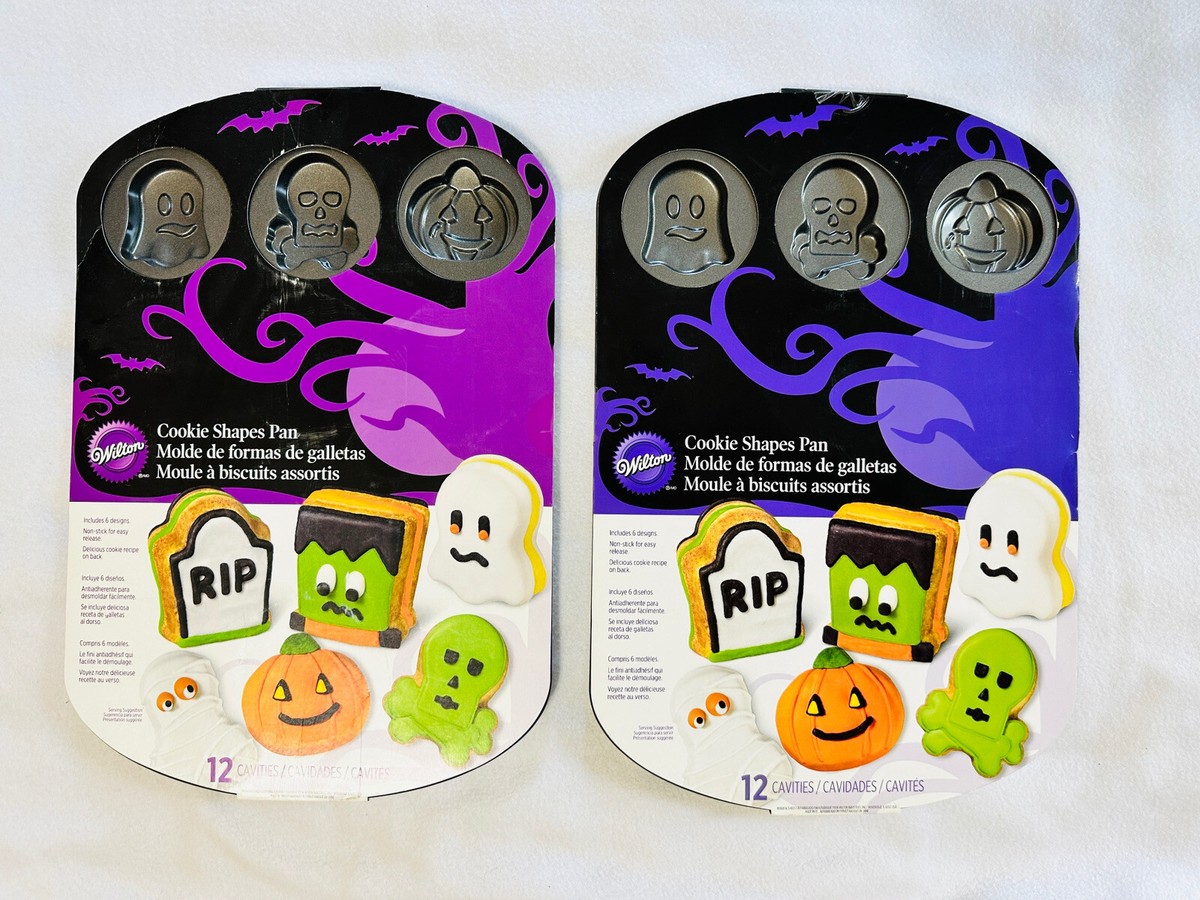
Credit: www.ebay.com
Alternatives To Non Stick Pans For Nonstick Recipes
If you don’t have a non stick pan, there are other options, though each has trade-offs:
- Well-Seasoned Cast Iron: When seasoned correctly, cast iron can handle eggs and pancakes with good results. However, it’s heavier and requires maintenance.
- Carbon Steel Pans: Like cast iron, these can become nonstick with regular seasoning. They heat up fast and are lighter, but also need more care.
- Enameled Cookware: Enameled cast iron works well for some sticky recipes but isn’t as smooth as non stick.
- Silicone Mats (for Baking): For oven recipes, silicone mats can help with nonstick needs.
Here’s a quick comparison:
| Alternative | Nonstick Quality | Care Needed | Best For |
|---|---|---|---|
| Cast Iron | Good (if seasoned) | High | Eggs, Pancakes, Meats |
| Carbon Steel | Good (if seasoned) | High | Stir Fry, Eggs |
| Enameled Cast Iron | Moderate | Low | Baking, Sauces |
| Silicone Baking Mats | Excellent (for baking) | Low | Cookies, Roasting |
No alternative is quite as easy as a good non stick pan, but with practice, some can come close.
How To Make Your Nonstick Pans Last Longer
To protect your investment, follow these tips for a longer-lasting non stick pan:
- Always cook on low or medium heat.
- Avoid aerosol sprays (they damage the coating).
- Wash by hand; skip the dishwasher.
- Don’t use abrasive cleaners or steel wool.
- Store with a cloth or paper towel between pans to avoid scratches.
- Only use wooden, silicone, or nylon utensils.
A good non stick pan, treated well, can last several years and save you time and frustration in the kitchen.
Environmental Impact Of Non Stick Pans
Non stick pans have faced some criticism over environmental concerns, especially older pans made with PFOA. Modern pans are much safer, but there are still some impacts to consider:
- Manufacturing: Making non stick coatings uses energy and chemicals. Look for brands that use eco-friendlier processes.
- Disposal: Worn-out pans usually can’t be recycled. Try to extend the life of your pan, and check for local recycling programs.
- Alternatives: Ceramic and cast iron pans have a lower long-term impact but need more care.
If you’re concerned about sustainability, use your non stick pan for foods that truly need it, and use other pans for high-heat or heavy-duty tasks.
Non-obvious Insights Most Beginners Miss
- Preheating Is Key: Many people skip preheating non stick pans, but a gentle warm-up helps food cook evenly and avoid sticking. Cold pans can cause eggs or pancakes to stick, even with a non stick surface.
- Minimal Fat Still Helps: Even though the pan is non stick, a small bit of butter or oil gives better flavor, color, and texture. Dry-cooking can sometimes lead to pale or rubbery results.
- Let Food Release Naturally: When cooking, don’t force food to move too soon. Let it cook until it naturally releases from the pan. For example, pancakes will lift easily when ready to flip.
- Coating Thickness Matters: Cheaper pans often use thin coatings that wear out quickly, while premium pans use multiple layers that last longer.
- Room Temperature Ingredients: Adding cold ingredients to a hot non stick pan can sometimes cause sticking due to steam and condensation. Let eggs, fish, or batter warm up a bit before cooking.
Real-life Example: Making The Perfect Omelet
Let’s put all this together in a step-by-step example using a non stick pan:
Ingredients:
- 2 eggs
- 1 tbsp milk or water
- Pinch of salt
- 1 tsp butter
Steps:
- Crack the eggs into a bowl, add milk and salt, and whisk until smooth.
- Preheat your non stick pan over medium-low heat for about 1 minute.
- Add the butter and let it melt, swirling to coat the pan.
- Pour in the eggs and let them sit undisturbed for 20–30 seconds.
- Use a silicone spatula to gently push the cooked edges toward the center, letting uncooked egg flow underneath.
- When the eggs are mostly set but still slightly soft, fold the omelet in half and slide onto a plate.
Result: A soft, tender omelet that slides out easily—no sticking, tearing, or burning. Try this in a regular pan and you’ll likely spend more time cleaning than eating.
Frequently Asked Questions
Why Do Nonstick Recipes Work Best With Non Stick Pans?
Nonstick recipes use delicate or sticky ingredients that need a very smooth surface to release easily. Non stick pans provide this surface, so food doesn’t bond to the pan. This means you can use less oil and get better results, especially with eggs, fish, and pancakes.
Can I Use A Stainless Steel Or Cast Iron Pan For Nonstick Recipes?
You can, but it’s much harder. Stainless steel and cast iron pans need to be well-seasoned and require more oil to prevent sticking. Even then, recipes like omelets or crepes often stick or tear. Non stick pans are designed to make these recipes easier.
Is It Safe To Cook With Non Stick Pans?
Yes, modern non stick pans are safe when used correctly. Avoid high heat (above 500°F), don’t use damaged pans, and never overheat empty pans. Most brands are now PFOA-free. For detailed safety info, check this resource.
How Long Does A Non Stick Pan Last?
With proper care, a good non stick pan lasts 2–5 years. Avoid metal utensils, don’t overheat, and wash by hand to extend its life. When food starts to stick or the coating is scratched, it’s time to replace the pan.
What Are The Best Foods To Cook In Non Stick Pans?
Non stick pans are perfect for eggs, pancakes, fish fillets, grilled cheese, and other sticky or delicate foods. Avoid using them for high-heat searing, roasting, or recipes that need a lot of browning.
Cooking should be fun, not frustrating. When you match nonstick recipes with the right non stick pan, you’ll enjoy easier meals, less cleanup, and better results. With the right care and understanding, your non stick pan will become one of your most valued kitchen tools.