
Nonstick Myths And Facts Of Non Stick
Nonstick cookware has changed the way people cook all over the world. From frying eggs without sticking to cleaning pans in seconds, nonstick pots and pans are everywhere—in homes, restaurants, and even camping kits. But with popularity comes confusion. Many people believe stories about nonstick coatings, some true and some not. These myths often shape how we buy, use, and care for our nonstick pans. So, what is fact and what is fiction?
In this article, you will find out the truth behind common nonstick myths. We’ll look at the real science, health concerns, safety tips, and performance of nonstick cookware. You will learn how to make your nonstick pans last longer, when you should worry about scratches, and if “PFOA-free” really matters.
If you have ever wondered whether nonstick pans are safe or if you need to throw yours away at the first scratch, keep reading. This guide will help you become a smart nonstick user.
What Is Nonstick Cookware?
Nonstick cookware is a type of cooking pot or pan with a special surface that keeps food from sticking. The most popular nonstick coating is made from a material called polytetrafluoroethylene (PTFE), known by the brand name Teflon. There are also ceramic and silicone nonstick coatings.
How Nonstick Coatings Work
Nonstick coatings are smooth and slippery. When you heat the pan, the coating makes it harder for food to stick. This means you need less oil or butter, which many people like for health reasons.
Common Types Of Nonstick Coatings
- PTFE (Teflon): Most common, used for decades.
- Ceramic: Made from sand, considered more natural but often less durable.
- Silicone: Used for bakeware and baking mats, not frying pans.
Each type has its own benefits and limits. PTFE pans last longer, but ceramic pans are often marketed as safer or more “eco-friendly. ”
The Biggest Myths About Nonstick Cookware
Many rumors and beliefs spread about nonstick pans. Let’s look at the most popular myths—and the real facts behind them.
Myth 1: Nonstick Pans Are Always Unsafe
Some people worry that nonstick pans are dangerous for health. The truth is, PTFE coatings are safe at normal cooking temperatures. Problems can happen only if you heat the pan much too high (over 500°F or 260°C), where the coating can start to break down and release fumes.
Myth 2: Scratched Nonstick Pans Are Poisonous
It’s easy to panic when your pan gets a scratch. However, a small scratch is not an emergency. Most nonstick coatings are non-toxic if swallowed in tiny amounts, and the metal underneath is usually aluminum or stainless steel, which is not poisonous in normal use.
Still, if your pan is badly scratched or the coating is peeling, it’s better to replace it to avoid flakes in your food.
Myth 3: You Can’t Use Metal Utensils
Many people believe that metal utensils will ruin all nonstick pans instantly. While it’s true that metal can scratch the coating, some modern nonstick pans are reinforced and can handle gentle use with metal tools. Check your pan’s label—many brands now advertise “metal utensil safe” pans.
Myth 4: All Nonstick Pans Contain Pfoa
PFOA (perfluorooctanoic acid) was used in the past to make PTFE, but it is now banned in the US and many countries. Most nonstick pans made after 2015 are PFOA-free. If you see “PFOA-free” on a label, it’s usually just marketing, since nearly all new pans are already free of this chemical.
Myth 5: Nonstick Pans Don’t Last Long
People often say you need to replace nonstick pans every year. While nonstick does wear out faster than steel or cast iron, a well-cared-for pan can last 3–5 years or even longer. Using low to medium heat, cleaning gently, and storing pans carefully can add years to their life.
Myth 6: You Can’t Put Nonstick Pans In The Oven
Not all nonstick pans are oven-safe, but some are. It depends on the pan’s handle and coating. Always check the product manual. Some pans are safe up to 350°F, others up to 500°F.
Myth 7: Nonstick Cookware Is Bad For The Environment
Making PTFE nonstick pans does use chemicals, but most modern factories follow strict rules. Ceramic nonstick pans are often marketed as more eco-friendly, but their production also uses heat and energy. The best way to reduce waste is to keep your pans in good shape and avoid buying new ones too often.

Credit: www.asaicookware.com
Facts You Should Know About Nonstick Cookware
Now that we have looked at the myths, let’s focus on the facts—what you must know if you use nonstick pans at home.
Fact 1: Nonstick Pans Make Cooking Easier
With nonstick, you can fry eggs, fish, and pancakes without leaving half the food stuck to the pan. This makes cooking less stressful, especially for beginners.
Fact 2: Nonstick Pans Save Oil
Because food slides off nonstick surfaces, you need less oil or butter. For people who want to eat less fat, nonstick pans are a great help.
Fact 3: Overheating Is The Real Danger
PTFE starts to break down at about 500°F (260°C). This can release fumes that are dangerous for pet birds and can cause flu-like symptoms in humans if you breathe a lot of them. Never preheat an empty nonstick pan on high heat.
Fact 4: Nonstick Is Not For All Cooking
Nonstick pans are not good for high-heat cooking, such as searing steak or stir-frying at very high temperatures. For these tasks, use stainless steel or cast iron.
Fact 5: Hand Washing Is Best
Dishwasher detergents and high heat can wear out nonstick coatings. Wash pans by hand with mild soap and a soft sponge to keep them in good shape.
Comparing Nonstick With Other Cookware
People often ask how nonstick pans compare to stainless steel and cast iron. Here is a quick look to help you understand the differences.
| Feature | Nonstick | Stainless Steel | Cast Iron |
|---|---|---|---|
| Stick Resistance | Excellent | Poor | Good (if seasoned) |
| Ease of Cleaning | Very Easy | Moderate | Moderate |
| Heat Tolerance | Low-Medium | High | Very High |
| Durability | 3–5 Years | 10+ Years | Decades |
| Oven-Safe | Sometimes | Yes | Yes |
| Care Needed | Low | Medium | High |
As you can see, nonstick cookware is best for quick, easy meals and gentle cooking, while stainless steel and cast iron are better for browning and high-heat dishes.
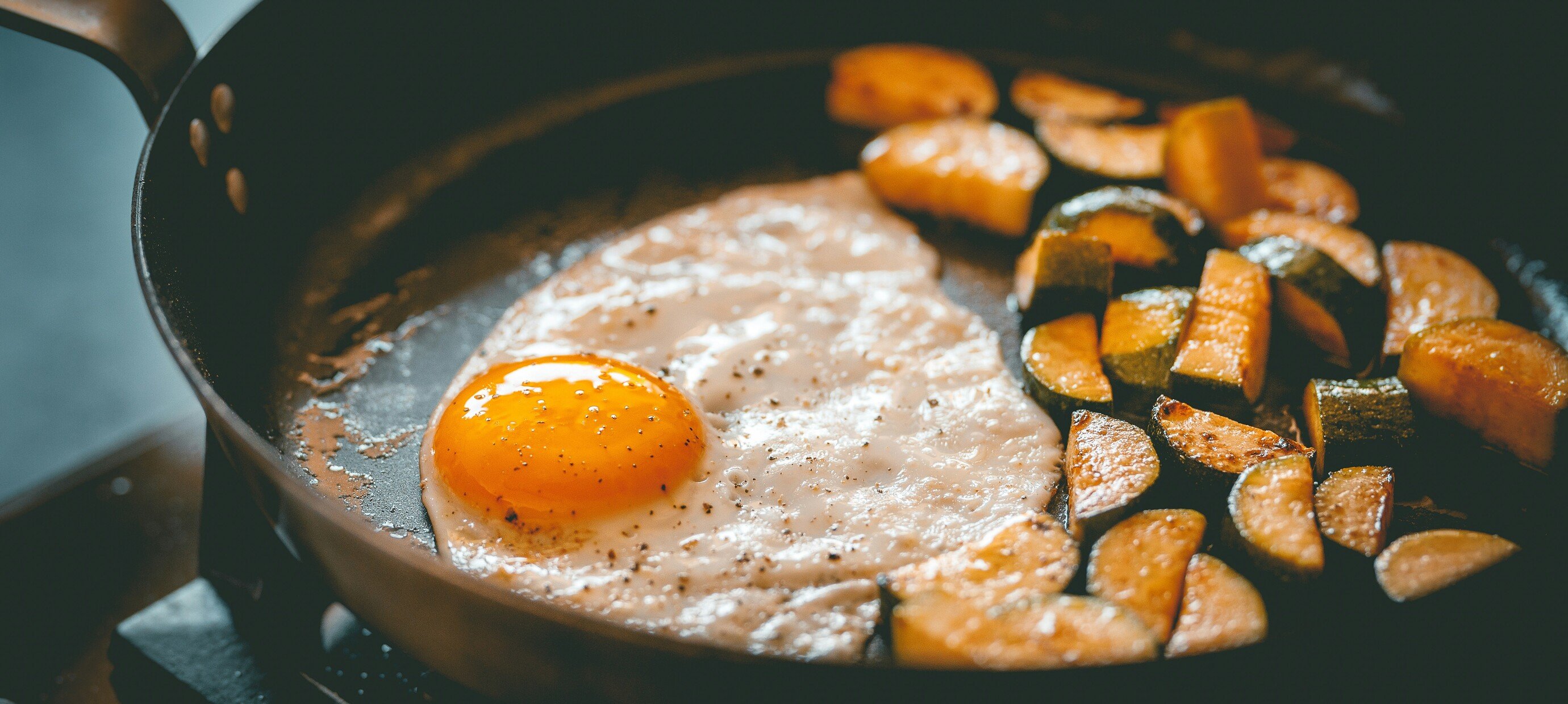
Credit: www.blackstonesboston.com
Health And Safety: The Real Concerns
Nonstick pans are safe for most people when used correctly, but it’s smart to know the risks.
Ptfe Fumes And Health
When nonstick pans are heated too high, they can give off PTFE fumes. These fumes are dangerous for birds and can make people feel sick. Symptoms are mild for humans but can be deadly for birds, so keep birds out of the kitchen.
Pfoa And Your Health
PFOA is no longer used in almost all nonstick pans. Studies linked it to health risks, which is why it was banned. Today’s nonstick pans are made without PFOA, so you do not need to worry if you buy new cookware.
Ingesting Nonstick Flakes
If your pan is very scratched, small flakes of the coating can end up in your food. These are usually harmless, but it’s best to replace badly damaged pans to avoid them.
Cooking For Children
Nonstick pans are safe for cooking kids’ food as long as you use them on low or medium heat. Never leave them empty on the stove.
Nonstick Cookware: Common Questions Answered
People ask many questions about nonstick pans. Here are some of the most common, with clear answers.
How Long Do Nonstick Pans Last?
Most nonstick pans last 3–5 years with regular use. If you notice food sticking more or see the coating peeling, it’s time to replace the pan.
Are Expensive Nonstick Pans Better?
More expensive pans often have thicker coatings or reinforced surfaces, making them last longer. But care matters more—an inexpensive pan, well cared for, can last as long as a costly one.
Is Ceramic Nonstick Safer?
Ceramic coatings do not use PTFE or PFOA, but they can still wear out fast. Some tests show they can lose their nonstick power after a few months. Safety is not usually an issue with either type if you follow usage guidelines.
Can Nonstick Pans Go In The Dishwasher?
Some brands say their pans are “dishwasher safe,” but hand washing is always better. Dishwashers can shorten the life of the nonstick surface.
Can You Repair Nonstick Pans?
There are sprays that claim to repair nonstick coatings, but results are rarely good. It’s usually better to buy a new pan.
How To Make Your Nonstick Pans Last Longer
If you want your nonstick cookware to work well for years, follow these simple tips:
- Use low to medium heat. High heat can damage the coating.
- Avoid metal tools unless your pan says they are safe.
- Wash by hand with a soft sponge and mild soap.
- Do not use cooking sprays; they can leave a sticky buildup.
- Store pans carefully—do not stack heavy pans on top of each other without protection.
- Let pans cool before washing; sudden temperature changes can warp the pan.
These steps are easy but make a big difference.
Truth About “pfoa-free” Labels
You see “PFOA-free” on almost every nonstick pan today. But what does it really mean?
PFOA is a chemical that was used long ago in the process of making nonstick coatings. It is linked to health problems, so it was phased out. Since 2015, almost all nonstick cookware is already free of PFOA—even if not labeled.
So, when you see “PFOA-free,” it’s not a special feature. It’s just standard for new pans. If you are buying an old or secondhand pan, check the production date, but for new pans, PFOA is not a concern.
Nonstick And Induction Cooking
Many people now use induction cooktops, which require pans with magnetic bottoms. Most nonstick pans use an aluminum base, which does not work on induction unless it has a steel plate added.
| Cookware Type | Induction Compatible | Notes |
|---|---|---|
| Standard Nonstick | No | Aluminum base only |
| Nonstick with Steel Base | Yes | Check for “induction safe” label |
| Stainless Steel | Yes | Most types |
| Cast Iron | Yes | Works well |
If you use induction, always check that your nonstick pan is “induction compatible. ”
Non-obvious Insights For Nonstick Users
Many guides miss some important points. Here are two insights even experienced cooks sometimes forget:
- Preheating Nonstick Pans Is Risky. Unlike steel or iron, never preheat an empty nonstick pan. The coating heats quickly, and you could pass the safe temperature before you add food.
- Cooking Sprays Shorten Pan Life. Many people use aerosol sprays for eggs or pancakes, but these sprays leave a residue that builds up and makes food stick. Use a few drops of oil and spread with a paper towel instead.
Nonstick And Food Taste
Some people claim nonstick pans change the taste of food. The truth is, nonstick does not add any flavor. However, because you use less oil and cannot brown food as deeply, flavors are sometimes milder. For strong browning and deep flavor (like searing steak), use a pan that can handle high heat.
When To Replace Nonstick Pans
How do you know when it’s time to say goodbye to your old nonstick pan?
- Food starts to stick even with oil
- Coating is peeling or flaking
- Pan is warped or damaged
- Scratches cover most of the surface
If you see any of these signs, it’s safer and easier to get a new pan.
Best Uses For Nonstick Cookware
Nonstick pans are perfect for:
- Eggs and omelets
- Pancakes and crepes
- Fish fillets
- Delicate foods that break easily
- Sauces or foods with cheese (less sticking)
Avoid using nonstick for:
- Searing meat at high heat
- Oven roasting above the pan’s safe temperature
- Cooking with very sharp or rough utensils
Nonstick Cookware And Recycling
Old nonstick pans cannot go in normal recycling bins because of their mixed materials. Some cities have special programs for recycling cookware, or you can donate old pans for craft or art uses. If your pan is badly damaged, check with your local waste center for the best way to throw it away.
The Science Behind Nonstick Coatings
PTFE, the main nonstick material, is a type of plastic with a very low “friction coefficient,” which means things do not stick to it easily. It was discovered by accident in 1938 and made famous as “Teflon” in the 1940s.
Its heat tolerance (up to 500°F/260°C) is perfect for most home cooking, but not for very high heat.
Ceramic nonstick coatings use a different material (silicon dioxide, from sand), but work in a similar way. They are less slippery and often wear out faster.
Nonstick Myths In The Media
Many news stories focus on health scares with nonstick pans. Most issues come from misuse—heating pans too high, using very old pans, or not following instructions. For trusted information, check science-based resources like the American Cancer Society.

Credit: www.youtube.com
Cleaning Nonstick: What Works And What Doesn’t
Gentle cleaning is key. Avoid steel wool or rough pads, as these can scratch the coating. Use soft sponges and mild soap. Do not soak pans for a long time or use harsh chemicals.
If there’s sticky residue, fill the pan with warm water and a little baking soda. Let it soak for 20–30 minutes, then clean gently. This trick can remove most buildup without scratching.
Storing Nonstick Pans
Stacking pans without protection is a common mistake. Place a soft cloth, paper towel, or pan protector between pans to prevent scratches. Hanging pans is another good option if you have the space.
Nonstick Myths And Facts: Quick Reference
Here’s a summary to help you remember what is true and what is not.
| Myth | Fact |
|---|---|
| Nonstick pans are unsafe | Safe if not overheated |
| All nonstick contains PFOA | PFOA is banned in new pans |
| Scratched pans are poisonous | Small flakes are not dangerous, but replace badly damaged pans |
| Metal tools ruin all nonstick | Some pans are reinforced for metal tools |
| Nonstick is bad for the environment | Newer pans use safer processes; care reduces waste |
Frequently Asked Questions
Is It Safe To Use A Scratched Nonstick Pan?
A small scratch is usually not harmful, but if the coating is peeling or flaking, it’s best to replace the pan. Eating small flakes is not toxic, but it is not ideal.
How Can I Tell If My Nonstick Pan Contains Pfoa?
Most new nonstick pans are PFOA-free. Check the packaging or the brand’s website for details. If your pan was made after 2015, it is almost certainly PFOA-free.
What Should I Do If My Nonstick Pan Is Smoking?
Turn off the heat right away and ventilate the kitchen. Do not use the pan until it cools. Smoking means the pan is too hot and the coating may be breaking down.
Can Nonstick Pans Go In The Oven?
Some nonstick pans are oven-safe, but many are not. Always check the manufacturer’s guidelines for temperature limits. Handles and lids may not be safe at high heat.
Are Ceramic Nonstick Pans Better Than Ptfe?
Ceramic pans are free of PTFE and PFOA, but often wear out faster and may stick more over time. Both types are safe when used correctly; the choice depends on your cooking needs.
Nonstick cookware is a useful tool in any kitchen, but only if you know how to use it safely. By understanding the real facts, you can enjoy easy cooking, simple cleaning, and peace of mind.