
Frying food at home is a joy for many, but the thought of deep frying in a non stick pan can make people pause. Is it safe? Will it ruin your cookware? Can you get crispy results without the mess?
If you love crunchy fries, golden chicken, or even classic Indian snacks, you might wonder if you need a special deep fryer or if your regular non stick pan will do. Understanding the facts and practical tips about deep frying in non stick cookware can help you cook smarter, cleaner, and with confidence.
This guide gives you everything you need to know about deep frying in a non stick pan. We will look at how non stick pans handle hot oil, the best ways to fry safely, what to avoid, and how to keep your pan lasting longer. With clear tips and real examples, you’ll learn how to get delicious fried food at home, even if you’re not an expert cook.
What Makes Deep Frying Different?
Deep frying is not like shallow frying or sautéing. In deep frying, food is fully submerged in hot oil. The oil temperature is usually between 325°F and 375°F (163°C–190°C). At this high heat, the food cooks quickly and becomes crispy on the outside while staying juicy inside.
Non stick pans, coated with materials like Teflon or ceramic, are popular for cooking because they help prevent sticking and are easy to clean. But they are not always designed for very high heat. This difference is important when deep frying.
Can You Deep Fry In A Non Stick Pan?
The short answer is yes, you can deep fry in a non stick pan—but with some important rules. Not every non stick pan is made for deep frying, and there are safety and performance issues to consider.
Why People Choose Non Stick For Frying
- Easy cleanup: Food doesn’t stick, so cleaning is simple.
- Less oil sticking: Oil slides off easily, so food is less greasy.
- Beginner-friendly: Less chance of burning or sticking food.
But there are also risks. Overheating non stick pans can damage the coating or even release harmful fumes. So understanding your pan’s limits is key.
The Science Of Non Stick Pans And High Heat
Non stick coatings like PTFE (best known as Teflon) are designed to handle typical cooking temperatures. Most non stick pans are safe up to 400°F–500°F (204°C–260°C), but deep frying oil can sometimes reach the higher end of this range.
If the pan’s coating is damaged, overheated, or poor quality, it can break down. This not only shortens the life of your pan but can also affect food safety.
Temperature Limits
- Teflon pans: Usually safe up to 500°F (260°C), but heating empty pans above 400°F can cause fumes.
- Ceramic non stick: Often safe up to 450°F (232°C), but check the manufacturer’s instructions.
- Anodized aluminum: Sometimes used with non stick, but not always safe for high-heat deep frying.
Quick tip: Always check your pan’s manual or label for the maximum safe temperature.
Choosing The Right Non Stick Pan For Deep Frying
Not all non stick pans are equal. Some are better for deep frying than others. Here are factors to consider:
1. Pan Depth And Size
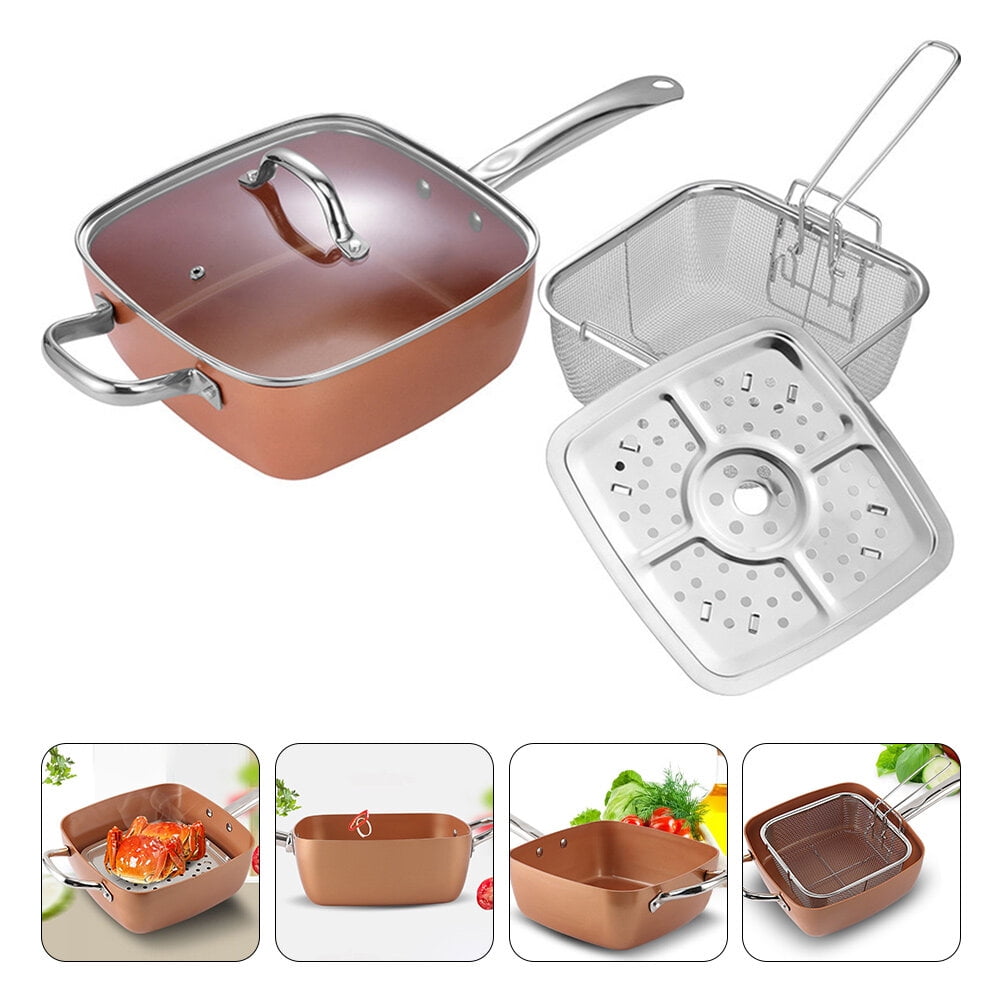
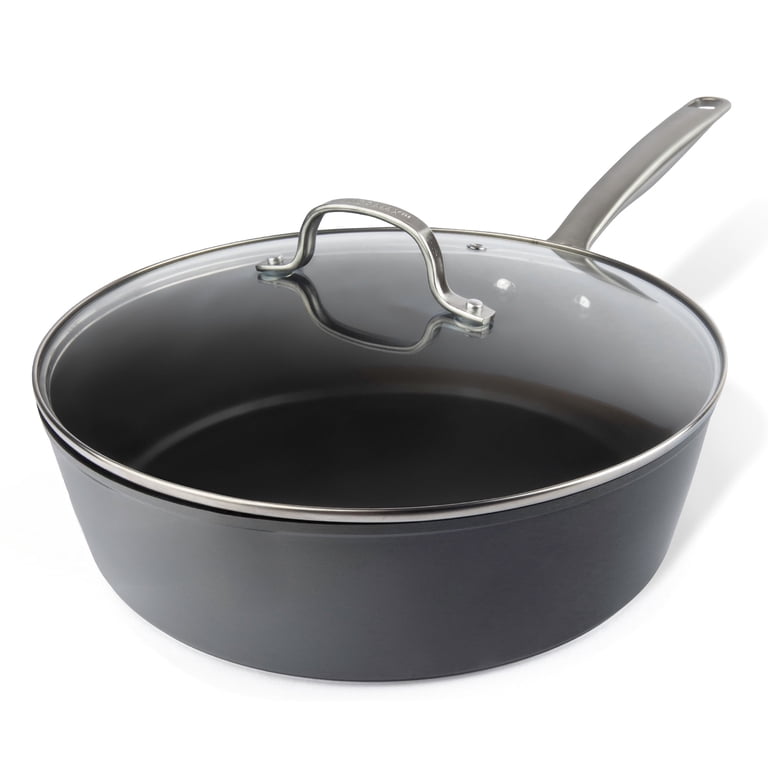
A good deep frying pan should be at least 2. 5 to 3 inches deep. This keeps oil from splashing and allows food to be submerged. Wide, shallow pans can make oil spill or cause uneven frying.
2. Pan Material
- Heavy gauge aluminum: Heats evenly and stays stable.
- Stainless steel base: Adds strength and durability.
- Thick non stick coating: Lasts longer at higher temperatures.
3. Handle Quality
Strong, heat-resistant handles are safer, especially when moving a pan of hot oil.
4. Lid Fit
A tight lid helps control oil splatters, but never cover a pan tightly while deep frying. Steam can build up and cause accidents.
5. Manufacturer’s Guidelines
Some brands list their pans as “oven safe” or “safe up to 500°F. ” Always follow these rules.
Essential Steps For Safe Deep Frying In A Non Stick Pan
To get great results and keep your pan safe, follow these proven steps:
1. Use The Right Oil
Choose an oil with a high smoke point (the temperature when oil starts to burn and break down). Good choices are:
- Peanut oil: 450°F (232°C)
- Canola oil: 400°F (204°C)
- Sunflower oil: 440°F (226°C)
- Grapeseed oil: 420°F (216°C)
Avoid butter, olive oil, or other low-smoke-point oils for deep frying.
2. Preheat Oil Slowly
Never heat your pan empty at full power. Add oil first, then heat gently. This protects your pan’s coating and keeps fumes away.
3. Use A Thermometer
A cooking thermometer is the best way to know oil temperature. If you don’t have one, test with a small piece of bread—it should sizzle and brown in about 60 seconds at 350°F.
4. Don’t Overcrowd The Pan
Adding too much food drops the oil temperature, leading to soggy results. Fry in small batches.
5. Drain Fried Food Properly
Remove fried food with a slotted spoon and drain on paper towels or a wire rack. This keeps your food crispy.
Comparing Non Stick Pans To Other Frying Tools
Deep frying can be done in many types of cookware. Here’s how non stick pans compare to other common options:
| Cookware Type | Heat Tolerance | Ease of Cleaning | Crispiness | Safety |
|---|---|---|---|---|
| Non Stick Pan | Up to 500°F | Very easy | Good | Moderate |
| Cast Iron Skillet | Over 600°F | Moderate | Excellent | High (heavy) |
| Stainless Steel Pan | Over 600°F | Easy | Very good | High |
| Electric Deep Fryer | Controlled | Varies | Excellent | High (built-in controls) |
Non stick pans make frying simple for beginners, but cast iron or stainless steel can handle higher heat and give extra crispiness.
Common Mistakes When Deep Frying In Non Stick Pans
Many home cooks make small mistakes that affect food quality or pan life. Here are the most common ones:
1. Overheating The Pan
Heating a non stick pan above its safe limit can ruin the coating or even release fumes. Always monitor oil temperature.
2. Using Metal Utensils
Metal spoons or tongs can scratch the non stick coating. Use silicone, plastic, or wooden tools.
3. Letting Oil Smoke
If you see smoke, your oil is too hot. Remove the pan from heat immediately.
4. Overcrowding
Adding too much food lowers oil temperature and causes sogginess.
5. Cleaning While Hot
Never pour cold water into a hot non stick pan. Let it cool first, or you might warp the pan or damage the coating.
How To Deep Fry In A Non Stick Pan: Step-by-step Guide
Here’s a simple process to follow for safe and tasty frying:
- Choose your pan: Pick a deep non stick pan with a thick base.
- Add oil: Pour enough oil to submerge food, but no more than two-thirds full.
- Heat oil slowly: Set your burner to medium and heat oil to 350°F–375°F.
- Test the oil: Use a thermometer or drop in a breadcrumb to check sizzle.
- Add food carefully: Lower food gently to avoid splashes.
- Fry in batches: Give food space to cook evenly.
- Remove and drain: Use a slotted spoon and drain on a rack or paper towels.
- Cool the oil: Let oil cool before disposing or storing.
- Clean gently: Wash the pan with mild soap and a soft sponge once cooled.

Credit: www.amazon.com
Best Foods To Deep Fry In A Non Stick Pan
Not every food needs a special deep fryer. Some of the best foods to deep fry in a non stick pan are:
- Chicken tenders or nuggets
- French fries or potato chips
- Vegetable fritters (pakoras)
- Fish fillets
- Doughnuts or beignets
- Tempura vegetables
- Churros
If the food is small and fits easily, a non stick pan works well.
Cleaning And Maintaining Your Non Stick Pan After Frying
Taking care of your pan means it lasts longer and cooks better. Here’s how to do it:
1. Let The Pan Cool
Never wash a hot pan. Sudden temperature changes can warp the material.
2. Pour Out Oil Safely
Strain and save clean oil for reuse, or dispose of old oil in a safe way. Never pour oil down the drain.
3. Use Gentle Cleaners
Use a soft sponge and mild dish soap. Avoid steel wool or harsh scrubbing pads.
4. Remove Odors
For stubborn smells, fill the pan with warm water and a few tablespoons of baking soda. Let it soak for 15 minutes before cleaning.
5. Dry Completely
Wipe with a soft towel and store in a dry place to prevent rust on the edges.
Credit: www.randbimport.com
When Not To Deep Fry In A Non Stick Pan
Some situations make non stick pans a bad choice for deep frying:
- Cooking at very high heat: If you need temperatures above 400°F for long periods, use cast iron or stainless steel.
- Large batches: If you’re cooking for a crowd, a dedicated deep fryer or heavy pot is better.
- Damaged coating: If your non stick surface is scratched or peeling, don’t use it for frying.
Non-obvious Insights For Better Deep Frying
Many people miss these small but important details:
1. Preheat With Food In The Oil
For delicate foods like battered fish, add them to the oil before it’s fully hot (around 300°F). This gives a more even crust without burning.
2. Reuse Oil The Right Way
After frying, strain oil through a coffee filter to remove crumbs. Store in a cool, dark place and reuse up to three times for similar foods.
3. Rotate Food For Even Frying
Gently move or flip pieces halfway through frying for an even golden color.
Health And Safety: What To Watch Out For
Deep frying is not always unhealthy if done right. Here’s how to keep it safer:
- Use fresh oil each time or after a few uses.
- Keep children and pets away from hot oil.
- Never leave frying food unattended.
- Have a lid nearby to smother small oil fires (never use water).
What To Do If Oil Overheats Or Catches Fire
Hot oil can be dangerous. If it smokes or catches fire:
- Turn off the heat right away.
- Cover the pan with a metal lid or baking sheet to cut off oxygen.
- Never use water to put out an oil fire.
- Use baking soda (not flour) to help put out small fires.
If the fire is large, get out and call emergency services.
Environmental Impact: Disposing Of Used Frying Oil
Don’t pour used oil down the sink. It can clog pipes and harm the environment. Instead:
- Cool and strain the oil.
- Store in a sealed container.
- Throw out in the trash (check local rules), or recycle at a special collection site.
For more details, check the EPA’s food waste tips at EPA Food Waste.
Comparing Oil Usage In Non Stick Vs. Traditional Pans
How much oil do you really need? Here’s a quick comparison:
| Pan Type | Minimum Oil Needed | Oil Absorption | Cleanup Difficulty |
|---|---|---|---|
| Non Stick | 1–2 inches | Lower (food sticks less) | Very easy |
| Stainless Steel | 2–3 inches | Moderate | Easy |
| Cast Iron | 2–3 inches | Low (if well-seasoned) | Moderate |
Non stick pans often use less oil and make less mess, but the difference in crispiness is small if done properly.
Credit: www.walmart.com
Real-life Example: Frying Chicken In A Non Stick Pan
Let’s say you want to fry chicken tenders for four people.
- Cut chicken into strips and season.
- Coat in flour, dip in egg, then breadcrumbs.
- Pour canola oil into your non stick pan to about 1.5 inches deep.
- Heat oil to 350°F.
- Fry 3–4 pieces at a time for 4–5 minutes, turning once.
- Drain on paper towels.
- Serve hot and crispy.
Notice how the non stick pan makes it easy to clean up, and food doesn’t break apart when you remove it.
How To Tell If Your Non Stick Pan Is Still Good For Frying
Over time, non stick coatings wear out. Here’s how to check:
- Surface feels rough or sticky even after cleaning.
- Visible scratches or flakes in the coating.
- Food starts to stick during normal use.
- Coating is discolored or faded.
If you see these signs, it’s time for a new pan.
Budget-friendly Tips For Better Frying
- Use less oil and fry in smaller batches to save money and prevent waste.
- Reuse oil for the same type of food (do not mix meat and sweet foods).
- Store your pan with a paper towel between pans to prevent scratches.
Myths About Deep Frying In Non Stick Pans
Some common myths confuse home cooks:
- Myth: Non stick pans can’t be used for frying.
- Reality: They can, but watch the temperature.
- Myth: All oil is the same.
- Reality: Only high-smoke-point oils are safe for deep frying.
- Myth: You must use lots of oil for crispiness.
- Reality: Enough oil to cover food is enough—don’t overfill.
- Myth: Non stick pans are dangerous for all frying.
- Reality: They’re safe when used as directed.
When To Upgrade To A Dedicated Deep Fryer
A non stick pan is great for small batches. But you might need a deep fryer if:
- You fry large amounts often.
- You want automatic temperature control.
- You want to reduce splattering and odor.
Most home cooks, however, get excellent results with a good non stick pan.
Comparison Of Non Stick Pan Brands For Deep Frying
Here’s how popular non stick pans stack up for deep frying:
| Brand | Max Safe Temp | Coating Type | User Rating |
|---|---|---|---|
| T-fal | 400°F | PTFE | 4.7/5 |
| Calphalon | 450°F | Ceramic | 4.8/5 |
| GreenPan | 600°F | Ceramic | 4.6/5 |
| All-Clad | 500°F | PTFE | 4.9/5 |
Always choose a trusted brand for better safety and results.
Frequently Asked Questions
Is It Safe To Deep Fry In A Non Stick Pan?
Yes, if you keep the oil below the pan’s maximum temperature and use a pan in good condition. Always use high-smoke-point oil and avoid overheating.
What Happens If I Overheat My Non Stick Pan While Deep Frying?
Overheating can damage the non stick coating, release fumes, and shorten the pan’s life. If you see smoke, remove the pan from heat right away.
Can I Reuse Oil After Frying In A Non Stick Pan?
Yes. Strain the oil to remove crumbs, cool it, and store in a sealed container. Reuse for similar foods up to three times.
Why Does My Fried Food Turn Out Soggy?
This often happens if the oil is not hot enough or you overcrowd the pan. Fry in small batches and check oil temperature.
What Is The Best Way To Clean A Non Stick Pan After Deep Frying?
Let the pan cool, pour out oil, wipe with paper towels, and wash gently with a soft sponge and mild soap. Never use metal scrubbers.
Deep frying in a non stick pan is possible, safe, and convenient if you follow the right steps. With careful use, your pan will deliver crispy, delicious results for years—without the mess or stress of traditional frying. For more about safe kitchen practices and frying, you can also check resources at the FoodSafety.gov. Enjoy your fried favorites, cook smart, and keep your kitchen safe!